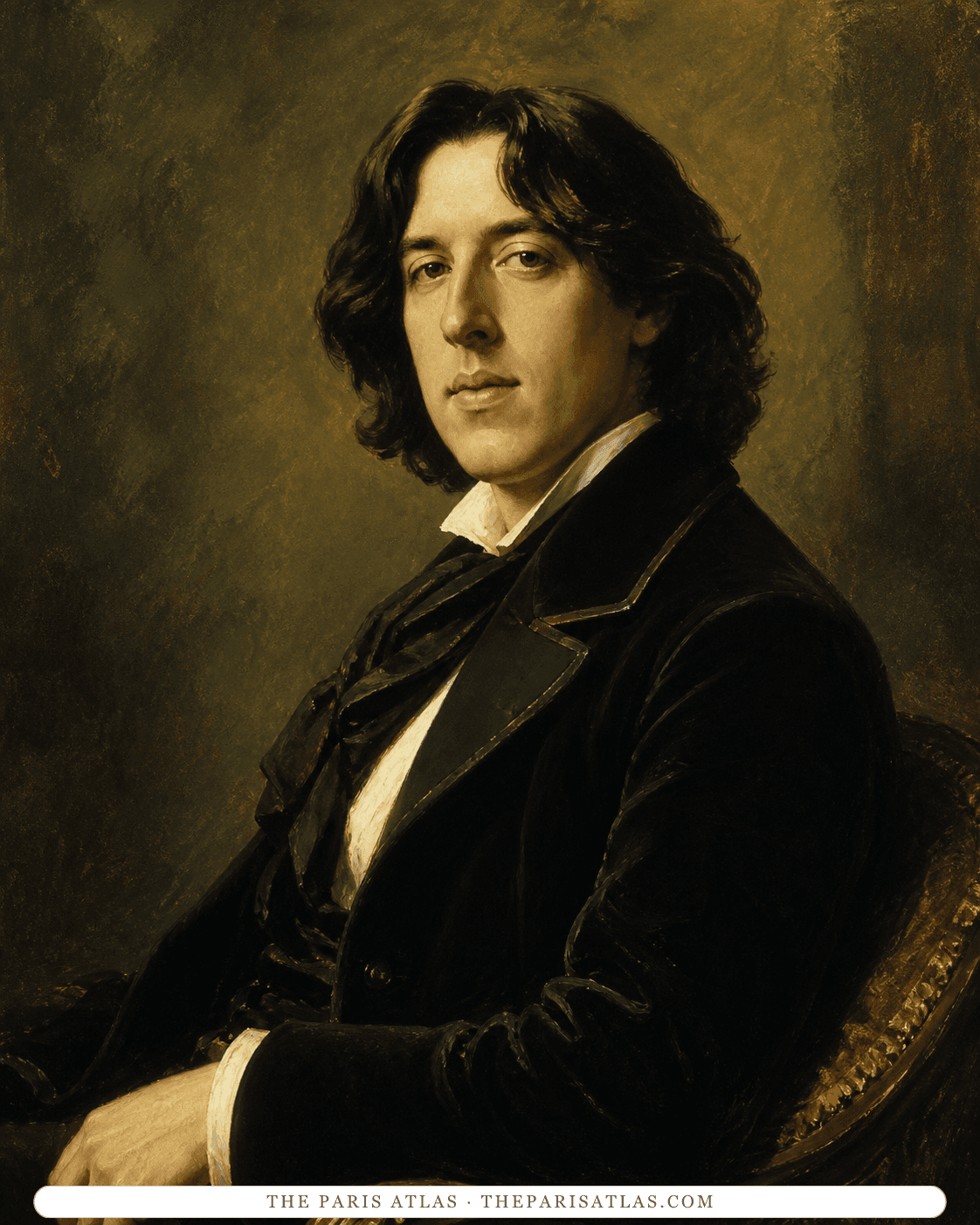

Lady Windermere's Fan
A society comedy in which a young wife suspects her husband, an excluded woman returns, and a fan becomes evidence that tells the wrong story.
Read our take
by Oscar Wilde
A political comedy about blackmail, a fortune built on a secret, and the damage caused by demanding moral perfection from another person.
An Ideal Husband follows Sir Robert Chiltern, a respected British politician whose career began with the sale of a Cabinet secret. Mrs Cheveley has proof and tries to force him to support a dishonest financial scheme in the House. His wife, Lady Chiltern, believes he has always been morally perfect; their friend Lord Goring argues that love cannot survive that kind of worship. The play was Wilde's third society comedy and opened on 3 January 1895, six weeks before The Importance of Being Earnest — the two plays were running in London simultaneously when Wilde was arrested that April.
Wilde wrote the play in the summer and autumn of 1893 at a small house in Goring-on-Thames (he named the play's most Wildean character after the village) and revised it over the following year. The Haymarket Theatre's manager Lewis Waller staged the premiere on 3 January 1895, played Sir Robert Chiltern himself, and cast Charles Hawtrey as Lord Goring, Julia Neilson as Lady Chiltern, and Florence West as Mrs Cheveley. The first run went to 124 performances.
On 5 April 1895, three months into the run and while The Importance of Being Earnest was also playing in London, Wilde was arrested. Both plays continued for another week or two but were removed from London stages after 27 April as public opinion turned against Wilde during the trials. Both the Haymarket and the St James's Theatres, however, kept Wilde's name off the programmes rather than close the productions — the plays continued anonymously, with box-office receipts sharply reduced.
The 1899 book edition was published by Leonard Smithers and Company. Wilde had continued to revise the play from prison and after his release; the 1899 text includes an important reworking of the fourth-act confrontation between Lord Chiltern and Lord Goring that had not been fully worked out in the 1895 acting version. Modern editions use the 1899 book text.
Act I is a reception at the Chilterns' Grosvenor Square house. Mrs Cheveley arrives from Vienna, produces a letter proving Sir Robert Chiltern sold Cabinet information about the government's plan to buy Suez Canal shares eighteen years earlier — and demands he support in the House her fraudulent Argentine Canal scheme. Robert accepts the terms.
Act II is the next morning. Robert confesses everything to his wife Gertrude, who withdraws her love from him on the ground that she had loved 'an ideal husband' — a man morally perfect — and cannot now love the man she actually married. Lord Goring, Robert's oldest friend and the play's philosopher, tries to argue Gertrude out of the position.
Act III is Lord Goring's rooms in the Albany late that night. Mrs Cheveley arrives; Goring recognises her as a woman he was once briefly engaged to, discovers a diamond brooch she stole from a country-house weekend three years earlier, and uses the brooch to blackmail her out of blackmailing Robert. Act IV, the next morning back in Grosvenor Square, resolves the plot: the incriminating letter is destroyed, Robert receives a Cabinet promotion, and Gertrude reads out to him Lord Goring's argument that a wife should not demand perfection from a husband.
The blackmail begins as an argument over names. Robert calls the Argentine venture a swindle; Cheveley calls it speculation. Once she reveals his letter, he uses speculation to defend his own transaction, and she returns his language of fraud to him. The verbal reversal exposes how readily moral certainty becomes self-protection. Her demand is not merely for money: she wants him to redirect official information and parliamentary speech. A private letter threatens to make public authority serve a private investment.
The brooch becomes a restraint because Goring knows its mechanism and Cheveley does not. Her inability to remove it turns polished negotiation into visible fear, giving physical form to the trap she set for Robert. Yet the reversal also exposes an unequal distribution of mercy. Goring separates Robert's dishonorable act from his true character while refusing forgiveness to Cheveley for attacking Gertrude's marriage. Destroying the letter secures his friend's safety; it does not resolve the difference between those judgements.
To love oneself is the beginning of a lifelong romance, Phipps.
It joins Wilde's social comedy to a direct plot about money, political power, and moral compromise.
Read it after Lady Windermere's Fan and before The Importance of Being Earnest.
Mrs Cheveley — the blackmailer at its centre — is the closest Wilde ever came in a woman's part to a fully self-aware Nietzschean villain, and one of the great women's roles of the 1890s stage.
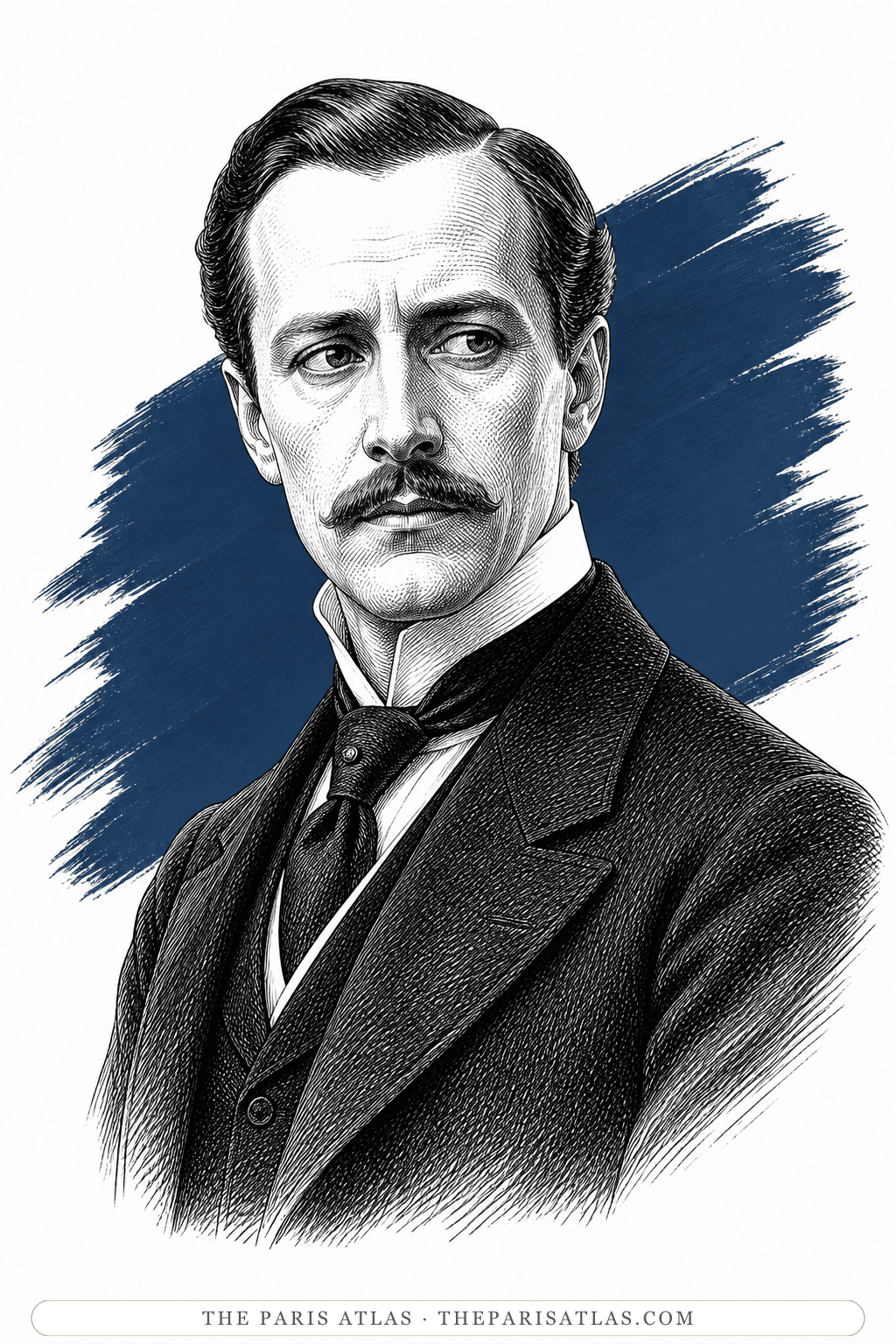
The Under-Secretary for Foreign Affairs, a rising Cabinet minister of forty. Eighteen years earlier he sold advance information about the government's plan to buy the Suez Canal shares — the sale that made his fortune and started his career. Mrs Cheveley has the letter that proves it.
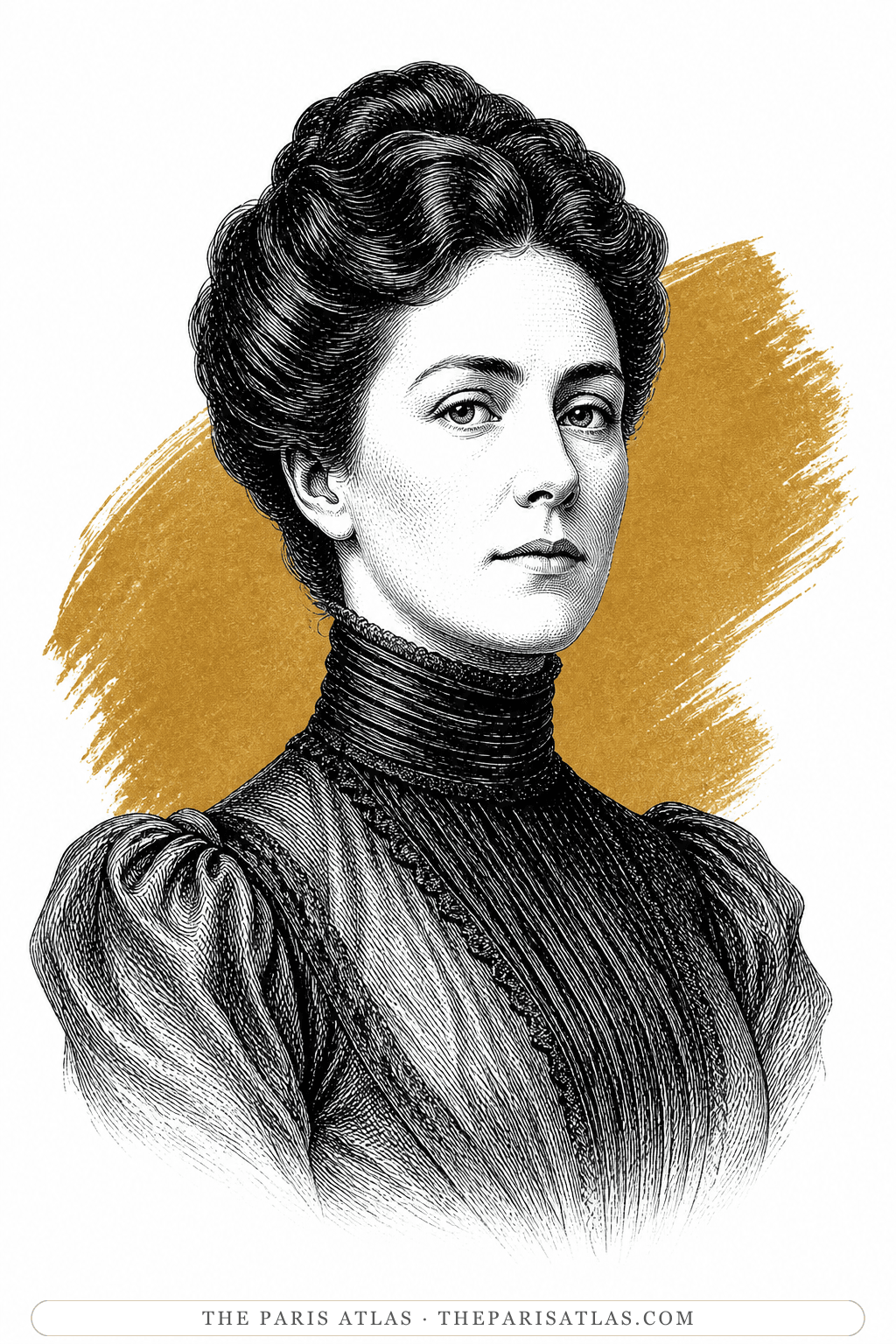
Sir Robert's wife, involved in the Women's Liberal Federation. She believes her husband morally perfect and, when he confesses in Act II, withdraws her love on the ground that she cannot love the man he really is. The play's argument against her position is what Lord Goring spends most of Act IV making.

Sir Robert's oldest friend, thirty-four and unmarried, the play's Wildean voice. He named the play's setting after the Oxfordshire village Wilde was staying in while writing (Goring-on-Thames), and he speaks most of the epigrams. His father Lord Caversham spends the play trying to get him to marry.

The play's antagonist — a widow arrived from Vienna with the incriminating letter, trying to force Robert to support her fraudulent Argentine Canal scheme in the House. Wilde gives her the play's most direct self-account: 'Nowadays with our modern mania for morality, everyone has to pose as a paragon of purity.' She was once briefly engaged to Lord Goring, which is what allows Goring to blackmail her back in Act III.

Robert's younger sister, twenty, in love with Lord Goring throughout the play and engaged to him by the last curtain. Her role is the comic counterweight to Gertrude's severity — the woman who does not demand an ideal husband.
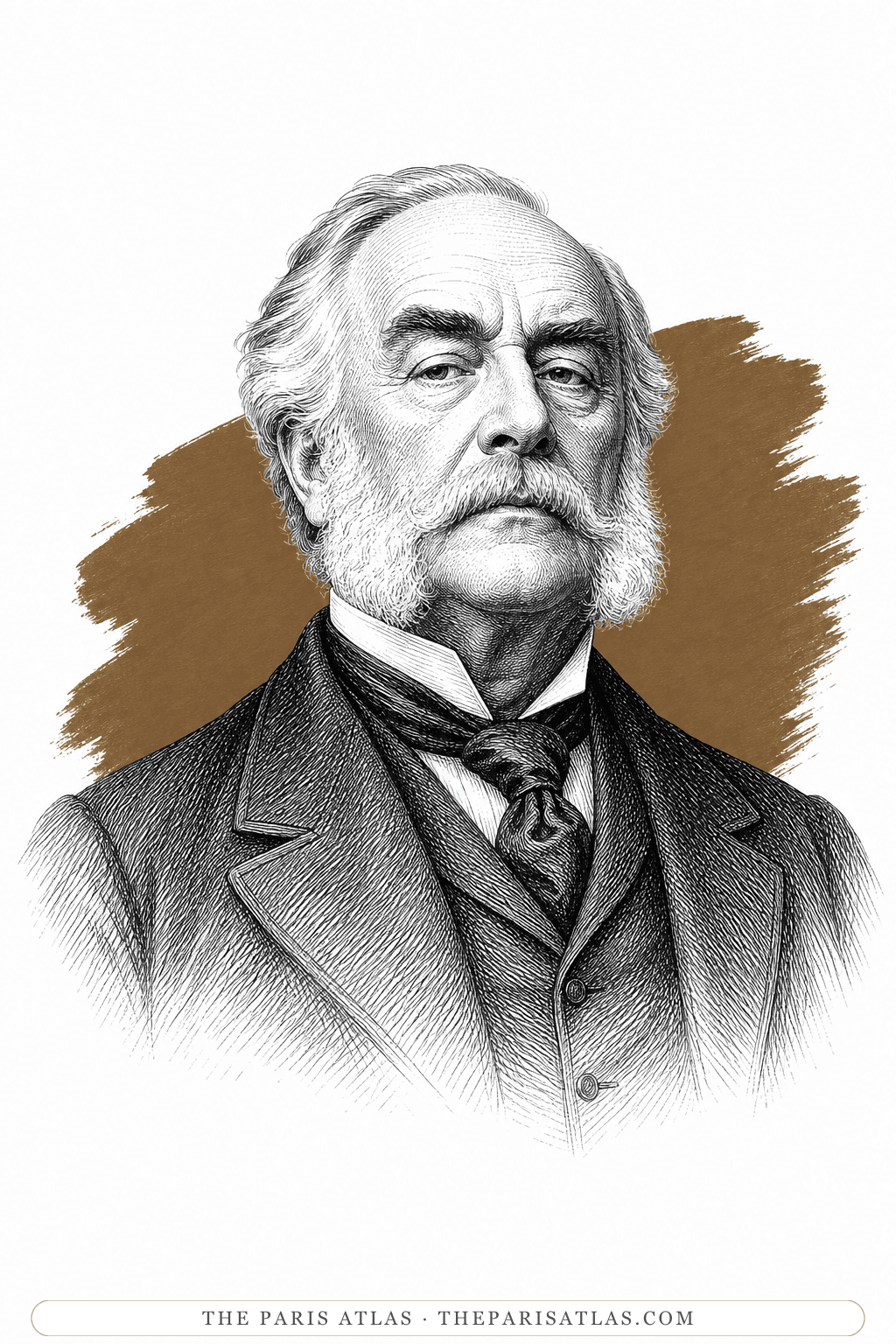
Lord Goring's father, spending the play pressing his son to marry and to enter politics. The classic Wildean father, with the running joke of trying to catch his son at any hour of the day when Goring might conceivably do something useful.
Summer–autumn 1893
Wilde writes the play at Goring-on-Thames, Oxfordshire, and names the play's most Wildean character after the village.
1894
Wilde revises the play; Lewis Waller of the Haymarket Theatre accepts it for the 1894–95 season.
3 January 1895
An Ideal Husband opens at the Haymarket Theatre. Lewis Waller plays Sir Robert Chiltern; Charles Hawtrey plays Lord Goring.
14 February 1895
The Importance of Being Earnest opens at the St James's Theatre. Two Wilde plays are now running simultaneously in London.
5 April 1895
Wilde is arrested. Both plays continue with his name removed from the programmes.
27 April 1895
An Ideal Husband closes after 124 performances.
1899
Leonard Smithers publishes the first book edition, including Wilde's later revisions to Act IV.
1947
Alexander Korda's British film with Paulette Goddard as Mrs Cheveley, Michael Wilding as Lord Goring, and Hugh Williams as Robert Chiltern brings the play to a wide postwar audience.
1999
Oliver Parker's film with Rupert Everett as Lord Goring, Julianne Moore as Mrs Cheveley, and Cate Blanchett as Lady Chiltern brings it to a wider still one.
A society comedy in which a young wife suspects her husband, an excluded woman returns, and a fan becomes evidence that tells the wrong story.
Read our take
Oscar Wilde's best-known comedy: two men invent useful false identities, two women insist on marrying someone named Ernest, and a handbag resolves the plot.
Read our takeIt is a political comedy about a Cabinet minister, Sir Robert Chiltern, whose career began with the sale of Cabinet information about the government's Suez Canal purchase eighteen years earlier. When Mrs Cheveley arrives from Vienna with the letter that proves it, she tries to force him to support her fraudulent Argentine Canal scheme in the House. The play works out the blackmail while asking whether the wife who has always thought her husband morally perfect can go on loving the man he actually is.
It opened at the Haymarket Theatre in London on 3 January 1895 in a production staged by Lewis Waller, who also played Sir Robert Chiltern. Charles Hawtrey played Lord Goring, Julia Neilson played Lady Chiltern, and Florence West played Mrs Cheveley. The first run went to 124 performances.
It is Wilde's most explicitly political play — the plot turns on government fraud, insider trading in Suez Canal shares, and a foreign investment scheme rather than on personal scandal. Wilde was writing at the height of the late-Victorian argument about political honesty; the Parnell case, the Marconi scandal in embryo, and the Cleveland Street affair had all set the terms. The play uses the private household to work out political questions the House of Commons was avoiding.
The play's antagonist — a widow arrived from Vienna with the incriminating letter. She is one of Wilde's most complete villain-portraits, given some of the play's best lines ('Nowadays with our modern mania for morality, everyone has to pose as a paragon of purity'). She was once briefly engaged to Lord Goring, which is what allows Goring to blackmail her back in Act III with a stolen diamond brooch.
An Ideal Husband was still running at the Haymarket when Wilde was arrested on 5 April 1895. The management removed Wilde's name from the programme but kept the production running for another three weeks; it closed on 27 April, after the second trial began. The Importance of Being Earnest at the St James's Theatre closed at the same time. Both plays returned to the London stage only after Wilde's death, from 1901 onward.
Wilde wrote the play in the summer and autumn of 1893 at a house in Goring-on-Thames in Oxfordshire, and named the play's most Wildean character after the village. The choice is a private joke Wilde repeatedly used with place names (Jack Worthing in The Importance of Being Earnest is named after Worthing on the Sussex coast, where Wilde wrote that play a year later).
Explore authors with a similar voice, perspective, and influence.

Both writers use style, performance, and social comedy to examine the roles assigned to women, artists, and people whose private lives do not fit public rules.
View author
The doctor of the Paris slums who wrote the century's blackest, funniest novel — and changed the sound of French prose.
View author
The Brooklyn dropout who arrived in Paris broke at thirty-eight and wrote the exuberant, banned books that ended American censorship.
View authorThe sources below include the primary text, editions, scholarship, archival materials, and other records that informed this page. They document An Ideal Husband, its publication, and its place in literary history.


The primary text represented by this page, used for descriptions of the work’s contents and for any quoted passages shown here.
Selected exchanges in acts I and III of the 1912 text; no acting-version collation.

Used to place An Ideal Husband within Oscar Wilde's published work and verify its bibliographic context.
Used for independent biographical, archival, or historical context surrounding Oscar Wilde's career and the period in which An Ideal Husband appeared.
Used to cross-check authorship, chronology, and the work's place in Oscar Wilde's wider catalogue.
Used to verify Oscar Wilde's bibliography and place An Ideal Husband within the broader chronology of Oscar Wilde's career.
The primary text is the baseline reference for every book page. Additional references document publication history, interpretation, and historical context where that evidence is available.
 Explore more resources