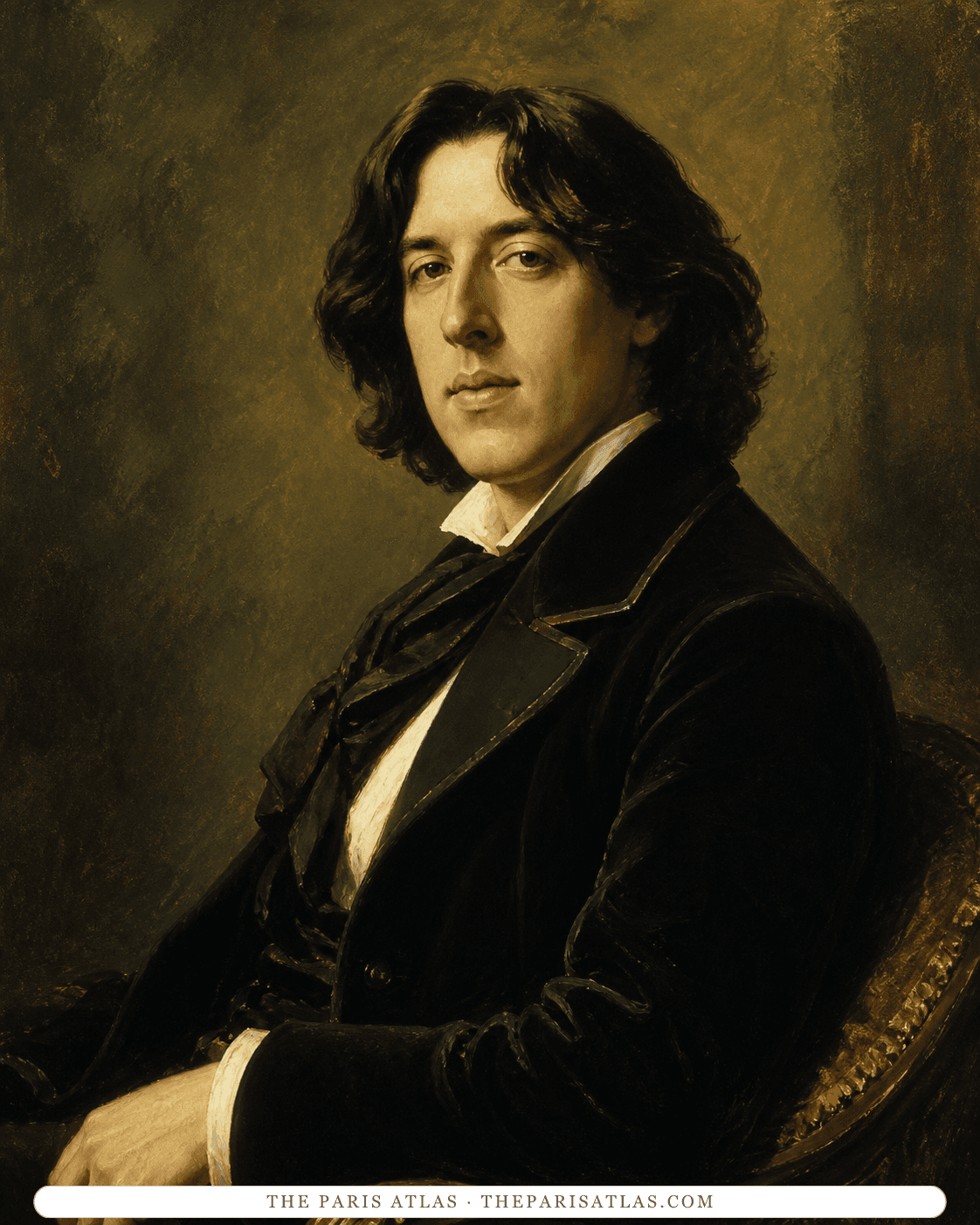

Lady Windermere's Fan
A society comedy in which a young wife suspects her husband, an excluded woman returns, and a fan becomes evidence that tells the wrong story.
Read our take
by Oscar Wilde
A country-house comedy that turns, in its second act, into an unsparing indictment of the double standard that punished the woman and promoted the man.
At an English country house, the elegant Lord Illingworth offers a promising career to young Gerald Arbuthnot — not knowing that Gerald's mother is the woman he seduced and abandoned twenty years earlier, and that Gerald is his son. When Mrs Arbuthnot arrives and recognises him, the light social comedy tightens into a direct argument about which of the two, in the end, is the person of no importance.
Oscar Wilde wrote A Woman of No Importance in 1892 and it opened at the Haymarket Theatre in London on 19 April 1893, the year between Lady Windermere's Fan and An Ideal Husband. Its first two acts hold the fast, epigrammatic society talk his audiences had come to expect — the third and fourth acts break that surface for something the drawing-room comedy was not supposed to do, and finish on a decision the play spends its whole length refusing to soften.
The play's central argument is precise rather than sentimental. Rachel Arbuthnot and George Harford — later Lord Illingworth — had a child together twenty years earlier without marrying; she raised Gerald alone and unrecognised, he inherited a title and a Cabinet post. The play watches their society label them both, and asks who, of the two, actually deserves the phrase in its title.
Act I opens at Hunstanton Chase, the country house of Lady Hunstanton, where a weekend party is talking through the news. Sir John and Lady Caroline Pontefract preside, the earnest MP Mr Kelvil holds forth on Puritanism, the archdeacon supplies domestic anecdote, and Mrs Allonby delivers the play's sharpest lines about husbands. The young American heiress Hester Worsley, boarded with Lady Hunstanton, watches the room from a moral distance. When Lord Illingworth arrives he offers a career to young Gerald Arbuthnot, the local rector's protégé, as his private secretary — the beginning of a life. Gerald writes for his mother to come and share the news; Mrs Allonby dares Illingworth to try to kiss Hester Worsley before the evening is out.
In Act II, in the drawing room after dinner, Mrs Arbuthnot arrives, sees Illingworth, and is recognised in return. The audience learns, in private, that they had a child twenty years earlier and that Illingworth then declined to marry her. She has raised Gerald alone as her son by a dead husband; Gerald knows nothing. She begs him to refuse the position without saying why. Illingworth, seeing his son as a real opportunity for once, refuses to release him. He offers to marry her — twenty years late, and only because the ambition suits him now. She refuses. He tells her, with the same ease he uses for a joke, that he intends to take the boy from her.
Act III moves to the smoking-room after the ladies have left. Illingworth and Gerald are alone; Illingworth begins the private education of a man who will be useful. In another part of the terrace, Hester screams. Illingworth has kissed her, as Mrs Allonby dared him to. Gerald, in a rage, seizes a knife from the supper table and starts for him. Mrs Arbuthnot, arriving on the noise, stops her son with the sentence she has spent the play refusing to say: he is your father. In Act IV, at the Arbuthnots' home the next morning, Gerald wants to marry Hester and take his mother to America. He also wants his father to marry his mother now, twenty years late, to give him a name. Mrs Arbuthnot refuses. Hester, who has heard the story, refuses on her behalf and offers her a home instead.
Lord Illingworth arrives at Mrs Arbuthnot's cottage to propose marriage — no longer to give the child a name, but because he now wants his son. She refuses him coldly. He reminds her that the boy is his; she reminds him what he called her twenty years before, and what her son had called him a moment ago. He picks up his glove from the table to leave and, in the play's most famous stage direction, she strikes him across the face with it. He goes without a word. When Gerald returns and asks, casually, who the visitor was, she says, without emphasis, that he was a man of no importance — and the play ends. Wilde has reversed his title in five words: Illingworth used the phrase in the first act, of Mrs Arbuthnot; she gives it back in the last, of him.
Recognition happens before the family history can be spoken: Illingworth recoils, then looks from Mrs Arbuthnot toward Gerald. The young man's cheerful introduction cannot account for the pause he has caused. His pride in an influential patron makes his mother's resistance sound unreasonable, especially when she repeats his own complaint about lacking advantages. That repetition reveals her predicament. The language of opportunity, perfectly intelligible to the guests, gives her no safe way to explain what accepting this particular opportunity would mean.
Illingworth's farewell tries to reduce their past to an amusing episode and Mrs Arbuthnot to a possession. The glove interrupts his unfinished insult: an item of gentlemanly dress becomes the means of rejecting his claim to define her. Her tears prevent the gesture from being a painless triumph. Only after Hester offers to become her daughter does the final dismissal arrive. The closing family embraces relationships chosen through care, rather than treating Illingworth's proposed marriage as the necessary repair.
They say, Lady Hunstanton, that when good Americans die they go to Paris.
The Book of Life begins with a man and a woman in a garden.
Moderation is a fatal thing, Lady Hunstanton. Nothing succeeds like excess.
It is the Wilde play in which the epigrams break down and a real argument takes over — the moment the drawing-room comedy of the 1890s stopped being able to pretend it did not have a subject.
Read Lady Windermere's Fan first for a tighter version of the fallen-woman plot, then this for the play that refuses the tidy reconciliation Lady Windermere allows.
The final act ends on one of Wilde's most quoted stage directions — Mrs Arbuthnot striking Lord Illingworth across the face with his own glove — and on the five-word reversal of the title itself.
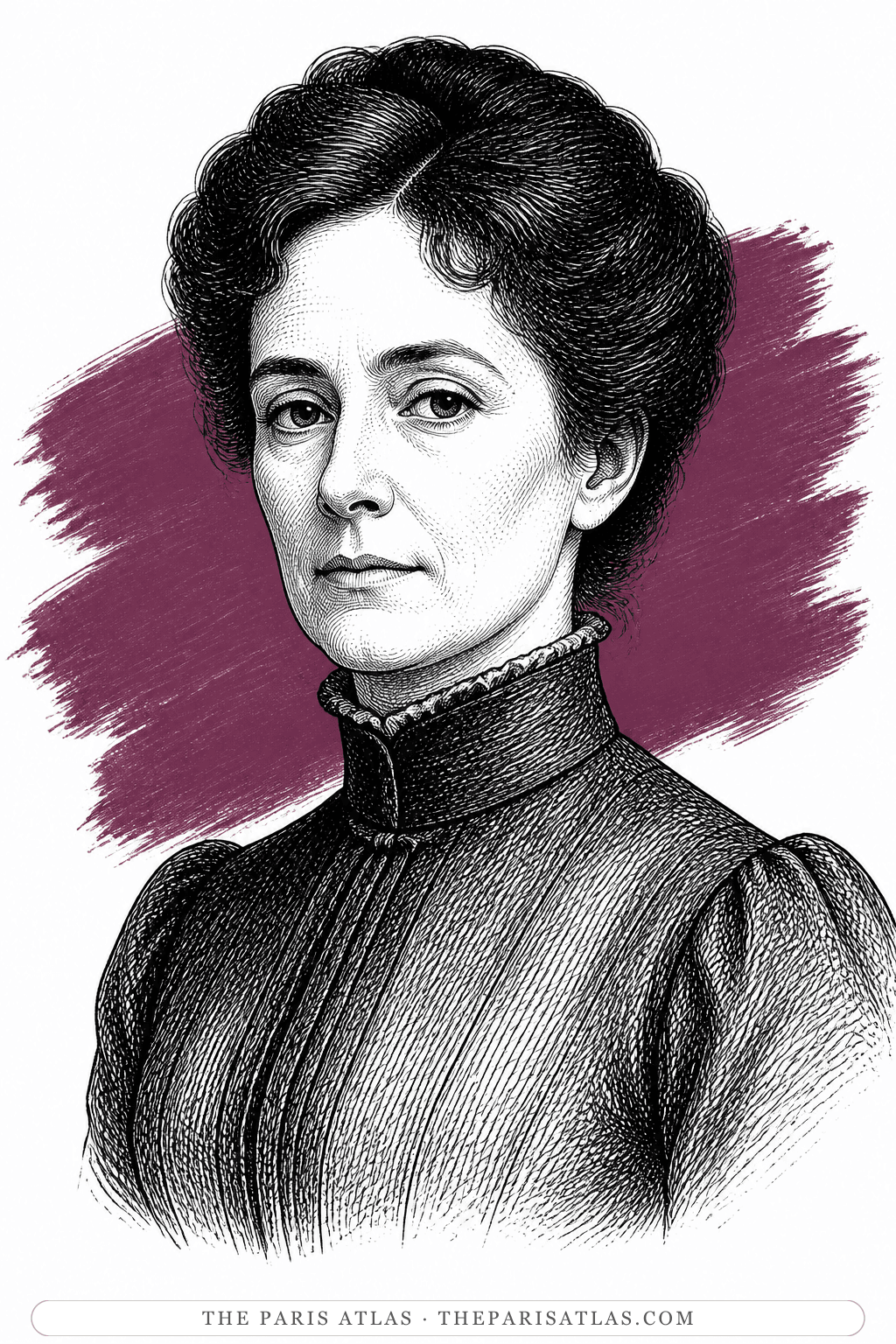
Gerald's mother, seduced by George Harford twenty years earlier and left to raise the child alone as her son by a dead husband. The play's moral centre, and the person who refuses to accept the settlement everyone else in the drawing room considers overdue.

Born George Harford; now a wealthy peer with a Cabinet post in view. Elegant, funny, and casually cruel. Offers Gerald a private secretaryship without knowing the boy is his son, then declines to relinquish him when he finds out.

Young, ambitious, in love with Hester, taken with Lord Illingworth's world. Believes he is choosing his own life; discovers in the third act that both his mother and his prospective employer have been choosing it for him.

A wealthy young American Puritan visiting Lady Hunstanton. Delivers the play's most direct condemnation of English society's double standard, then has to survive Lord Illingworth's forced kiss and choose whether her convictions extend to the woman that society has already condemned.
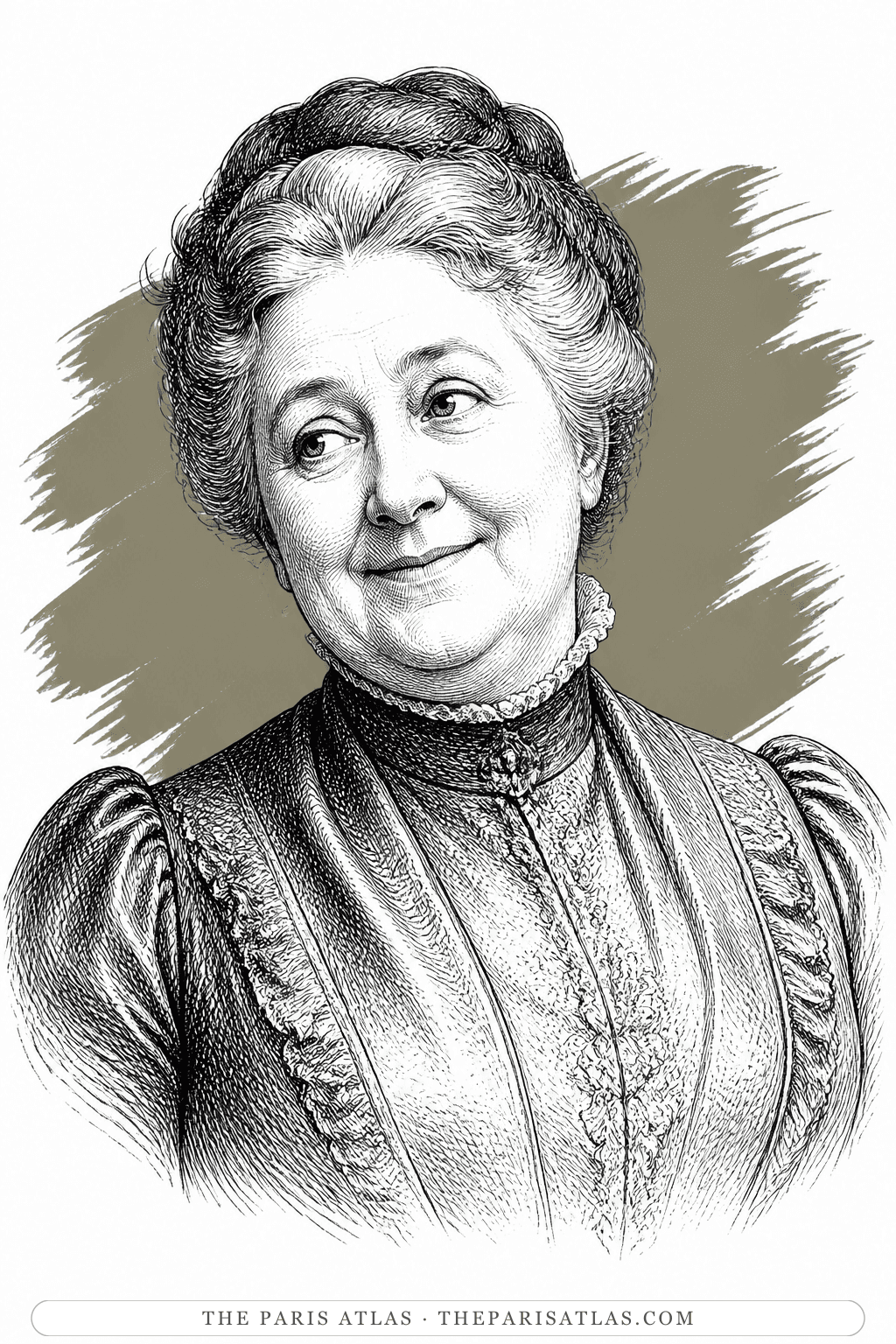
The country-house hostess. Kind, easily distracted, and unbothered by any argument that does not concern seating. Wilde uses her exact civility to make the play's confrontations more brutal, not less.

A witty, worldly young married woman who supplies most of the play's most quoted lines about men and marriage. Dares Illingworth to kiss Hester Worsley — the wager that sets the third-act crisis in motion.
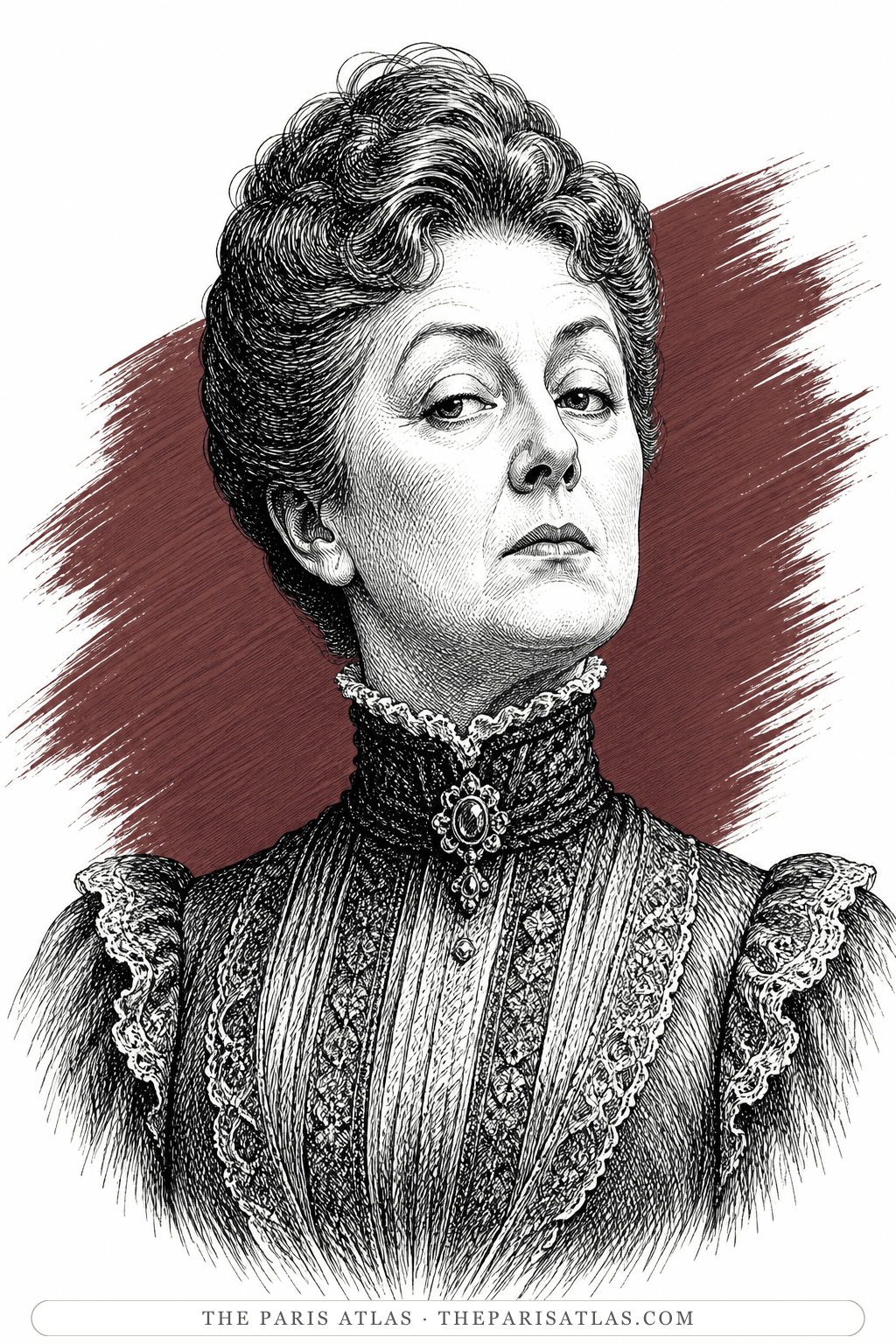
Lady Hunstanton's guest and Sir John's wife. Manages her husband as if he were a small household appliance and treats every unmarried woman as a project. A study in the female enforcement of the double standard the play attacks.
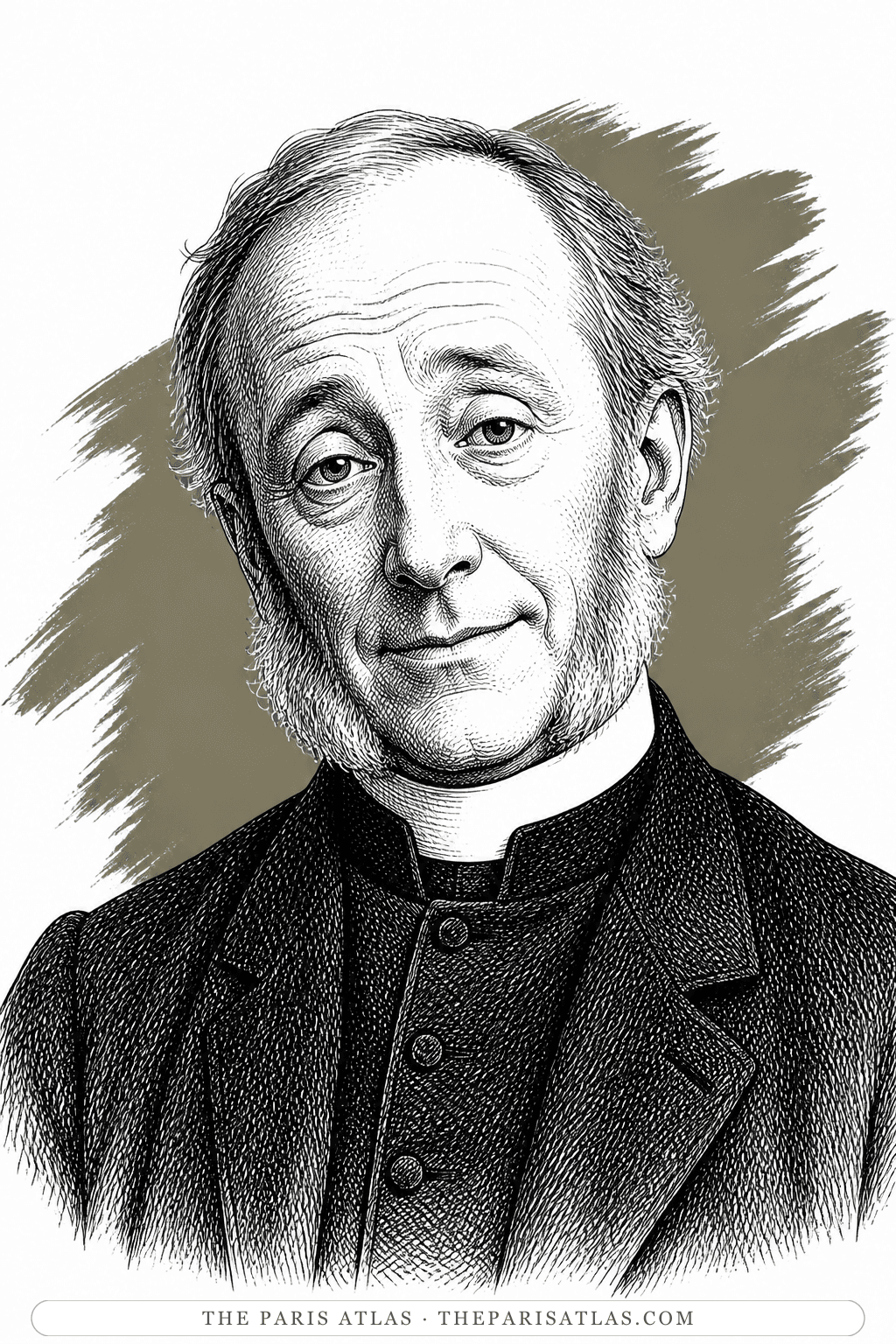
The country clergyman, whose long list of his wife Mrs Daubeny's ailments — deafness, blindness, memory loss — supplies the play's most quietly desperate comedy about Victorian marriage.
1892
Oscar Wilde writes A Woman of No Importance at Felbrigg, in Norfolk, immediately after the success of Lady Windermere's Fan.
19 April 1893
The play opens at the Haymarket Theatre in London, produced by and starring Herbert Beerbohm Tree as Lord Illingworth. It runs for 118 performances.
1894
John Lane publishes the first book edition, prepared from Wilde's revised prompt-book.
1907–1953
Regular English-language revivals in London and New York, including a well-reviewed 1953 Vaudeville Theatre production directed by Michael Benthall.
Modern editions
Editors continue to publish the play alone and in Wilde's collected works; the New Mermaids and Norton critical editions supply performance history and textual notes.
A society comedy in which a young wife suspects her husband, an excluded woman returns, and a fan becomes evidence that tells the wrong story.
Read our take
A political comedy about blackmail, a fortune built on a secret, and the damage caused by demanding moral perfection from another person.
Read our takeThe play brings Rachel Arbuthnot together at an English country house with Lord Illingworth, the wealthy man who seduced and abandoned her twenty years before. Their son Gerald is now being offered a career as Illingworth's private secretary — without knowing the connection. The four acts turn a light society comedy into a direct argument about the double standard that made Rachel a social outcast and left Illingworth a peer.
The play opened at the Haymarket Theatre in London on 19 April 1893, produced by Herbert Beerbohm Tree, and ran for 118 performances. John Lane published the first book edition, prepared from Wilde's revised prompt-book, in 1894.
Lord Illingworth calls Mrs Arbuthnot 'a woman of no importance' in the first act. In the last act, after refusing his proposal of marriage and striking him with his own glove, she uses the same phrase back — of him. Wilde reverses his own title in the play's final line.
Both, deliberately. The first two acts belong to Wilde's country-house comedy of manners, epigrams and cross-purposes. The third and fourth acts break that surface for an argument about seduction, illegitimacy, and social hypocrisy that the comedy had been holding back. The mixed form is the point — it is what makes the play's argument land.
It sits between Lady Windermere's Fan (1892) and An Ideal Husband (1895) in the sequence of Wilde's social comedies. Lady Windermere's Fan handles a similar 'fallen woman' plot with a reconciliation the newer play refuses; An Ideal Husband picks the argument back up at a higher political register. The Importance of Being Earnest (1895) is the outlier — pure farce.
No single character is drawn from a single real person. The argument between Mrs Arbuthnot and Lord Illingworth is Wilde's own, developed from his interest in the double standard applied to men and women in Victorian society. Herbert Beerbohm Tree, who produced the first run, played Illingworth himself.
In the final act, Lord Illingworth comes to propose marriage to Mrs Arbuthnot — twenty years late — because he now wants his son. She refuses. As he leaves, she takes up the glove he has placed on the table and strikes him across the face with it. The stage direction is one of the most quoted moments in Wilde's theatre.
Explore authors with a similar voice, perspective, and influence.

Both writers use style, performance, and social comedy to examine the roles assigned to women, artists, and people whose private lives do not fit public rules.
View author
The doctor of the Paris slums who wrote the century's blackest, funniest novel — and changed the sound of French prose.
View author
The Brooklyn dropout who arrived in Paris broke at thirty-eight and wrote the exuberant, banned books that ended American censorship.
View authorThe sources below include the primary text, editions, scholarship, archival materials, and other records that informed this page. They document A Woman of No Importance, its publication, and its place in literary history.


The primary text represented by this page, used for descriptions of the work’s contents and for any quoted passages shown here.
Selected recognition and closing scenes in acts II and IV; not a performance or edition comparison.

Used to place A Woman of No Importance within Oscar Wilde's published work and verify its bibliographic context.
Used for independent biographical, archival, or historical context surrounding Oscar Wilde's career and the period in which A Woman of No Importance appeared.
Used to cross-check authorship, chronology, and the work's place in Oscar Wilde's wider catalogue.
Used to verify Oscar Wilde's bibliography and place A Woman of No Importance within the broader chronology of Oscar Wilde's career.
The primary text is the baseline reference for every book page. Additional references document publication history, interpretation, and historical context where that evidence is available.
 Explore more resources