
The Happy Prince and Other Tales
Five literary fairy tales about generosity, vanity, friendship, poverty, and the cost of seeing other people's suffering.
Read our take
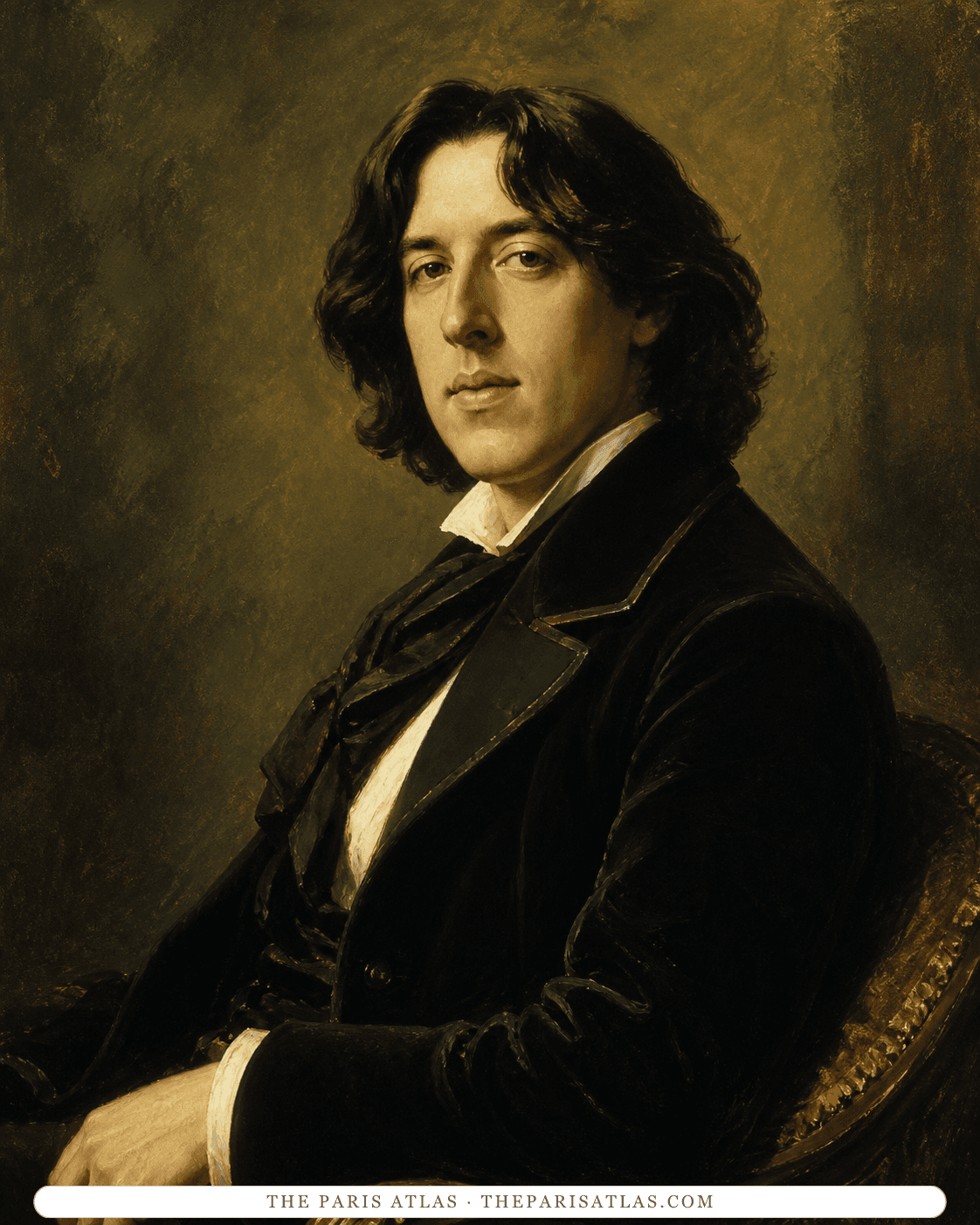
by Oscar Wilde
Four darker literary fairy tales about sacrifice, beauty, art, poverty, and the harm done when one life is valued above another.
Oscar Wilde's second book of literary fairy tales, published in November 1891 as a companion volume to The Happy Prince and Other Tales but written for older readers. Four long stories — The Young King, The Birthday of the Infanta, The Fisherman and His Soul, The Star-Child — put beautiful objects and royal settings around characters forced, one after another, to see the human cost paid for their comfort or their coronation robes.
Wilde dedicated the book to his wife Constance, and dedicated each of the four tales separately to a different woman — Margaret Elizabeth Sackville-West, Mrs William H. Grenfell, H.S.H. Alice, Princess of Monaco, and Miss Margot Tennant. The first edition was designed and illustrated by Charles Ricketts and Charles Shannon, who made the physical book — its ornate binding, its capital letters and endpapers — part of its argument about beauty and the labour behind it.
The tales are harsher than the earlier Happy Prince collection and more elaborate in their language. Reviewers who expected another children's book were troubled; Wilde replied in a public letter to The Speaker in December 1891 that the tales were meant for readers of any age with a taste for what he called 'delicate ornamental fantasy.' The book failed commercially in his lifetime and now sits, quietly, in the direct line between Hans Christian Andersen and every later fable that takes its cruelty seriously.
Each story stages the same recognition in a different key: a coronation robe woven by dying weavers, a court dwarf who dies of self-knowledge, a fisherman who cuts loose his soul for a love the church cannot approve, and a proud beautiful child who denies his own mother at the door. What varies is how the recognition arrives, whether it arrives in time, and what the world does to the person who has it.
The Young King. A shepherd boy who has been living with a goatherd is revealed to be the dying king's illegitimate grandson and brought to the palace to prepare for his coronation. Sensitive to beauty, he commissions elaborate coronation robes — spun gold, rubies from a mine, pearls dived for at sea. On the night before the ceremony he dreams three dreams: the weavers dying at their looms to make the robe, a boy drowning at the end of a diving rope to fetch a single pearl, and enslaved men killed by fever in the ruby mine. He wakes and refuses to wear the robes, going to his coronation in his shepherd's rags and a crown of briars.
The Birthday of the Infanta. The twelve-year-old daughter of the King of Spain is celebrating her birthday at court. The entertainments include a dwarf brought from the forest, whom the courtiers have taught to dance. The Infanta throws him a white rose. He runs into the empty palace looking for her and passes a mirror for the first time in his life. Realising he is ugly and grotesque, and that everyone in the garden had been laughing at him, he dies of a broken heart. The Infanta, told of his death, tells her attendants that in future those who come to play with her must have no hearts.
The Fisherman and His Soul. A young fisherman catches a Mermaid in his nets and releases her in exchange for her singing over his boat. He falls in love with her, and to be with her he agrees to send away his Soul, which she cannot love. The Priest denounces him; a Witch on the mountain performs the ritual that separates them. Each year the Soul returns to the shore and tries to tempt him back with tales of wisdom, then wealth, then the beauty of a dancing girl. The third temptation works. When he finds his Mermaid dead in the tide, his heart breaks with hers. Strange flowers grow from his grave, and the Priest — who had refused to bury him in the churchyard — is left to reconsider what he had condemned.
The Star-Child. Two woodcutters find a golden-starred baby wrapped in a cloak in a snowdrift. One takes him home. The Star-Child grows up strikingly beautiful and utterly cruel — mocking the poor, torturing small animals, driving out a leprous beggar-woman who claims to be his mother. He is instantly disfigured into a toad-like ugliness and cast out of the village. He wanders for years searching for the woman he denied, doing penance. In a distant city he is enslaved by a Magician, refuses to steal for him, and finally rescues a leper who is the disguised king of the land. His mother appears, he embraces her, and she and the leper reveal themselves as the king and queen of that country. His beauty is restored; he rules justly, and dies after three years.
Each dream in “The Young King” returns the suffering of strangers to something made for his coronation. The mirror at the ruby mine makes that relation explicit: he sees himself as the beneficiary, not merely a compassionate witness. His refusal therefore breaks with his own appetite for beautiful things. Yet Wilde complicates the gesture when a man in the crowd argues that the poor depend on wealthy buyers. Rejecting the garments does not by itself answer that dependence. The final transformation of staff and briars offers beauty without the dreamed exploitation, vindicating the boy's refusal through a miracle rather than showing how the kingdom's ordinary labor could be reorganized.
The Fisherman does not drive out a visible monster: the shadow he cuts away rises as his own double. Before the separation, the Soul asks for a heart to protect it against the world's cruelty, but he reserves his heart for the Mermaid. Love for one being thus accompanies a refusal of mercy toward another. The Soul's later account of learning evil without a heart recalls that original exclusion. Its explanation need not excuse the violence it encourages; it makes the division harder to treat as innocent body against corrupt spirit. When the Fisherman cannot cut the Soul away a second time, disowning part of himself is no longer an available escape.
It is Wilde's second fairy-tale book and the more grown-up one — the collection where the ornate style stops being decoration and becomes the argument.
Read The Happy Prince and Other Tales first for the same author in a warmer, simpler key, then this for the sharper version.
The Fisherman and His Soul is one of the strangest and most beautiful stories Wilde ever wrote — a fifteen-thousand-word fairy tale of a young man giving up his soul for a mermaid, and being tempted back by that soul across three years and three visits. Nothing in his shorter fiction reaches it.
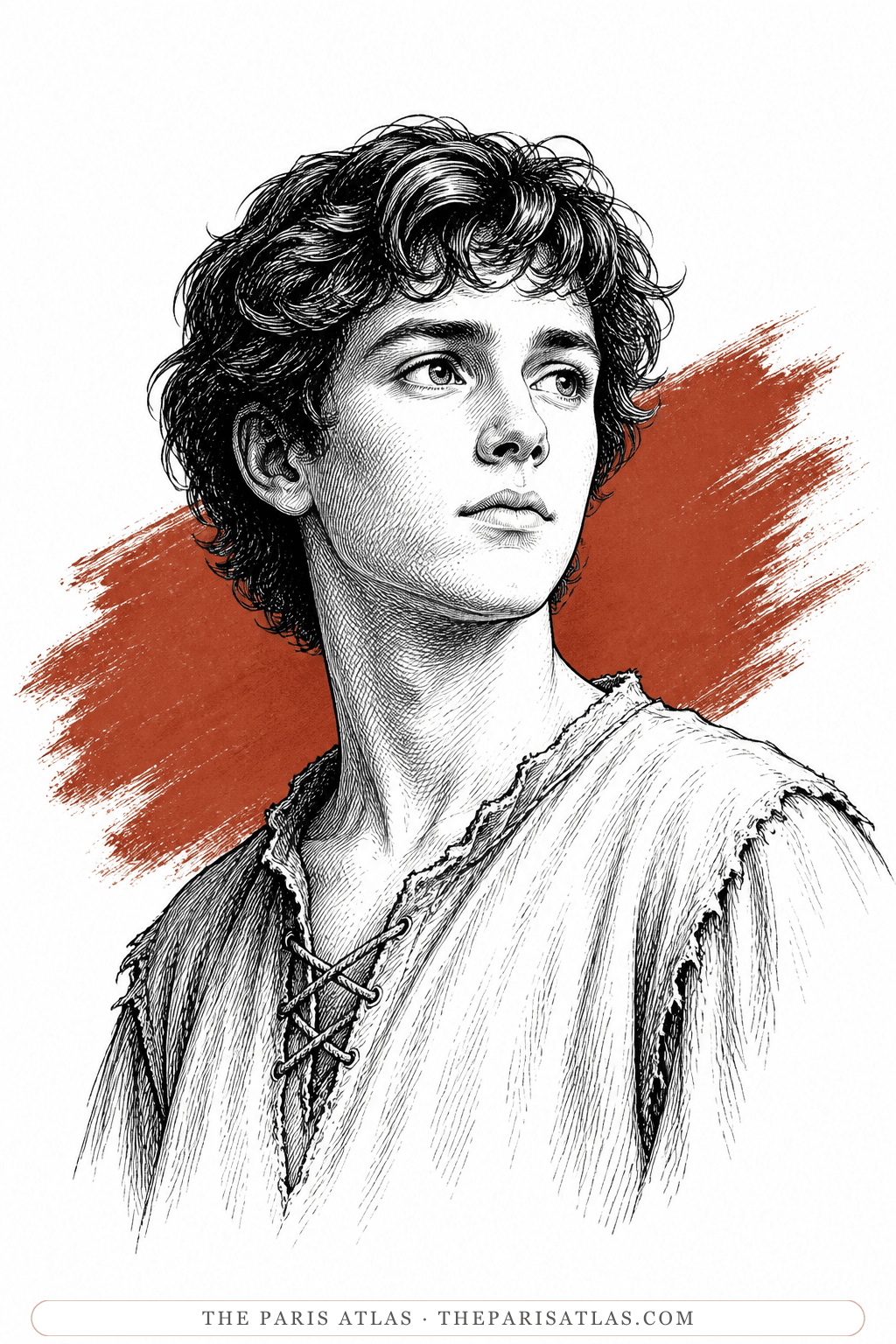
The unnamed sixteen-year-old shepherd whose royal descent is discovered a year before his coronation. His three dreams of weavers, divers, and miners dying to make his crown and robes force him to refuse the ceremony they were made for.
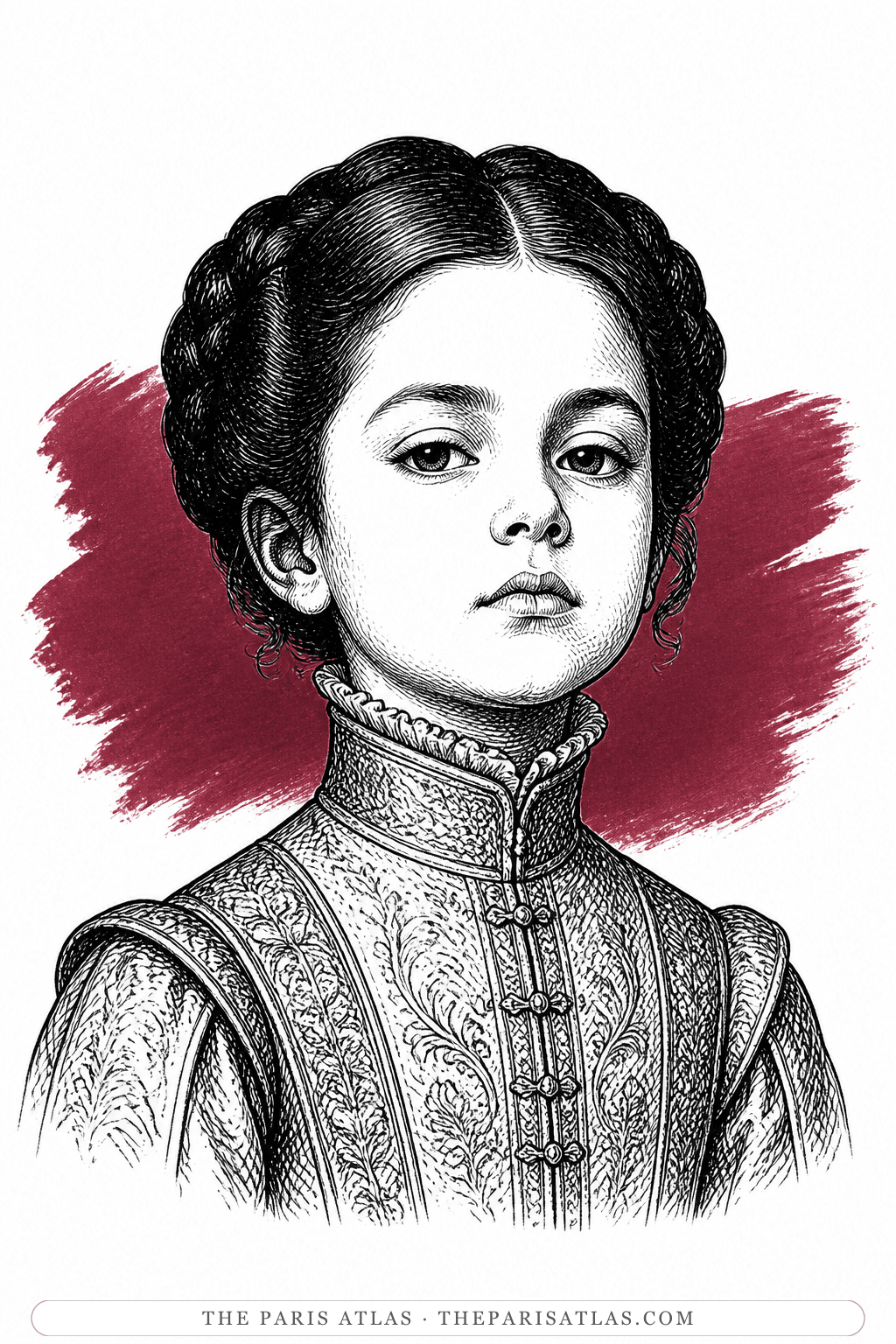
The twelve-year-old daughter of the King of Spain — small, doll-like, indulged, and, by the end of the story, coldly cruel. Wilde does not decide whether her cruelty is her own or the court's, and does not tell the reader which reading is right.
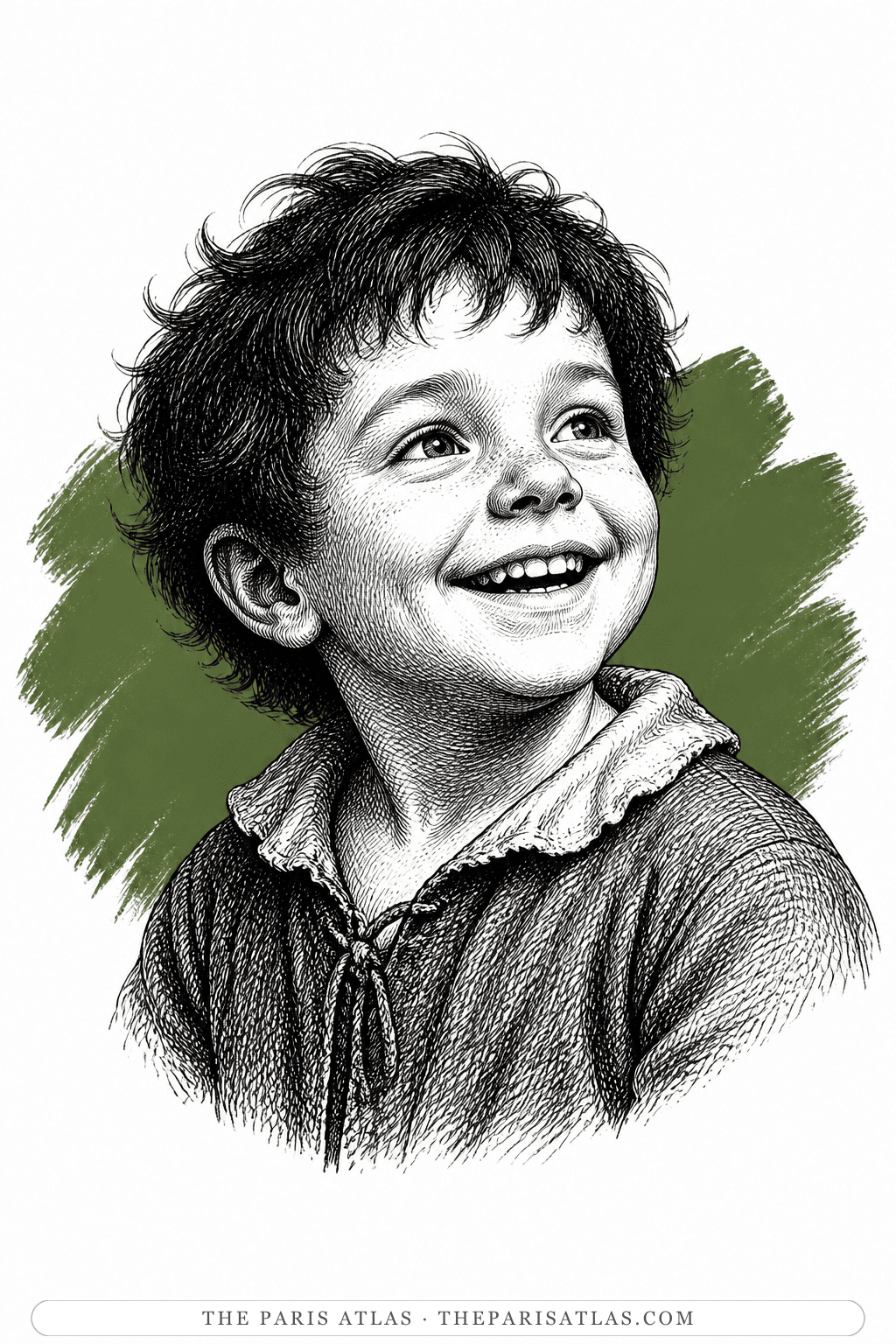
The forest child brought to court to dance for the Infanta's birthday, without warning about what a mirror would show him. Wilde gives him the story's only moment of true joy, and then the room in which he learns he cannot have it.

A young man who falls in love with a Mermaid he has caught in his nets and sends his own Soul away to be able to live with her. Three temptations later, he is on the shore with her body in his arms.

The sea-woman the Fisherman catches and cannot let go — because she sings from the tide each night, and because she cannot love a body that carries a human soul.
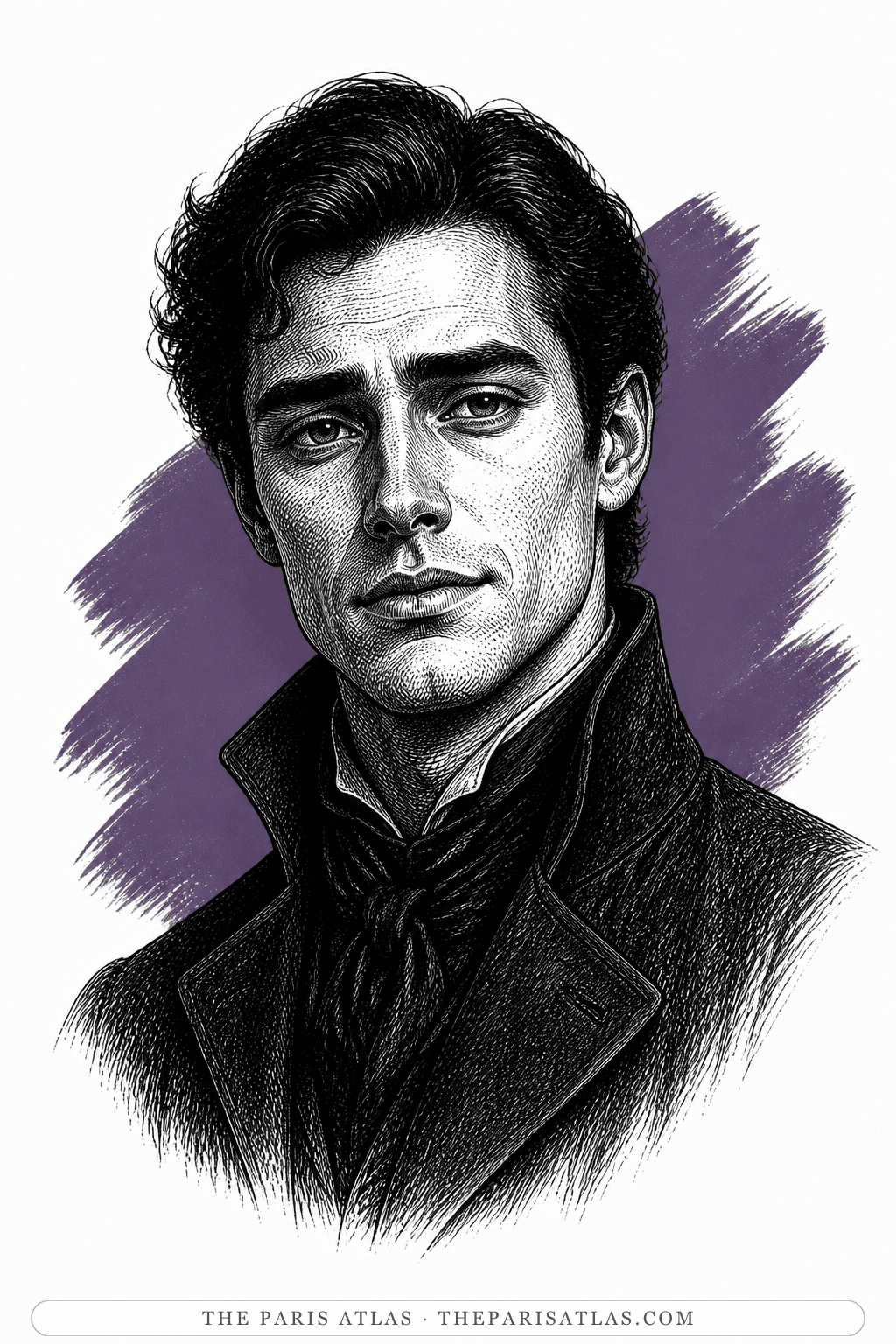
The Fisherman's Soul, personified and cast off after the Witch's ritual. Returns every year with three temptations — wisdom, wealth, and the beauty of a dancing girl — while the Fisherman waits by the sea for the Mermaid.
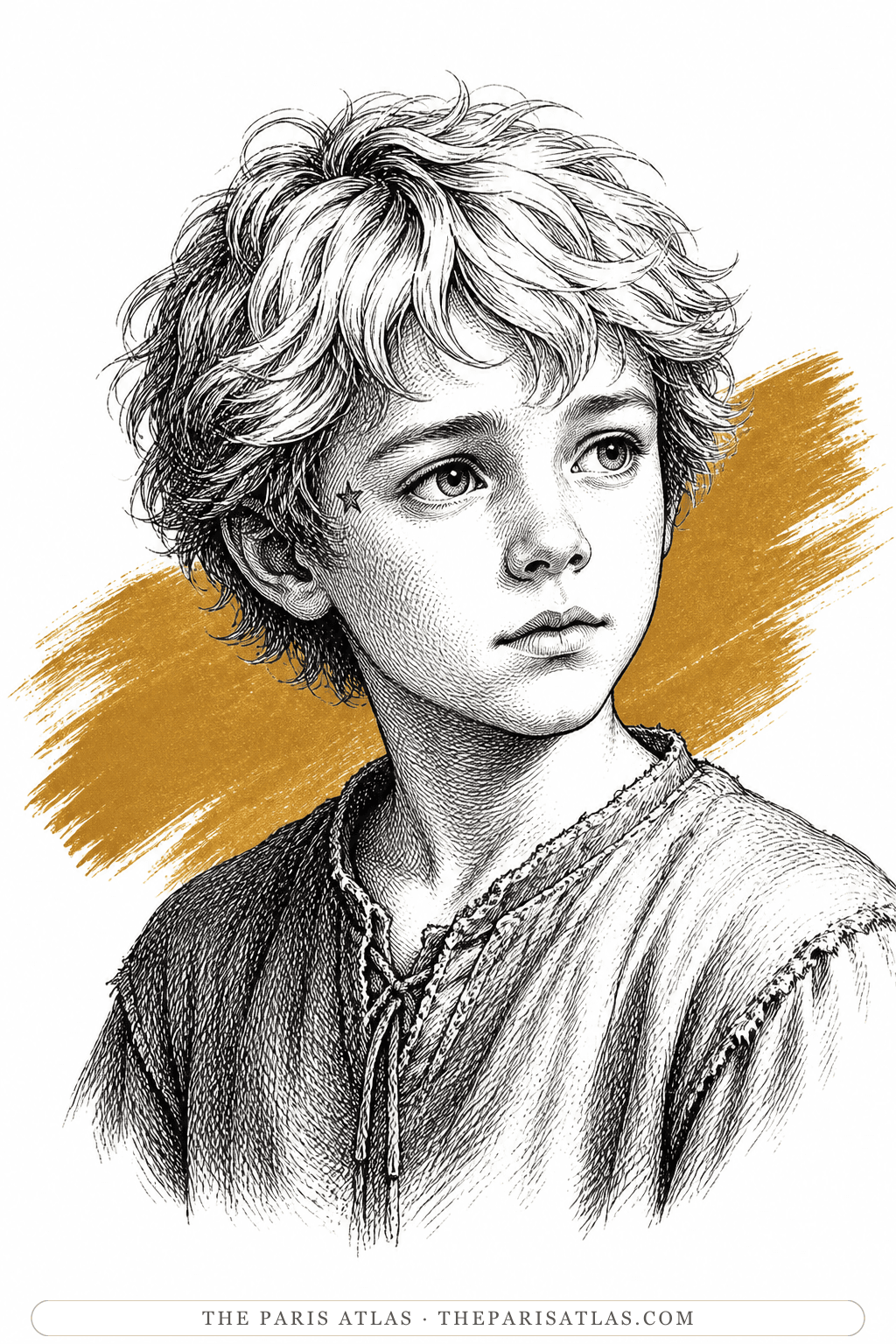
The beautiful, star-marked boy found in a woodcutter's snowdrift and raised as his own. Cruel until the beggar-woman at his door proves to be his mother; ugly and disfigured until years of penance and one act of kindness undo it.
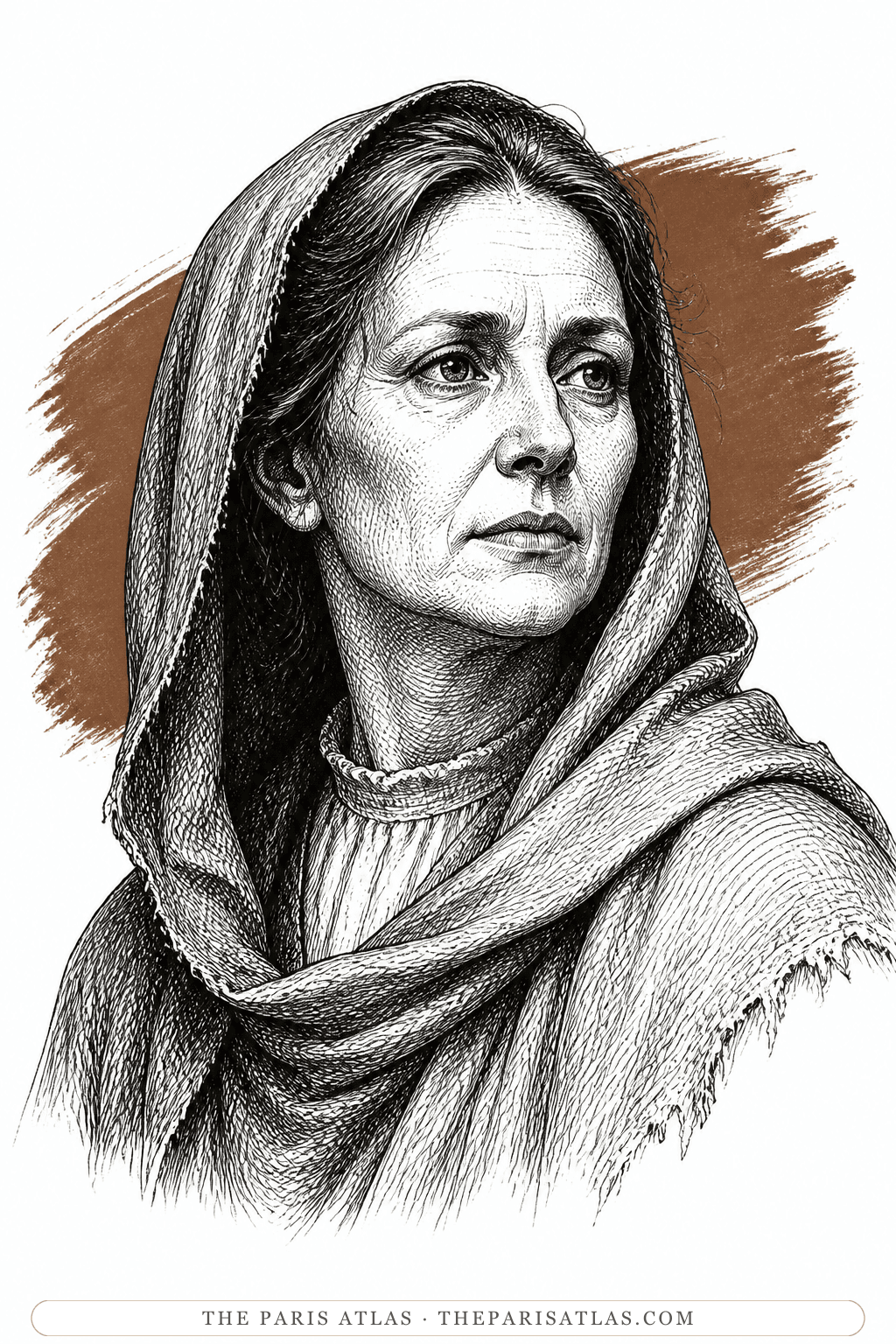
The leprous stranger who arrives at the Star-Child's door claiming to be his mother, is refused, and is later revealed — with the story's leper — as the queen of a distant land.
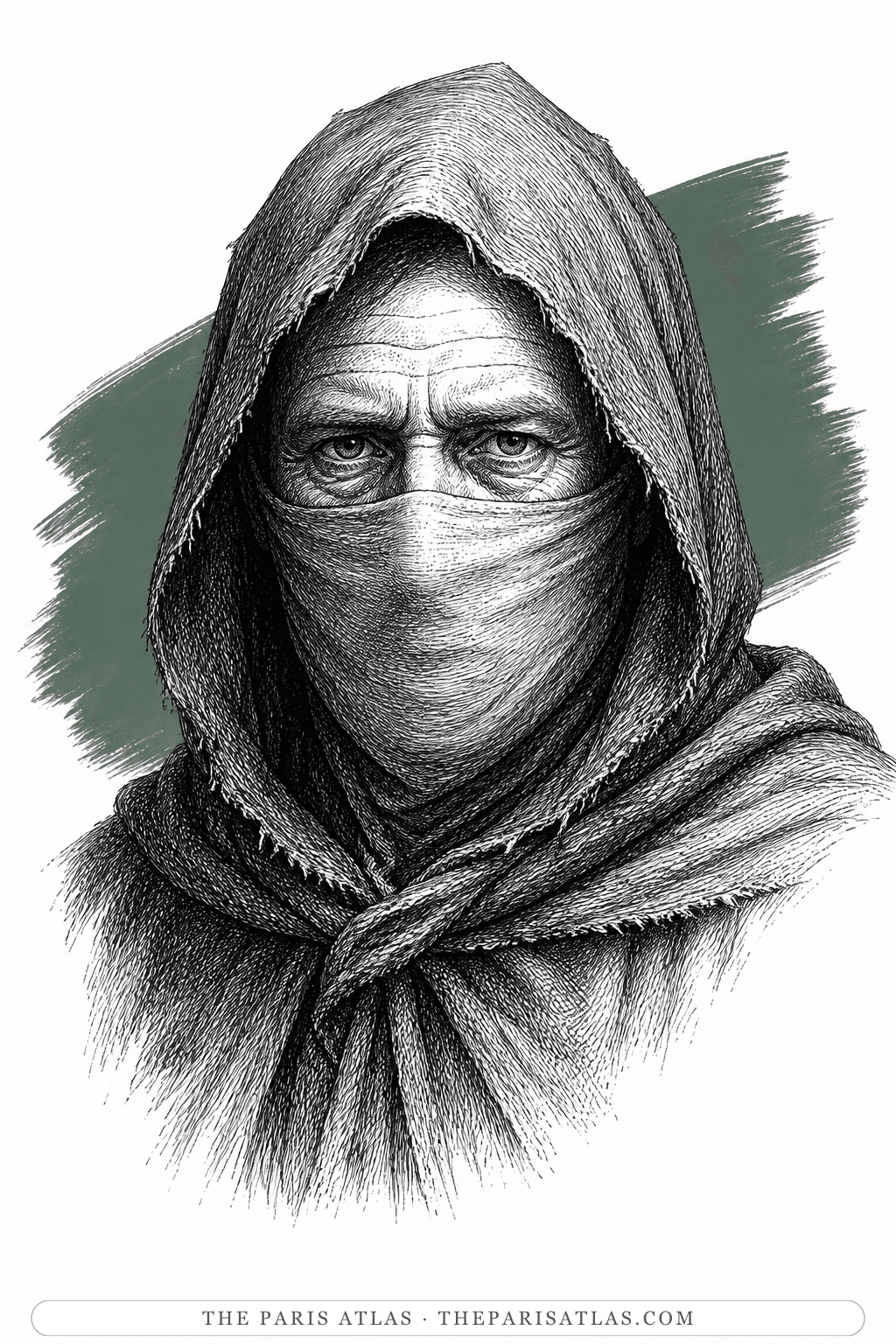
The masked, disfigured king who watches over the Star-Child's penance without revealing himself. His identity is disclosed only when the Star-Child, at last, chooses mercy over gain.
1888
The Happy Prince and Other Tales, Wilde's first fairy-tale book, appears from David Nutt in London.
1889–1891
Wilde writes the four long tales that will make up A House of Pomegranates, publishing 'The Young King' and 'The Birthday of the Infanta' first in periodicals.
November 1891
James R. Osgood, McIlvaine and Company publish A House of Pomegranates in London, designed and illustrated by Charles Ricketts and Charles Shannon, dedicated to Constance Wilde.
December 1891
Wilde replies in a public letter to The Speaker to reviewers who had complained the book was too elaborate for children, arguing it was not written for them.
1892
Copeland & Day publish the first American edition in Boston.
Modern editions
The tales continue to be printed in Wilde's collected works and in stand-alone illustrated editions; scholarly editions restore Ricketts and Shannon's original layout.
Five literary fairy tales about generosity, vanity, friendship, poverty, and the cost of seeing other people's suffering.
Read our take
An essay arguing that poverty should be ended by changing property relations, not managed through charity, so each person can develop freely.
Read our takeOscar Wilde's second book of literary fairy tales, published in November 1891 as a companion volume to The Happy Prince and Other Tales. The four stories — The Young King, The Birthday of the Infanta, The Fisherman and His Soul, and The Star-Child — put beautiful objects and royal settings around characters who are forced to see the human cost of their own privilege. It is the harsher, more grown-up of Wilde's two fairy-tale books.
Four long tales, in the order Wilde arranged them: The Young King (a shepherd boy who refuses his coronation robes after dreaming of the people dying to make them), The Birthday of the Infanta (a Spanish princess whose court has taught a forest child to dance for her, and who discovers he has died of a broken heart), The Fisherman and His Soul (a young man who sends his own Soul away to live with a mermaid), and The Star-Child (a beautiful cruel boy who denies his mother at the door and must spend years finding her again).
London publisher James R. Osgood, McIlvaine and Company brought the first edition out in November 1891, designed and illustrated by Charles Ricketts and Charles Shannon. Copeland & Day published the first American edition in Boston in 1892.
The Happy Prince and Other Tales (1888) was written to be read to children; A House of Pomegranates was not. The four tales here are longer, more elaborate in language, and unrelieved by the earlier collection's warmth. Wilde replied to critics who complained about that difference in a public letter to The Speaker in December 1891, saying the tales were meant for anyone with a taste for what he called 'delicate ornamental fantasy.'
The Happy Prince stories are; A House of Pomegranates is not. The four tales here contain suicide, enslaved labour, torture of animals, and a child's death from a broken heart, and are told in a decorated prose that expects a patient reader. Adults find the harshness lands; children usually find the sentences too long.
Charles Ricketts and Charles Shannon — the London artists and typographers whose Vale Press was one of the finest small British presses of the 1890s. Their design of the book, including its binding, capital letters, and full-page illustrations, was made to serve as part of the book's meaning, not decoration attached to it.
The book's general dedication is to Constance Wilde, Oscar Wilde's wife. Each of the four tales carries its own dedication: The Young King to Margaret Elizabeth Sackville-West, later Lady Sackville; The Birthday of the Infanta to Mrs William H. Grenfell (Ettie Grenfell, later Lady Desborough); The Fisherman and His Soul to H.S.H. Alice, Princess of Monaco; The Star-Child to Miss Margot Tennant, later Margot Asquith.
Explore authors with a similar voice, perspective, and influence.
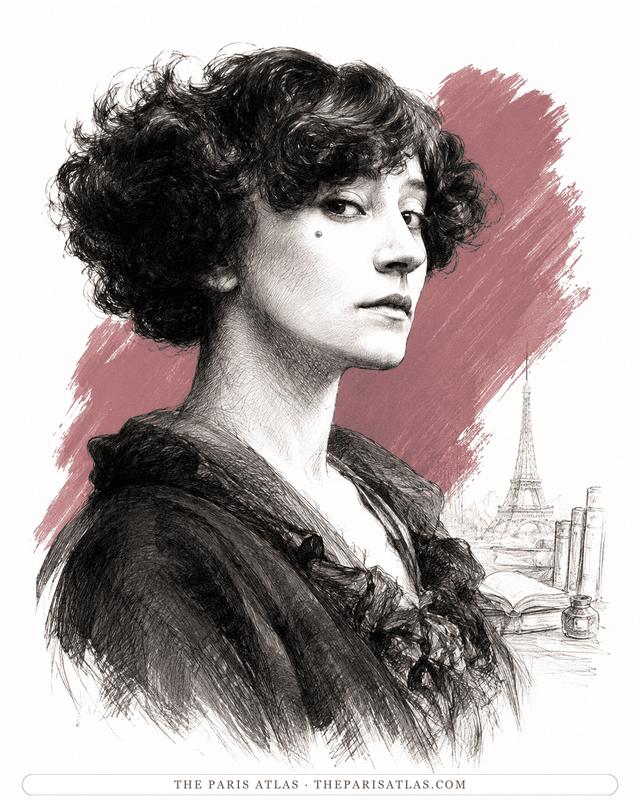
Both writers use style, performance, and social comedy to examine the roles assigned to women, artists, and people whose private lives do not fit public rules.
View author
The doctor of the Paris slums who wrote the century's blackest, funniest novel — and changed the sound of French prose.
View author
The Brooklyn dropout who arrived in Paris broke at thirty-eight and wrote the exuberant, banned books that ended American censorship.
View authorThe sources below include the primary text, editions, scholarship, archival materials, and other records that informed this page. They document A House of Pomegranates, its publication, and its place in literary history.


The primary text represented by this page, used for descriptions of the work’s contents and for any quoted passages shown here.
Primary text transcribed from the 1915 Methuen edition: The Young King and selected passages from The Fisherman and His Soul. Not a collation of the illustrated first edition.

Used to place A House of Pomegranates within Oscar Wilde's published work and verify its bibliographic context.
Used for independent biographical, archival, or historical context surrounding Oscar Wilde's career and the period in which A House of Pomegranates appeared.
Used to cross-check authorship, chronology, and the work's place in Oscar Wilde's wider catalogue.
Used to verify Oscar Wilde's bibliography and place A House of Pomegranates within the broader chronology of Oscar Wilde's career.
The primary text is the baseline reference for every book page. Additional references document publication history, interpretation, and historical context where that evidence is available.
 Explore more resources