

A House of Pomegranates
Four darker literary fairy tales about sacrifice, beauty, art, poverty, and the harm done when one life is valued above another.
Read our take
by Oscar Wilde
Five literary fairy tales about generosity, vanity, friendship, poverty, and the cost of seeing other people's suffering.
The Happy Prince and Other Tales contains five stories: 'The Happy Prince,' 'The Nightingale and the Rose,' 'The Selfish Giant,' 'The Devoted Friend,' and 'The Remarkable Rocket.' Wilde uses talking birds, statues, giants, gardens, and fireworks to tell adults and children how beauty can conceal suffering and how fine words can excuse selfish behavior. The book was Wilde's first prose collection and one of the founding volumes of the English literary fairy tale.
Wilde had been telling versions of the tales aloud for two or three years before they were printed — a common Victorian practice, and the reason the stories have the spoken rhythms and returning refrains they do. He wrote them for his own two young sons (Cyril born 1885, Vyvyan born 1886) as much as for the reading public, and the dedication of the 1888 book is to his wife Constance.
David Nutt published the collection in London in May 1888 with three illustrations by the Punch cartoonist Walter Crane and the Art Nouveau illustrator Jacomb Hood. It was Wilde's first prose fiction. The reviews were kind — the Athenaeum called the tales 'in prose which nowadays has few equals' — and the book made his name in a way the 1881 Poems had not.
A second volume, A House of Pomegranates, followed in 1891 with four longer and darker tales. The two books are often reprinted together as Wilde's complete fairy tales, but they belong to different phases. The Happy Prince is Wilde before Dorian Gray; A House of Pomegranates is Wilde after. The 1888 tales are what most English readers still know Wilde's fairy tales through.
'The Happy Prince' is the title story — a jewelled statue and a migrating swallow give away the statue's gold and rubies to the poor of the city until nothing is left. It ends with both the swallow and the leaden heart of the statue in a rubbish heap.
'The Nightingale and the Rose' is the collection's darkest tale — a nightingale gives her life to grow a red rose for a student in love with a professor's daughter, who then throws the rose into the gutter for a jeweller's ring. 'The Selfish Giant' is the most Christian — a giant who builds a wall around his garden to keep out children learns that spring will not come until he lets them back in.
'The Devoted Friend' is Wilde's sharpest study of exploitation dressed up as friendship — a rich Miller extracts labour, favours, and eventually the life of his poorer friend Little Hans by talking constantly about 'the beauty of true friendship.' 'The Remarkable Rocket' is a comic self-portrait — a firework so convinced of his own importance that he refuses to be lit, gets thrown away, and ends up as damp powder in a ditch, still narrating his own excellence.
The ruby's journey connects two views of the same dress: the seamstress's exhausting work and its wearer's complaint about delay. That contrast gives generosity a social setting, not merely a deserving recipient. The Swallow must learn to attend to a life outside his travel plans, while the Prince can help only by surrendering part of his admired appearance. The tale gradually separates public beauty from practical care; the authorities' later dismissal of the stripped statue exposes how little they understand its usefulness.
Spring returns with the children before the Giant understands his mistake. Nature has already rejected the boundary he treats as obvious and rightful. Yet the smallest child still cannot reach a branch: admission alone does not remove every obstacle. By lifting him, the Giant turns the strength that once frightened the children into assistance they can trust. His change becomes convincing through an action, then the demolition of the wall. The later invitation to another garden completes that reversal: the owner who excluded others becomes a welcomed guest.
The apparent simplicity makes Wilde's social criticism unusually easy to see.
It is the best first Wilde book for readers who prefer short fiction to a play or novel.
Wilde said he wrote the tales 'partly for children, and partly for those who have kept the childlike faculties of wonder and joy' — a claim every subsequent English children's writer has had to work around.
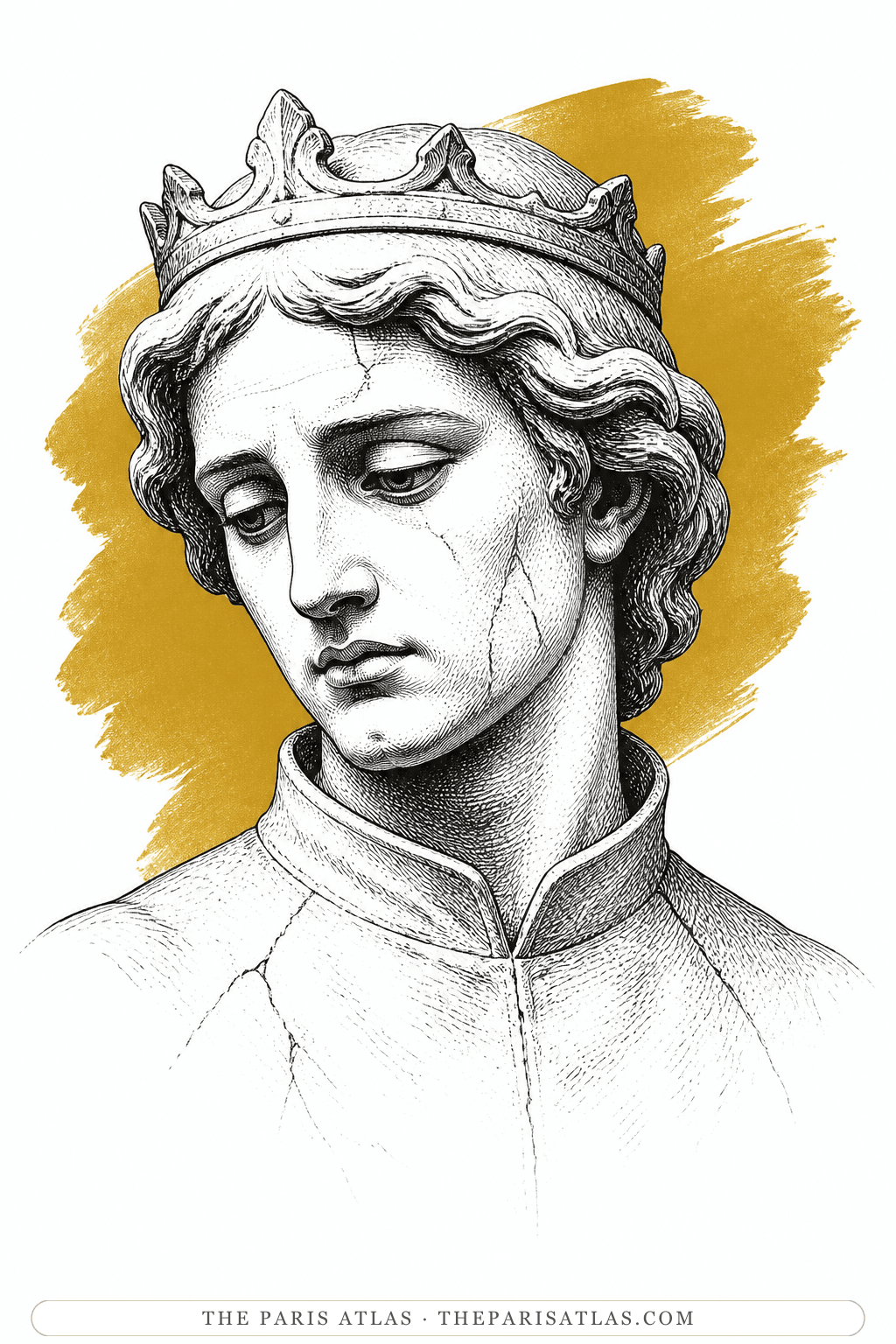
The jewelled statue of the title story, standing on a column above the city and seeing for the first time (now that he is dead and gilded) the poverty that had been hidden from him during his life. He asks a passing swallow to carry his gold leaf and jewels to the poor.
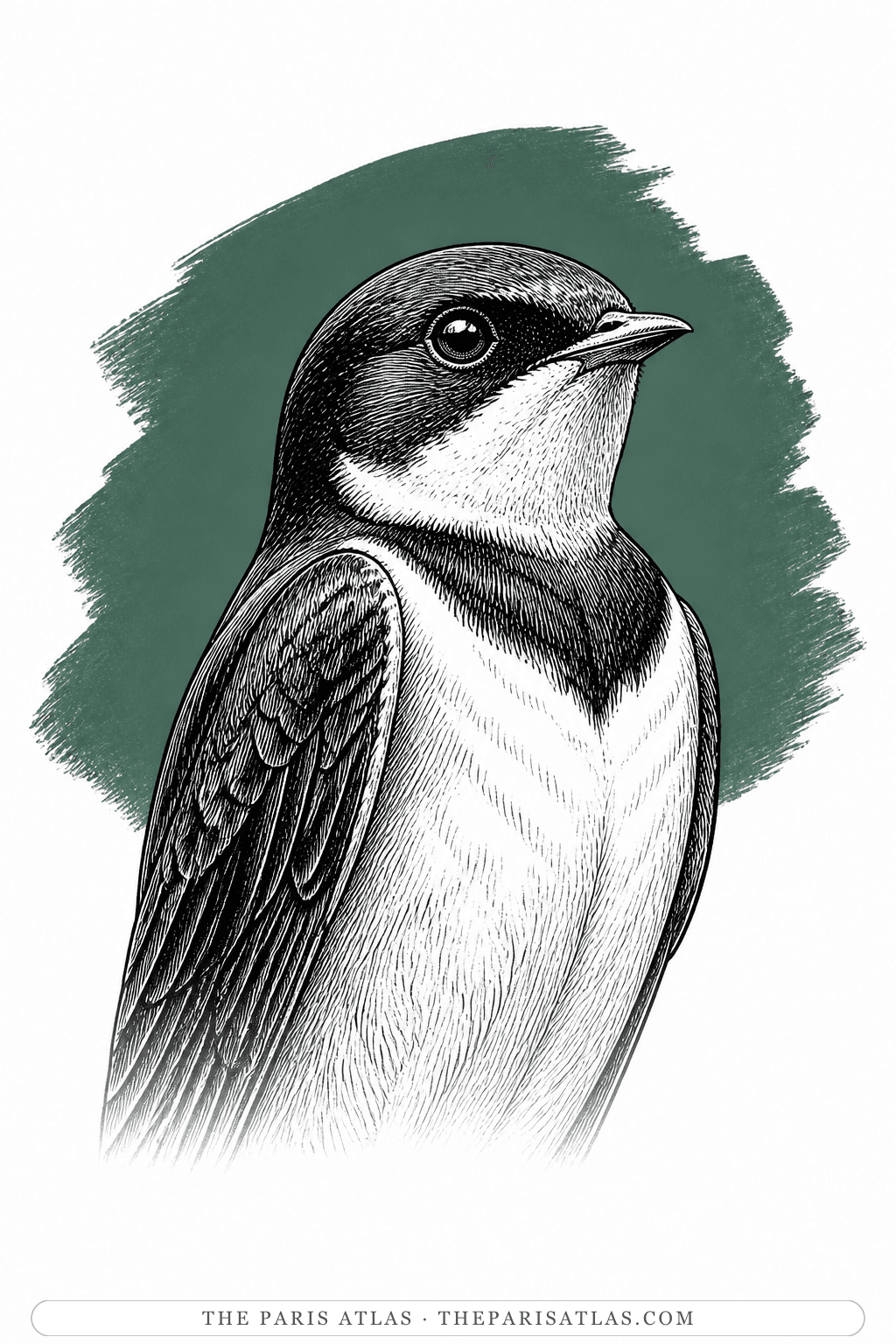
The migrating swallow the Happy Prince asks for help. He delays his flight to Egypt through the first cold nights, then through the coming winter, until he freezes at the Prince's feet. The Prince's leaden heart cracks in two at the same moment.
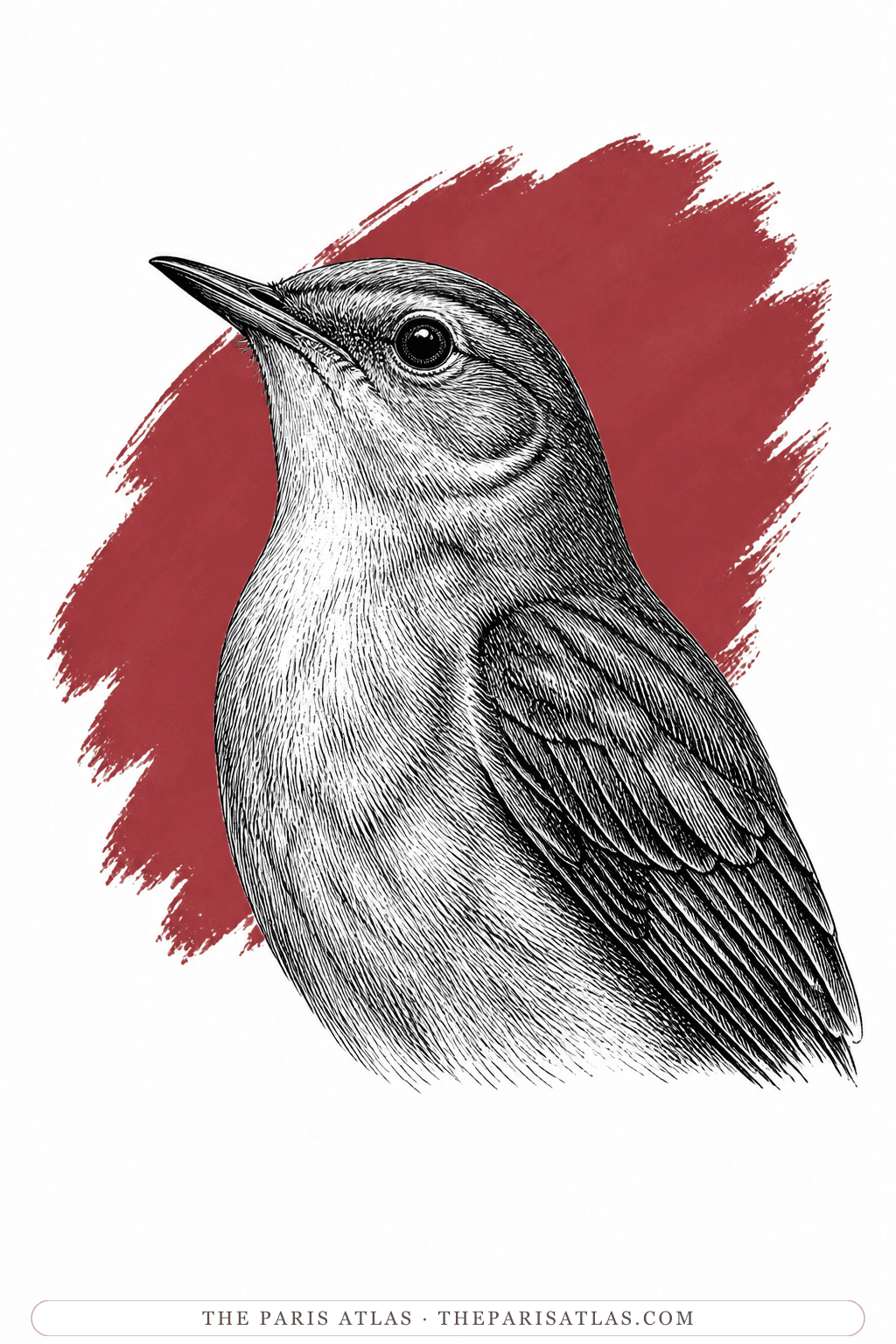
The nightingale of 'The Nightingale and the Rose,' who spends her life to grow a red rose for a student in love — the rose that the student then throws away. Wilde's darkest fairy-tale figure.
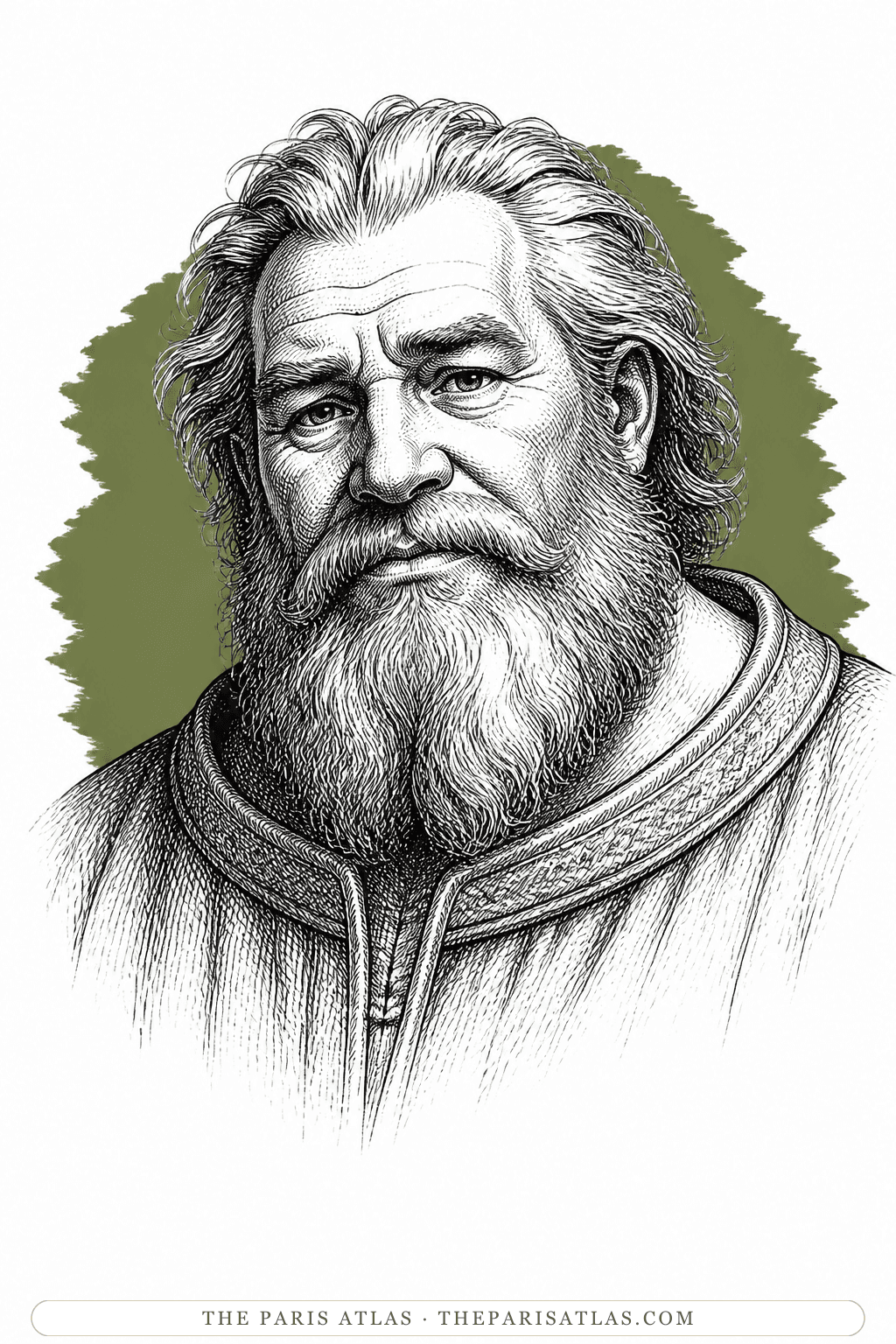
The giant of 'The Selfish Giant,' whose walled garden refuses spring until he lets the children back in. The tale's final image — the giant lying dead under a blossoming tree with the child-Christ standing over him — is the most explicitly Christian in Wilde's fairy tales.
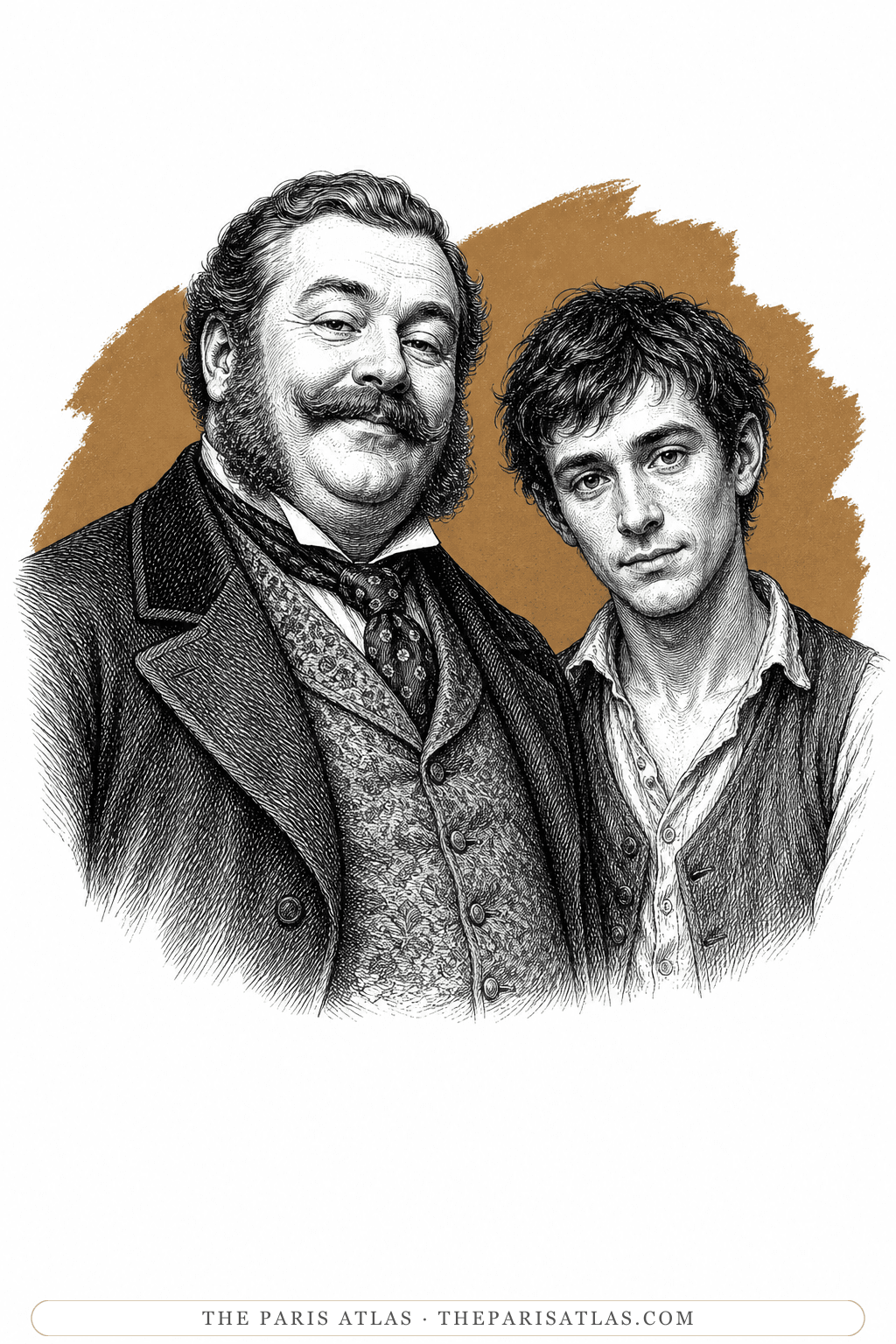
The two protagonists of 'The Devoted Friend' — a rich Miller who exploits his poor friend Hans while quoting maxims about the beauty of true friendship, and Hans, who dies fetching a doctor for the Miller's son at the Miller's insistence.
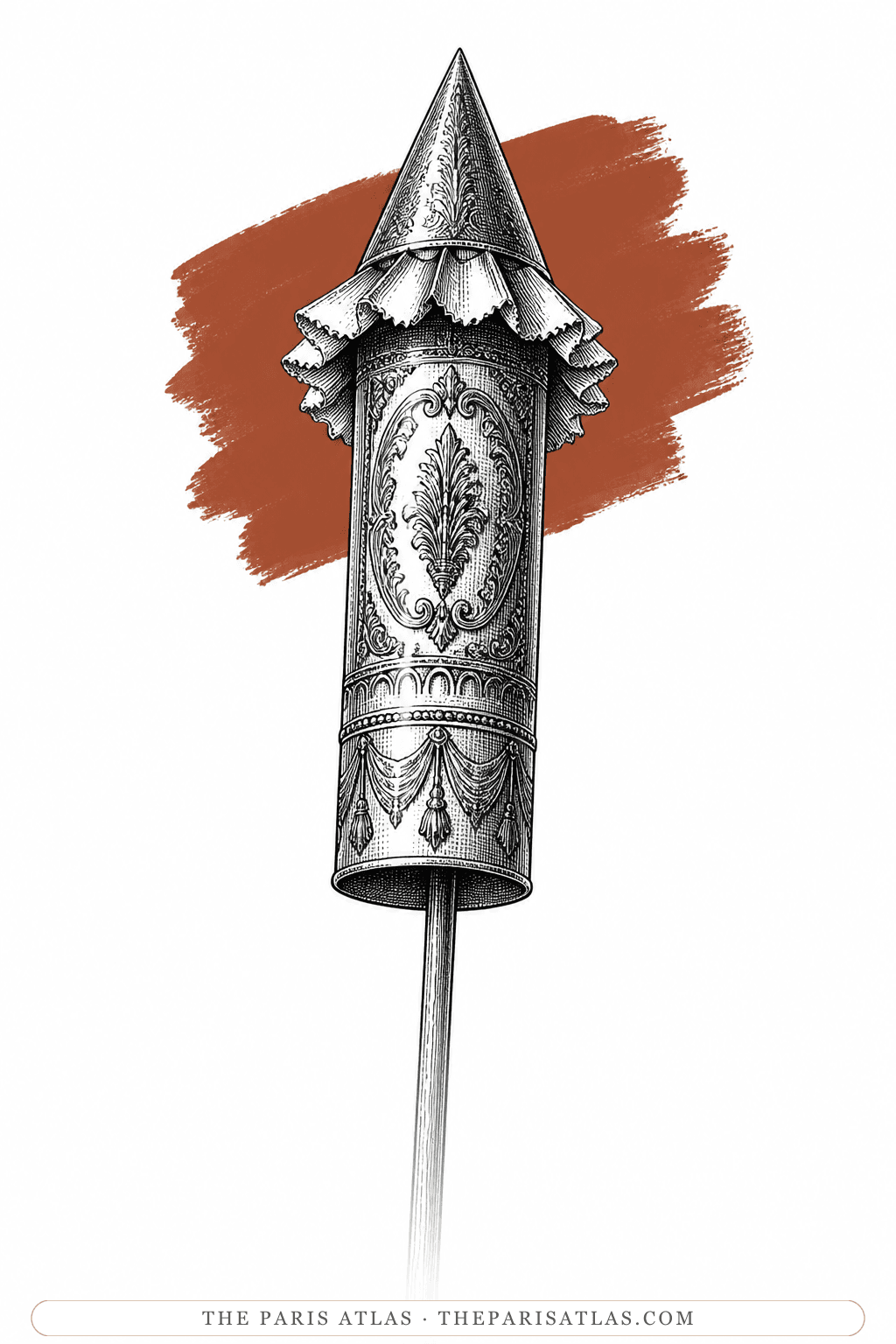
The firework of the final story, so convinced of his own importance that he refuses to be lit at the royal wedding, gets thrown away, and ends up damp powder in a ditch — still narrating his own excellence. The most autobiographical of the five tales.
1885–86
Wilde's sons Cyril (born 5 June 1885) and Vyvyan (born 3 November 1886) are born. He begins telling early versions of the tales aloud to them and to dinner guests.
May 1888
David Nutt publishes The Happy Prince and Other Tales in London with three illustrations by Walter Crane and Jacomb Hood.
1891
Wilde publishes A House of Pomegranates, his second and darker collection of fairy tales, through Osgood, McIlvaine and Company.
1908
Robert Ross includes the fairy tales in his standard Methuen collected edition of Wilde's works, using the 1888 text.
1946
Puffin Books issues the first cheap paperback edition of the tales as children's books, printing them beside Andersen and Grimm.
1974
British animator John Coates's short film of 'The Selfish Giant' is nominated for an Academy Award for Best Animated Short Film.
Four darker literary fairy tales about sacrifice, beauty, art, poverty, and the harm done when one life is valued above another.
Read our take
Comic and supernatural stories about murder as duty, a ghost who cannot frighten Americans, a secretless socialite, and a disputed Shakespeare portrait.
Read our takeWilde's 1888 collection of five literary fairy tales: 'The Happy Prince,' 'The Nightingale and the Rose,' 'The Selfish Giant,' 'The Devoted Friend,' and 'The Remarkable Rocket.' Wilde wrote them for his own two young sons and had been telling versions aloud for two or three years before they were printed.
Wilde said he had written them 'partly for children, and partly for those who have kept the childlike faculties of wonder and joy.' In practice they work at both levels — a child can follow the story of the swallow and the statue; an adult reads the same story as a study of how visible suffering is to the rich, and of what generosity costs.
A jewelled statue of a dead prince stands on a column above a city and, for the first time, sees the poverty his life had been shielded from. He asks a migrating swallow to carry away his gold leaf and jewels to the poor. The swallow delays his flight to Egypt through the cold nights and eventually freezes at the Prince's feet; the leaden heart of the statue cracks in two at the same moment.
It is Wilde's sharpest study of exploitation dressed up as friendship. The rich Miller extracts labour, favours, and eventually the life of his poorer friend Hans by constantly quoting maxims about 'the beauty of true friendship.' The tale is told inside a frame — a Linnet tells it to a Water-Rat — and ends with the Water-Rat furiously refusing to see himself in it. It is the most direct piece of social criticism in the collection.
They are Wilde's two collections of fairy tales, three years apart. The Happy Prince (1888) is Wilde before The Picture of Dorian Gray — short, clear, more directly told, five tales. A House of Pomegranates (1891) is Wilde after Dorian Gray — longer, more decorated, darker, four tales. The two collections are often reprinted together as Wilde's complete fairy tales, but they read as belonging to two different phases of his career.
Some more than others. 'The Selfish Giant' is the most explicitly Christian — its closing image of the giant found dead under a blossoming tree with the child-Christ standing over him is drawn directly from the Gospels. 'The Happy Prince' ends with an angel taking the leaden heart and the dead swallow to God. But Wilde's Christianity in the fairy tales is generous and non-doctrinal — the moral force comes from generosity, sacrifice, and the sight of hidden suffering, not from any specific theology.
Explore authors with a similar voice, perspective, and influence.
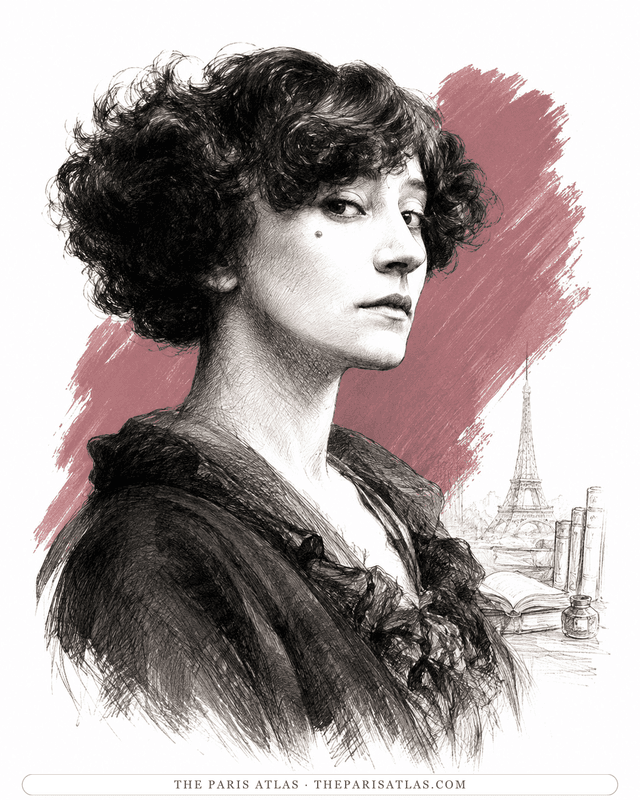
Both writers use style, performance, and social comedy to examine the roles assigned to women, artists, and people whose private lives do not fit public rules.
View author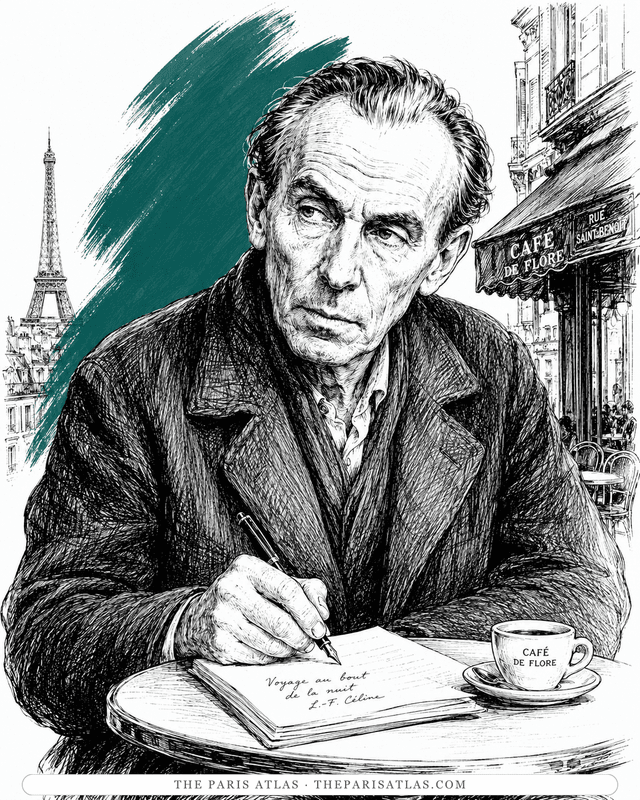
The doctor of the Paris slums who wrote the century's blackest, funniest novel — and changed the sound of French prose.
View author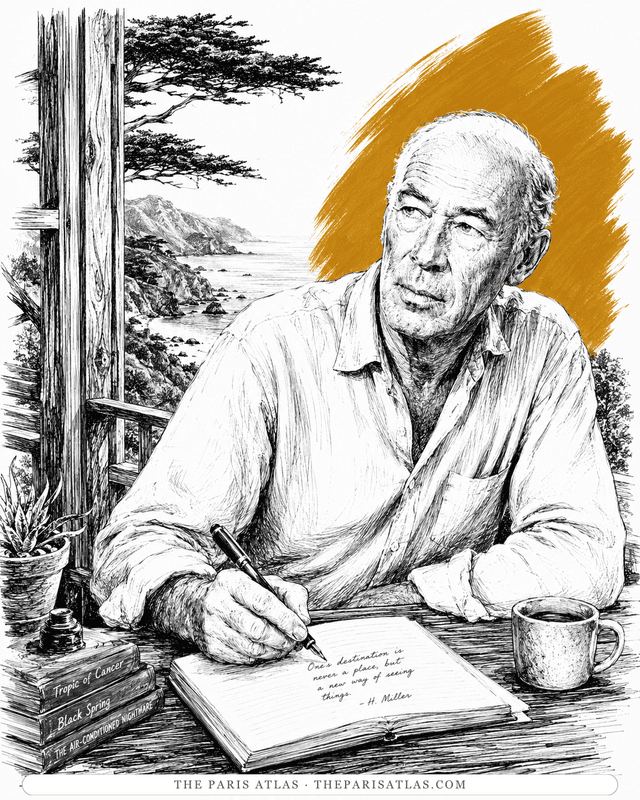
The Brooklyn dropout who arrived in Paris broke at thirty-eight and wrote the exuberant, banned books that ended American censorship.
View authorThe sources below include the primary text, editions, scholarship, archival materials, and other records that informed this page. They document The Happy Prince and Other Tales, its publication, and its place in literary history.

The primary text represented by this page, used for descriptions of the work’s contents and for any quoted passages shown here.
Primary 1910 text: title story and The Selfish Giant.

Used to place The Happy Prince and Other Tales within Oscar Wilde's published work and verify its bibliographic context.
Used for independent biographical, archival, or historical context surrounding Oscar Wilde's career and the period in which The Happy Prince and Other Tales appeared.
Used to cross-check authorship, chronology, and the work's place in Oscar Wilde's wider catalogue.
Used to verify Oscar Wilde's bibliography and place The Happy Prince and Other Tales within the broader chronology of Oscar Wilde's career.
The primary text is the baseline reference for every book page. Additional references document publication history, interpretation, and historical context where that evidence is available.
 Explore more resources