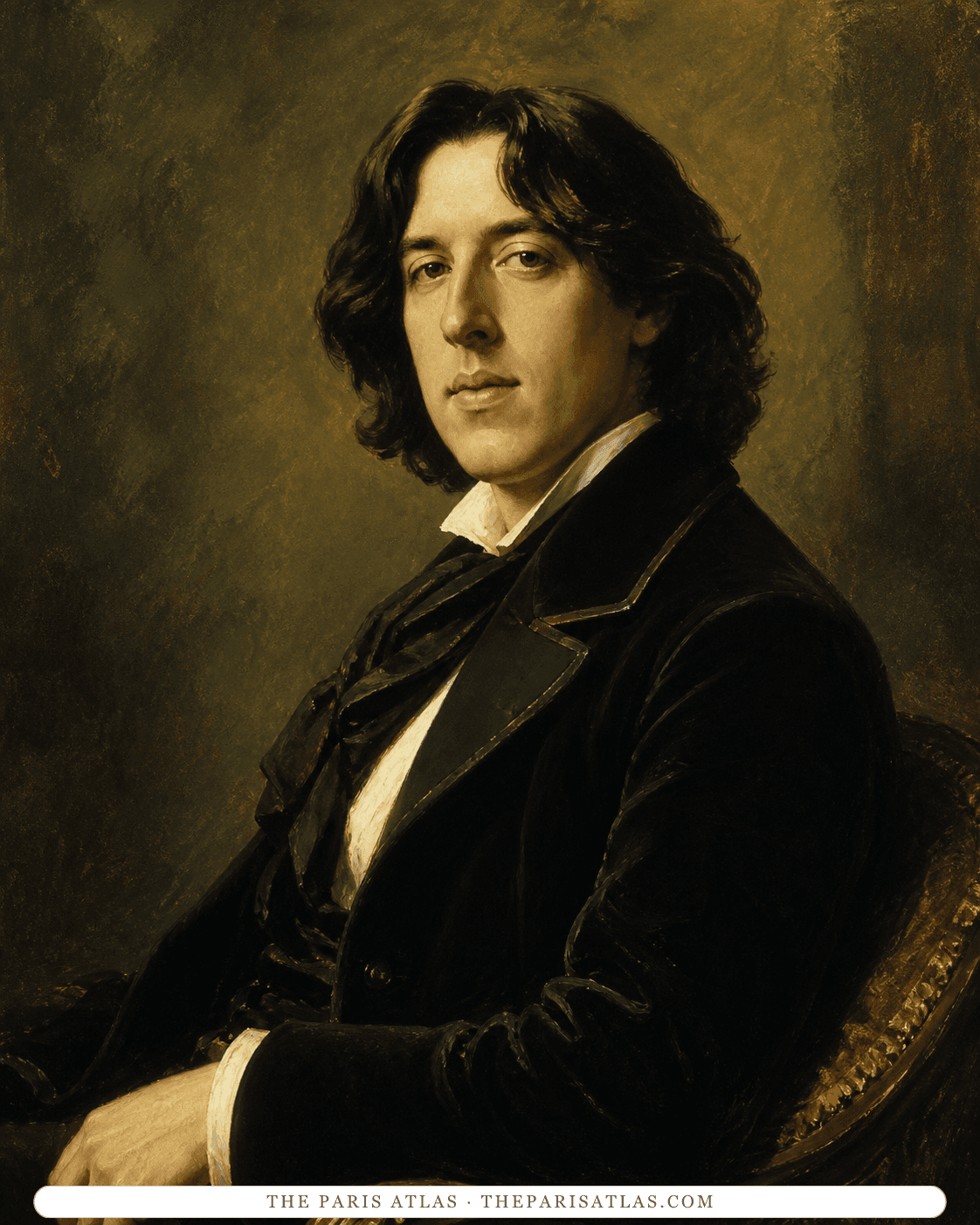

The Happy Prince and Other Tales
Five literary fairy tales about generosity, vanity, friendship, poverty, and the cost of seeing other people's suffering.
Read our take
by Oscar Wilde
Comic and supernatural stories about murder as duty, a ghost who cannot frighten Americans, a secretless socialite, and a disputed Shakespeare portrait.
Lord Arthur Savile's Crime and Other Stories gathers Wilde's comic and supernatural short fiction. The title story follows a gentleman who is told he will commit murder and decides he must do it before marriage. 'The Canterville Ghost' sends an American family into an English haunted house. 'The Sphinx Without a Secret' and 'The Model Millionaire' turn on social mysteries with no mystery inside them. The book was Wilde's second prose collection, published the same year as his novel and his essays.
Wilde had published the four short stories separately in three magazines between 1887 and 1891 — 'The Canterville Ghost' in The Court and Society Review in February 1887, 'Lord Arthur Savile's Crime' in the same magazine in May 1887, 'The Sphinx Without a Secret' (under the title 'Lady Alroy') in The World in May 1887, and 'The Model Millionaire' in The World in June 1887. The James R. Osgood, McIlvaine and Company 1891 book collected all four with minor revisions.
1891 was Wilde's annus mirabilis for prose. The Picture of Dorian Gray appeared in book form in April; Intentions (four essays) followed in May; A House of Pomegranates (four fairy tales) came out in November; and this collection appeared in July. Four Wilde prose books in one calendar year is the highest concentration of Wilde's career and it happened four years before the trials.
Modern editions differ in contents. Some restore 'The Portrait of Mr. W. H.' — Wilde's 1889 novella-length essay proposing that Shakespeare's sonnets were addressed to a boy actor named Willie Hughes — to the collection, since Wilde had drafted a longer version of that piece for possible book publication. The Oxford Complete Works keeps the 1891 four-story collection distinct from Mr. W. H., which is treated as its own book.
'Lord Arthur Savile's Crime' — Lord Arthur, engaged to Sybil Merton, has his palm read at a Lady Windermere reception by the chiromancer Septimus Podgers. Podgers goes pale and eventually tells him he will commit murder. Arthur decides he cannot marry until the murder is out of the way; the rest of the story is his methodical, entirely gentlemanly search for a victim.
'The Canterville Ghost' — an American Minister's family buys Canterville Chase, an ancient haunted English house, and the ghost of Sir Simon de Canterville cannot get through to them. They treat the bloodstain as a laundry problem (removed with Pinkerton's Champion Stain Remover), the clanking chains as a lubrication problem (the American children give the ghost Tammany Rising Sun Lubricator), and the ghost himself as a bore. The daughter Virginia eventually helps him find rest.
'The Sphinx Without a Secret' — Lord Murchison tells a friend the story of his ended engagement to Lady Alroy, a woman whose air of mystery he assumed concealed some secret and whose secret, he discovers after her death, was simply that she liked to be thought mysterious. 'The Model Millionaire' — a poor young man, Hughie Erskine, gives a coin to a beggar posing in a studio; the 'beggar' turns out to be Baron Hausberg, one of Europe's richest men, who sends Hughie a wedding present of ten thousand pounds.
At the reception, palm-reading is a performance managed by Lady Windermere, who wants an entertaining account of each guest. Podgers's hesitation breaks that arrangement: Arthur attends to the reader's frightened body before he hears the prediction itself. The change from public banter to a private consultation makes uncertainty feel like privileged knowledge. Even the negotiation over the fee sits beside Arthur's terror. Wilde lets an ordinary social transaction acquire the authority of destiny without requiring the reader to share Arthur's belief.
The Sphinx Without a Secret gives Lady Alroy's story to two men who interpret her appearance. Murchison treats concealment as evidence of betrayal, yet returns her next letter unopened. His friend then supplies a confident account of her motives without having known her. The final question leaves that confidence unsettled. The yellow carriage and the photograph become screens for competing stories: fascination does not guarantee understanding, and the desire to solve another person can prevent listening to her.
It is the best bridge from the fairy tales to Wilde's adult social comedy.
Read it before the society plays if you want to watch the comic machinery develop.
The title story — a young man who commits a murder because a chiromancer has told him he will — is one of the funniest crimes in Victorian short fiction, and the collection also contains 'The Canterville Ghost' and 'The Model Millionaire.'
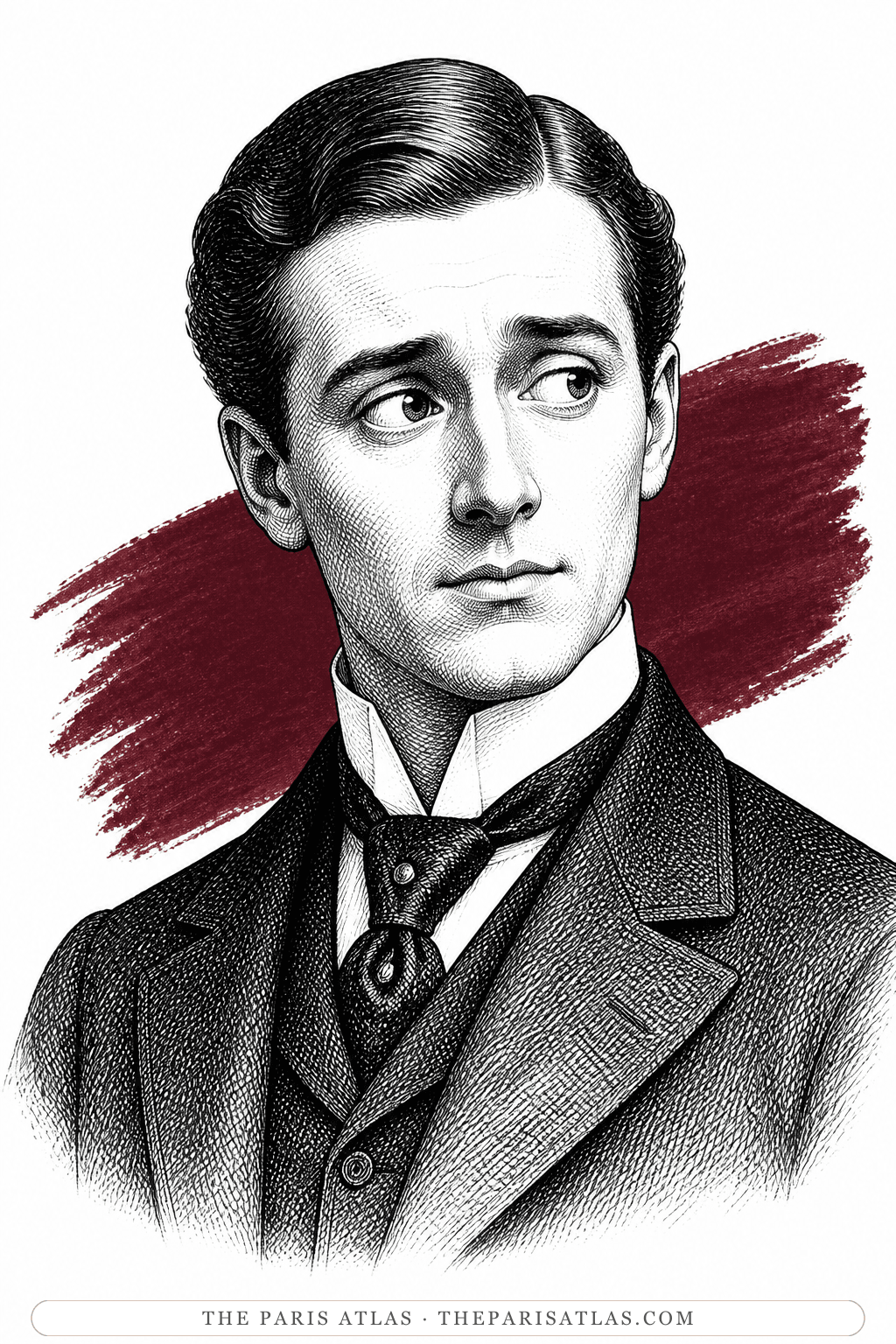
The title character, engaged to the beautiful Sybil Merton, whose palm reading by the chiromancer Septimus Podgers predicts that he will commit a murder. Arthur decides he cannot marry until he has got the murder out of the way, and works methodically through possible victims — his aunt, his uncle, and finally Podgers himself.
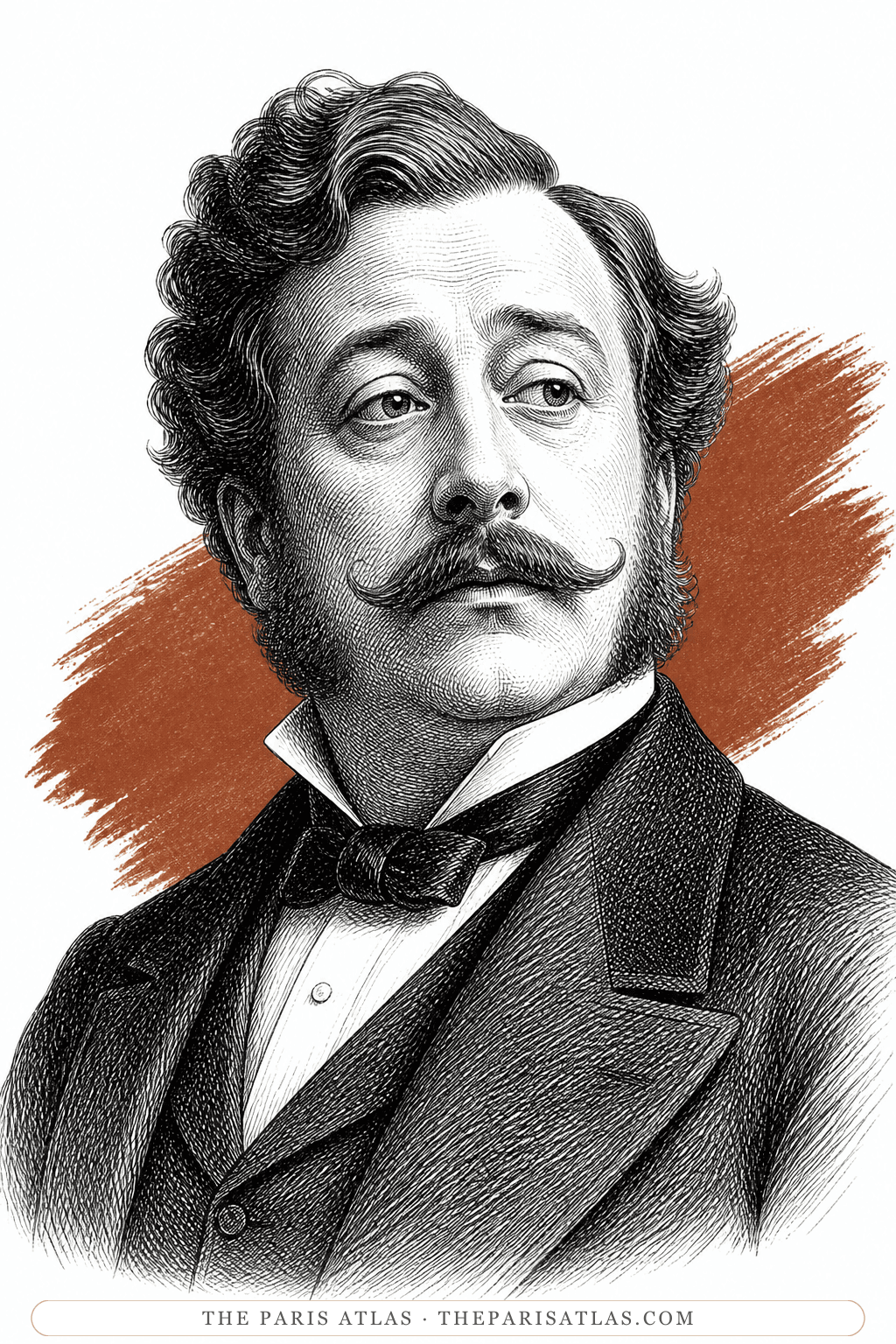
The chiromancer whose reading of Lord Arthur's palm at the Lady Windermere reception sets the plot in motion. Arthur throws Podgers off the Thames Embankment in the story's final pages; the moral of the reading is thereby fulfilled by its victim.

The ghost of 'The Canterville Ghost' — a sixteenth-century murderer haunting the Chase for three centuries with a career of famous appearances behind him, unable to frighten the practical American Otis family who arrive as new tenants. He finds rest with the help of the American daughter Virginia.
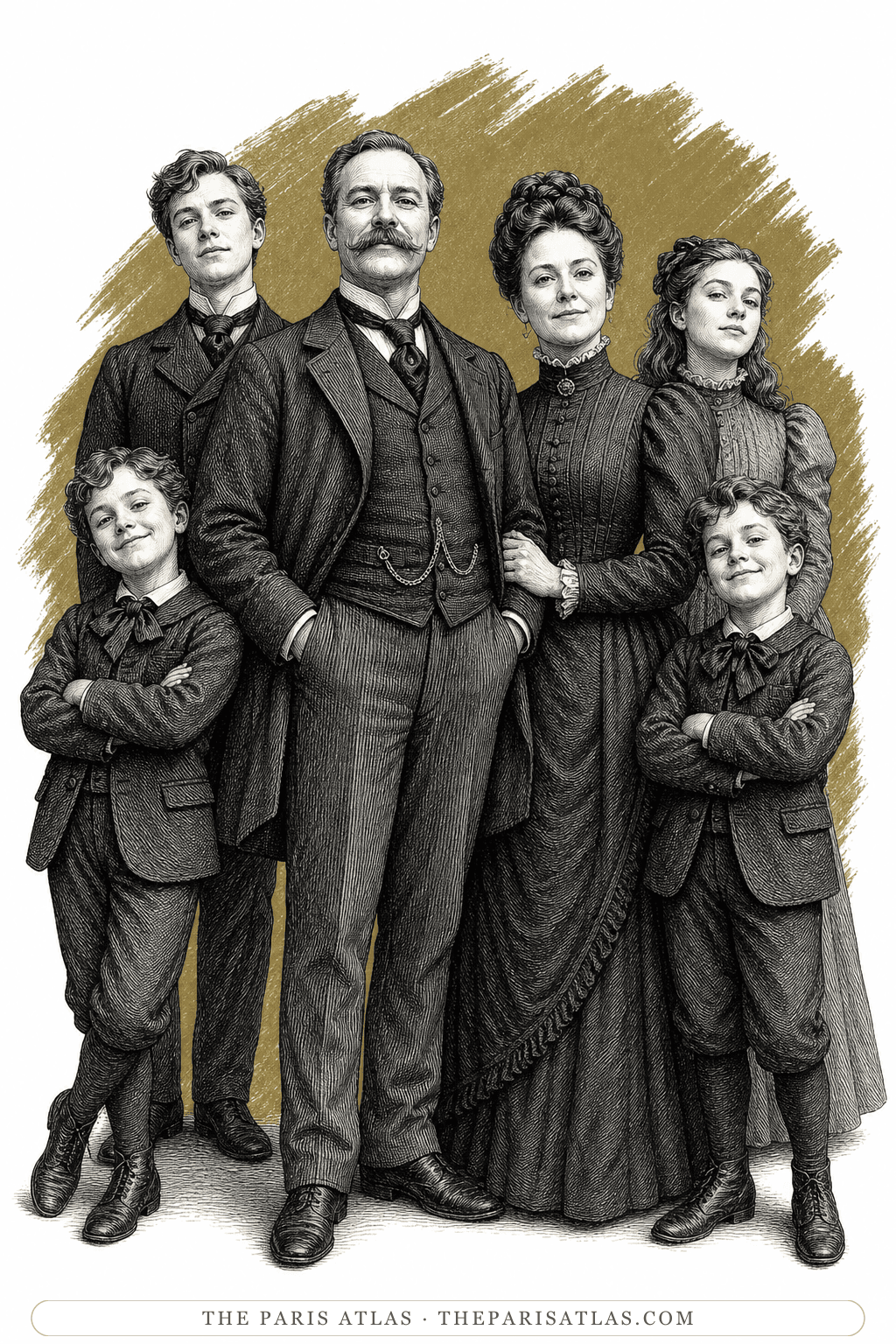
The American minister who buys Canterville Chase with his wife Lucretia, twins Stars and Stripes, teenage daughter Virginia, and older son Washington. Their practical, product-branded response to Sir Simon (Pinkerton's Champion Stain Remover, Tammany Rising Sun Lubricator) is the story's comic centre.
February 1887
'The Canterville Ghost' runs in two parts in The Court and Society Review.
May 1887
'Lord Arthur Savile's Crime' runs in three parts in The Court and Society Review; 'The Sphinx Without a Secret' (as 'Lady Alroy') appears in The World.
June 1887
'The Model Millionaire' appears in The World.
July 1889
'The Portrait of Mr. W. H.' appears in Blackwood's Edinburgh Magazine — related to but ultimately separate from the 1891 collection.
July 1891
James R. Osgood, McIlvaine and Company publish Lord Arthur Savile's Crime and Other Stories in London, collecting the four 1887 magazine stories in a single volume.
1891
Wilde's year of prose: April Dorian Gray (book), May Intentions, July Lord Arthur Savile, November A House of Pomegranates.
1944
Jules Dassin's MGM film of The Canterville Ghost with Charles Laughton is released — the best-known screen version.
Five literary fairy tales about generosity, vanity, friendship, poverty, and the cost of seeing other people's suffering.
Read our take
A society comedy in which a young wife suspects her husband, an excluded woman returns, and a fan becomes evidence that tells the wrong story.
Read our takeWilde's 1891 collection of four comic and supernatural short stories — 'Lord Arthur Savile's Crime,' 'The Canterville Ghost,' 'The Sphinx Without a Secret,' and 'The Model Millionaire.' The stories had all appeared separately in magazines between 1887 and 1891; James R. Osgood, McIlvaine and Company collected them in book form in July 1891.
At a Lady Windermere reception, the chiromancer Septimus Podgers reads Lord Arthur Savile's palm and tells him he will commit a murder. Arthur, engaged to the beautiful Sybil Merton, decides he cannot marry until the murder is out of the way and sets out methodically to find a victim. He tries poison (on his elderly aunt), then a bomb in a clock (on the Dean of Chichester); both attempts fail. In the final pages he pushes Podgers himself off the Thames Embankment and marries Sybil the following month.
The American Minister Hiram B. Otis buys Canterville Chase, an ancient English haunted house, and moves in with his wife and four children. The ghost — Sir Simon de Canterville, murderer, professional haunter for three centuries — cannot get through to them; the family treats every haunting as a household maintenance problem. The daughter Virginia eventually helps Sir Simon find rest. It is Wilde's affectionate satire of English gothic and American practicality both.
1891 was Wilde's biggest year for prose — Dorian Gray, Intentions, A House of Pomegranates, and this collection all appeared. The Lord Arthur Savile stories are the comic-supernatural side of what Dorian Gray does gothically: taking a moral premise, making a character believe in it absolutely, and following the belief until it turns into farce. It is the bridge between Wilde's fairy tales and his society plays.
Not in the 1891 book. Wilde's 1889 novella-length essay about Shakespeare's sonnets — proposing that they were addressed to a boy actor named Willie Hughes — is often bundled with Lord Arthur Savile's Crime in modern editions, but the 1891 collection contained only the four short stories. Wilde had prepared an expanded book version of Mr. W. H. that was not published in his lifetime; it first appeared in the 1958 Mitchell Kennerley Estate edition. The Oxford Complete Works keeps the two texts separate.
Many times. The best-known screen adaptation is Jules Dassin's 1944 MGM film with Charles Laughton as Sir Simon, Robert Young as the American love interest, and the seven-year-old Margaret O'Brien as Virginia — released while Dassin was still a decade away from being blacklisted and moving to Europe. There have been at least a dozen further film and television versions since, including a 1996 US–UK television film with Patrick Stewart as Sir Simon.
Explore authors with a similar voice, perspective, and influence.
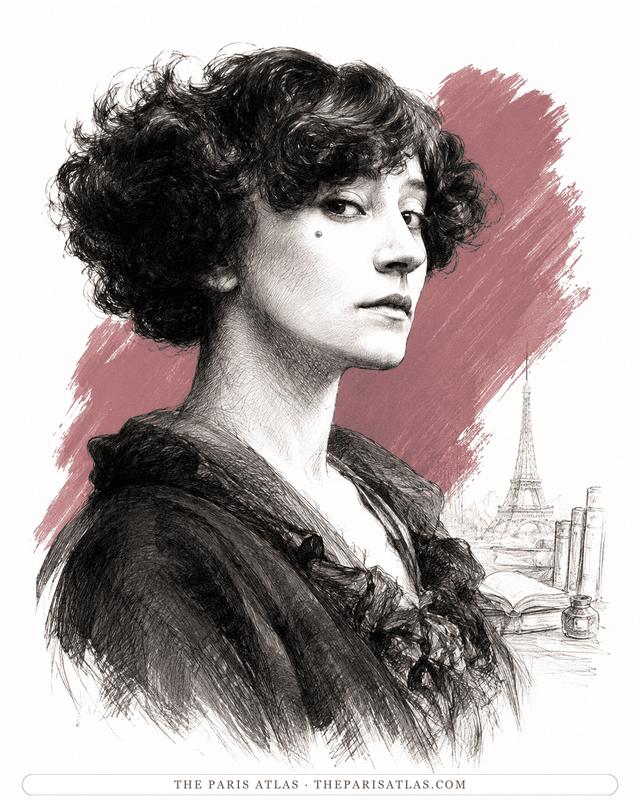
Both writers use style, performance, and social comedy to examine the roles assigned to women, artists, and people whose private lives do not fit public rules.
View author
The doctor of the Paris slums who wrote the century's blackest, funniest novel — and changed the sound of French prose.
View author
The Brooklyn dropout who arrived in Paris broke at thirty-eight and wrote the exuberant, banned books that ended American censorship.
View authorThe sources below include the primary text, editions, scholarship, archival materials, and other records that informed this page. They document Lord Arthur Savile's Crime and Other Stories, its publication, and its place in literary history.


The primary text represented by this page, used for descriptions of the work’s contents and for any quoted passages shown here.
Selected title-story passages and The Sphinx Without a Secret; 1913 text, not a first-edition collation.

Used to place Lord Arthur Savile's Crime and Other Stories within Oscar Wilde's published work and verify its bibliographic context.
Used for independent biographical, archival, or historical context surrounding Oscar Wilde's career and the period in which Lord Arthur Savile's Crime and Other Stories appeared.
Used to cross-check authorship, chronology, and the work's place in Oscar Wilde's wider catalogue.
Used to verify Oscar Wilde's bibliography and place Lord Arthur Savile's Crime and Other Stories within the broader chronology of Oscar Wilde's career.
The primary text is the baseline reference for every book page. Additional references document publication history, interpretation, and historical context where that evidence is available.
 Explore more resources