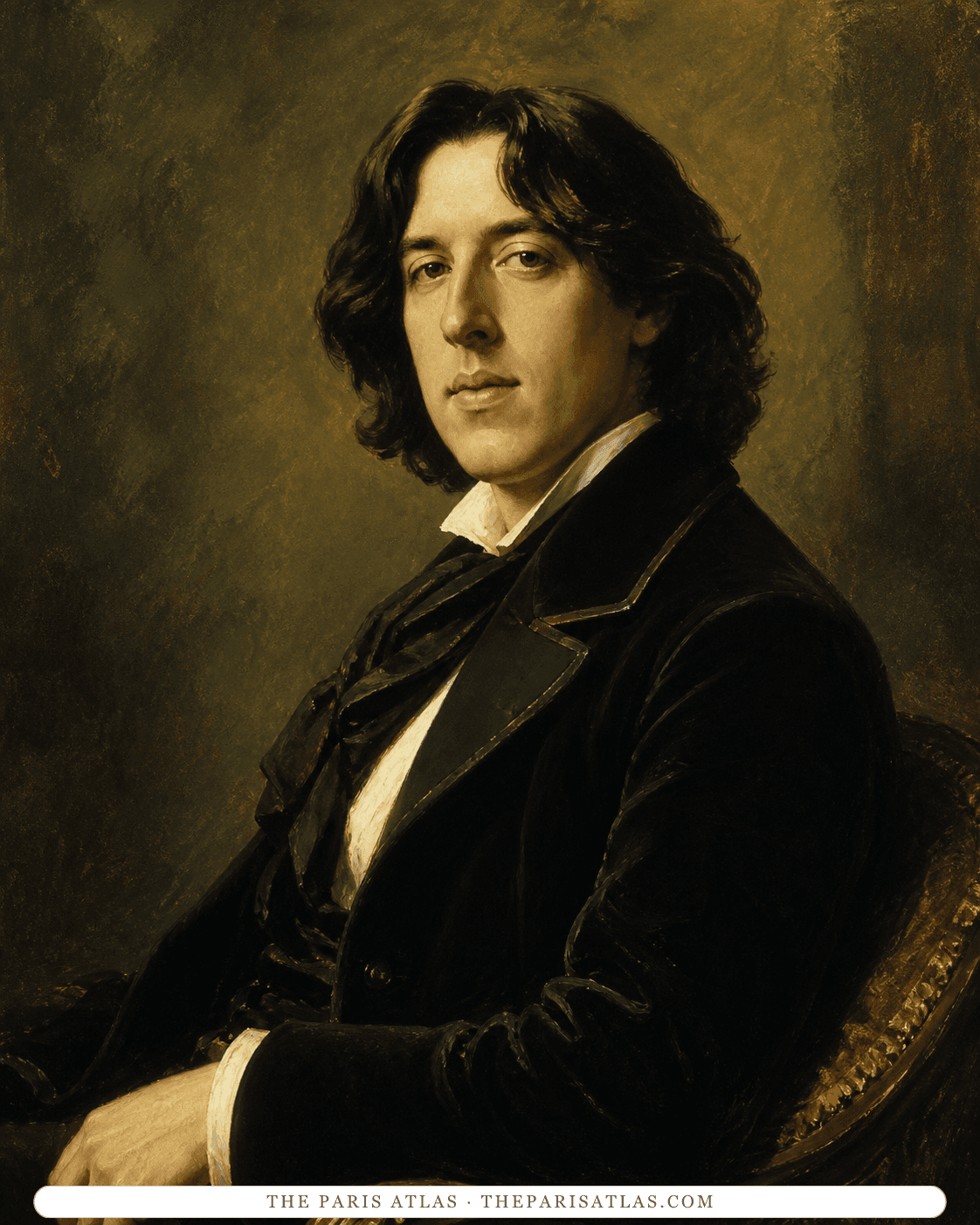

Intentions
Four essays and dialogues in which Oscar Wilde argues that criticism is creative, art need not copy life, and a work should not be reduced to a moral lesson.
Read our take
by Oscar Wilde
An essay arguing that poverty should be ended by changing property relations, not managed through charity, so each person can develop freely.
The Soul of Man under Socialism is Oscar Wilde's political essay about poverty, private property, charity, punishment, and individual freedom. His socialism is anti-authoritarian: he imagines machines doing necessary labour and society removing economic coercion so people can develop their own lives rather than obeying employers, benefactors, or public opinion. It is the most direct piece of Wilde's political thinking, and the essay De Profundis's Christ-as-artist argument was already growing out of when Wilde wrote it six years later.
Wilde wrote the essay in the winter of 1890–91, in the immediate aftermath of The Picture of Dorian Gray's Lippincott's Monthly publication. He had been reading Kropotkin (whom he called 'a man with a soul of that beautiful white Christ which seems coming out of Russia'), William Morris, and Ruskin. The essay appeared in The Fortnightly Review in February 1891 under Wilde's byline, in the same issue that carried a Ruskin memoir.
The 1895 trials briefly silenced the essay's public life. In 1895, the small anarchist press Arthur Humphreys reissued it as a stand-alone pamphlet retitled The Soul of Man — Humphreys dropped 'under Socialism' from the title to make the book saleable after Wilde's disgrace. It went through four printings under that shorter title between 1895 and 1900. The original title was restored in Robert Ross's 1908 Methuen collected edition.
Wilde's socialism is not the state-planning socialism the Fabians were writing about in the same years. He explicitly rejects authoritarian government ('All authority is quite degrading. It degrades those who exercise it, and degrades those over whom it is exercised.') and imagines instead a society in which machines do necessary labour, no person is forced by hunger or property into a role they did not choose, and individualism — meaning self-development rather than competitive self-interest — becomes possible. The essay is closer in spirit to Kropotkin's mutualist anarchism than to Marx.
The first movement argues that private property creates poverty and that charity treats the symptoms while preserving the causes. 'The best among the poor are never grateful. They are ungrateful, discontented, disobedient and rebellious. They are quite right to be so. Charity they feel to be a ridiculously inadequate mode of partial restitution, or a sentimental dole.'
The middle section develops the connection between economic freedom and art. Wilde argues that art has always been made by people who had escaped, or been born outside, the demands of the market — a courtier, a monk, an aristocrat, a person with private means — and that under socialism the same freedom would be available to everyone. It is the essay's most disputed and most influential passage.
The final movement rejects authoritarian government and prison punishment. 'The prison-system is absolutely and entirely wrong. I would not for a moment hesitate to say that the whole prison-system is wrong. It should be altered. It should be entirely altered.' Written four years before Wilde would be sentenced to two years' hard labour and would produce De Profundis and The Ballad of Reading Gaol out of the same argument.
The street-sweeping example challenges the idea that exhausting work becomes dignified simply because someone must do it. Yet Wilde does not present invention alone as liberation. The same machine can impoverish displaced workers or benefit a community, depending on who owns its produce. His comparison with trees growing while their owner sleeps turns saved labor into time for attention and pleasure. This is an argument about the distribution of freedom, expressed through an imagined future, not a demonstration that technology necessarily produces it.
The question about Utopia anticipates a reader's objection and turns it into an invitation to imagine more. A map normally records where one can go; Wilde makes its value depend on including a destination beyond present arrangements. Arrival does not end the journey. Humanity sees another possibility and leaves again, so progress requires dissatisfaction even with an achieved ideal. The metaphor gives the essay's confident future a restless shape: freedom cannot be reduced to keeping everyone permanently in a finished social design.
To live is the rarest thing in the world. Most people exist, that is all.
Disobedience, in the eyes of anyone who has read history, is man's original virtue. It is through disobedience that progress has been made, through disobedience and through rebellion.
A map of the world that does not include Utopia is not worth even glancing at, for it leaves out the one country at which Humanity is always landing.
It introduces the political argument behind Wilde's attacks on charity, respectability, and punishment.
Read it before De Profundis and The Ballad of Reading Gaol, where institutions are no longer abstract.
The essay's argument — that art requires the abolition of both poverty and private property, and that individualism, far from being selfish, is the point of both — still reads as the sharpest thing Wilde ever wrote outside a play.
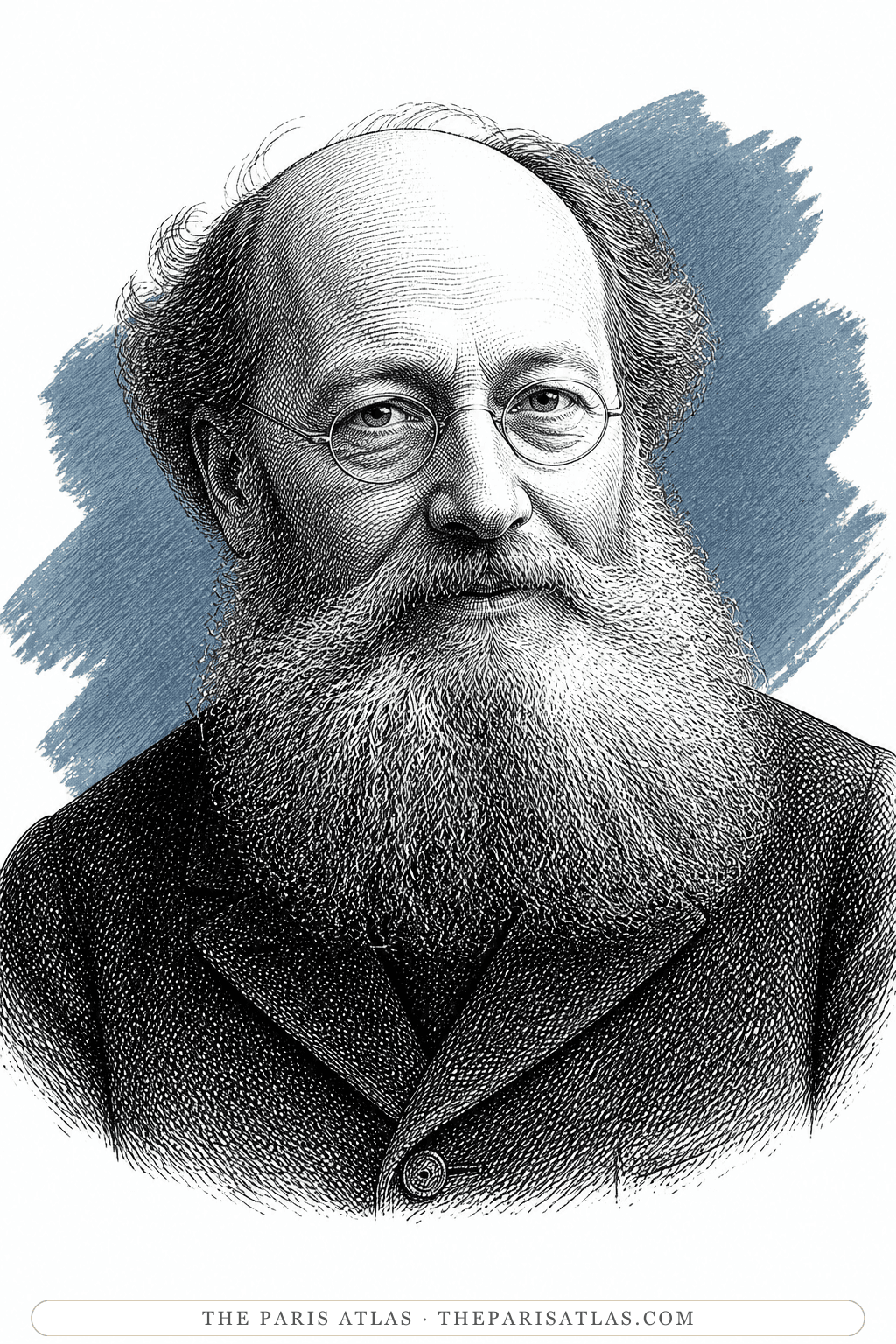
The Russian anarchist prince (1842–1921), imprisoned in France 1883–1886 and living in exile in England from 1886. Wilde called him 'a man with a soul of that beautiful white Christ which seems coming out of Russia.' Kropotkin's Mutual Aid line of argument — that cooperation is as natural as competition — runs through Wilde's essay.
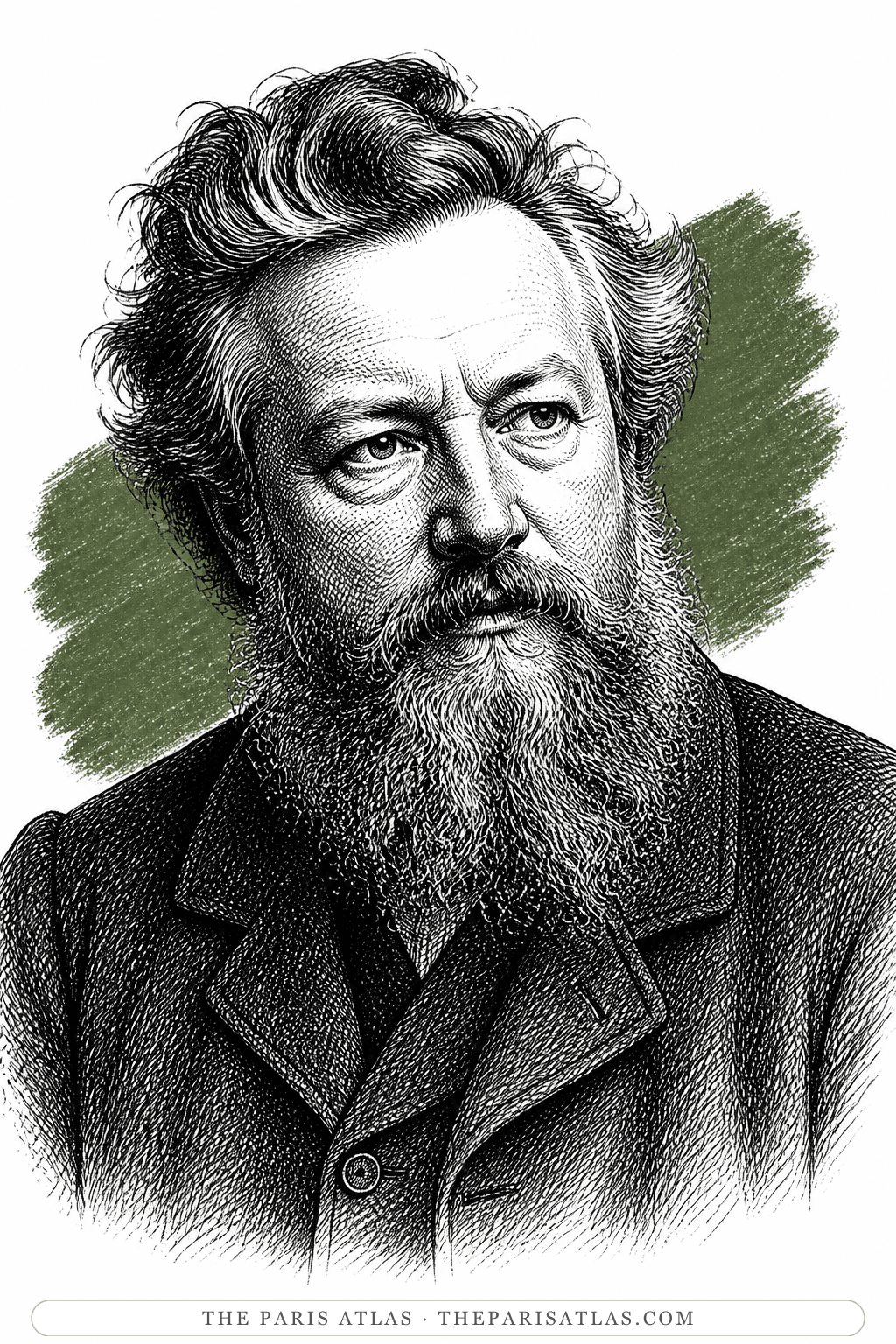
The English designer, poet, and socialist (1834–1896), whose News from Nowhere had been serialised in The Commonweal in 1890. Morris's argument that labour under capitalism was necessarily ugly and that freed labour would be craftsmanlike stands behind Wilde's argument about machines and freedom.
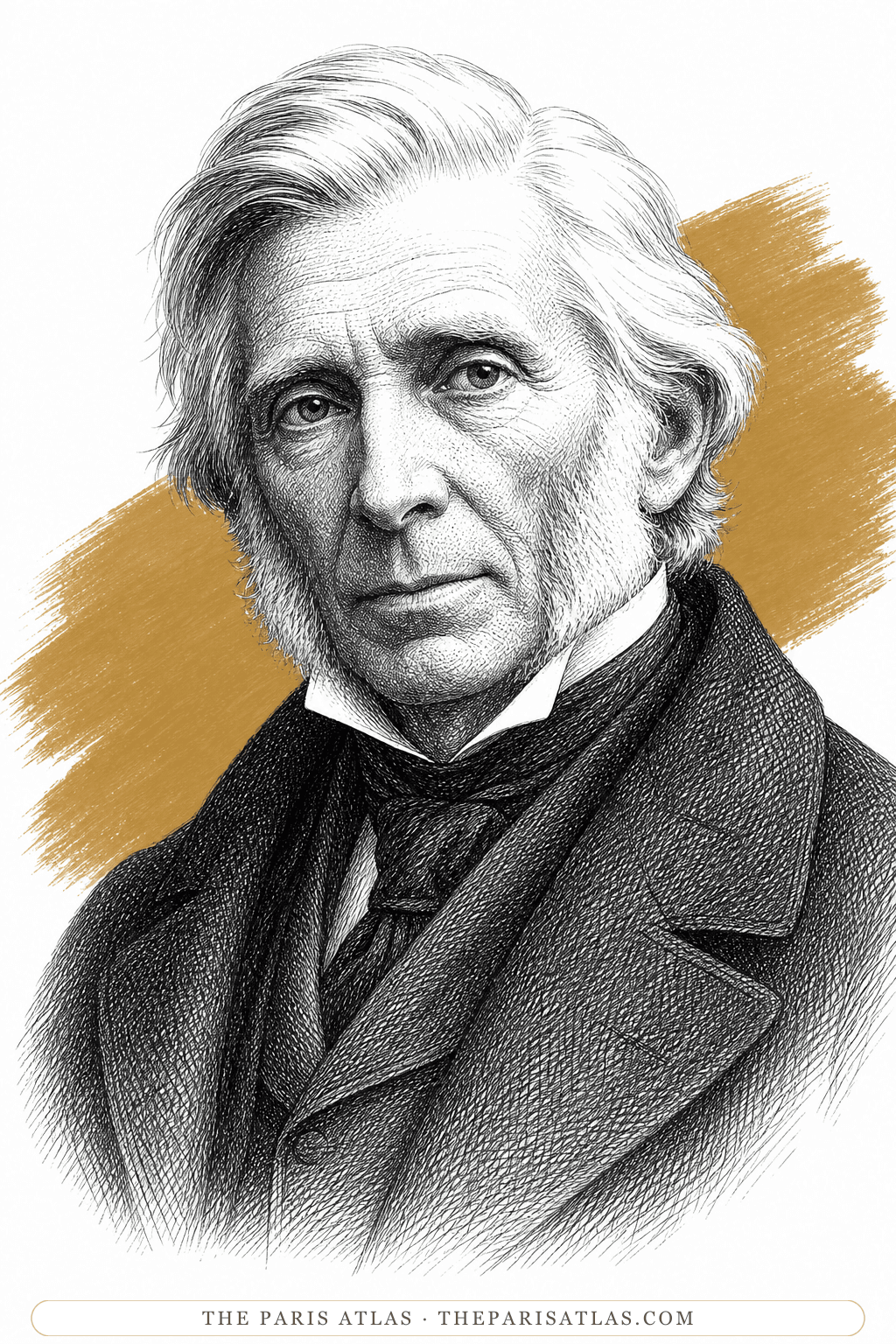
The English art critic (1819–1900) who had taught Wilde at Oxford. Wilde's essay ran in the same February 1891 Fortnightly Review issue as a memoir of Ruskin. Ruskin's Unto This Last (1860) — his own attack on political economy — is the essay's most direct English precedent.
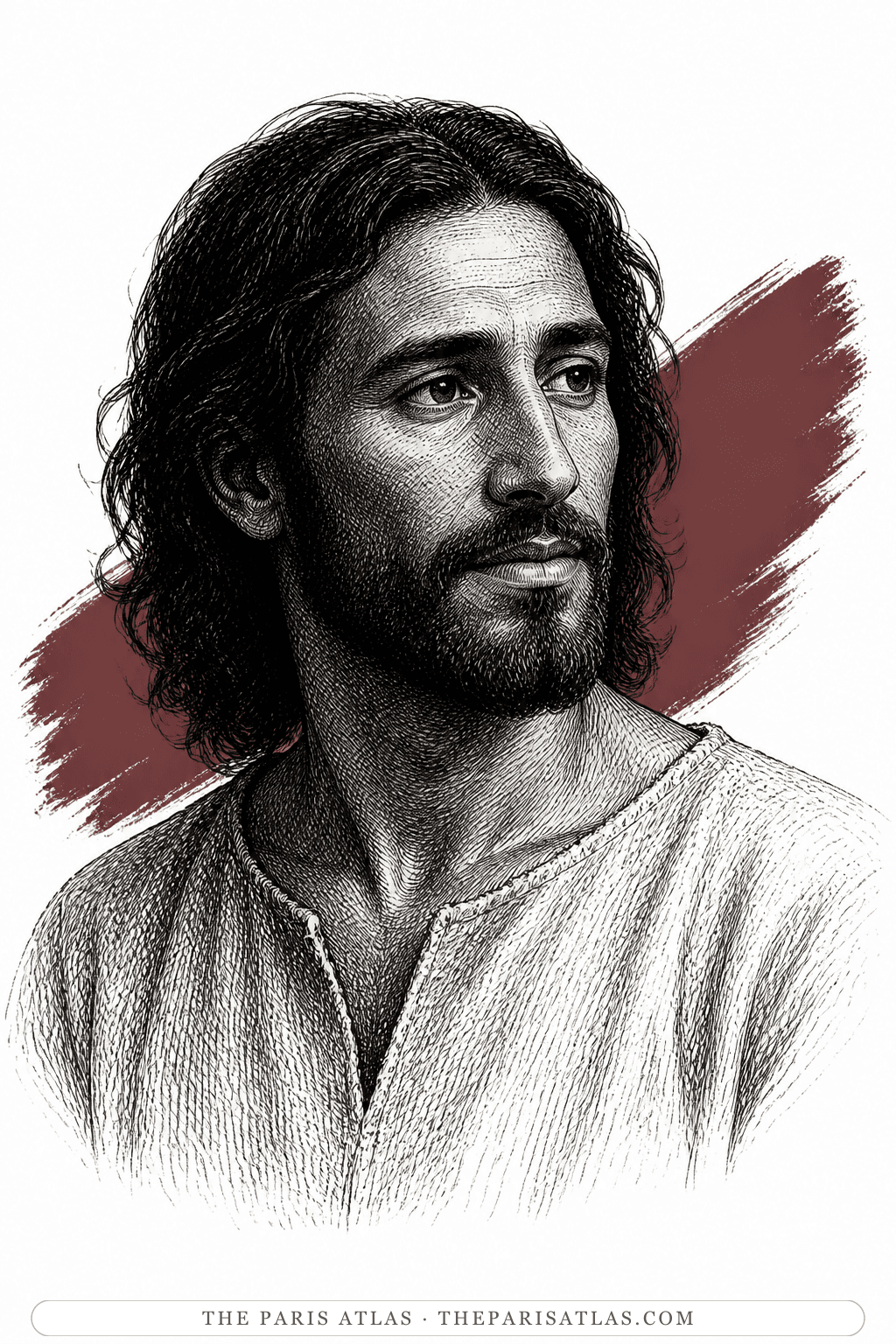
The essay's other central figure — Wilde reads Christ as the great individualist and the first modern artist. The reading Wilde would develop at greater length in De Profundis six years later begins in the middle pages of this essay.
1890
Wilde reads Kropotkin and William Morris; publishes The Picture of Dorian Gray in Lippincott's Monthly Magazine (July).
Winter 1890–91
Wilde writes The Soul of Man under Socialism.
February 1891
The essay appears in The Fortnightly Review, London, in the same issue that carries a Ruskin memoir.
April 1891
The revised book edition of Dorian Gray appears from Ward, Lock and Company — the two 1891 publications establish Wilde's two-track career as aesthetic novelist and political essayist.
1895
Arthur Humphreys reissues the essay as a stand-alone pamphlet, retitled The Soul of Man. The shorter title stays in print through 1900.
1908
Robert Ross restores the original title The Soul of Man under Socialism in the Methuen collected edition.
Four essays and dialogues in which Oscar Wilde argues that criticism is creative, art need not copy life, and a work should not be reduced to a moral lesson.
Read our take
A long poem about a prisoner's execution and the institution that makes every person inside share the waiting, fear, shame, and isolation.
Read our takeIt is Wilde's 1891 political essay about poverty, private property, charity, punishment, and individual freedom. Wilde argues that private property produces poverty; that charity treats the symptoms while preserving the causes; that machines should be doing the necessary labour so no one is forced by hunger into a role they did not choose; and that under those conditions 'individualism' — meaning self-development, not competitive self-interest — becomes possible for everyone.
It appeared in The Fortnightly Review, London, in February 1891, under Wilde's byline. Arthur Humphreys reissued it as a stand-alone pamphlet in 1895, retitled The Soul of Man (the words 'under Socialism' dropped after the trials to make the book saleable). The original title was restored in Robert Ross's 1908 Methuen collected edition.
No. Wilde explicitly rejects authoritarian government — 'All authority is quite degrading. It degrades those who exercise it, and degrades those over whom it is exercised.' — and does not imagine socialism as state planning. His position is closer to Kropotkin's mutualist anarchism than to Marx or to the Fabian Society, which had been founded in 1884 and was writing very different tracts in the same years.
Two reasons. First, charity treats visible suffering while leaving the system that produces the suffering intact, so it never solves the problem it claims to address. Second, charity gives the donor power over the recipient — the recipient of charity is expected to be grateful, deferential, and morally improved by the gift. Wilde regards both features as symptomatic of the property system he wants abolished.
The Soul of Man under Socialism was written in 1891, four years before Wilde's 1895 trials and imprisonment. Its final pages already argue that 'the whole prison-system is wrong' — a position Wilde would test in his own person from 1895 to 1897. The Ballad of Reading Gaol (1898) and De Profundis (1897/1905/1962) develop the same argument from inside the institution rather than from outside.
Wilde had been reading the Gospels for years alongside his long attraction to Roman Catholicism (he would convert on his deathbed in 1900). The essay reads Christ as the great individualist — a person who refused to be defined by property, family, or public opinion, and who told other people to do the same. The reading Wilde develops at length in De Profundis begins in the middle pages of this essay.
Explore authors with a similar voice, perspective, and influence.
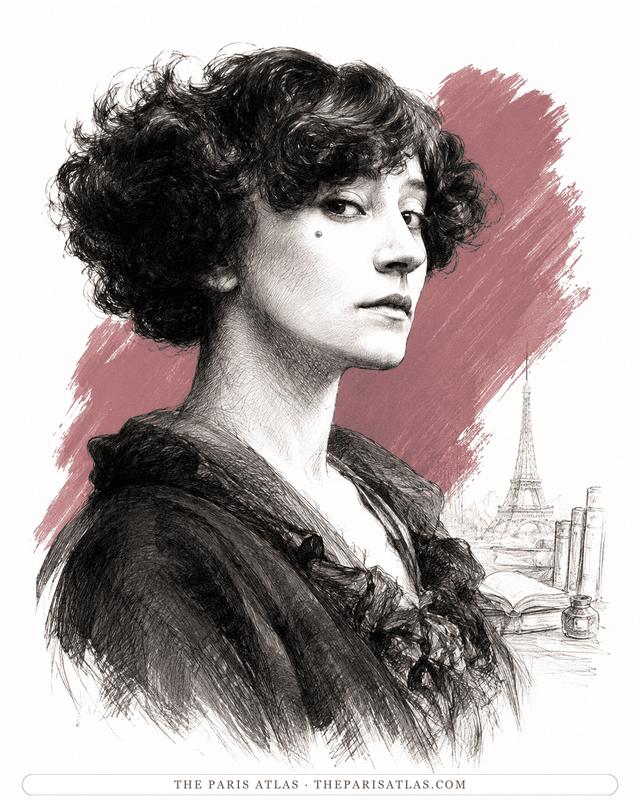
Both writers use style, performance, and social comedy to examine the roles assigned to women, artists, and people whose private lives do not fit public rules.
View author
The doctor of the Paris slums who wrote the century's blackest, funniest novel — and changed the sound of French prose.
View author
The Brooklyn dropout who arrived in Paris broke at thirty-eight and wrote the exuberant, banned books that ended American censorship.
View authorThe sources below include the primary text, editions, scholarship, archival materials, and other records that informed this page. They document The Soul of Man under Socialism, its publication, and its place in literary history.

The primary text represented by this page, used for descriptions of the work’s contents and for any quoted passages shown here.
Machinery and Utopia passages in the Humphreys transcription; no original-magazine or complete-edition comparison.

Used to place The Soul of Man under Socialism within Oscar Wilde's published work and verify its bibliographic context.
Used for independent biographical, archival, or historical context surrounding Oscar Wilde's career and the period in which The Soul of Man under Socialism appeared.
Used to cross-check authorship, chronology, and the work's place in Oscar Wilde's wider catalogue.
Used to verify Oscar Wilde's bibliography and place The Soul of Man under Socialism within the broader chronology of Oscar Wilde's career.
The primary text is the baseline reference for every book page. Additional references document publication history, interpretation, and historical context where that evidence is available.
 Explore more resources