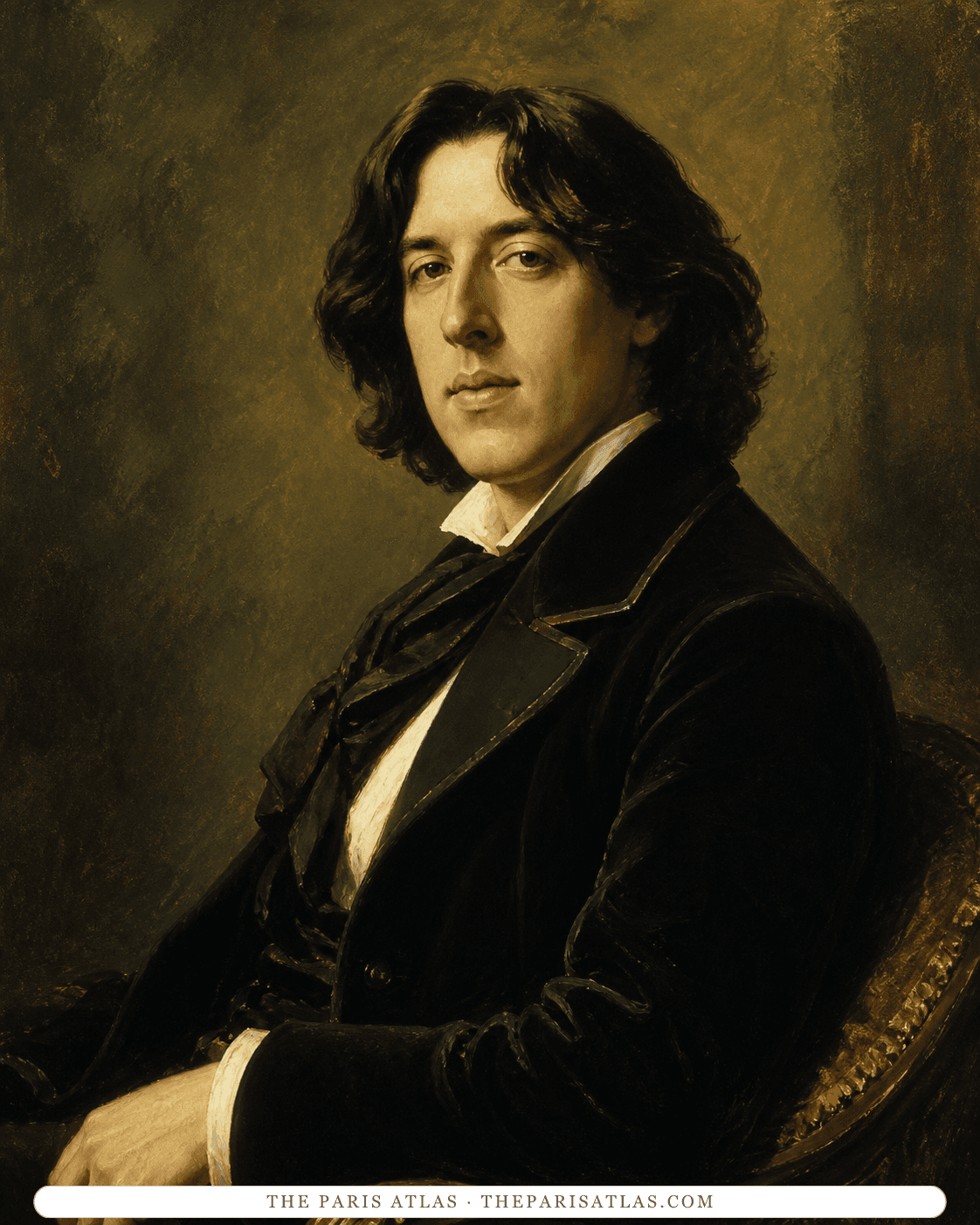

The Soul of Man under Socialism
An essay arguing that poverty should be ended by changing property relations, not managed through charity, so each person can develop freely.
Read our take
by Oscar Wilde
A long poem about a prisoner's execution and the institution that makes every person inside share the waiting, fear, shame, and isolation.
The Ballad of Reading Gaol grew from Oscar Wilde's own imprisonment (1895–1897) and from the execution of Charles Thomas Wooldridge, a soldier convicted of murdering his wife who was hanged at Reading Gaol on 7 July 1896 while Wilde was there. The poem watches Wooldridge during the weeks before his death and then widens into an indictment of the whole prison system. It is Wilde's strongest poem, his last major work, and the piece of writing that came from prison exactly as prison had left him — the flourishes of the 1881 Poems and the 1894 Sphinx completely gone.
Wilde wrote the poem in the summer of 1897 in Berneval-sur-Mer on the Normandy coast, in the months immediately after his release from Reading Gaol on 19 May 1897. He completed a first draft in a few weeks; revisions continued through the autumn as he moved to Naples and Paris. The 800 published lines are compressed from a longer draft that Robbie Ross and Reginald Turner helped Wilde cut.
Leonard Smithers published the poem in London on 13 February 1898 in a small edition of 800 copies at half a crown, followed by a large-paper edition of 99 signed copies. Wilde was named on the title page not as Oscar Wilde but as 'C.3.3.' — his prison identifier at Reading Gaol (C block, third landing, third cell). The first edition sold out in a week; six further editions appeared by June 1899. Wilde's name replaced C.3.3. on the seventh edition in June 1899.
The 800 lines fall into six numbered parts and use the ballad stanza (six lines rhyming ABCBDB, with alternating four-stress and three-stress lines) borrowed from Samuel Taylor Coleridge's The Rime of the Ancient Mariner. Wilde adapts the form to institutional time: the returning refrain 'Yet each man kills the thing he loves' — the poem's most famous line — becomes both Wooldridge's specific act (he killed his wife) and a description of what the prison itself does.
Parts I and II watch Charles Thomas Wooldridge, a trooper of the Royal Horse Guards, in the exercise yard and cell during the weeks before his execution. Wilde does not name Wooldridge but describes his uniform ('He did not wear his scarlet coat, / For blood and wine are red') and his condition. The famous refrain 'Yet each man kills the thing he loves' enters here.
Parts III and IV are the night before the hanging and the morning of the execution itself. The other prisoners hear the scaffold being erected, know what the hammering means, and lie awake. The hanging takes place at eight in the morning of 7 July 1896 in the prison yard. The prisoners do not see it; they hear the drop.
Parts V and VI turn from Wooldridge's specific execution to a general indictment of the English prison system — the isolation, the hard labour, the surveillance, the chaplain's inadequate ministry, the belief that cruelty can repair wrongdoing. The closing lines return to Wooldridge in his quicklime grave and to the refrain: 'And all men kill the thing they love, / Yet each man does not die.'
The opening makes the prisoner's gaze a question before it supplies an explanation. His apparently light step contrasts with the intensity of his attention to the sky. Once the speaker hears the death sentence, his own view changes: the small patch of blue becomes an image of enclosing, burning metal. Nothing in the yard has physically altered. The changed metaphor registers an act of recognition, as another person's approaching death interrupts the speaker's absorption in his own pain.
The repeated collective pronoun makes rope-picking and cleaning part of a shared bodily routine. Clattering pails and closely packed verbs give the stanza a noisy momentum, but the next movement describes terror as still. Work keeps the men moving without carrying them beyond their fear; even the passing day seems obstructed. The open grave finally gives that waiting a visible destination. The contrast between activity and suspended feeling makes imprisonment more than a backdrop to one man's sentence.
Yet each man kills the thing he loves / By each let this be heard, / Some do it with a bitter look, / Some with a flattering word, / The coward does it with a kiss, / The brave man with a sword!
It is Wilde's strongest poem and his clearest public writing about imprisonment.
Read it after The Soul of Man Under Socialism and before De Profundis.
Wilde wrote it after his release from Reading Gaol, on the execution of the soldier Charles Thomas Wooldridge, whom he had watched hang. Its first printings appeared under his prison identifier, C.3.3., rather than his name.
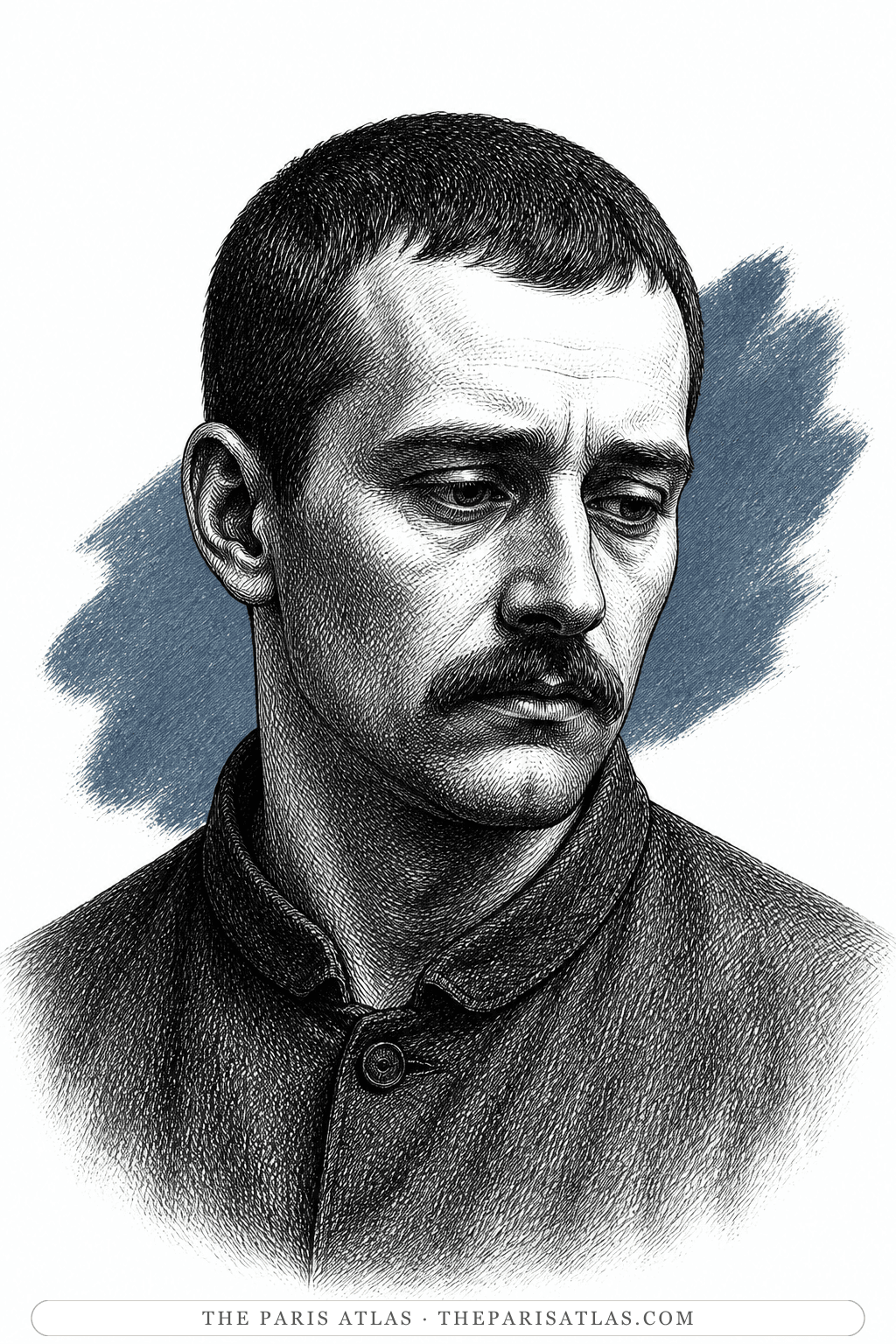
The prisoner whose execution the poem is about — a thirty-year-old trooper of the Royal Horse Guards, convicted of murdering his wife Nell (whom he had cut with a razor in a jealous rage in March 1896). He was hanged at Reading Gaol on 7 July 1896 while Wilde was there. Wilde saw him in the exercise yard during the days before the execution but the two men did not speak.
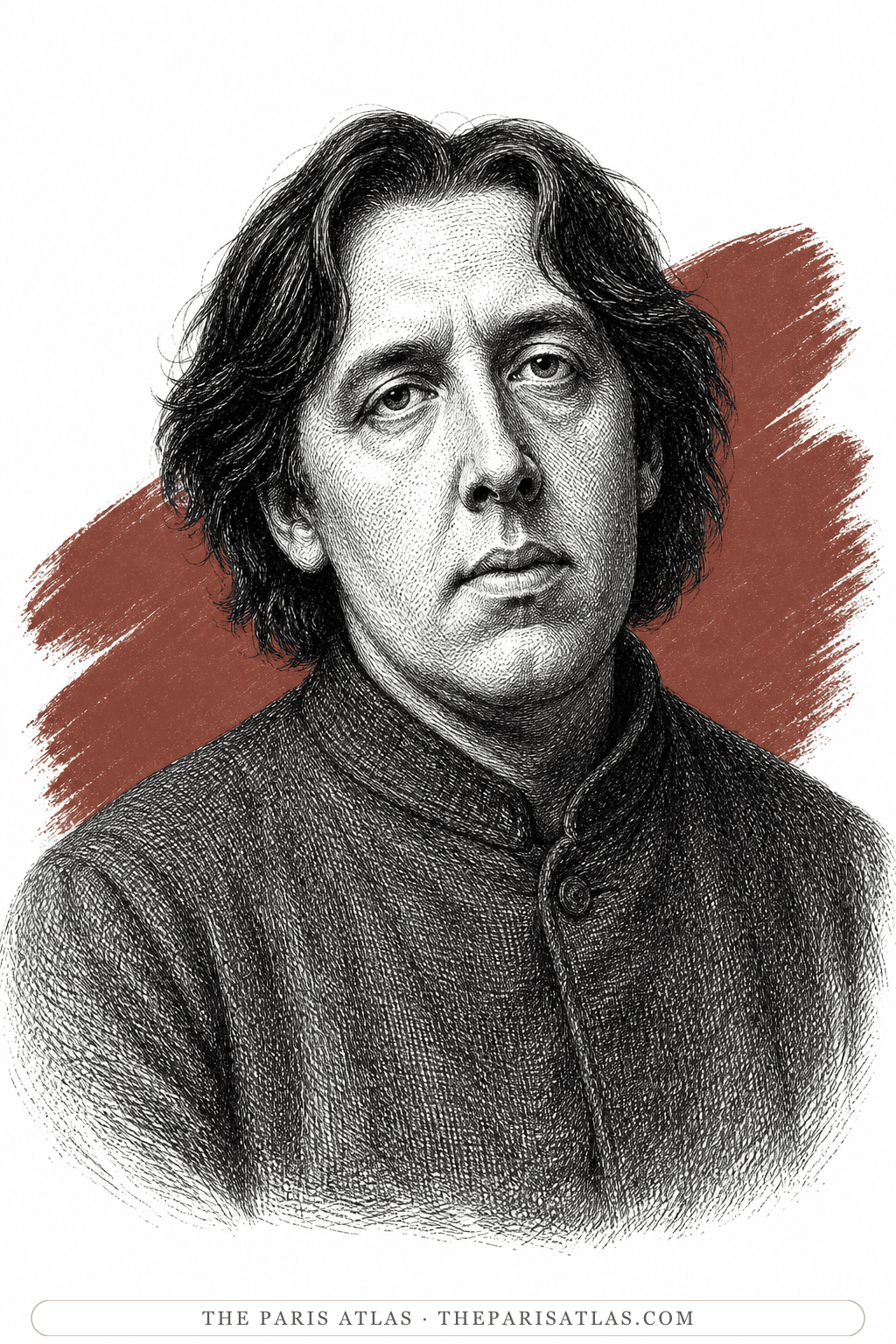
The poem's 'I' — Wilde in the fifteen months he served at Reading Gaol (November 1895 – May 1897) after his conviction for gross indecency. The published title page names him not as Oscar Wilde but as 'C.3.3.', the prison identifier for cell 3 on the third landing of C block. His name replaced the identifier on the seventh edition in June 1899.
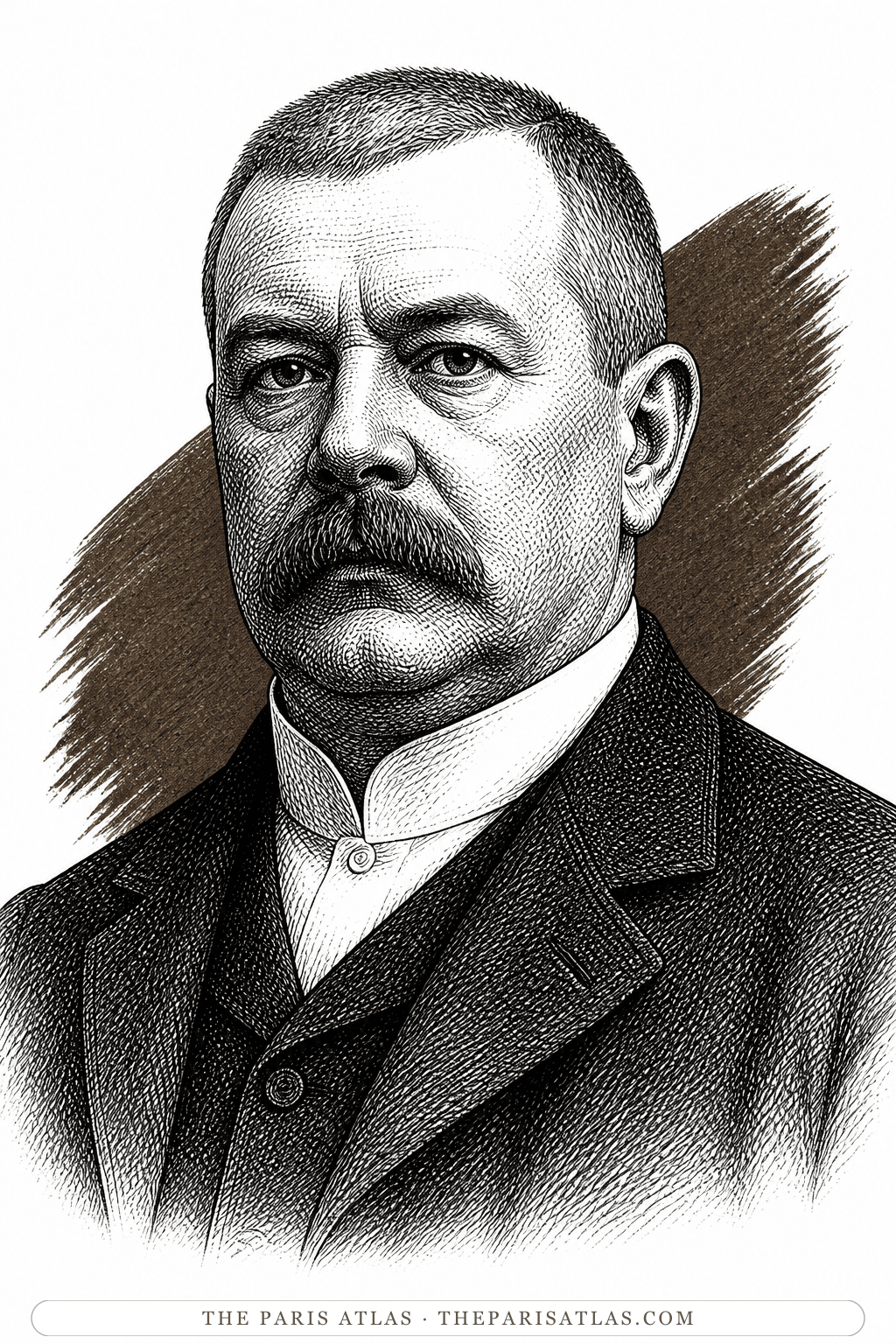
The English hangman (1847–1901) who executed Wooldridge on 7 July 1896. Billington was one of the three Billington-family hangmen who between them carried out most English executions of the 1880s and 1890s. The poem's description of the drop is drawn from what any prisoner could hear.
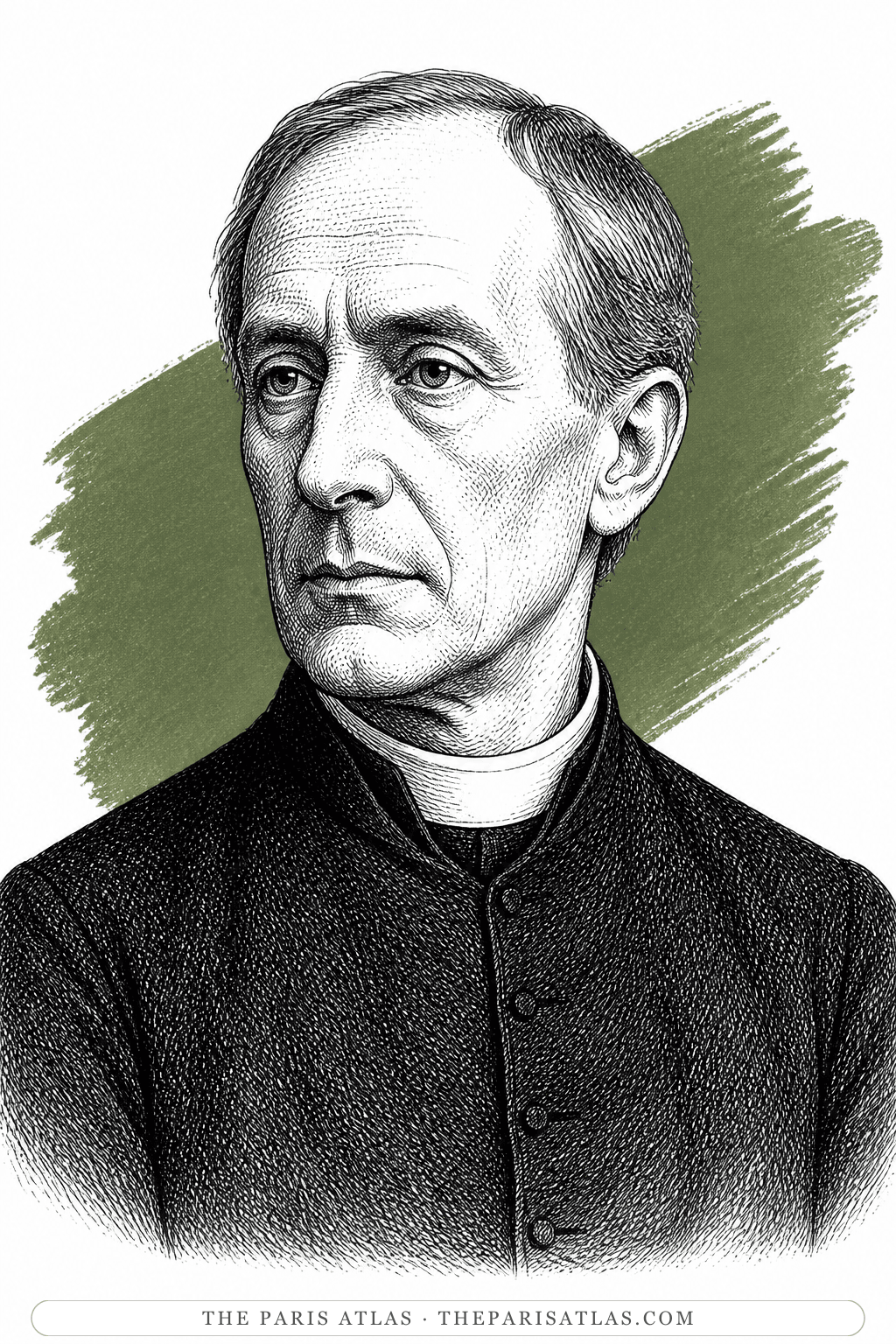
The unnamed chaplain of Reading Gaol, whose ministry to Wooldridge in the condemned cell the poem describes without sympathy. Wilde had corresponded with the reformist chaplain Stewart Headlam (who put up his bail bond and met him at his release) but the Reading chaplain the poem describes is not Headlam.
March 1896
Charles Thomas Wooldridge cuts his wife Nell's throat in Windsor, is arrested, and is charged with murder.
17 June 1896
Wooldridge is convicted of murder at the Reading Assizes and sentenced to hang.
7 July 1896, 8 a.m.
James Billington executes Wooldridge inside Reading Gaol. Wilde is a prisoner in the same institution.
19 May 1897
Wilde is released after two years' hard labour. Robbie Ross meets him at the gate; Wilde travels immediately to Dieppe and then to Berneval-sur-Mer.
Summer 1897
Wilde writes the first draft of The Ballad of Reading Gaol at Berneval-sur-Mer, then revises through the autumn.
13 February 1898
Leonard Smithers publishes The Ballad of Reading Gaol in London in an edition of 800 copies at half a crown, plus 99 signed large-paper copies. The title page names the author as C.3.3.
February–June 1899
Six further editions follow.
June 1899
The seventh edition names Wilde as the author for the first time.
30 November 1900
Wilde dies in Paris at the Hôtel d'Alsace, aged forty-six.
An essay arguing that poverty should be ended by changing property relations, not managed through charity, so each person can develop freely.
Read our take
Oscar Wilde's long prison letter to Lord Alfred Douglas, combining accusation, self-criticism, memory, suffering, art, and a new interpretation of Christ.
Read our takeIt is an 800-line poem about the execution of Charles Thomas Wooldridge, a soldier hanged at Reading Gaol on 7 July 1896 for the murder of his wife. Wilde was imprisoned at Reading at the time and saw Wooldridge in the exercise yard during the weeks before the execution. The poem uses Wooldridge's specific case to indict the English prison system and to ask what cruelty is supposed to repair.
C.3.3. was Wilde's prison identifier at Reading Gaol — Cell 3 on the third landing of C block. Leonard Smithers's first edition of 13 February 1898 named the author as C.3.3. rather than as Oscar Wilde, both because Wilde was still under legal disability and because his name attached to a book had commercial risk. Wilde's name replaced the identifier on the seventh edition in June 1899.
It is the poem's returning refrain. On one level it describes Wooldridge, who literally killed his wife. On a wider level it describes the way institutions — marriage, family, religion, empire — damage or destroy what they claim to protect, and it describes Wilde's own reading of the 1895 trials as a case in which the people who loved him (his wife Constance, his sons, his mother, his friends) were destroyed along with him.
No. English executions after 1868 took place inside the prison walls, out of sight of the other prisoners. But Wilde was in the same prison, heard the scaffold being erected the night before, heard the drop at eight in the morning of 7 July 1896, and saw Wooldridge in the exercise yard during the weeks before the execution. The poem is built from what a prisoner in the same institution knew, not from what a witness in the yard saw.
The Ballad of Reading Gaol uses the six-line ballad stanza (rhyming ABCBDB, alternating four-stress and three-stress lines) borrowed from Samuel Taylor Coleridge's The Rime of the Ancient Mariner. The form's returning refrains — 'Yet each man kills the thing he loves,' 'A prison wall was round us both' — make the poem feel collective and inescapable, which is Wilde's account of how prison time actually works. It is a very different poem from the decorated blank verse of Wilde's earlier work.
In the summer and autumn of 1897 at Berneval-sur-Mer on the Normandy coast, in a small hotel where he stayed after his release from Reading Gaol on 19 May 1897. He continued to revise the poem after moving to Naples and Paris. Robbie Ross and Reginald Turner helped him cut a longer draft down to the published 800 lines.
Explore authors with a similar voice, perspective, and influence.

Both writers use style, performance, and social comedy to examine the roles assigned to women, artists, and people whose private lives do not fit public rules.
View author
The doctor of the Paris slums who wrote the century's blackest, funniest novel — and changed the sound of French prose.
View author
The Brooklyn dropout who arrived in Paris broke at thirty-eight and wrote the exuberant, banned books that ended American censorship.
View authorThe sources below include the primary text, editions, scholarship, archival materials, and other records that informed this page. They document The Ballad of Reading Gaol, its publication, and its place in literary history.


The primary text represented by this page, used for descriptions of the work’s contents and for any quoted passages shown here.
Opening and prison-labor passages in the university transcription; not a prison-record or manuscript comparison.

Used to place The Ballad of Reading Gaol within Oscar Wilde's published work and verify its bibliographic context.
Used for independent biographical, archival, or historical context surrounding Oscar Wilde's career and the period in which The Ballad of Reading Gaol appeared.
Used to cross-check authorship, chronology, and the work's place in Oscar Wilde's wider catalogue.
Used to verify Oscar Wilde's bibliography and place The Ballad of Reading Gaol within the broader chronology of Oscar Wilde's career.
The primary text is the baseline reference for every book page. Additional references document publication history, interpretation, and historical context where that evidence is available.
 Explore more resources