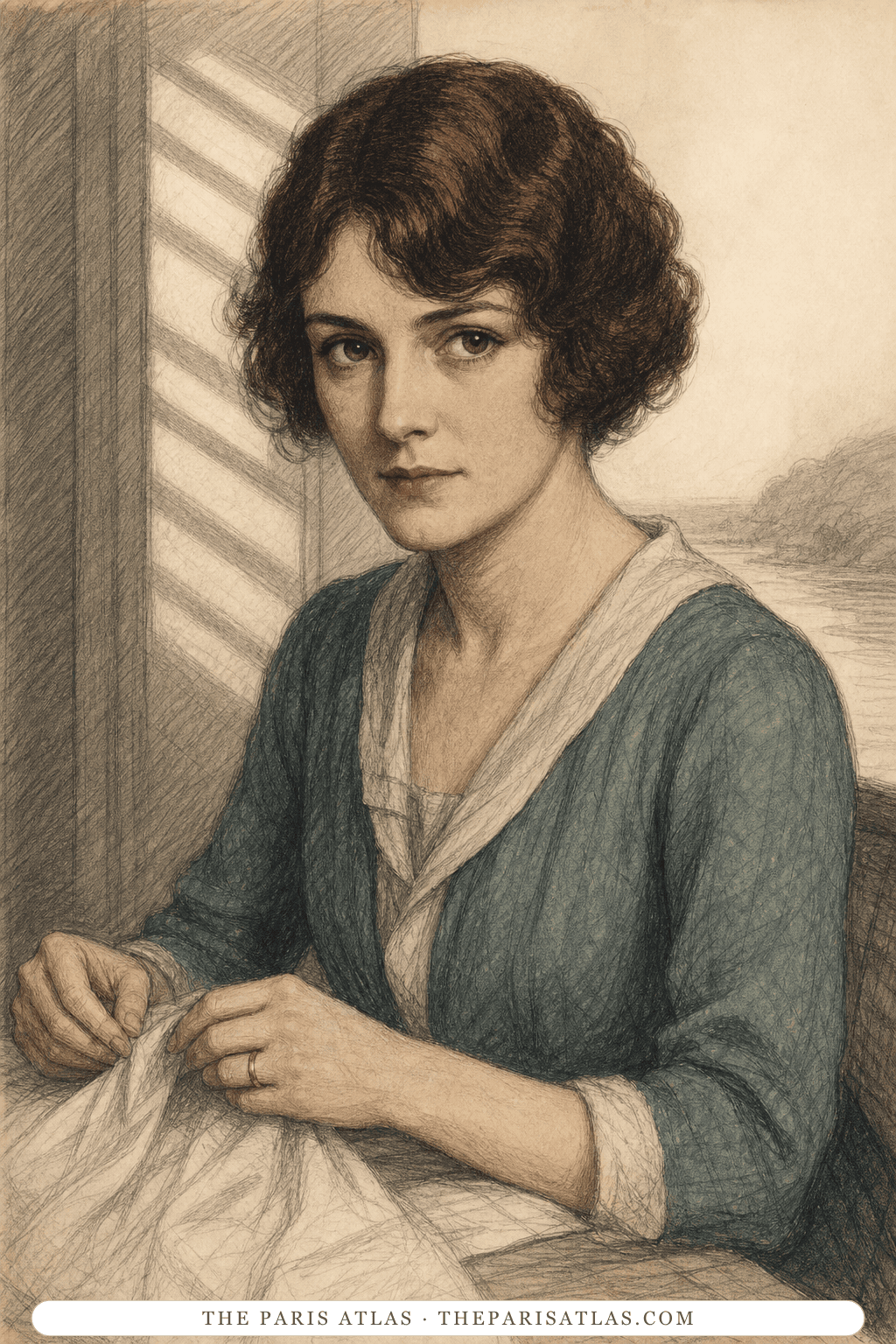
Kitty Fane
The beautiful young woman whose affair, forced journey, work, grief, and relapse form the novel's central story.
At first, to be admired, securely married, and passionately loved; later, to become useful and build a freer life for herself and her child.
The book

At a glance
- Twenty-five at marriage; twenty-seven during the affair
- Daughter of Bernard and Mrs. Garstin; older sister of Doris
- Walter Fane's wife
- Volunteer at the French convent
Who they are in the book
Spoiler-freeKitty is twenty-five when fear of being outmarried by her younger sister pushes her into accepting Walter. Her mother has trained her to think beauty is a limited resource that must be exchanged for status. Kitty is not unintelligent, but she begins the novel with little practice examining her own motives or imagining other people's inner lives.
At twenty-seven, after Walter discovers her affair, Kitty is forced into Mei-tan-fu. She first sees the trip only as punishment. Friendship with Waddington and work at the convent broaden her attention. She learns that Walter is admired for a courage and tenderness she never noticed, and that usefulness can offer a dignity different from admiration.
Kitty's development does not erase weakness. Her return to Charlie after Walter's death shows how desire and habit can survive clear judgment. Her final plan—to care for her father and raise a daughter to be independent—is valuable because it turns insight into a specific responsibility.
How Kitty Fane Is Portrayed
- A celebrated beautyThe novel gives her large dark-brown eyes, long lashes, brown curling hair with a reddish tint, fine teeth, and especially lovely skin.
- Fashionably shingled hairIn Hong Kong she wears her hair in the short shingled style of the 1920s and repairs it quickly after Charlie leaves her bedroom.
- Quick social charmShe has been trained to smile, flirt, dance, and make conversation. Those skills bring attention but do not help her understand Walter or Charlie.
- An increasingly honest observerIn Mei-tan-fu she begins noticing work, fatigue, courage, grief, and kindness rather than only appearance and rank.
- A square chin and large noseKitty's beauty is not doll-like. The novel makes her square chin and larger nose part of a distinctive face rather than a conventionally delicate one.
- Beauty sharpened by feelingHer eyes, skin, hair, and expression become more vivid when she is happy or absorbed. Maugham uses those visible changes to show how strongly her inner life affects the face other people admire.
Kitty becomes pregnant but cannot tell Walter whether the child is his or Charlie's. She does not give Walter a comforting lie. After Walter dies of cholera, Dorothy Townsend takes Kitty in. Kitty sees Charlie, knows exactly what he is, and still sleeps with him again. The relapse destroys any easy claim that the epidemic has purified her.
After her mother's death, Kitty asks to accompany Bernard to the Bahamas. She refuses to turn his duty toward her into another prison and asks instead for the chance to love him. She hopes her baby is a girl whom she can raise to be independent, fearless, and more than a future wife. The ending leaves paternity unresolved and Kitty's success unproven.
If you like The Painted Veil


If you like W. Somerset Maugham
Explore authors with a similar voice, perspective, and influence.
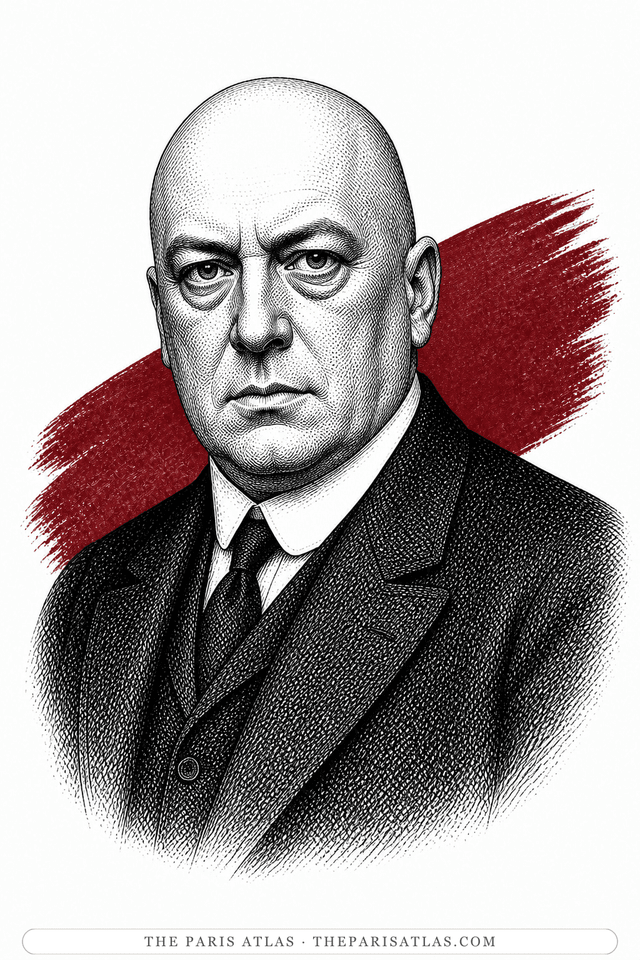
Aleister Crowley
English occultist, writer, mountaineer and founder of Thelema whose long relationship with Paris connected ritual magic to the city’s Belle Époque and interwar artistic worlds.
View author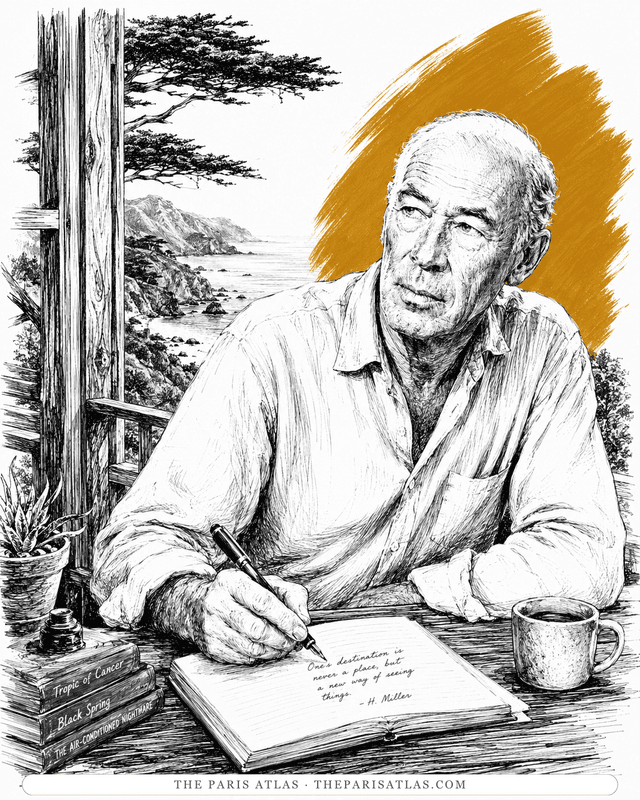
Henry Miller
The Brooklyn dropout who arrived in Paris broke at thirty-eight and wrote the exuberant, banned books that ended American censorship.
View author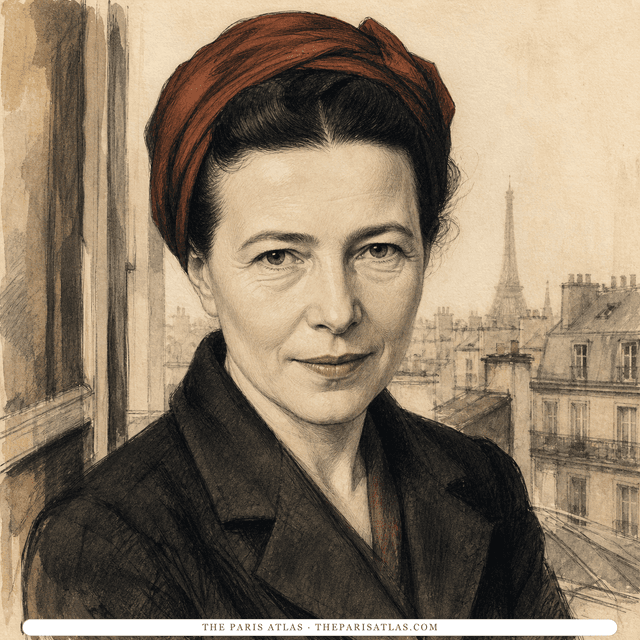
Simone de Beauvoir
French writer and philosopher whose novels, memoirs, and social analysis examined freedom, gender, responsibility, aging, and the material conditions that shape a life.
View author