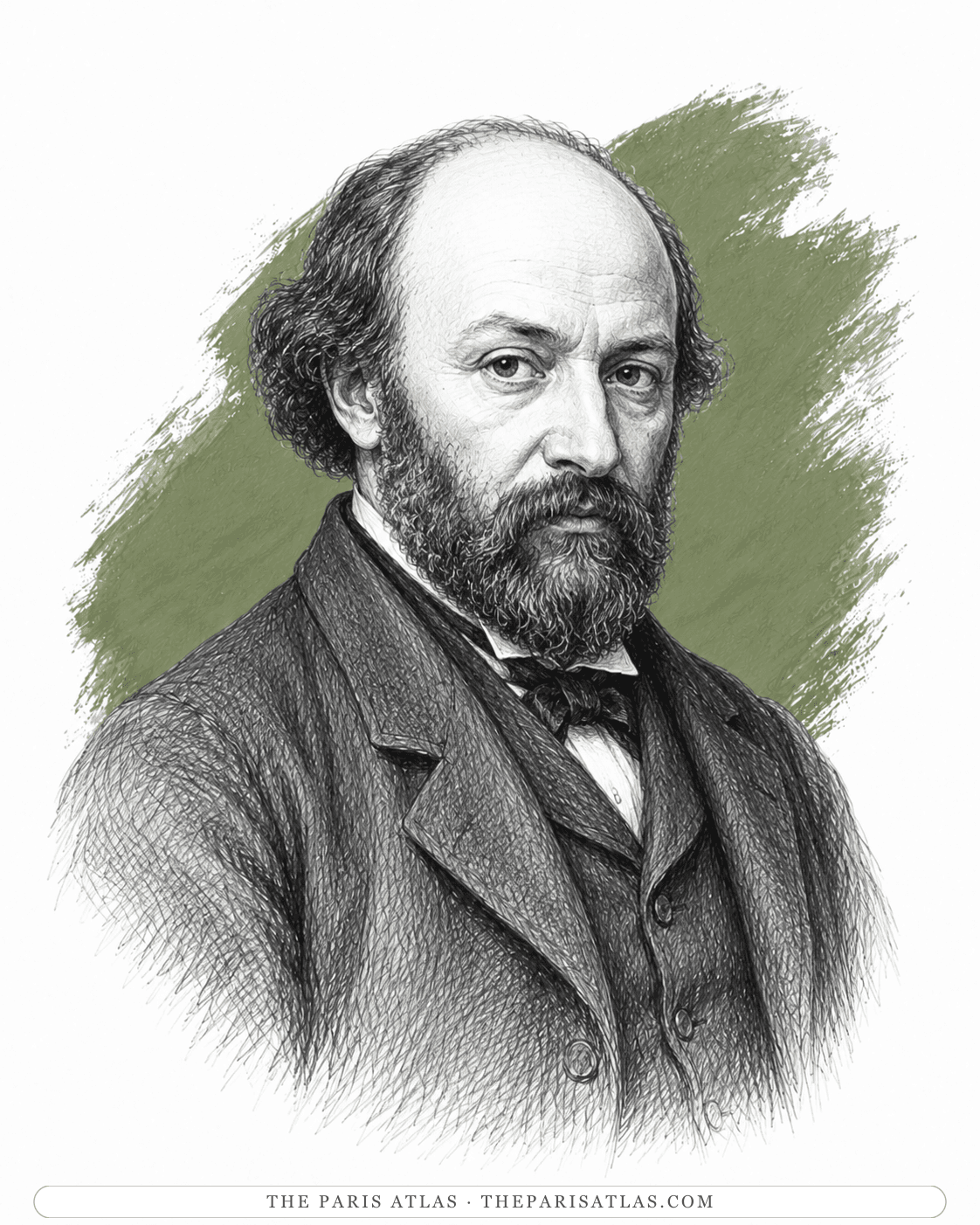
Paul Cézanne
Cezanne took the Ile Saint-Louis apartment on 27 December 1888, with a separate studio on the rue du Val-de-Grace. Not to be confused with the rue d'Anjou in the 8th.
The apartment Paul Cézanne took on the Île Saint-Louis at the end of 1888, in the years when he had money, no reputation to speak of, and was painting the pictures that would rearrange European art after his death.
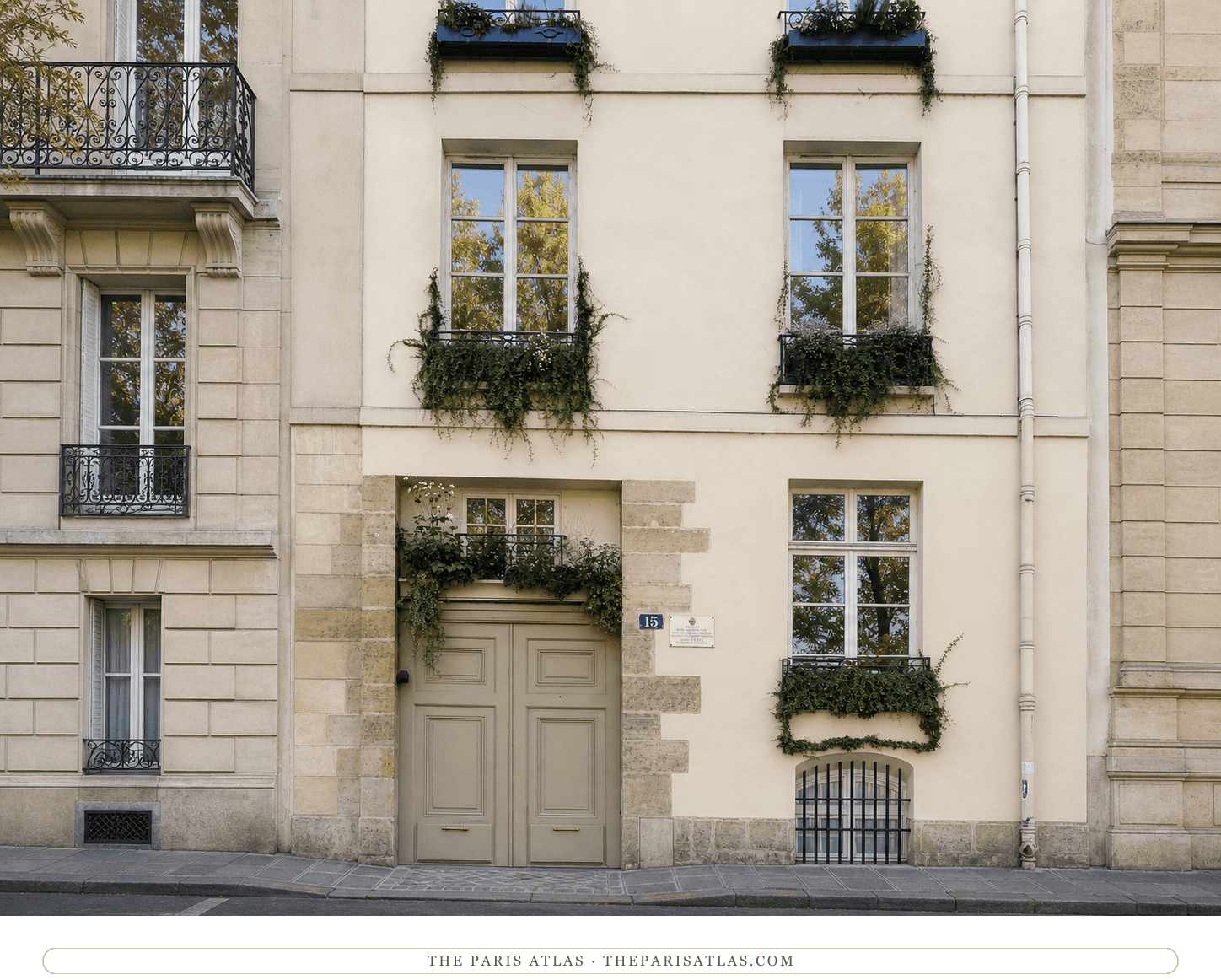
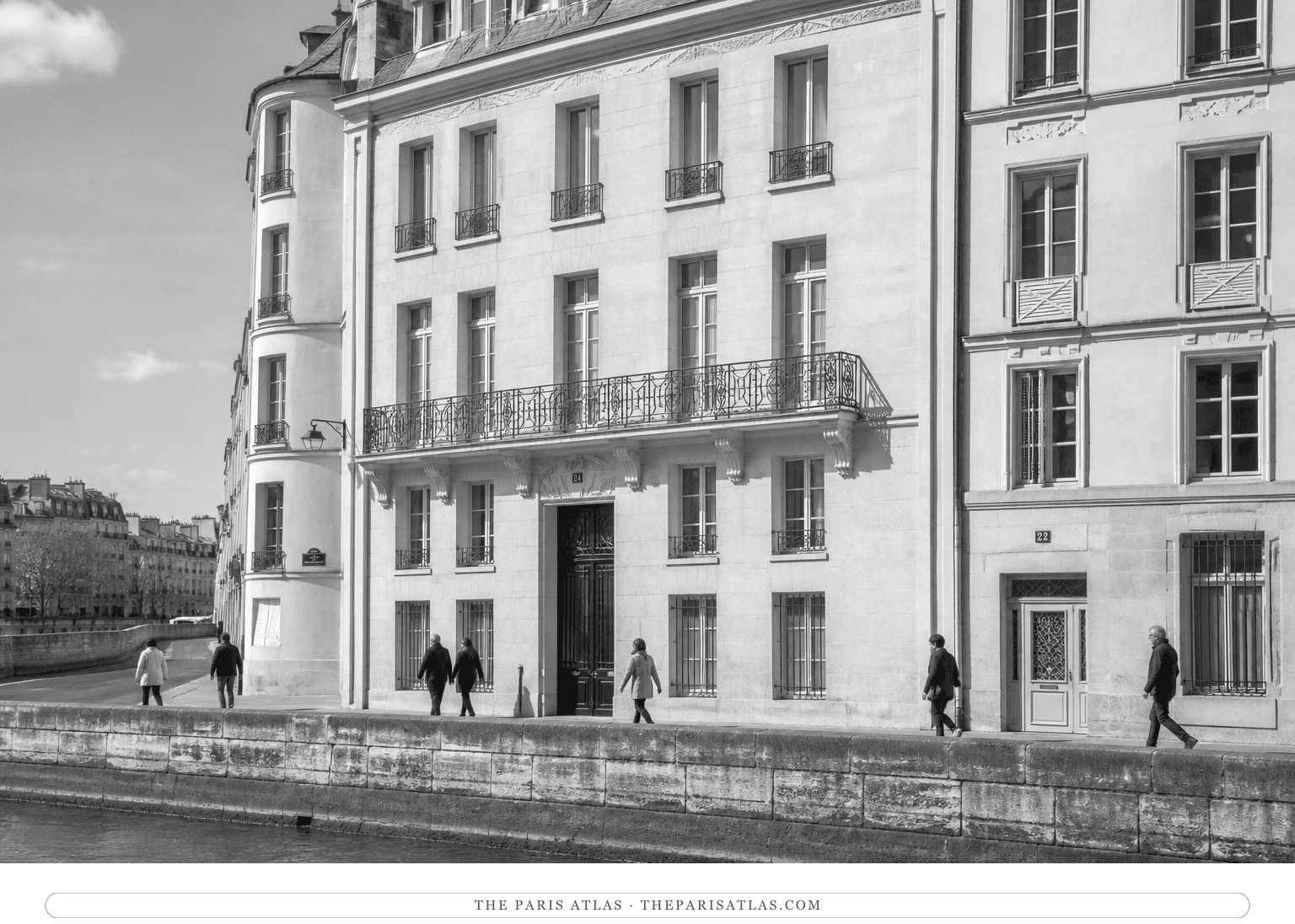
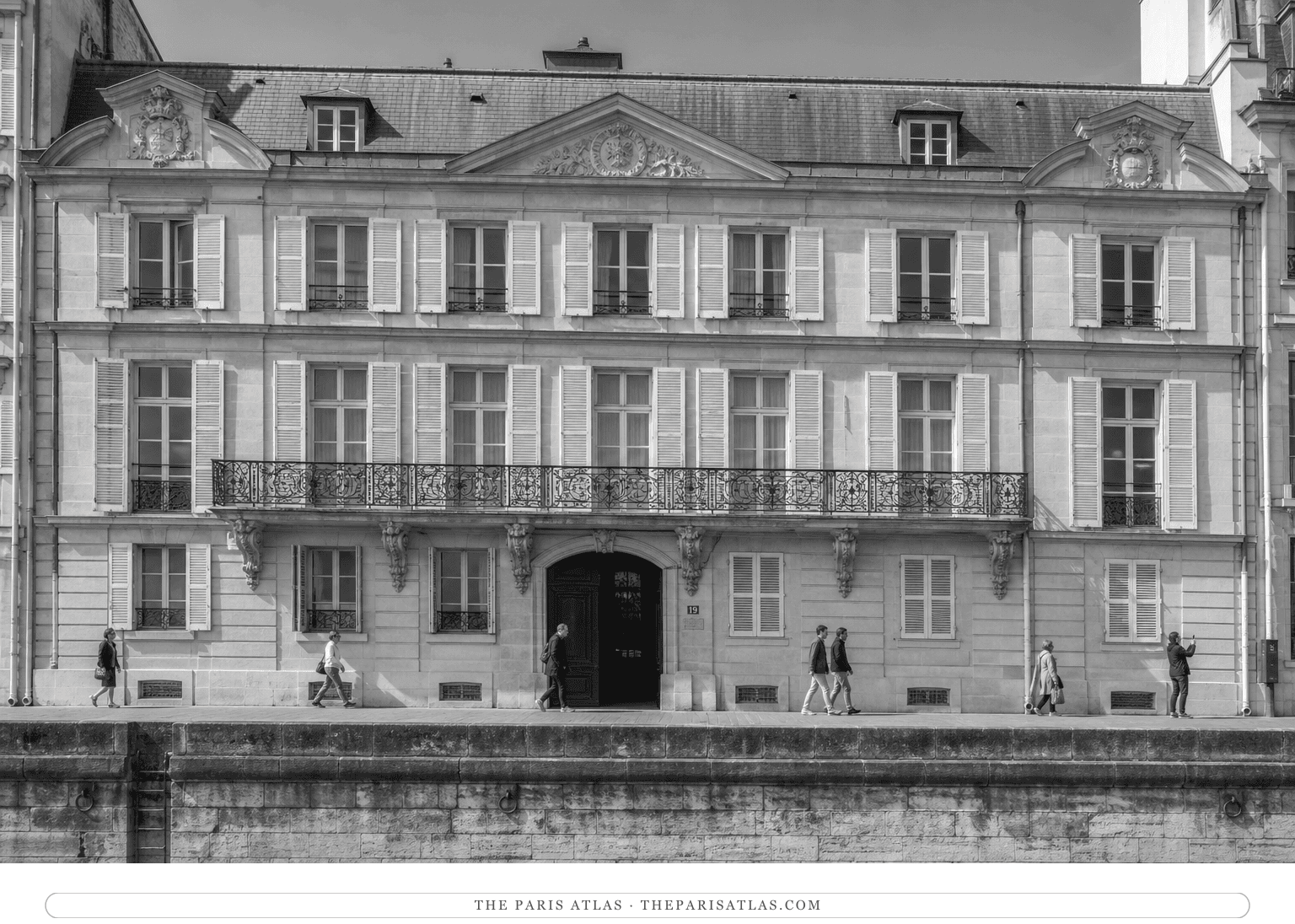
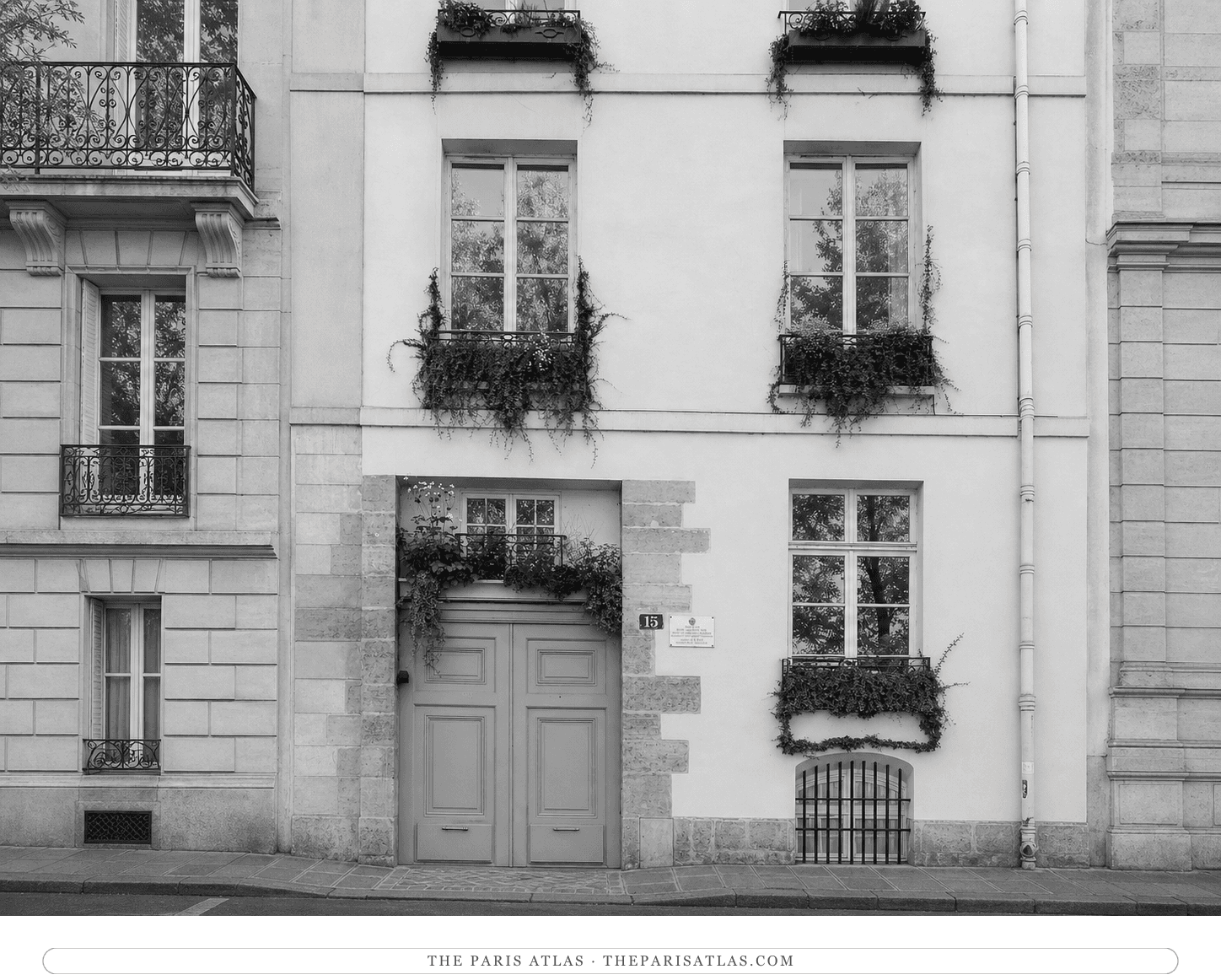
Paul Cézanne moved into 15 quai d'Anjou on 27 December 1888, on the northern quay of the Île Saint-Louis, with a separate studio on the rue du Val-de-Grâce.
He was forty-nine. His father had died two years earlier leaving him comfortable, his marriage to Hortense Fiquet was effectively over as a shared life, and he had broken with Émile Zola. The isolation that people find so striking in the late work was by this point substantially real.
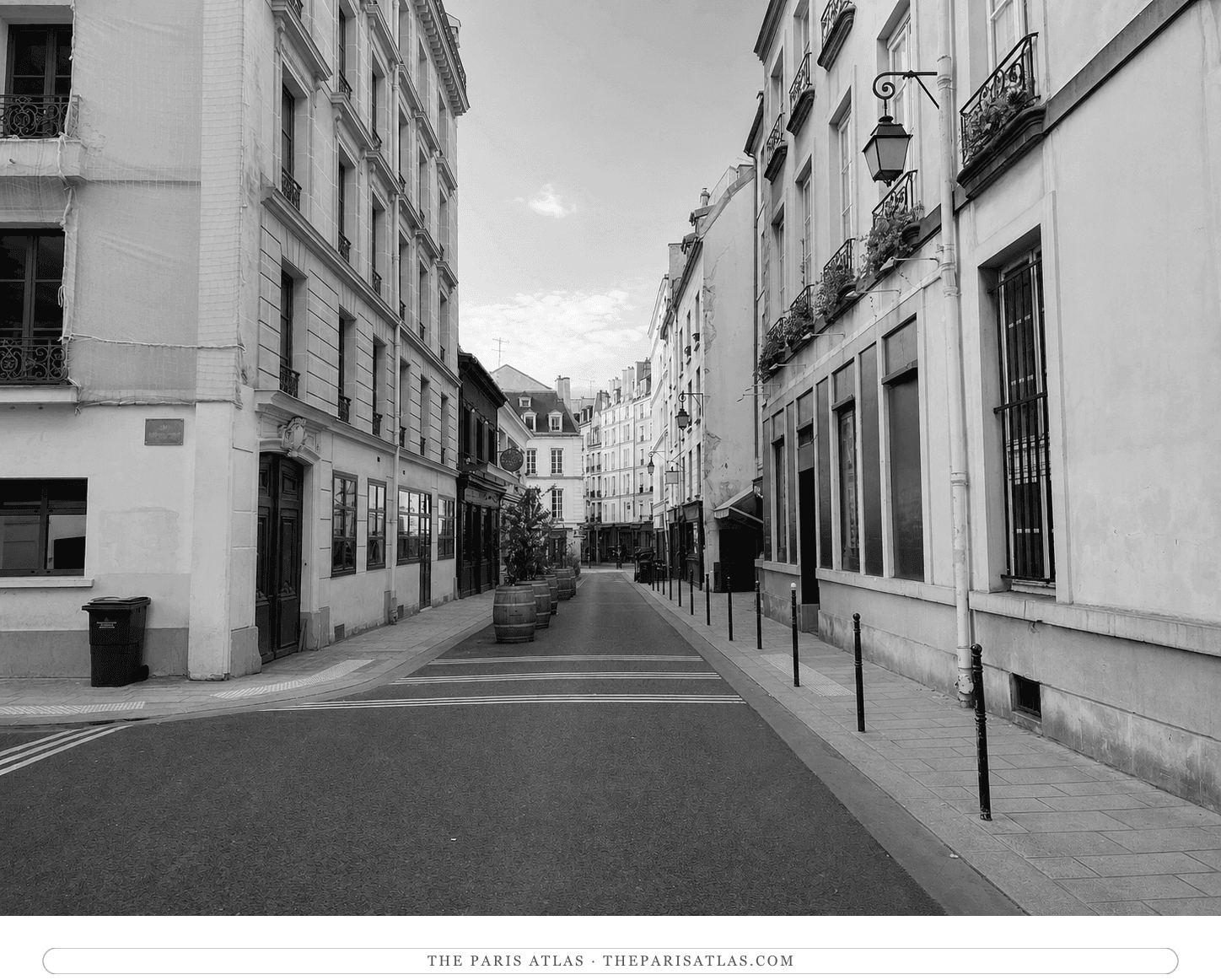
The island suited him. It is the quietest inhabited part of central Paris, a single street of seventeenth-century houses with the river on both sides, and a man who wanted to be left alone could be.
The pictures of these years are the ones the twentieth century built on: the bathers, the card players, the still lifes where the tabletop tilts and the objects hold their place by weight rather than perspective. Almost nobody in Paris was looking at them yet. That would not happen until Vollard's exhibition seven years later.
His father dies; Cézanne becomes financially independent.
He takes the quai d'Anjou apartment on 27 December.
Vollard's exhibition finally makes his reputation.
Yes, from the end of December 1888, at 15 quai d'Anjou, with a separate studio on the rue du Val-de-Grâce.
No. The quai d'Anjou is on the Île Saint-Louis in the 4th; the rue d'Anjou is in the 8th. They are unrelated streets and easily confused in the literature.
Cezanne took the Ile Saint-Louis apartment on 27 December 1888, with a separate studio on the rue du Val-de-Grace. Not to be confused with the rue d'Anjou in the 8th.
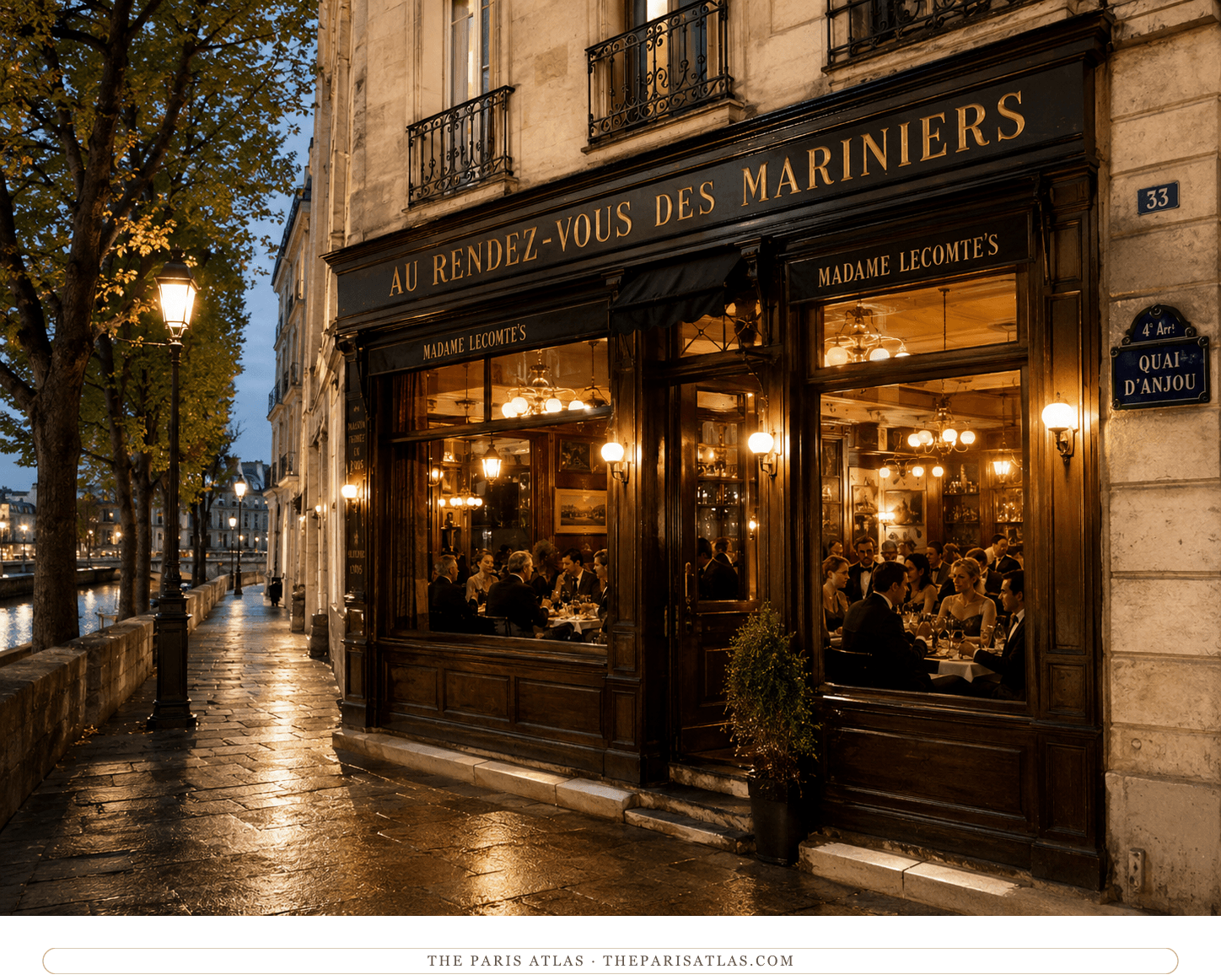
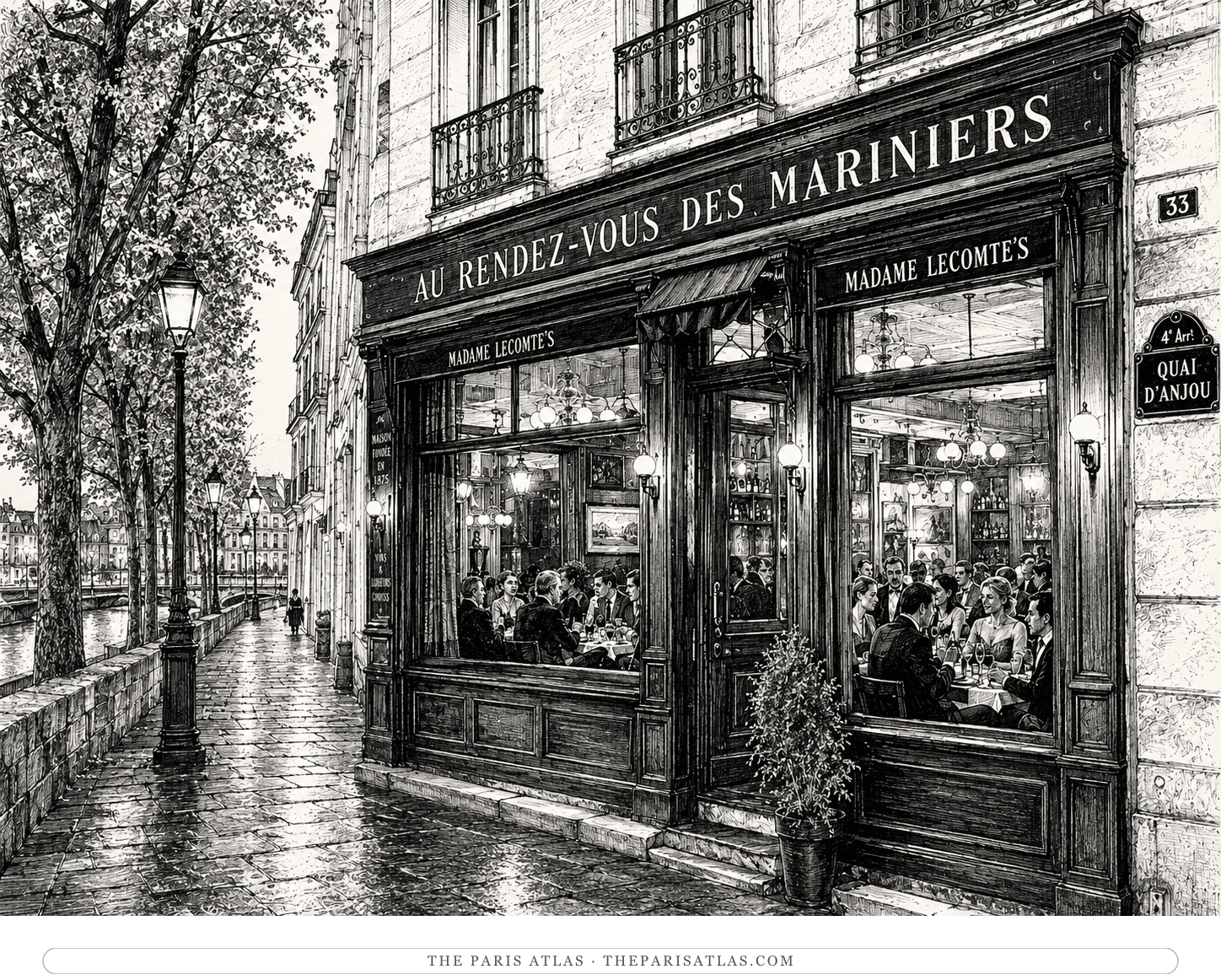
The riverside table on the far side of the Île Saint-Louis — wonderful food, Madame Lecomte at the door, and a forty-five-minute wait since the Americans found it.
Visit the place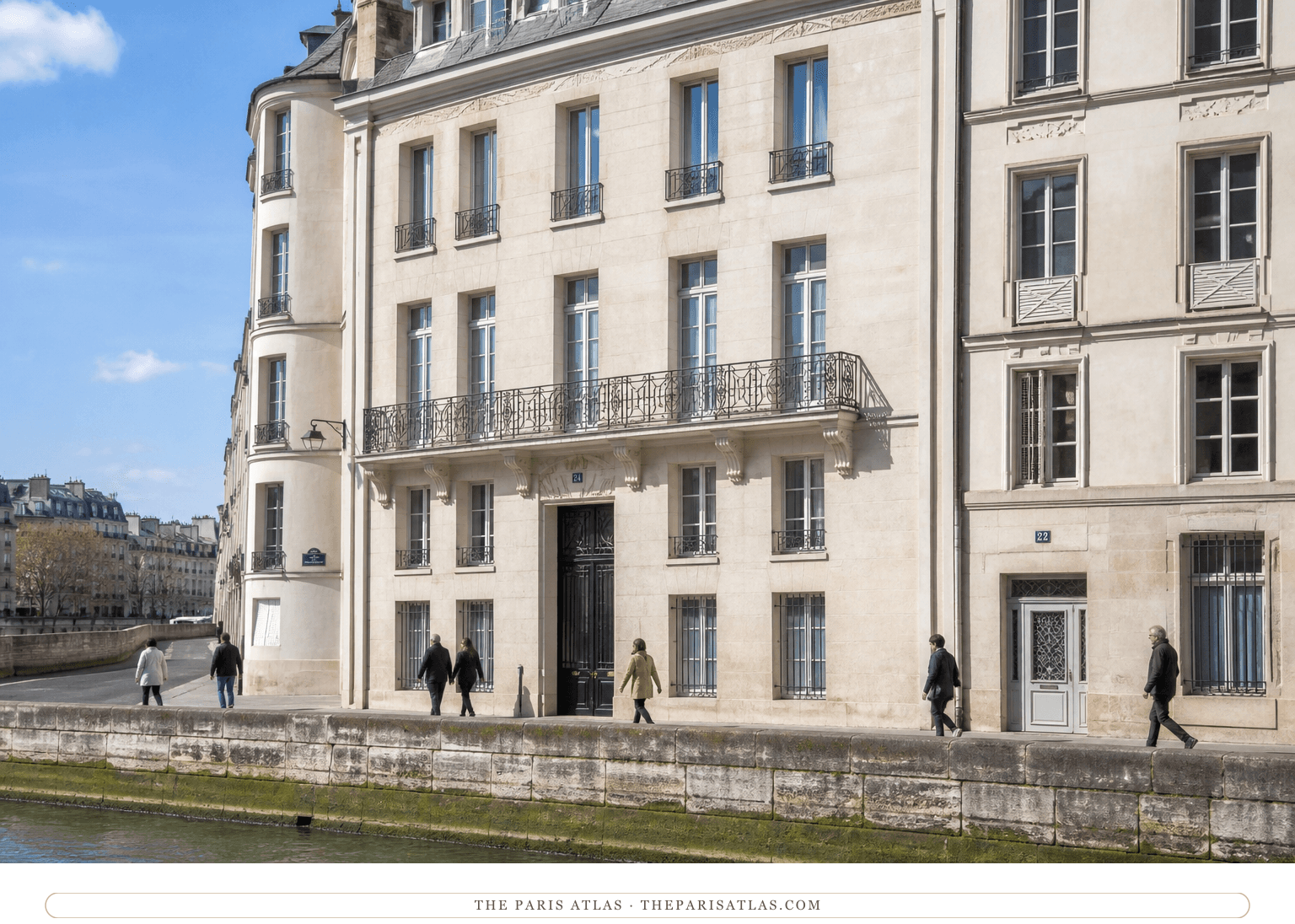
The Île Saint-Louis apartment of the cosmetics magnate and collector Helena Rubinstein, whose gatherings Marc Chagall attended — one of the private rooms where the École de Paris was actually bought.
Visit the place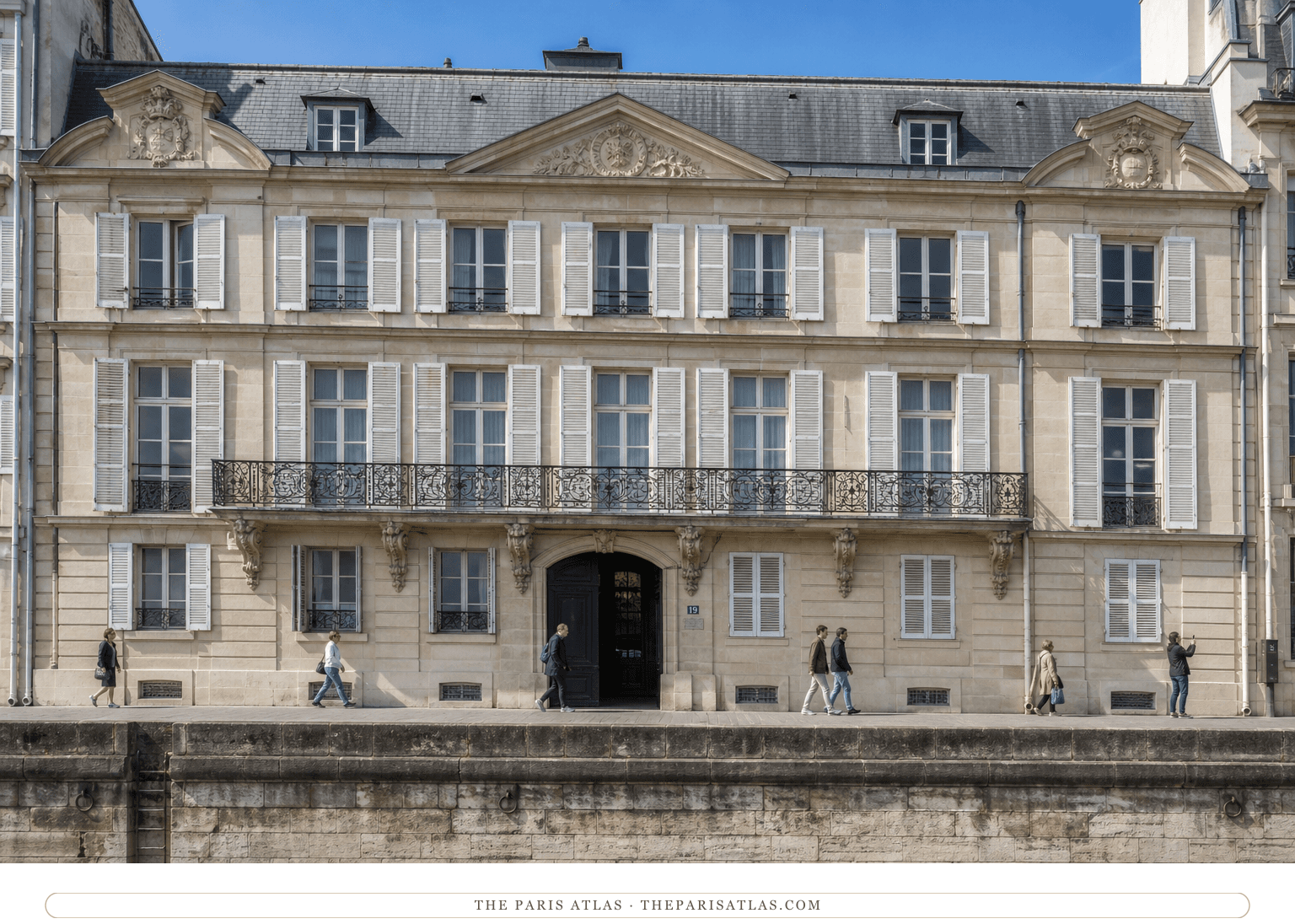
The last place Camille Claudel lived and worked — a very small studio at the back of the courtyard of the Hôtel de Jassaud on the Île Saint-Louis, from January 1899 until she was committed in 1913. The building stands and carries a plaque; the studio is private.
Visit the place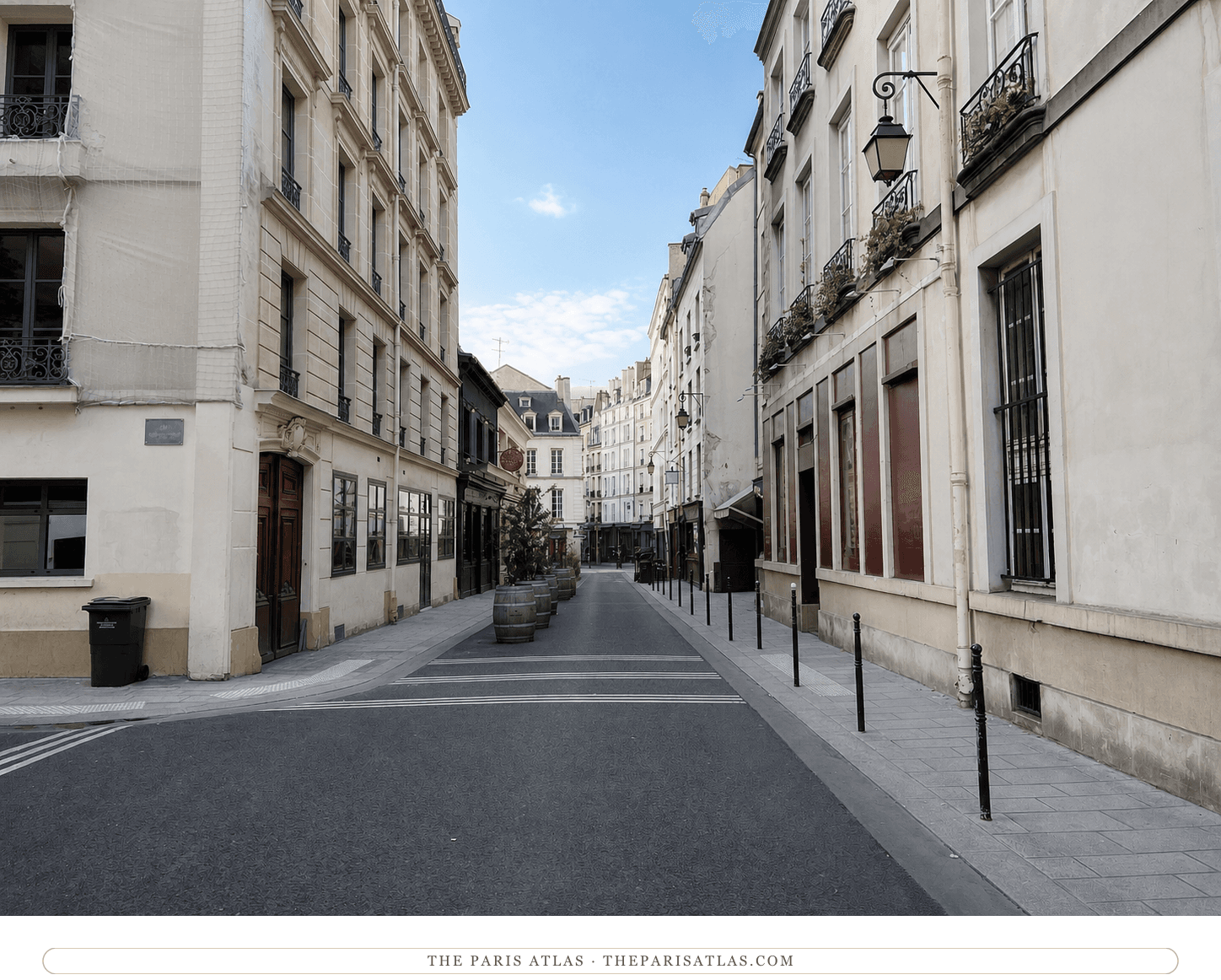
The seventeenth-century Marais mansion where Paul Cézanne took a top-floor room in 1865, in the years when the Salon was rejecting him annually and almost nobody thought he could paint.
Visit the placeThe sources below include histories, archival materials, scholarly research, and official records that informed this page. They document 15 quai d'Anjou, the people connected to it, and its place in Paris.


Web source consulted for documented facts and historical context presented on the 15 quai d'Anjou page.
Web source consulted for documented facts and historical context presented on the 15 quai d'Anjou page.
Web source consulted for documented facts and historical context presented on the 15 quai d'Anjou page.
Web source consulted for documented facts and historical context presented on the 15 quai d'Anjou page.
These references provide the documented foundation for this page's history and context. Claim-level citations remain attached to the specific claims they support.
 Explore more resources
Newsletter
The cafés, studios, and walk-up flats where the work was made — one story from the map in every letter.