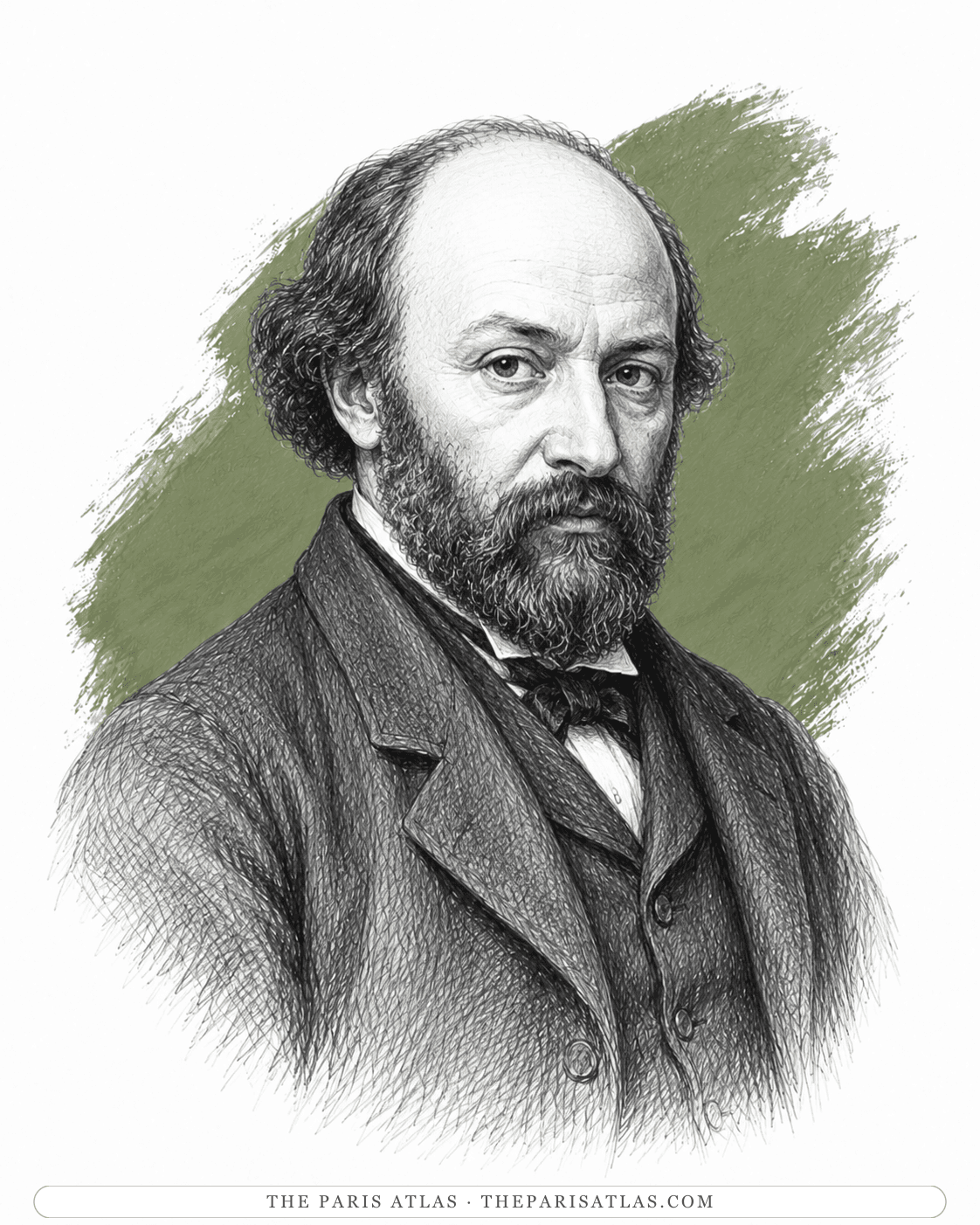
Paul Cézanne
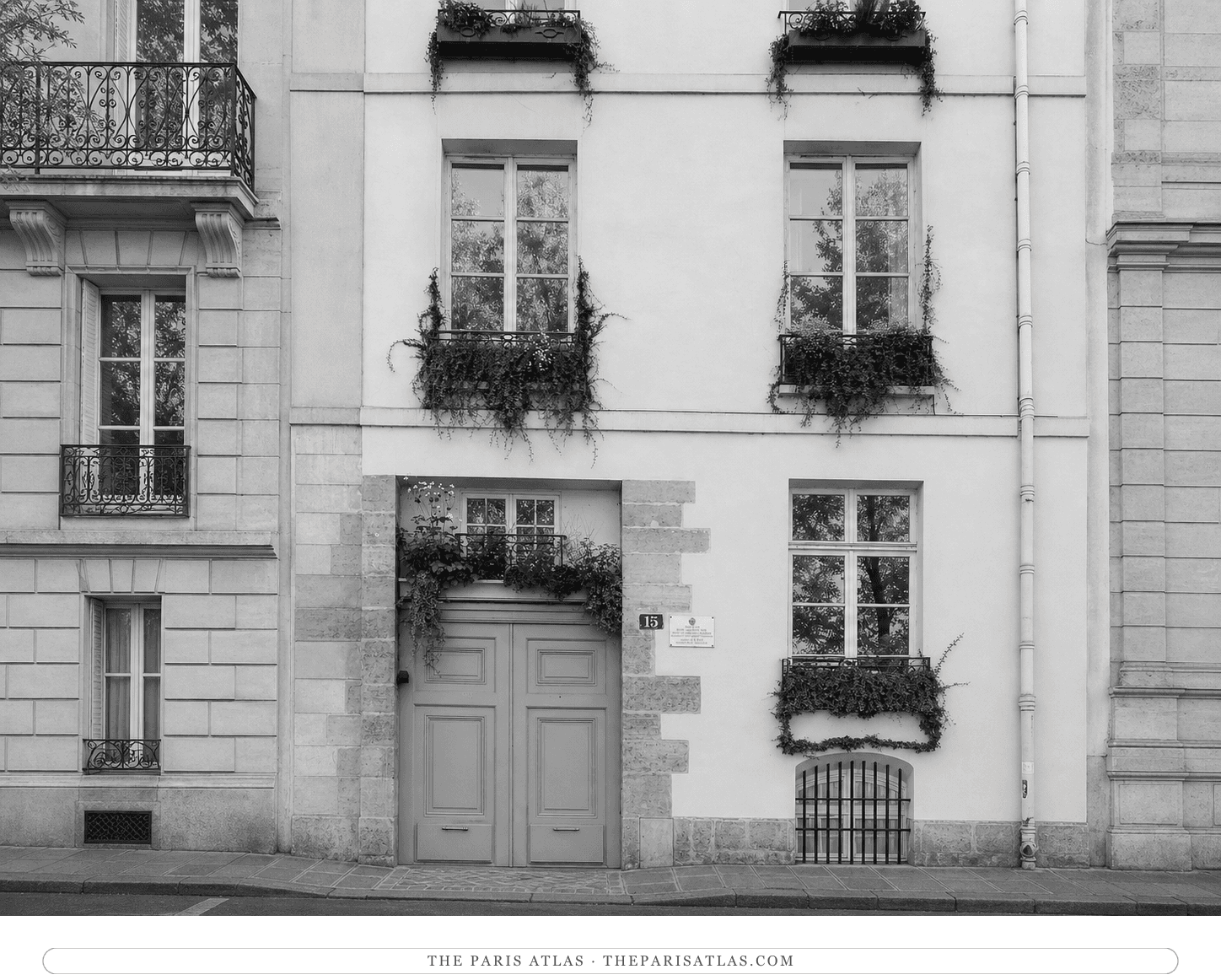
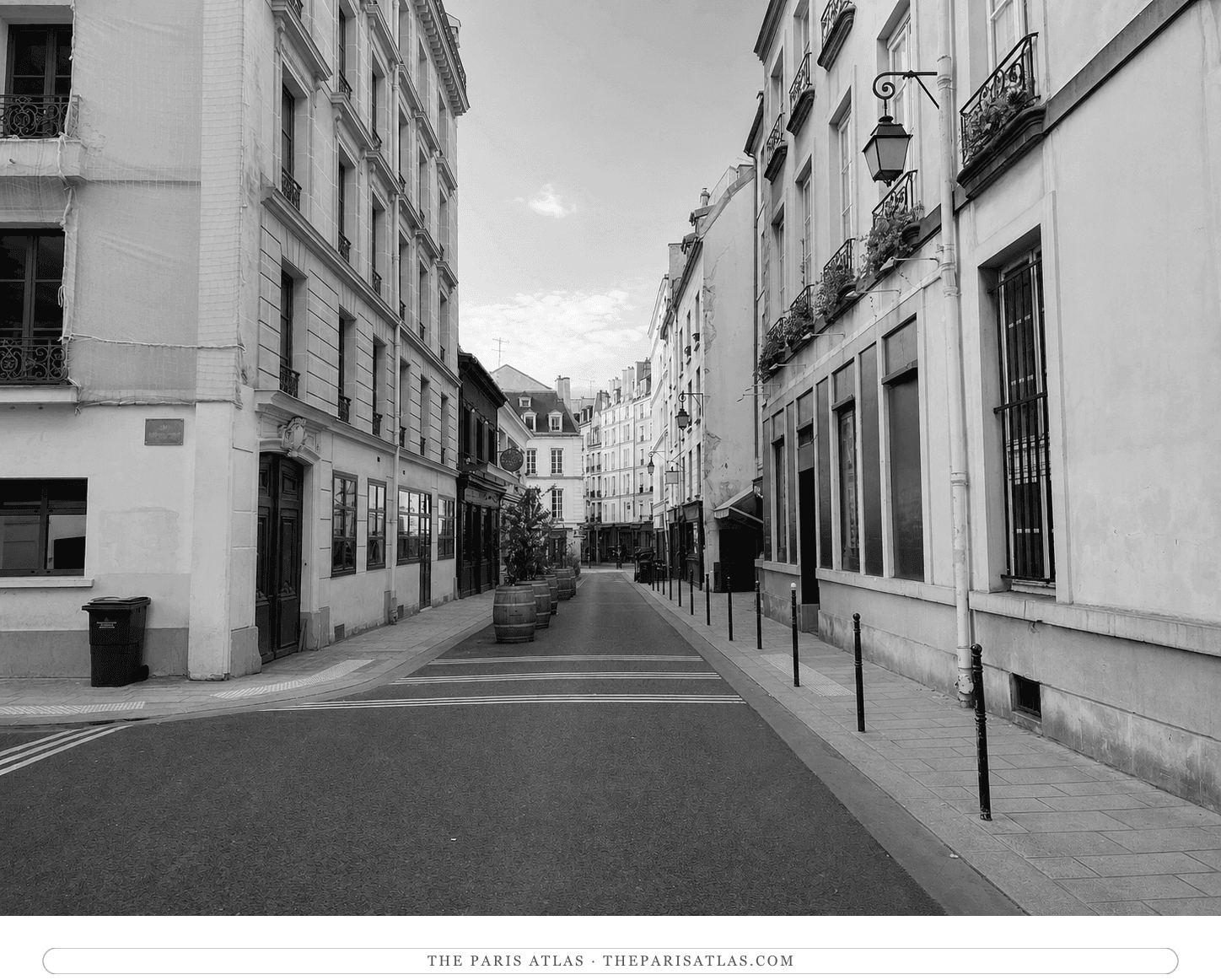
Cezanne rented a top-floor room in this seventeenth-century Marais house in 1865, in the years of repeated Salon rejection. The painter Francisco Oller was in the same building.
The seventeenth-century Marais mansion where Paul Cézanne took a top-floor room in 1865, in the years when the Salon was rejecting him annually and almost nobody thought he could paint.
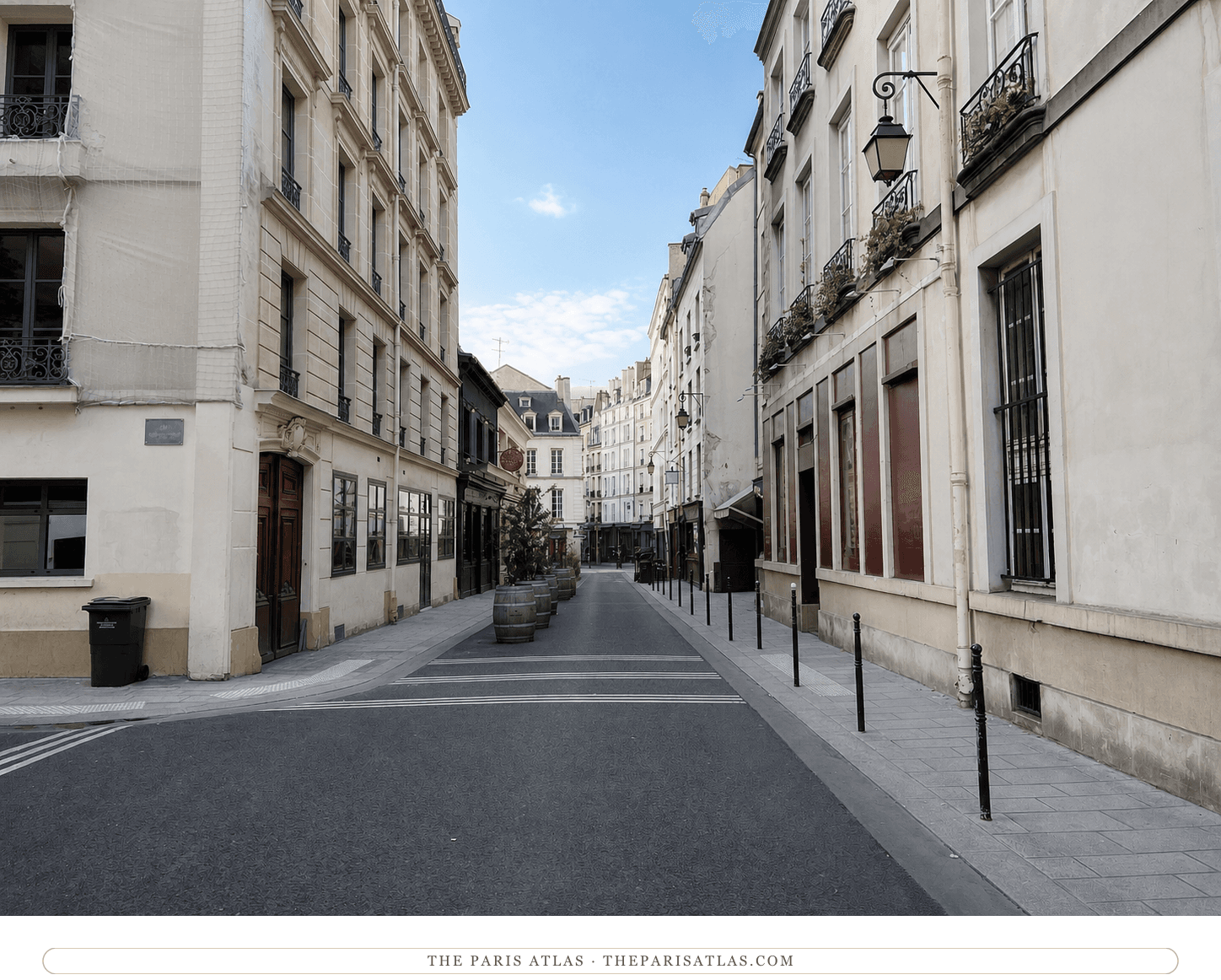
In 1865 Paul Cézanne was renting a small room high in this seventeenth-century house in the Marais. His friend the Puerto Rican painter Francisco Oller was in the same building.
These are the hardest years. Cézanne submitted to the Salon and was rejected, submitted again, was rejected again, and kept submitting for the better part of two decades with a persistence that his contemporaries found either heroic or ridiculous. The early work is dark, thickly loaded and often violent in subject, painted with a palette knife and nothing like the calm structural pictures of his last decades.
The Marais in the 1860s was not the expensive quarter it is now. It was a working district of workshops and cheap rooms in decayed aristocratic houses, which is exactly what a painter with an allowance from a disapproving father could afford.
The building stands, and its period architecture is intact. It is private.
Cézanne rents a top-floor room at 22 rue Beautreillis.
He submits to the Salon repeatedly and is rejected almost every year.
The early dark work — heavily loaded, often applied with a palette knife, with violent or romantic subjects. It looks almost nothing like the structural landscapes and still lifes of his later career.
Cezanne rented a top-floor room in this seventeenth-century Marais house in 1865, in the years of repeated Salon rejection. The painter Francisco Oller was in the same building.
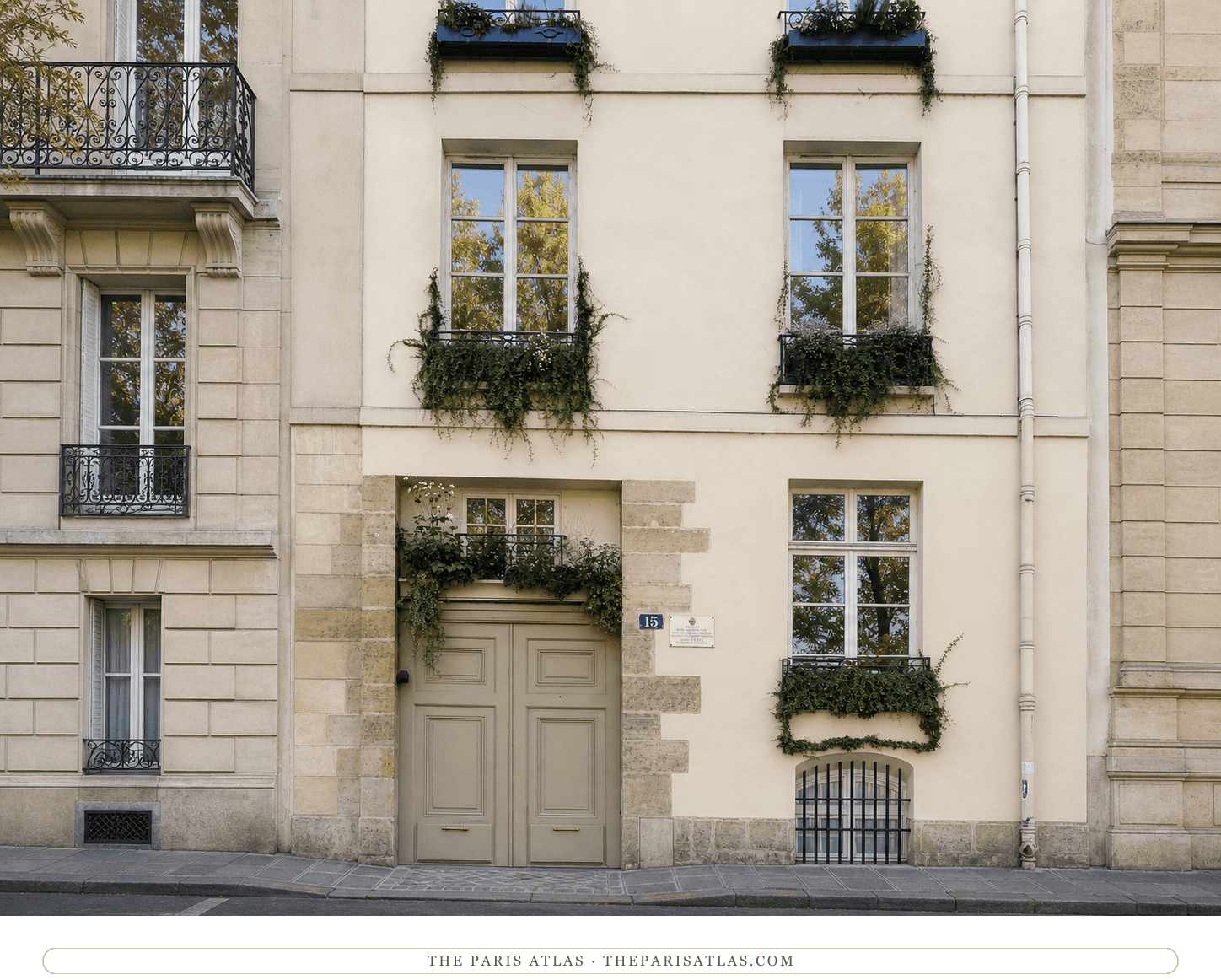
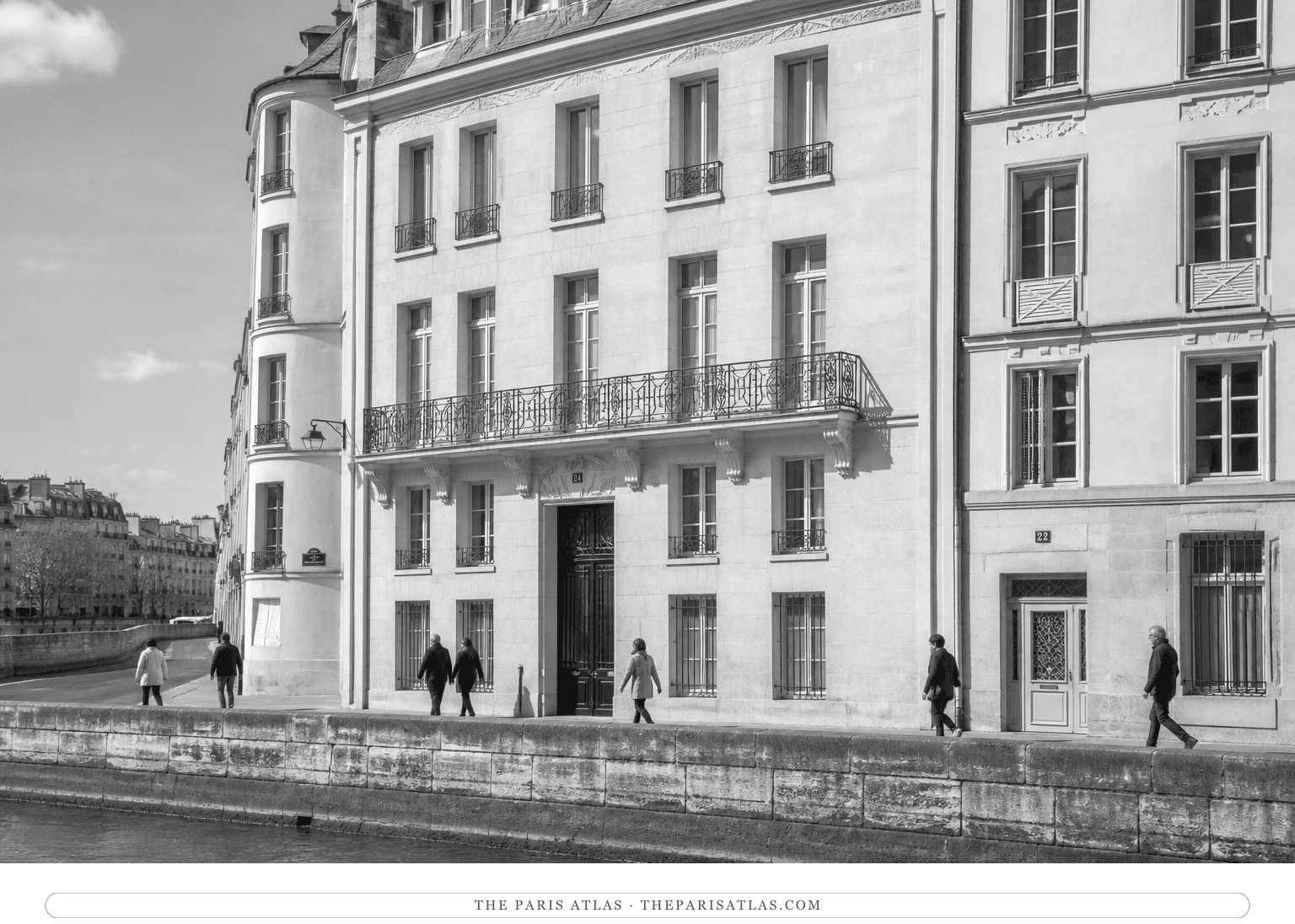
The apartment Paul Cézanne took on the Île Saint-Louis at the end of 1888, in the years when he had money, no reputation to speak of, and was painting the pictures that would rearrange European art after his death.
Visit the place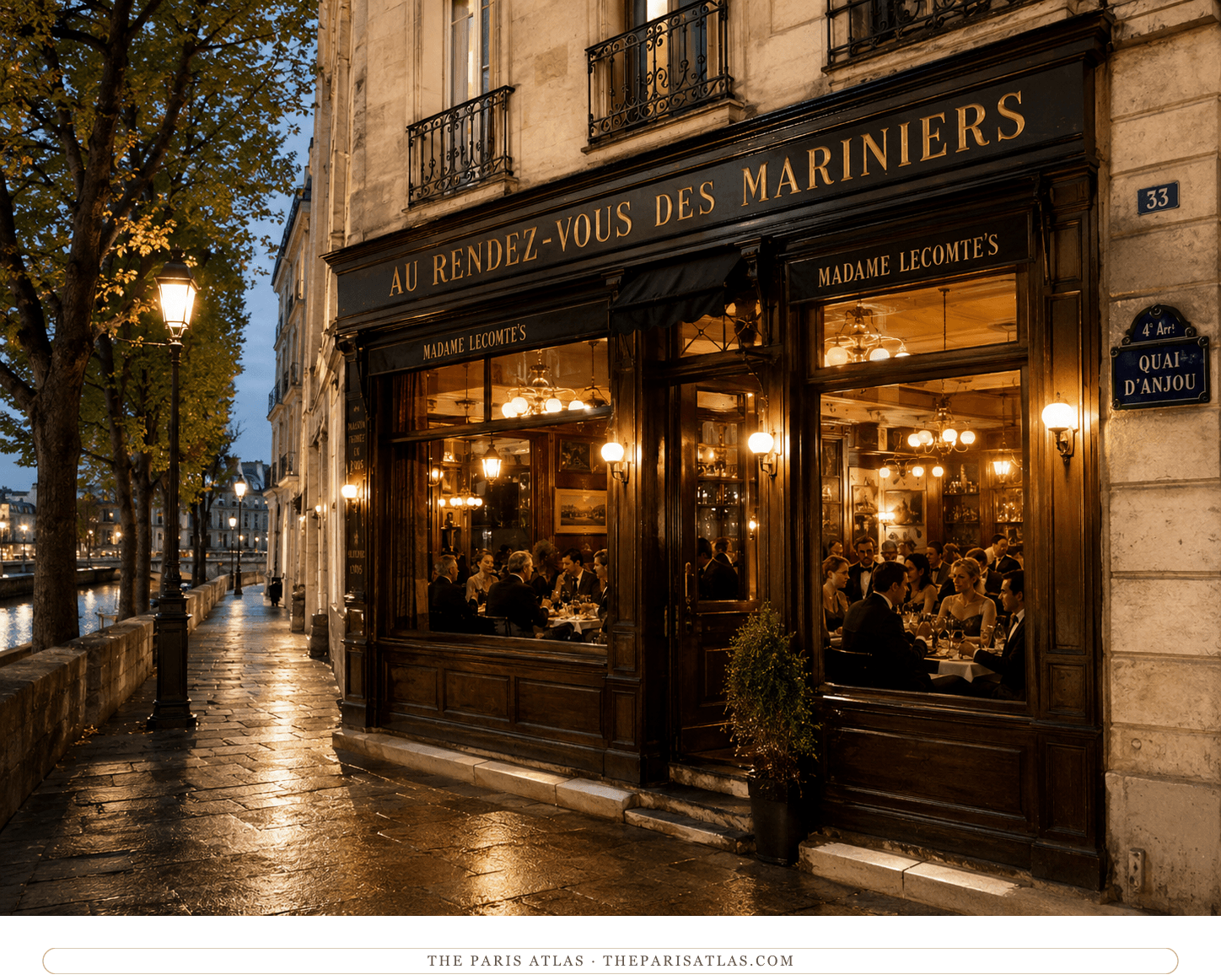
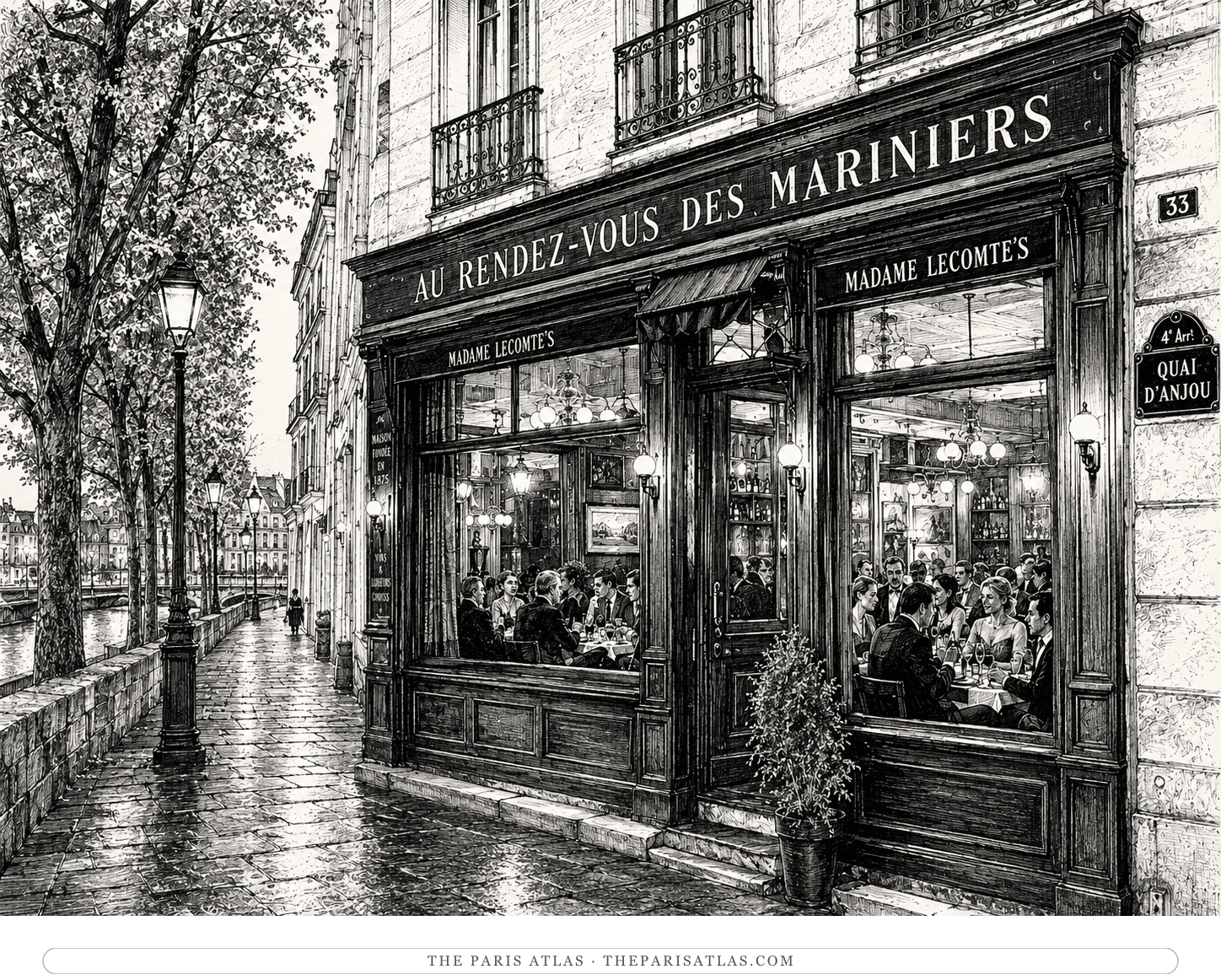
The riverside table on the far side of the Île Saint-Louis — wonderful food, Madame Lecomte at the door, and a forty-five-minute wait since the Americans found it.
Visit the place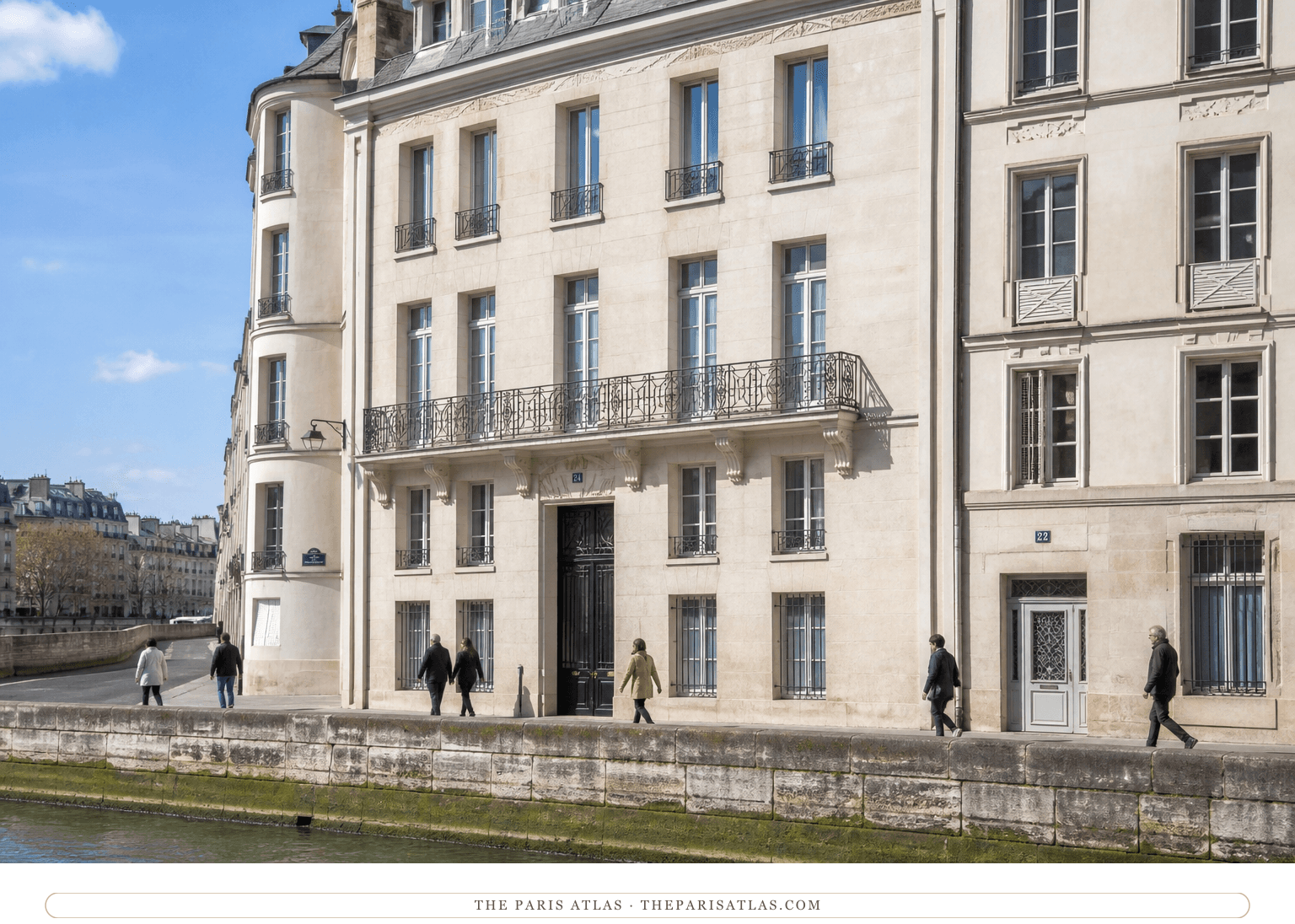
The Île Saint-Louis apartment of the cosmetics magnate and collector Helena Rubinstein, whose gatherings Marc Chagall attended — one of the private rooms where the École de Paris was actually bought.
Visit the place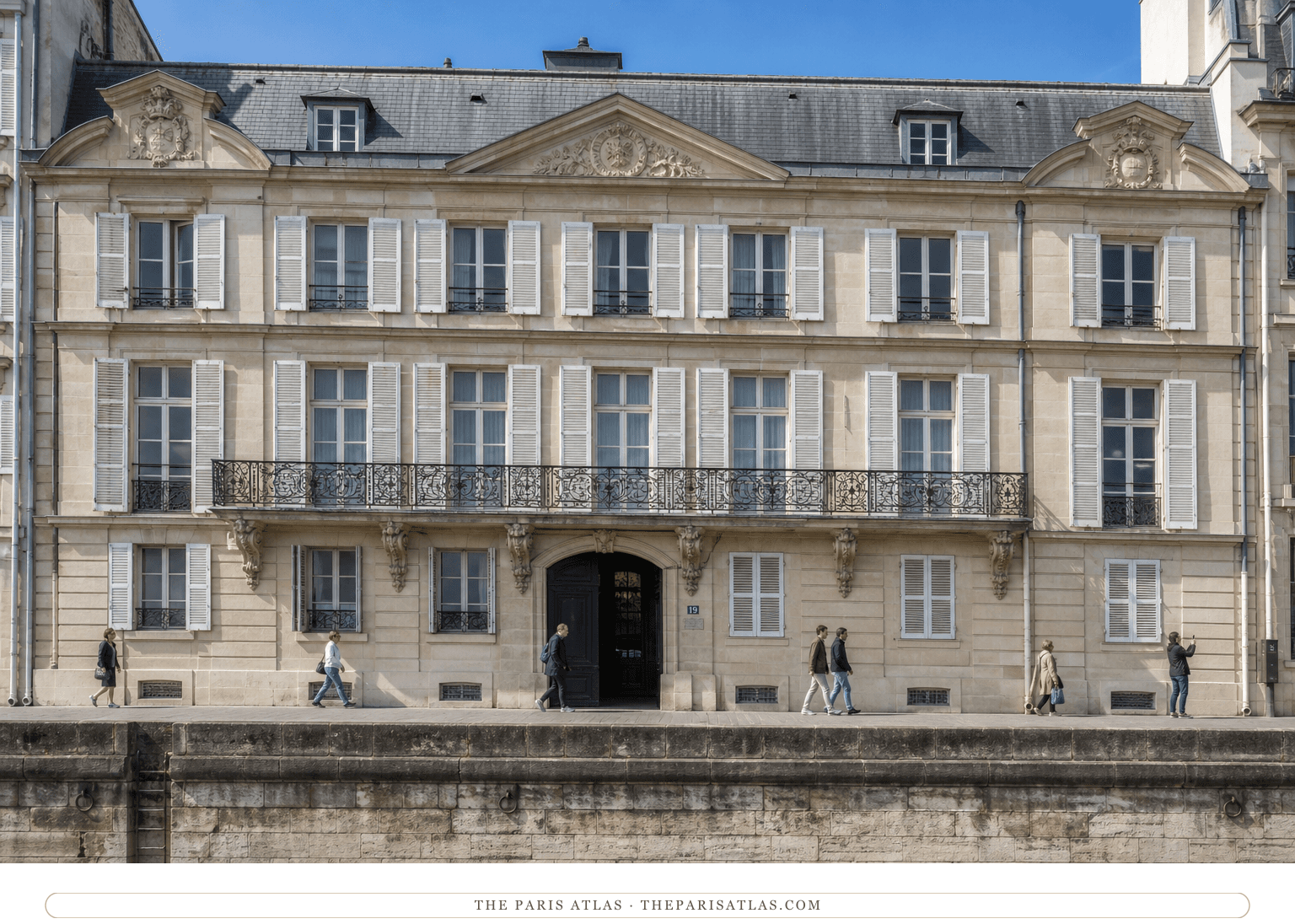
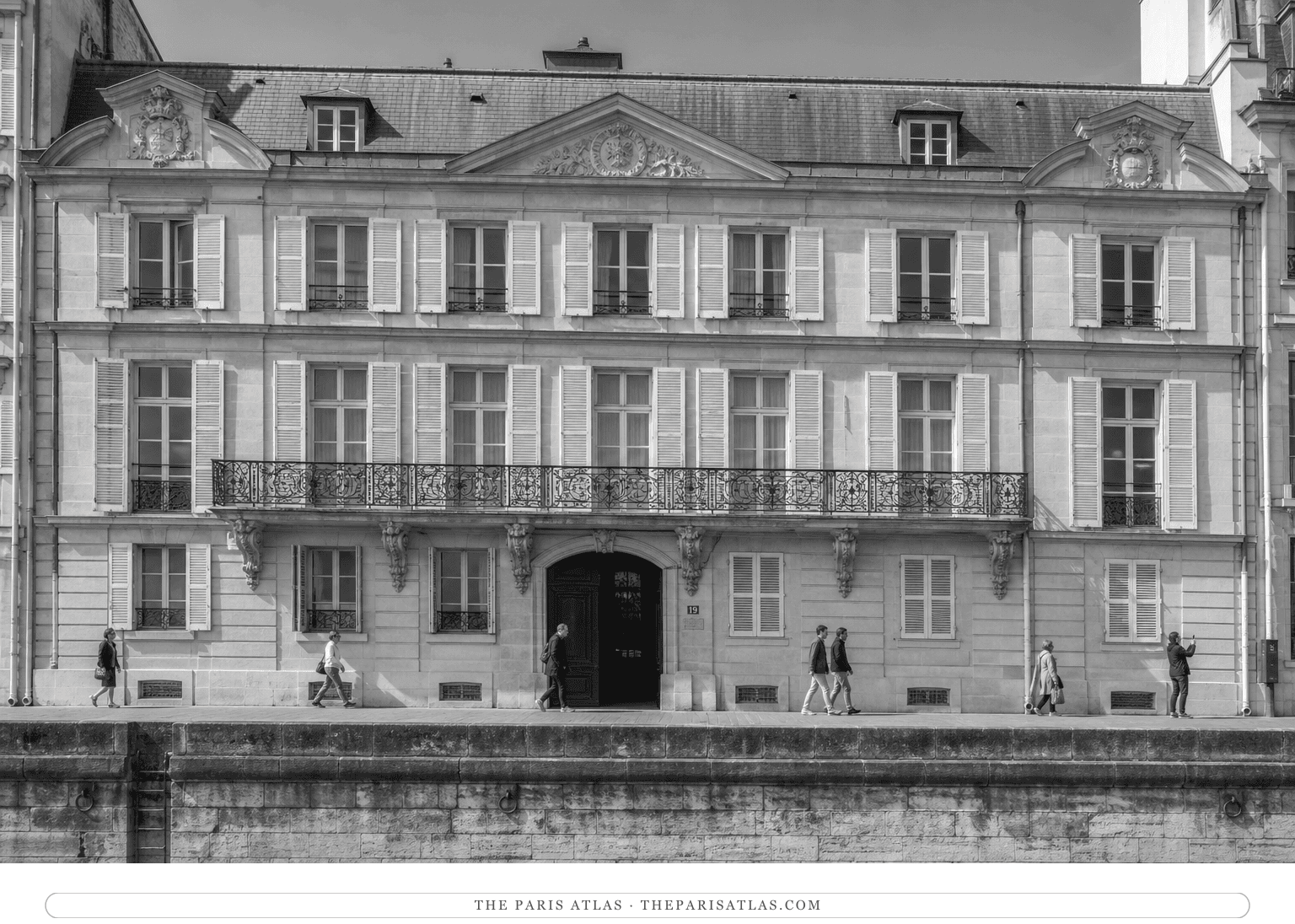
The last place Camille Claudel lived and worked — a very small studio at the back of the courtyard of the Hôtel de Jassaud on the Île Saint-Louis, from January 1899 until she was committed in 1913. The building stands and carries a plaque; the studio is private.
Visit the placeThe sources below include histories, archival materials, scholarly research, and official records that informed this page. They document 22 rue Beautreillis, the people connected to it, and its place in Paris.


Web source consulted for documented facts and historical context presented on the 22 rue Beautreillis page.
Web source consulted for documented facts and historical context presented on the 22 rue Beautreillis page.
Web source consulted for documented facts and historical context presented on the 22 rue Beautreillis page.
Web source consulted for documented facts and historical context presented on the 22 rue Beautreillis page.
These references provide the documented foundation for this page's history and context. Claim-level citations remain attached to the specific claims they support.
 Explore more resources
Newsletter
The cafés, studios, and walk-up flats where the work was made — one story from the map in every letter.