The Paris AtlasCharting the artists, works, and places worth returning to.

Library · Saint-Germain-des-Prés, on the quai facing the Louvre · 6e arrondissement

Bibliothèque Mazarine

The buildingStill standing
Getting inWalk straight in
What's there nowStill the same

France's oldest public library, still a working reading room. Open to readers and visitors — one of the few Proust locations you can simply walk into.

France's oldest public library, in the Institut de France on the quai de Conti. Marcel Proust was appointed an unpaid attaché here in 1895 — a post he held while, by the city's own dry account, showing up only rarely.

Address
23 quai de Conti, 75006 Paris
Years
Proust was appointed an unpaid attaché in 1895
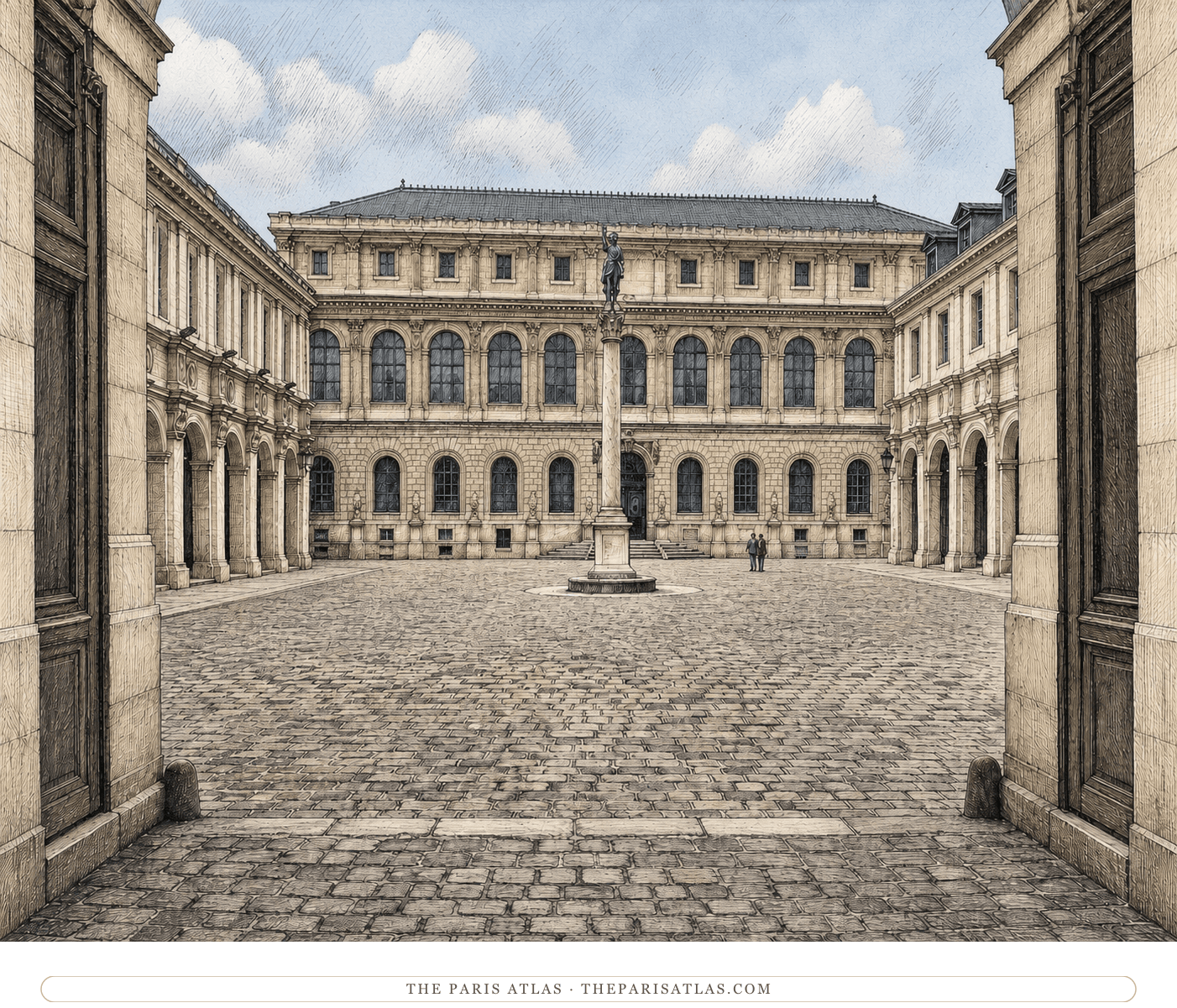
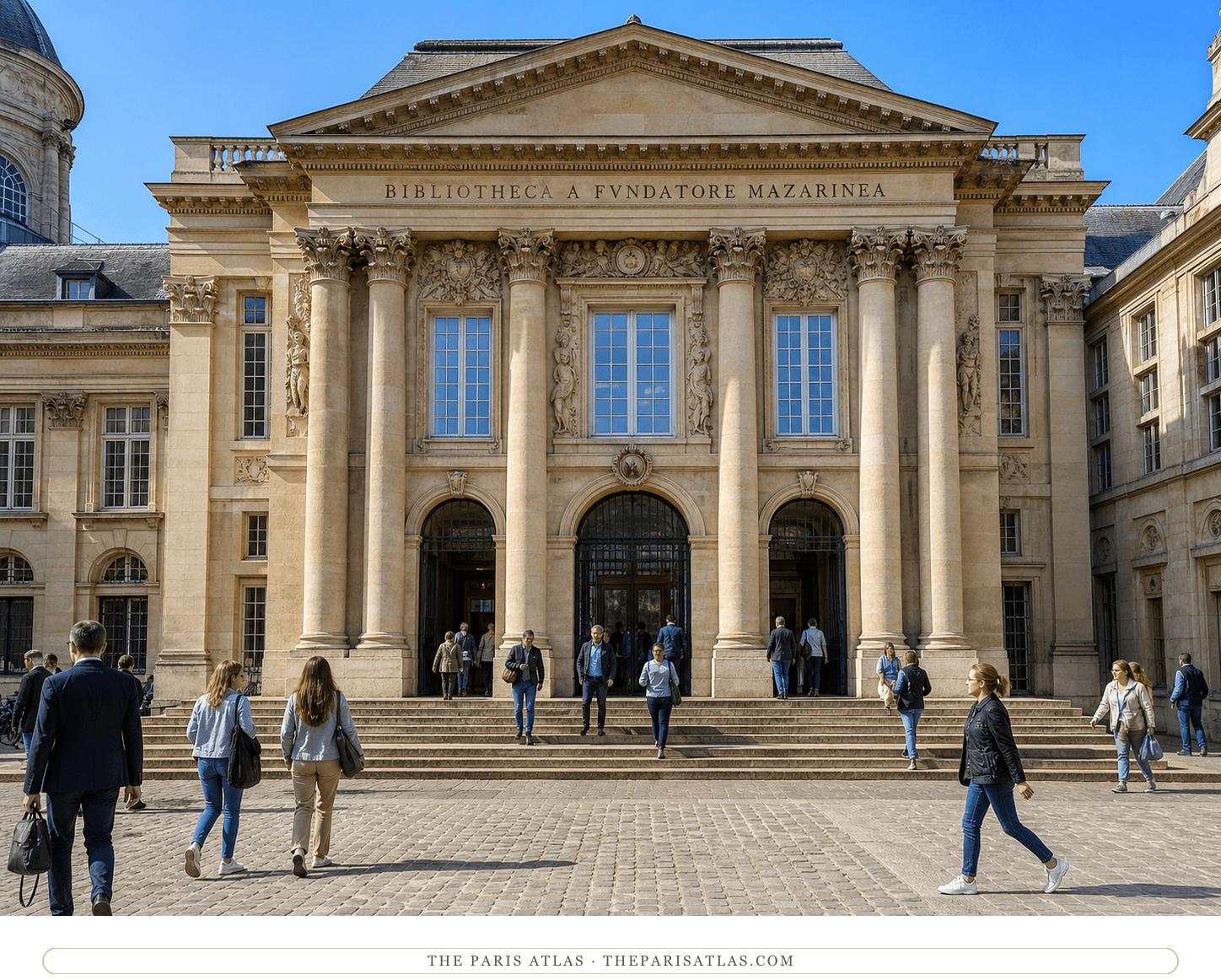
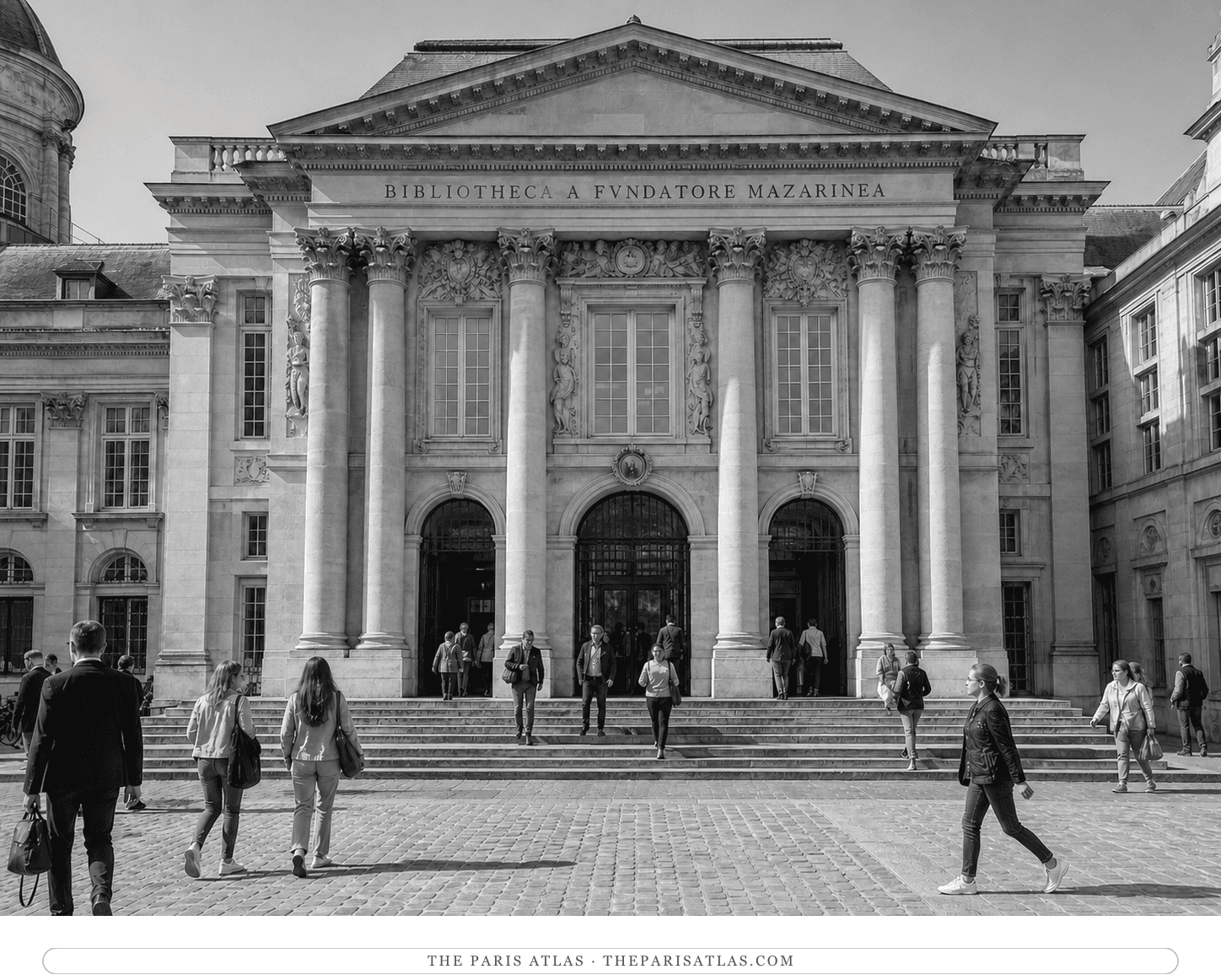
IllustrationPresent-day color view of the Bibliothèque Mazarine entrance in bright courtyard sunlight

The standing limestone façade and its three arched entrances in bright contemporary daylight.

Editorial illustration

The place, briefly

The Bibliothèque Mazarine is the oldest public library in France, opened to readers in the seventeenth century out of Cardinal Mazarin's own collection, and housed in the Institut de France on the left bank facing the Louvre. It is still a working reading room under a barrel-vaulted gallery of dark wood and busts.

In 1895 Marcel Proust was appointed an unpaid attaché here. He was twenty-four, had a law degree and a literature degree, and — like a good many well-connected young men of his class — needed a respectable answer to the question of what he did.

The city's own historical record on the appointment is unusually candid about what followed: he appeared at the library only rarely. He took extended leave more or less continuously and the post lapsed some years later without his having done much in it.

It is a small fact and a useful one, because it locates Proust exactly. He was a man with an income, a nominal profession he did not perform, and complete freedom to spend his twenties in salons and his thirties writing in bed. In Search of Lost Time is a book about a leisured society written from inside the leisure, and the empty desk at the Mazarine is where that starts.

Of all the addresses on a Proust walk this is the most enterable. The residences are private, the school is a working lycée, and the boulevard Haussmann flat is a bank. The Mazarine is a public library and you can go in and sit down.

Key facts

What it is
France's oldest public library, in the Institut de France
Proust's connection
Appointed an unpaid attaché in 1895, aged twenty-four
How often he came
Rarely — the city's own record says so
Why it matters
It marks him as a man free not to work; the novel is written from inside that freedom
Access
Open to readers and visitors — the most enterable stop on a Proust walk
Where
23 quai de Conti, facing the Louvre across the river
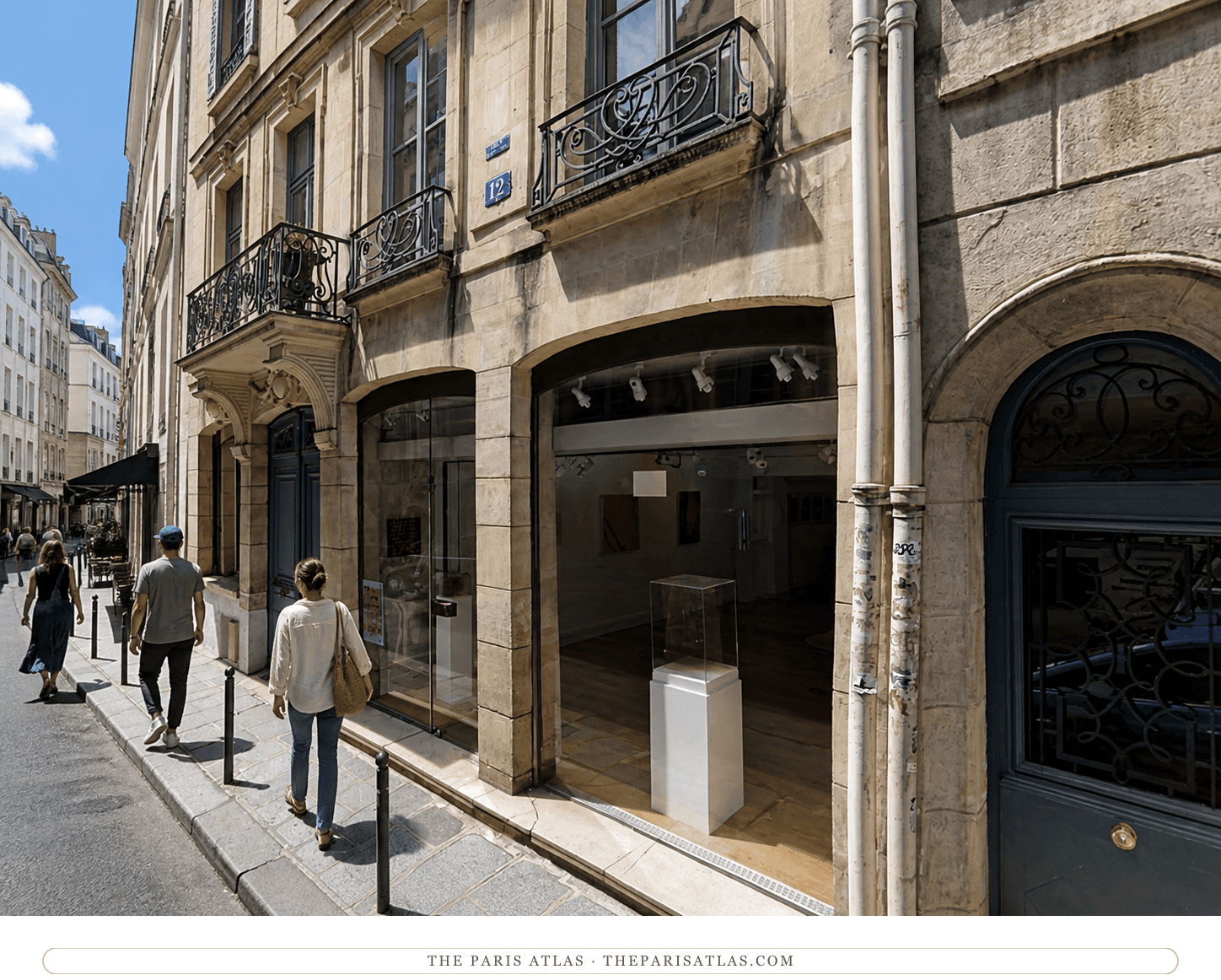
The library entrance in the Institut de France courtyard today, beneath its inscription to Cardinal Mazarin.Editorial illustration
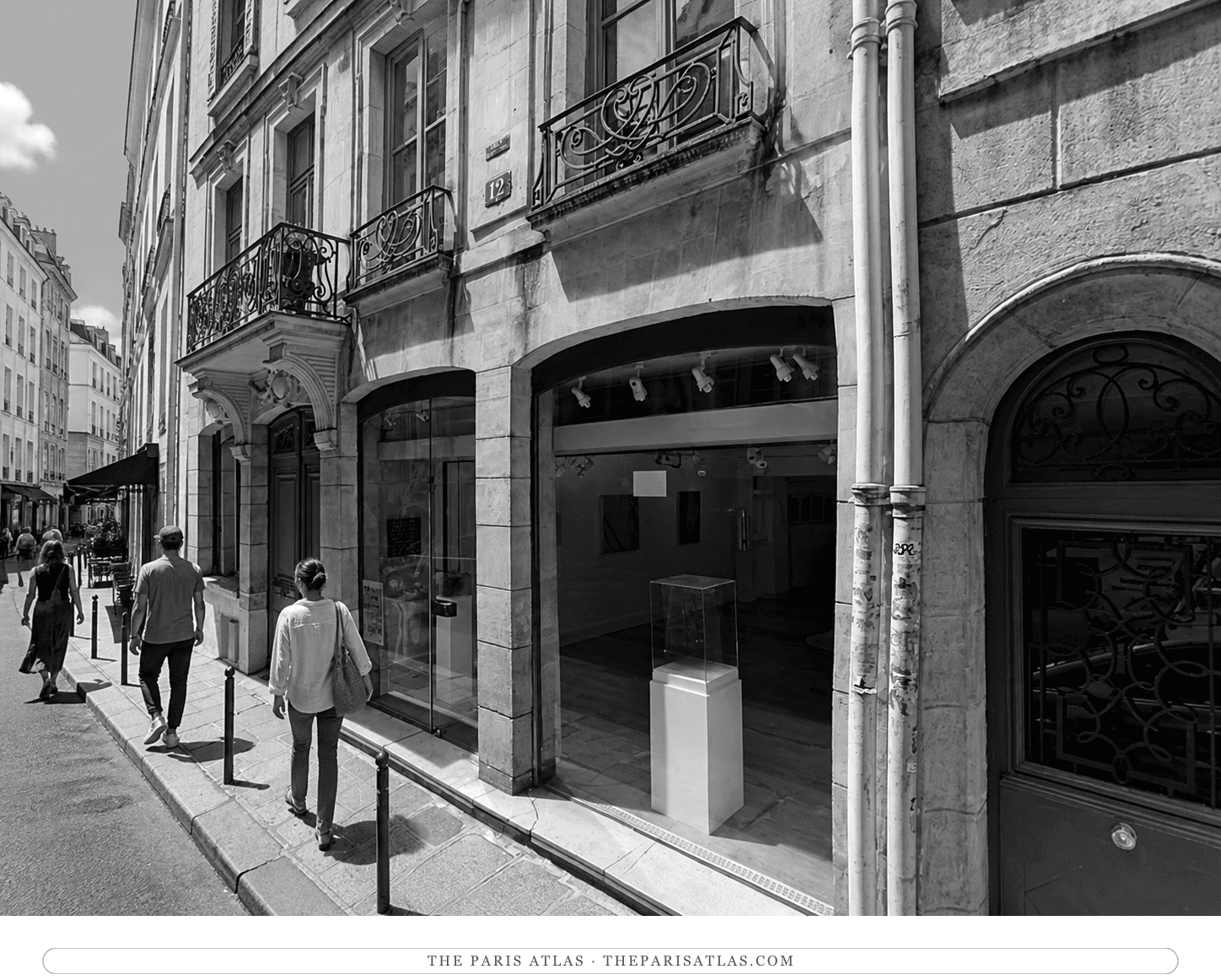
The standing limestone façade and its three arched entrances in bright contemporary daylight.Editorial illustration
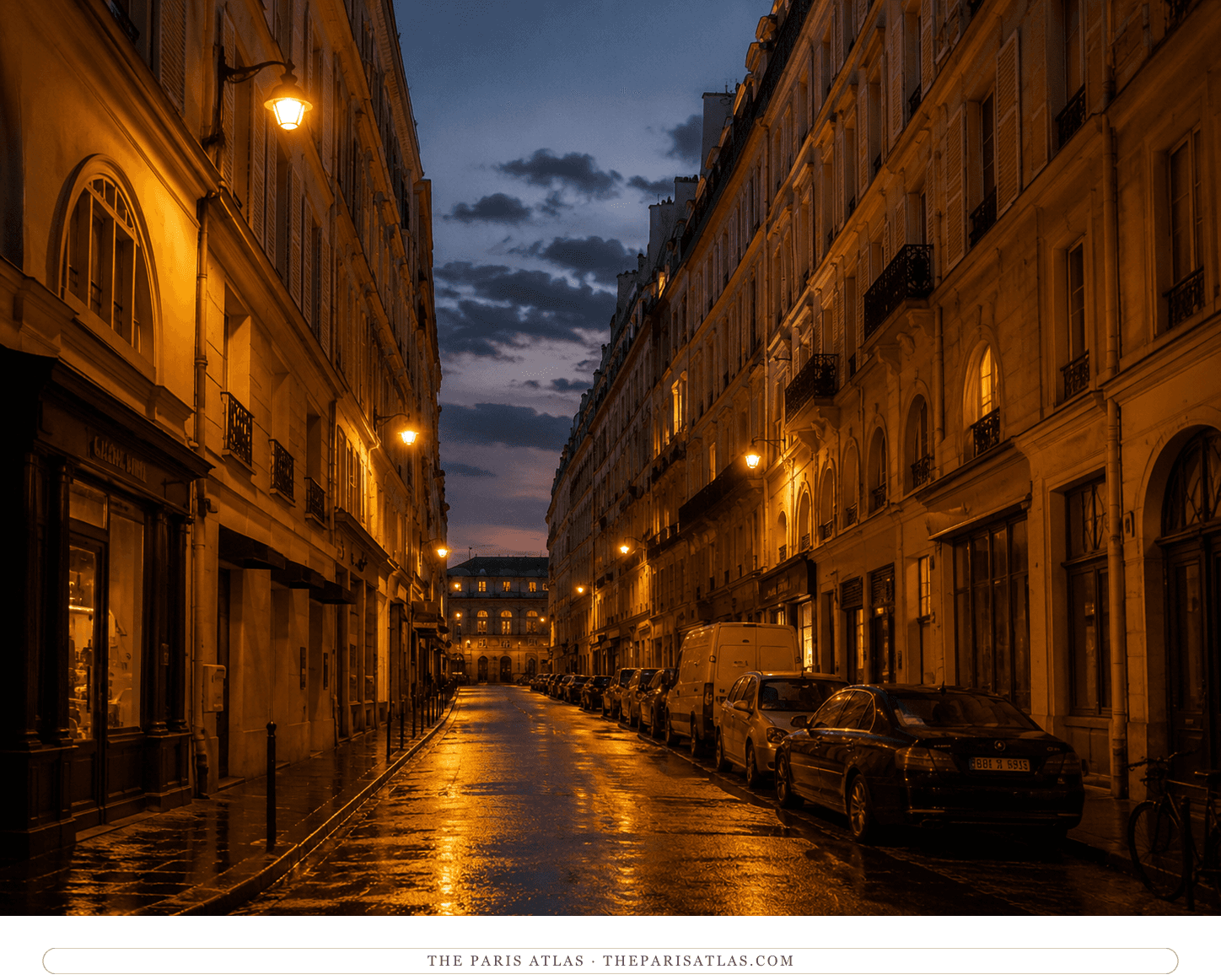
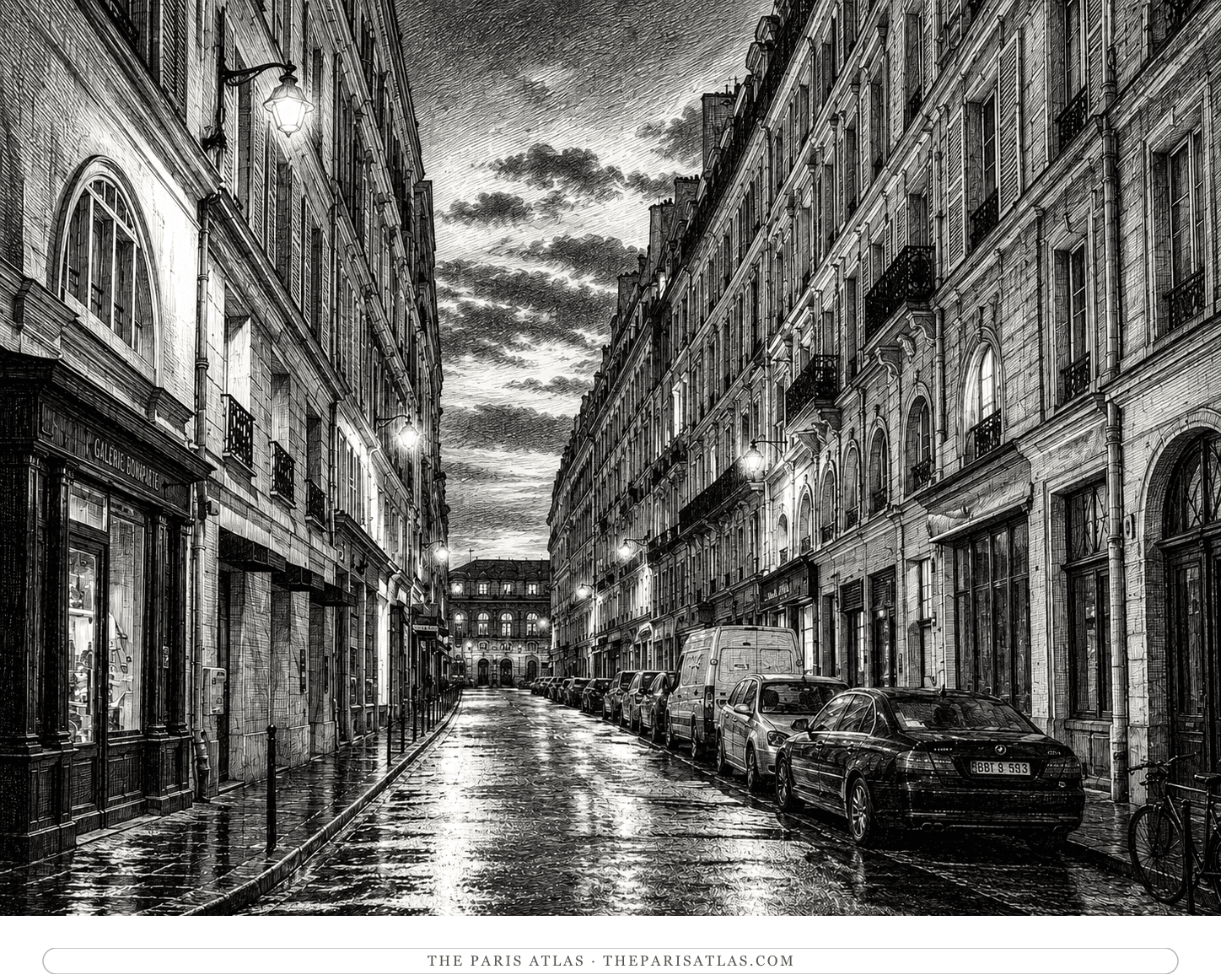
Historically informed editorial reconstruction of an ordinary working day at the Mazarine around 1895.Artistic reconstruction
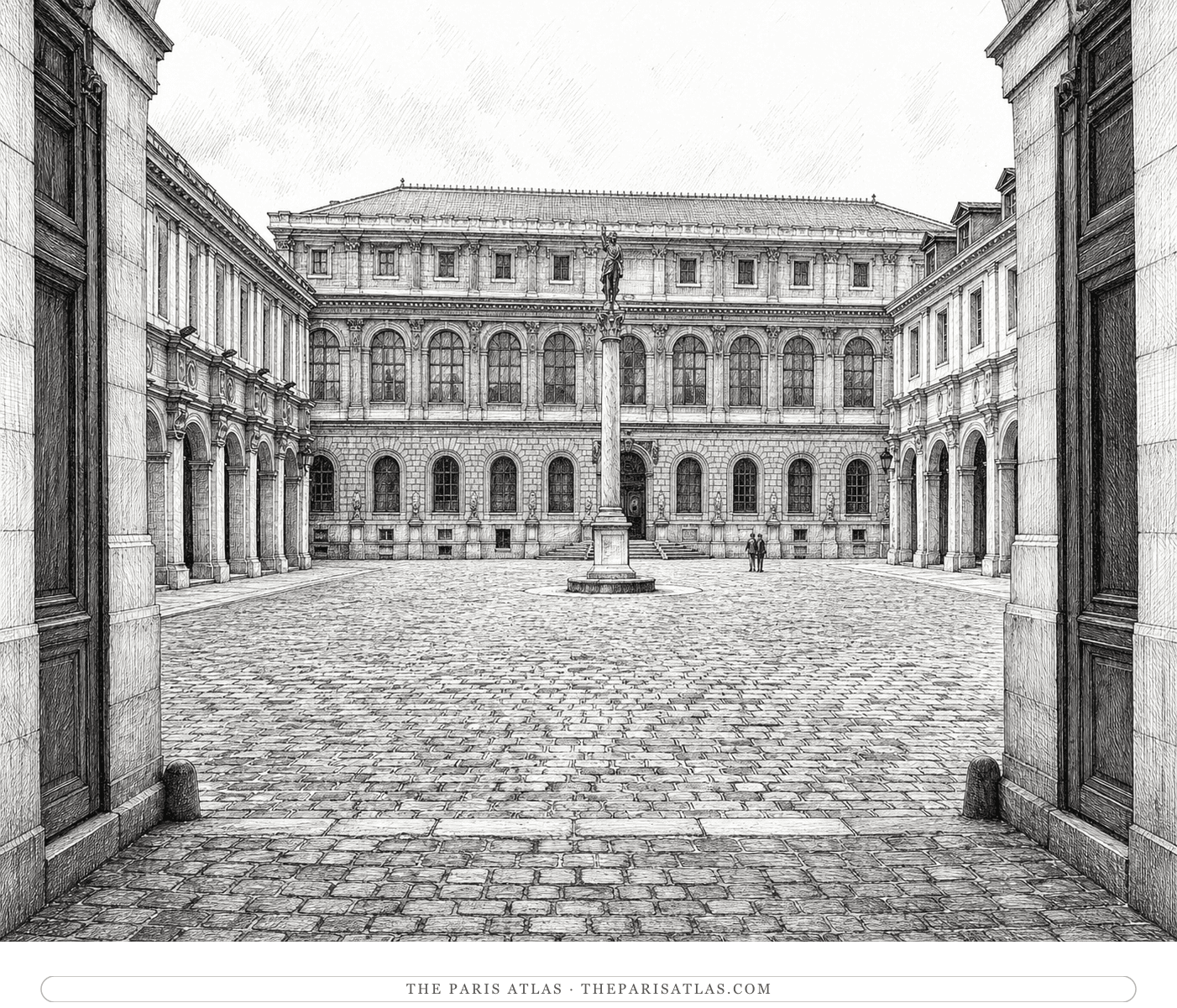
The documented entrance in natural period color; the precise people, cart and activity are interpretive, and Proust is not depicted.Artistic reconstruction
The working grand gallery, where dark bookcases, marble busts and long reading tables preserve a seventeenth-century library setting.Editorial illustration
A present-day research consultation in the public reading room; the people and volume are editorially generated rather than documentary likenesses.Editorial illustration
A temporary exhibition within the historic library, whose grand gallery and exhibitions are open to visitors during public hours.Editorial illustration

Timeline

  1. 1643

    Mazarin's library is opened to scholars — the origin of France's first public library.

  2. 1895

    Proust is appointed an unpaid attaché at the Bibliothèque Mazarine.

  3. 1890s–1900s

    He attends only rarely, taking continuous leave, and the post eventually lapses.

On the map

Questions before you go

Did Proust have a job?

Nominally. He was appointed an unpaid attaché at the Bibliothèque Mazarine in 1895, aged twenty-four. The City of Paris's own record notes that he appeared there only rarely, taking more or less continuous leave until the post lapsed. It was a respectable answer to a social question rather than work.

What is the Bibliothèque Mazarine?

France's oldest public library, founded on Cardinal Mazarin's collection and opened to scholars in the seventeenth century. It occupies part of the Institut de France at 23 quai de Conti, facing the Louvre across the Seine, and is still a working reading room.

Can you go inside?

Yes, and that makes it the most accessible stop on a Proust walk. It is open to readers and visitors. His residences are private, the Lycée Condorcet is a working school, and the boulevard Haussmann flat is a bank — the Mazarine you can simply enter and sit in.

Writers who knew this place

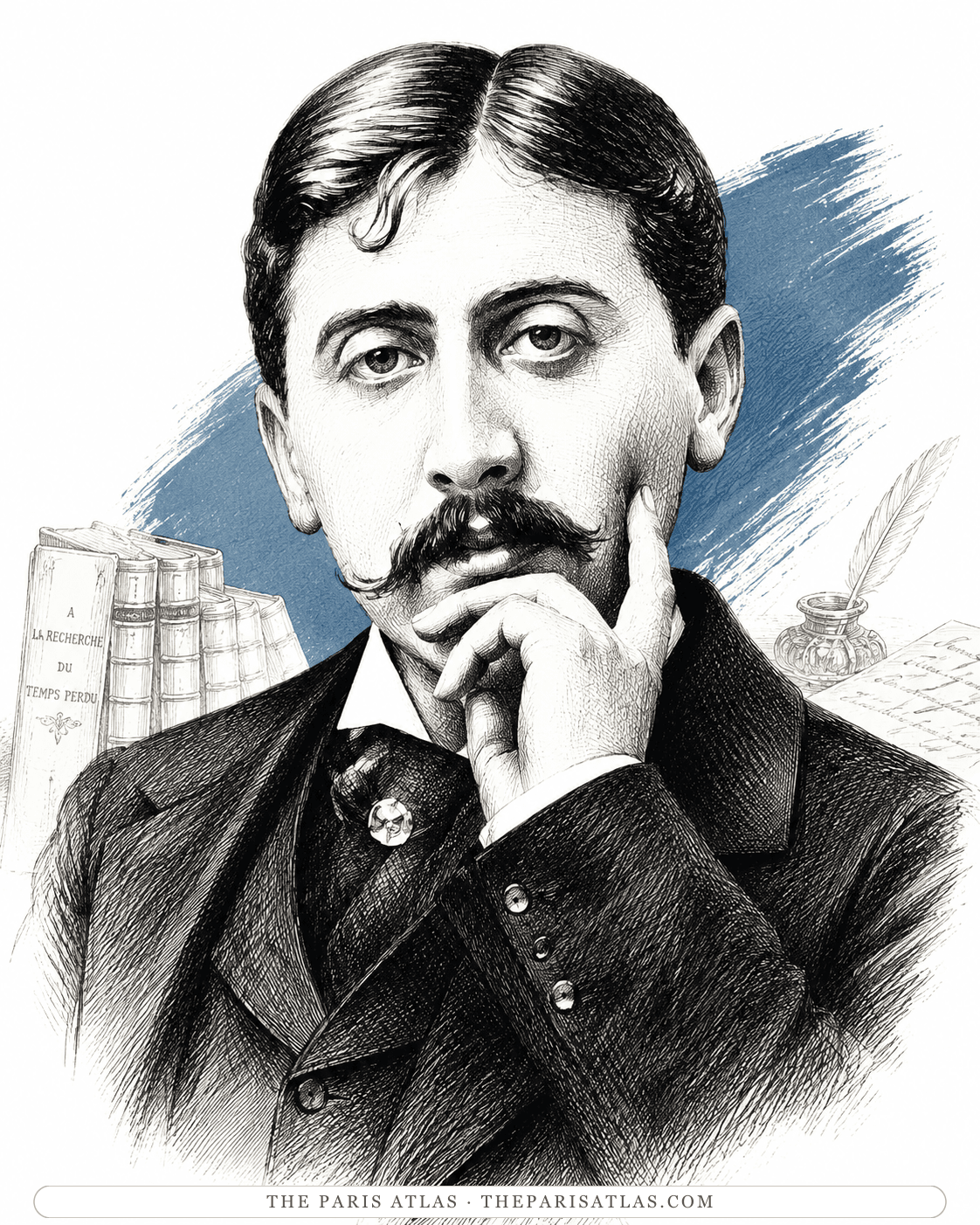
Illustrated portrait of Marcel Proust

Marcel Proust

French · French novelist of the seven-volume In Search of Lost Time, written at night in a cork-lined room — the book that made memory itself the story.

Worked here · 1895

Appointed an unpaid attaché in 1895, aged twenty-four. The City of Paris's own record is candid that he appeared only rarely, taking continuous leave until the post lapsed — a nominal profession rather than work, and the thing that marks him as free not to have one.

— Marcel Proust, attaché à la Bibliothèque Mazarine — délibération

Illustrated portrait of Jack Kerouac

Jack Kerouac

American · French-Canadian American novelist and poet whose rhythmic spontaneous prose made roads, jazz, friendship and spiritual longing central to Beat literature—and whose two Paris journeys culminated in Satori in Paris.

Visited by · 1965

Kerouac consulted the Bibliothèque Mazarine during his June 1965 search for records of his supposed Breton ancestry, later recounted in Satori in Paris.

— French-American identity and Satori in Paris; Satori in Paris and Kerouac's Paris library research

Within walking distance

References

References

The sources below include histories, archival materials, scholarly research, and official records that informed this page. They document Bibliothèque Mazarine, the people connected to it, and its place in Paris.

  1. 1Marcel Proust, attaché à la Bibliothèque Mazarine — délibération

    Official record
    Ville de Paris
    Used for

    The city's record of the 1895 appointment as unpaid attaché, and of how rarely he attended.

    View source
  2. 2OpenStreetMap

    Map data
    Used for

    Map data used to verify addresses, geographic coordinates, and the placement associated with Bibliothèque Mazarine.

    View source
  3. 3Proust Ink — Marcel Proust chronology (ed. William C. Carter)

    Website
    Used for

    Web source consulted for documented facts and historical context presented on the Bibliothèque Mazarine page.

    View source
  1. 4Chambre de Marcel Proust

    Website
    Musée Carnavalet — Histoire de Paris
    Used for

    Web source consulted for documented facts and historical context presented on the Bibliothèque Mazarine page.

    View source
  2. 5Buildings — Bibliothèque Mazarine

    Website
    Bibliothèque Mazarine
    Used for

    Web source consulted for documented facts and historical context presented on the Bibliothèque Mazarine page.

    View source
  3. 6Histoire — Bibliothèque Mazarine

    Website
    Bibliothèque Mazarine
    Used for

    Web source consulted for documented facts and historical context presented on the Bibliothèque Mazarine page.

    View source
i
Why these sources are here

These references provide the documented foundation for this page's history and context. Claim-level citations remain attached to the specific claims they support.

Explore more resources

Newsletter

Paris, one address at a time.

The cafés, studios, and walk-up flats where the work was made — one story from the map in every letter.

Unsubscribe anytime.