Edgar Degas
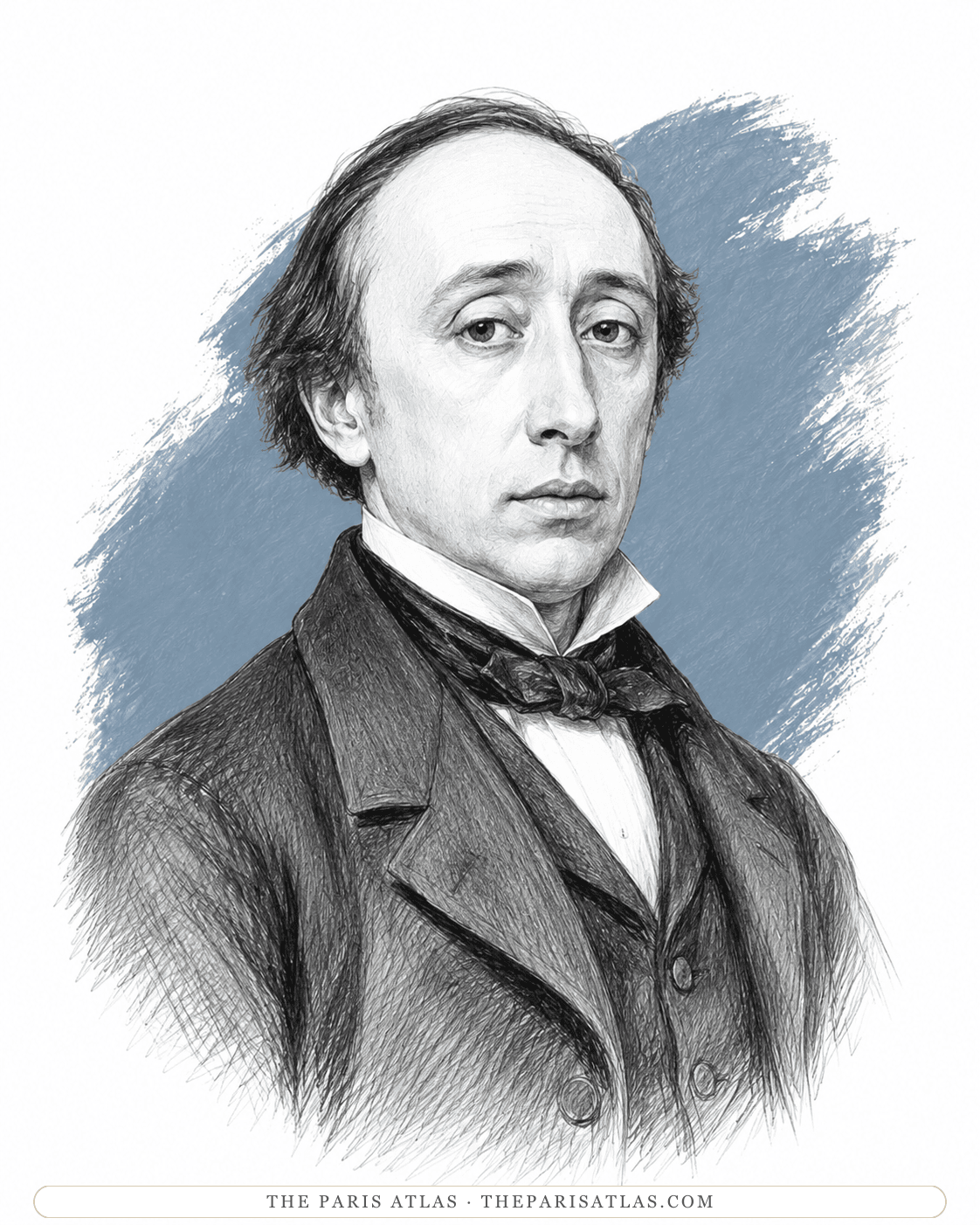
Degas entered the Ecole des Beaux-Arts in the 1850s and worked in the academic tradition associated with Louis Lamothe, a pupil of Ingres. The draughtsmanship of his later dance pictures comes out of this training.
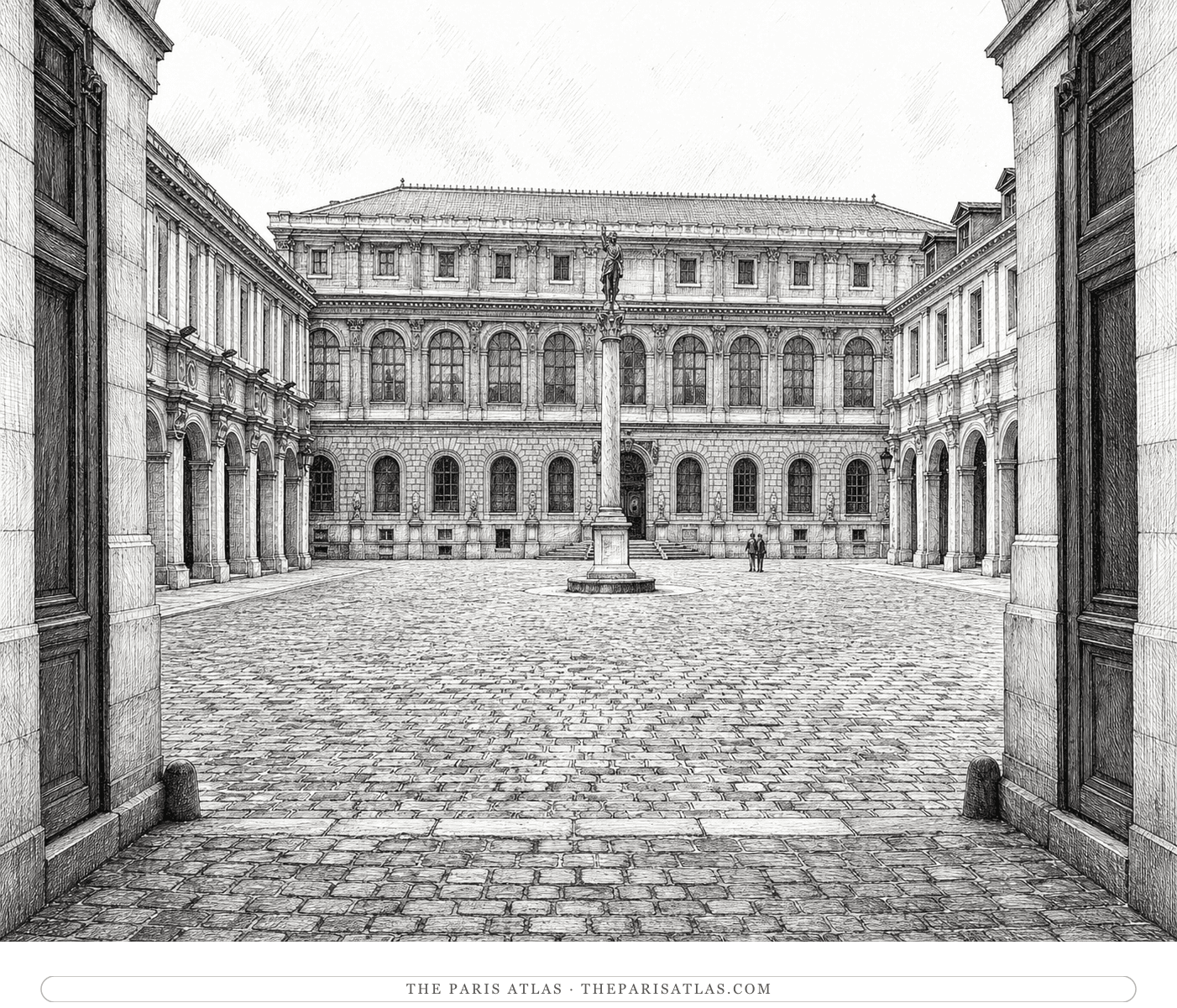
France's national art school, on the rue Bonaparte across from the Louvre. Almost every French painter of the nineteenth century passed through it, argued with it, or defined themselves against it — Degas entered in the 1850s.
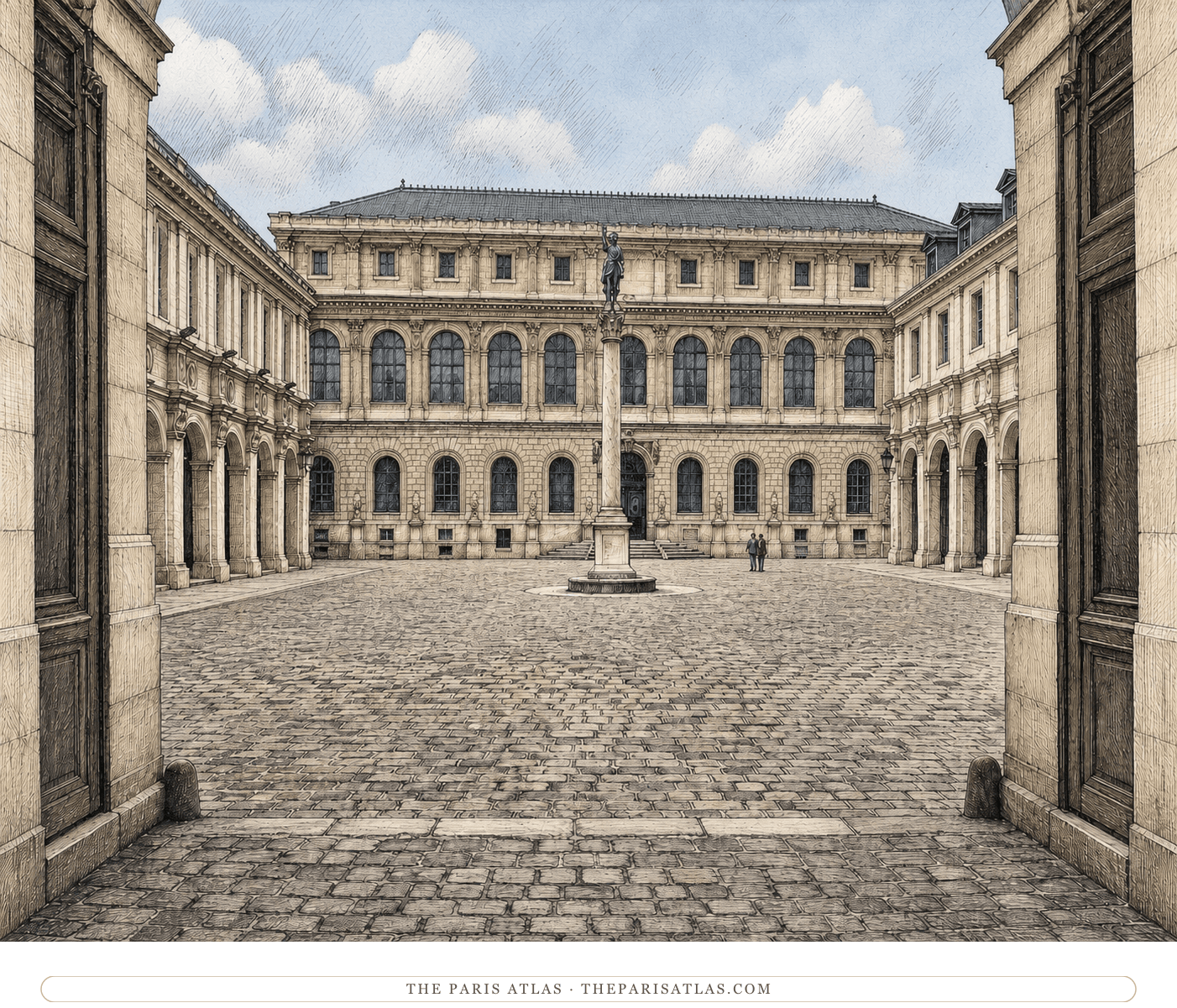
The École des Beaux-Arts is the institution the nineteenth century in French painting is organised around. Entry was competitive, teaching was academic, and success ran through the Prix de Rome and the annual Salon. Whether a painter went through it, dropped out of it, or spent a career opposing what it stood for, it was the fixed point.
Edgar Degas entered in the 1850s, working within the academic tradition associated with Louis Lamothe, himself a pupil of Ingres. It is a lineage worth holding on to, because Degas is often filed with the Impressionists and does not quite belong there. He drew like an academic all his life, disliked the word Impressionism, and preferred to be called a realist. The line in his dancers comes from this building.
It sits on the rue Bonaparte in Saint-Germain-des-Prés, directly across the Seine from the Louvre — a five-minute walk between the school where painters were taught the tradition and the museum where they went to copy it.
The school is still operating and still selective. Its buildings are not open for general visiting, but it runs public exhibition programmes in its galleries, and the courtyard on the rue Bonaparte can usually be seen from the gate.
Degas enters the École des Beaux-Arts.
Manet and Degas probably meet while copying at the Louvre nearby.
Yes. He entered in the 1850s and trained in the academic tradition associated with Louis Lamothe, a pupil of Ingres.
Not as a general visitor — it is a working art school. It does hold public exhibitions in its galleries, which is the usual way in.
Because it never left his work. He exhibited with the Impressionists but disliked the label, called himself a realist, and kept an academic draughtsman's line to the end.
Degas entered the Ecole des Beaux-Arts in the 1850s and worked in the academic tradition associated with Louis Lamothe, a pupil of Ingres. The draughtsmanship of his later dance pictures comes out of this training.
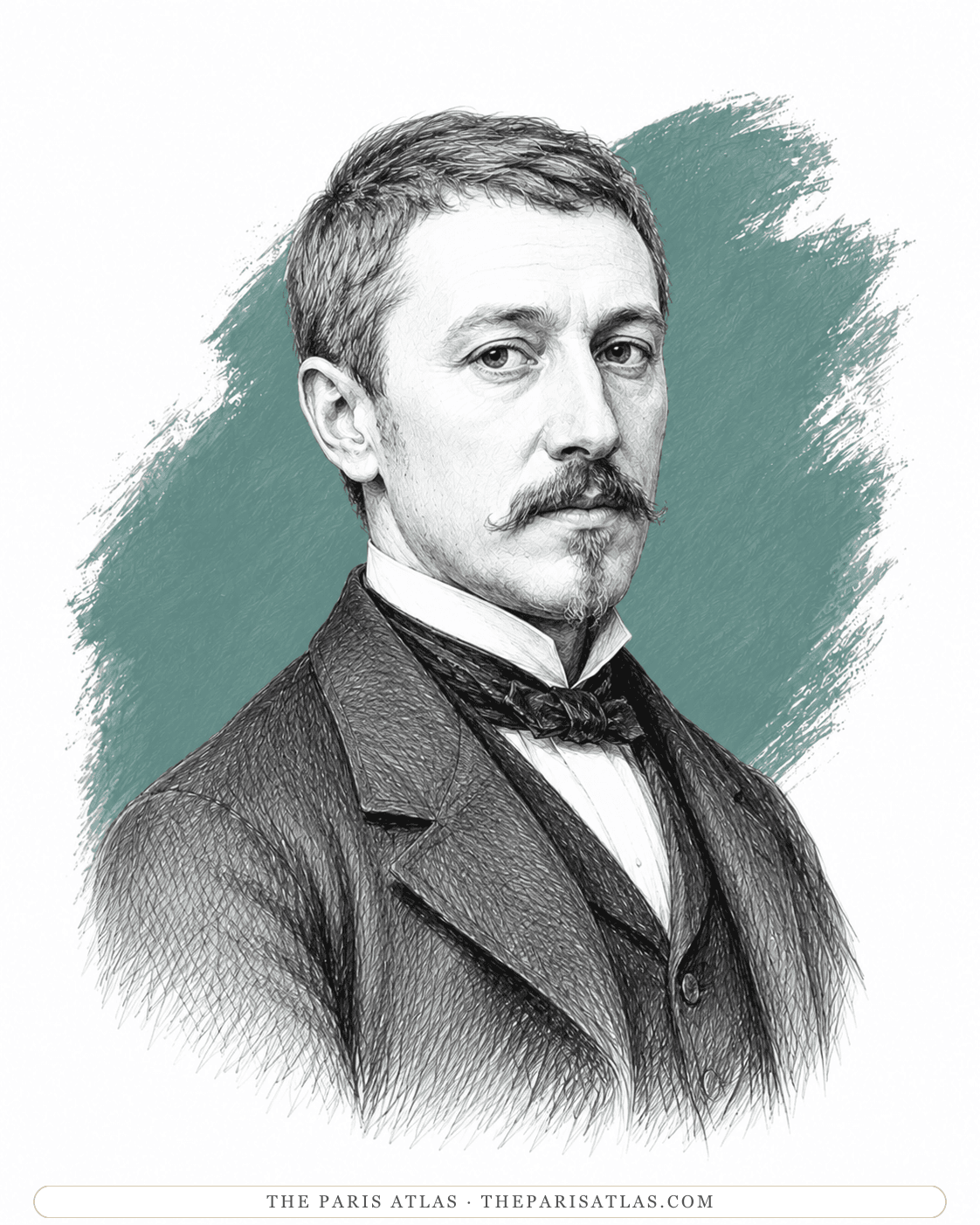
Caillebotte entered the Ecole des Beaux-Arts in 1873, studying under Leon Bonnat, before attaching himself to the independent exhibitions instead.
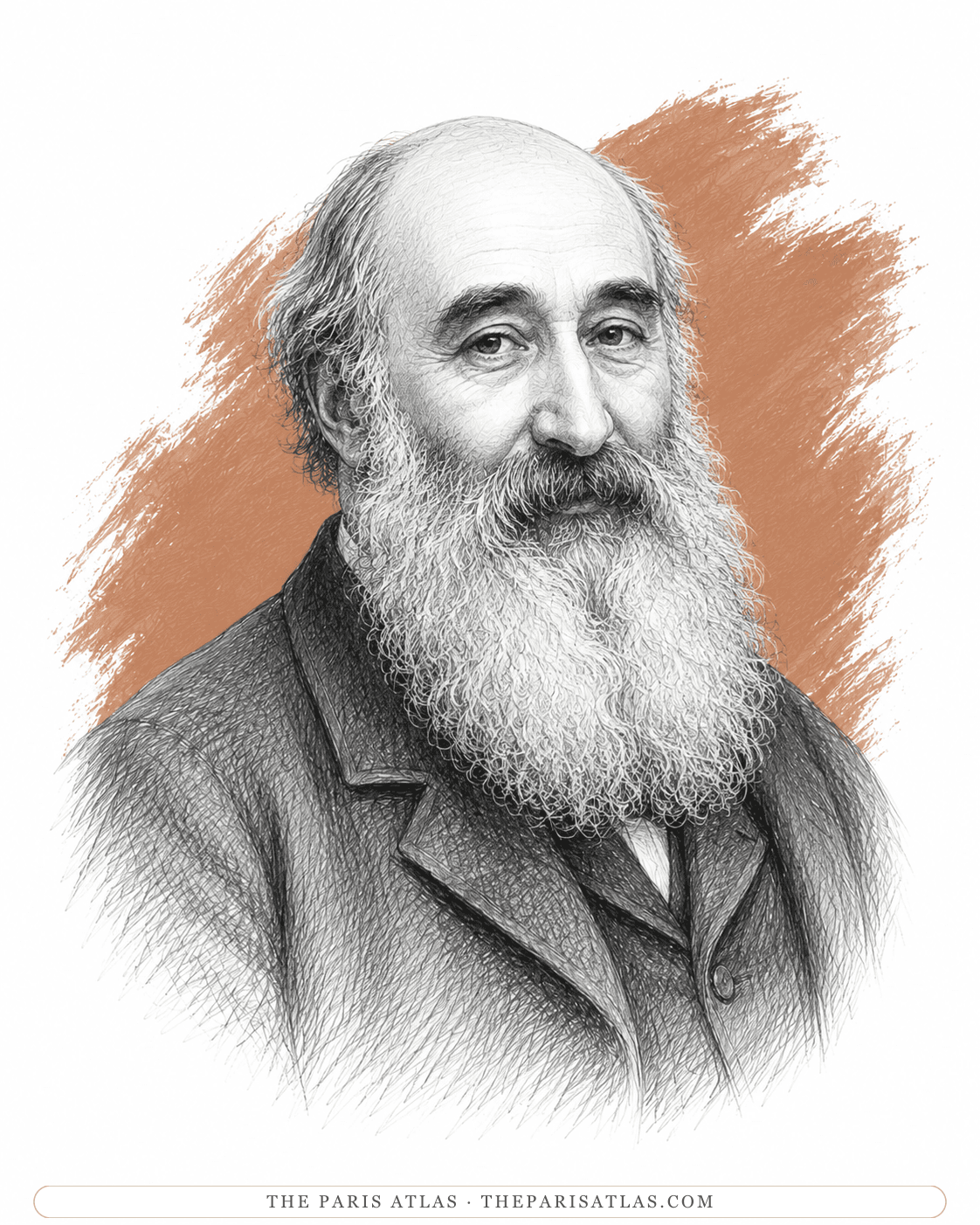
Pissarro attended classes associated with the Ecole des Beaux-Arts in 1856, shortly after settling in Paris. His relationship with academic teaching was uneasy and brief.
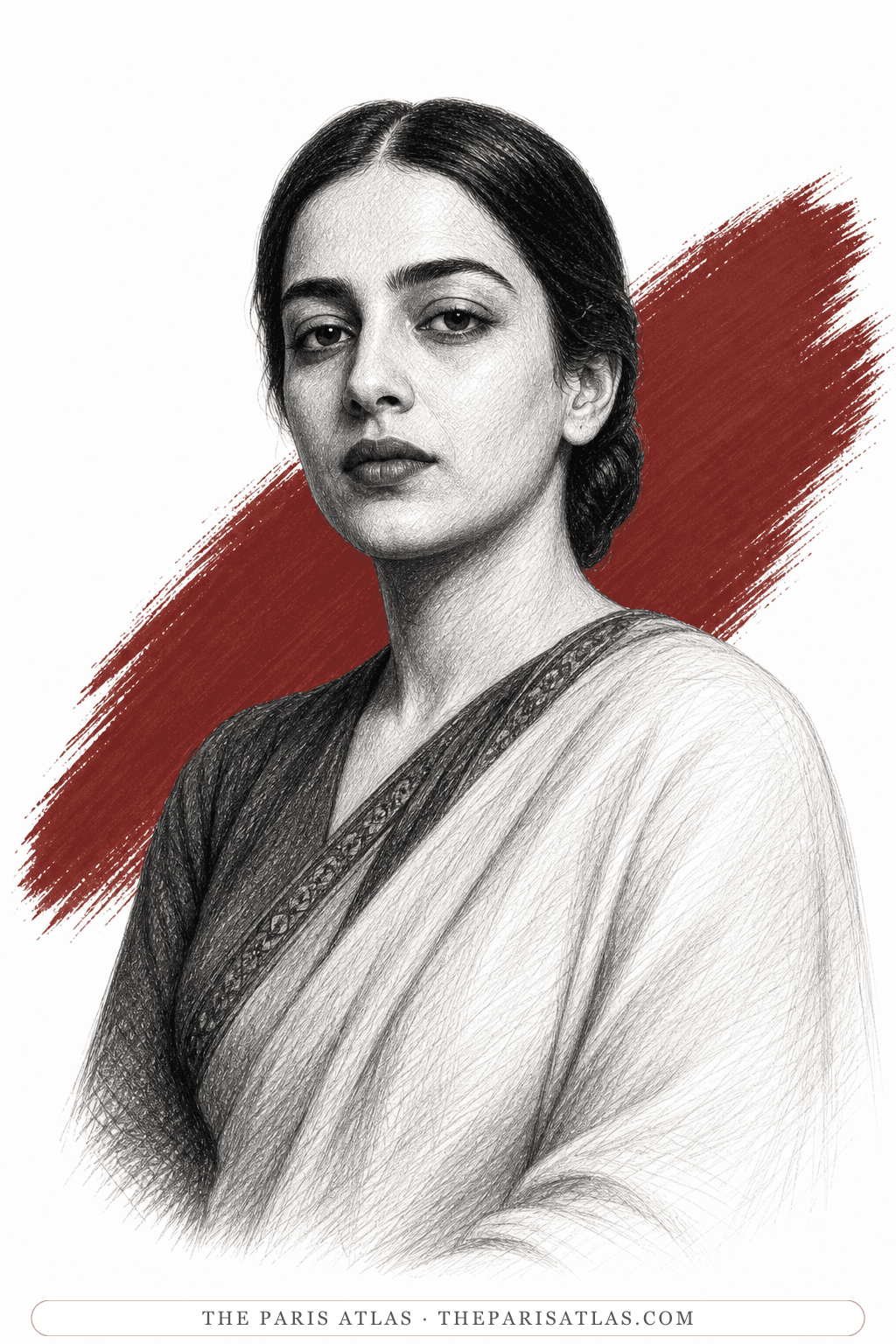
Sher-Gil entered Lucien Simon's studio at the École nationale des Beaux-Arts in October 1929 and remained at the school until July 1933.
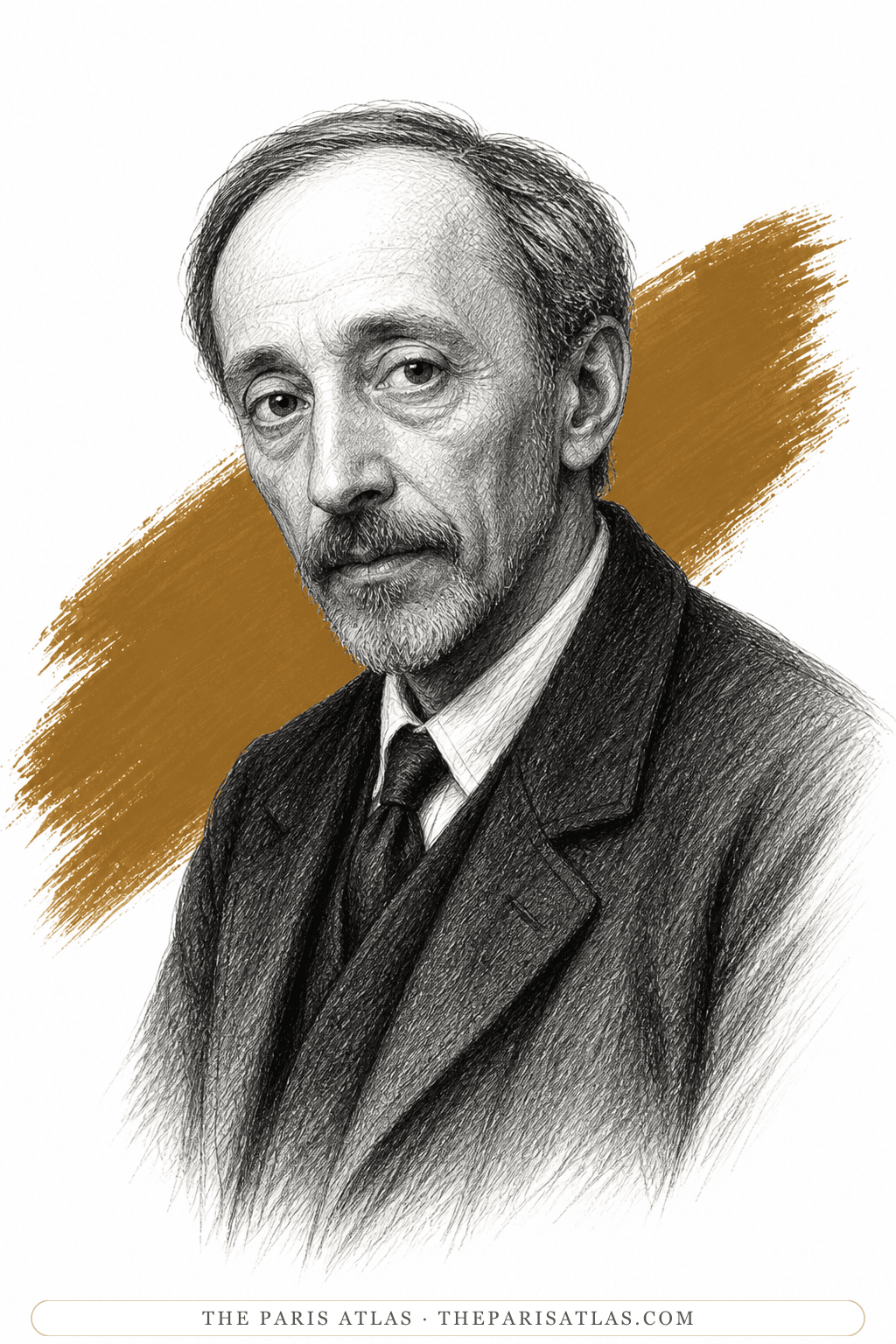
Bonnard was admitted to the École des Beaux-Arts in 1889, where he met Ker-Xavier Roussel and Édouard Vuillard while taking part in the emerging Nabis circle.
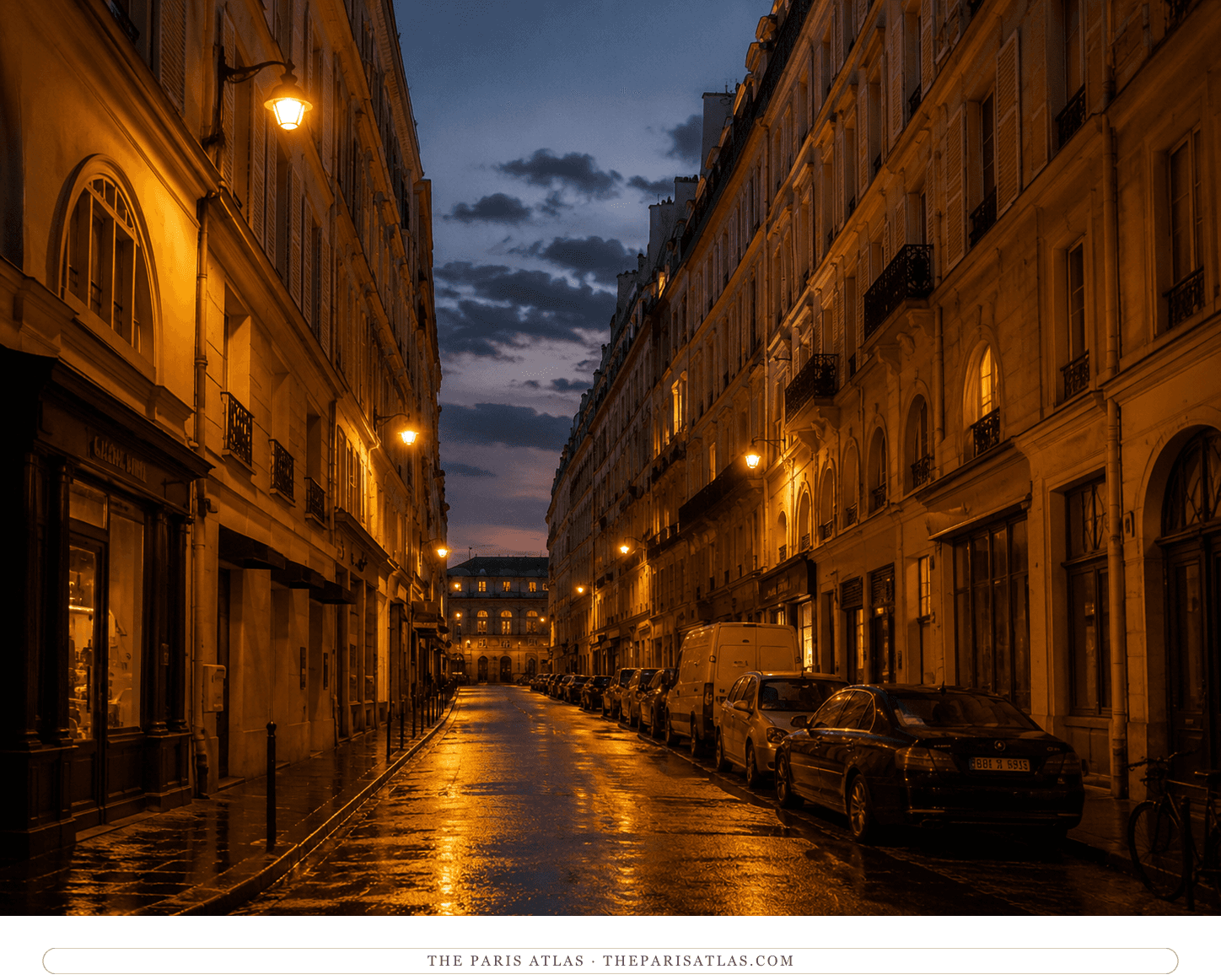
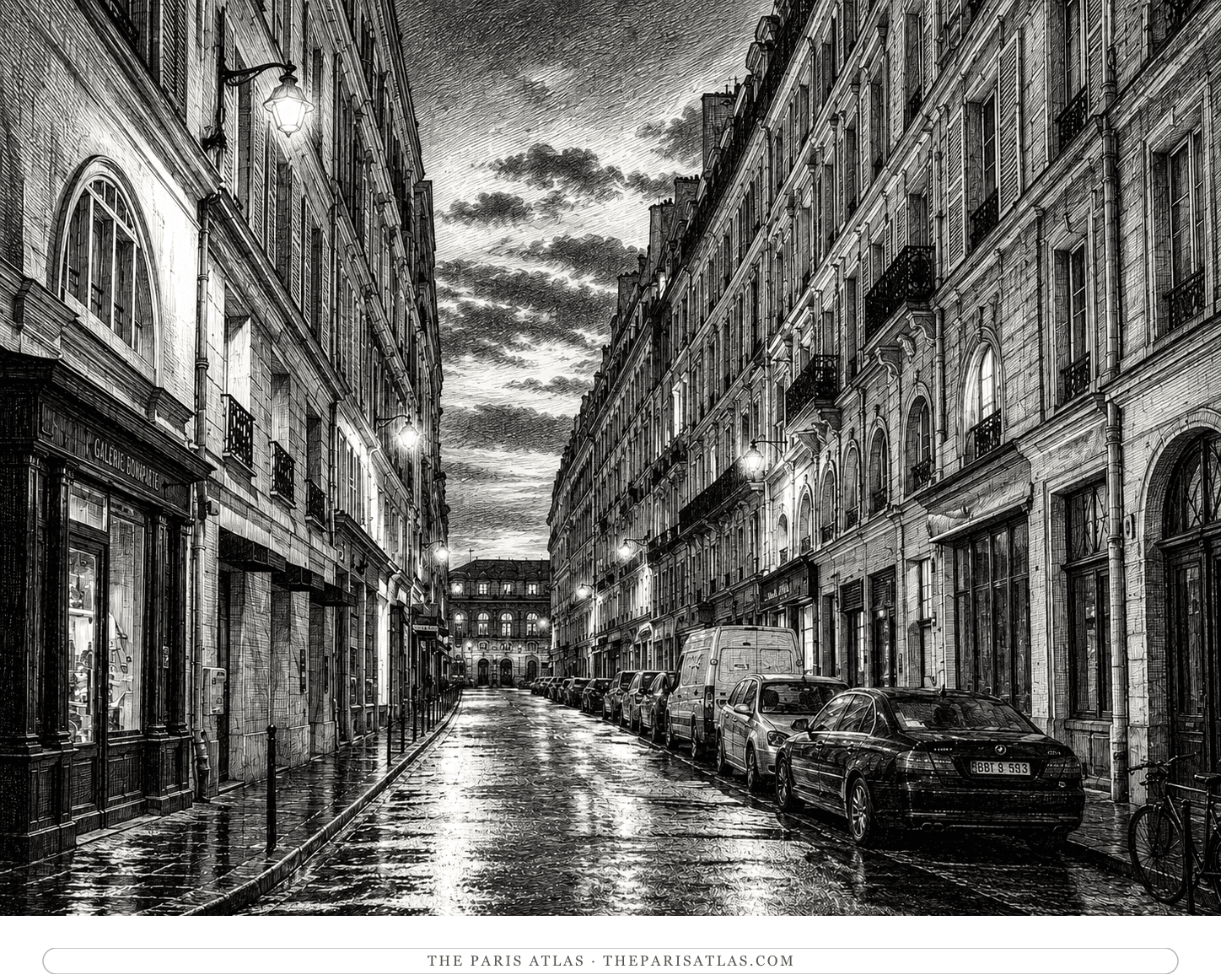
The street that stitches the Left Bank together — river to Beaux-Arts to Saint-Germain to Saint-Sulpice — and the nightly walk Henry Miller could not stop remembering.
Visit the place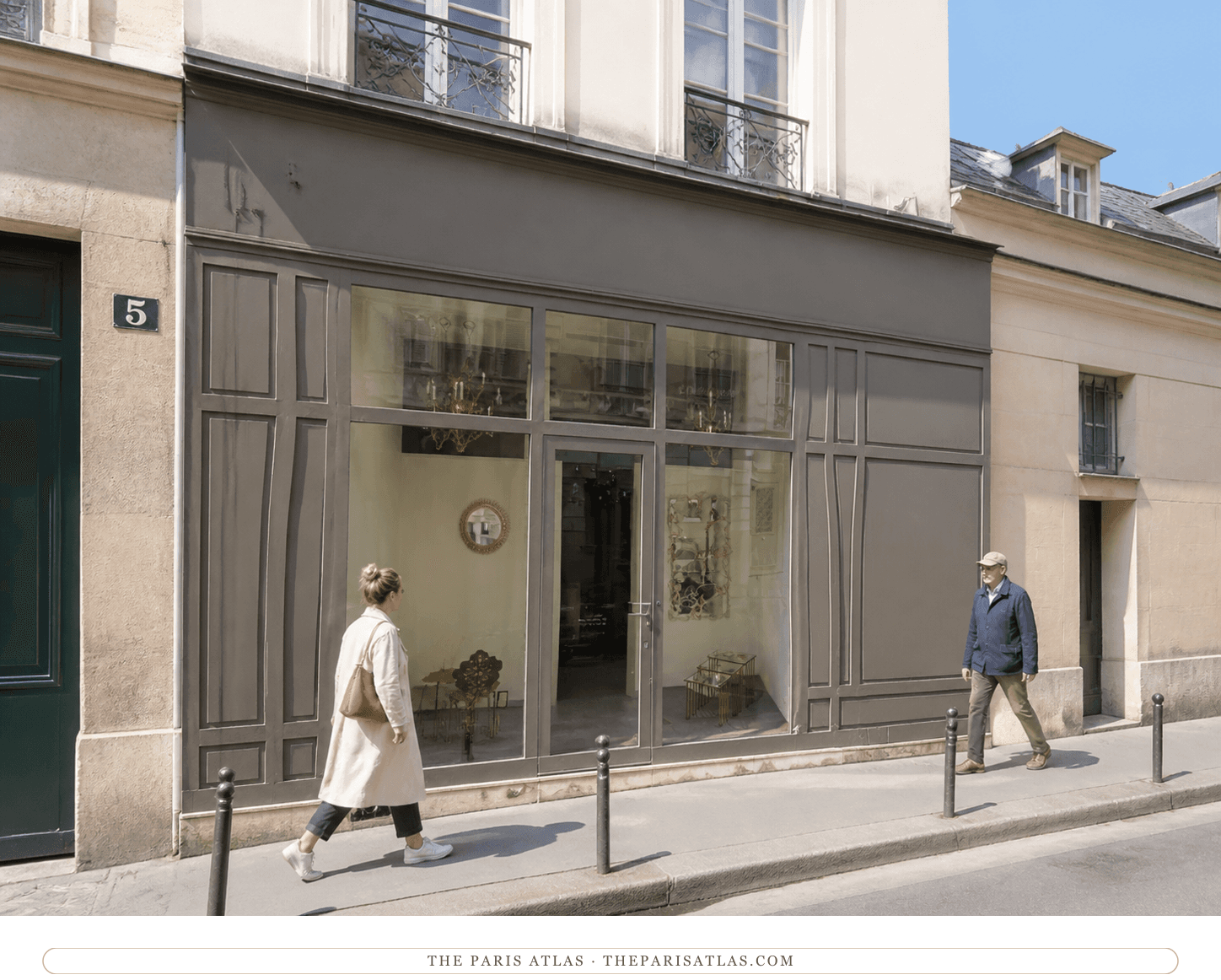
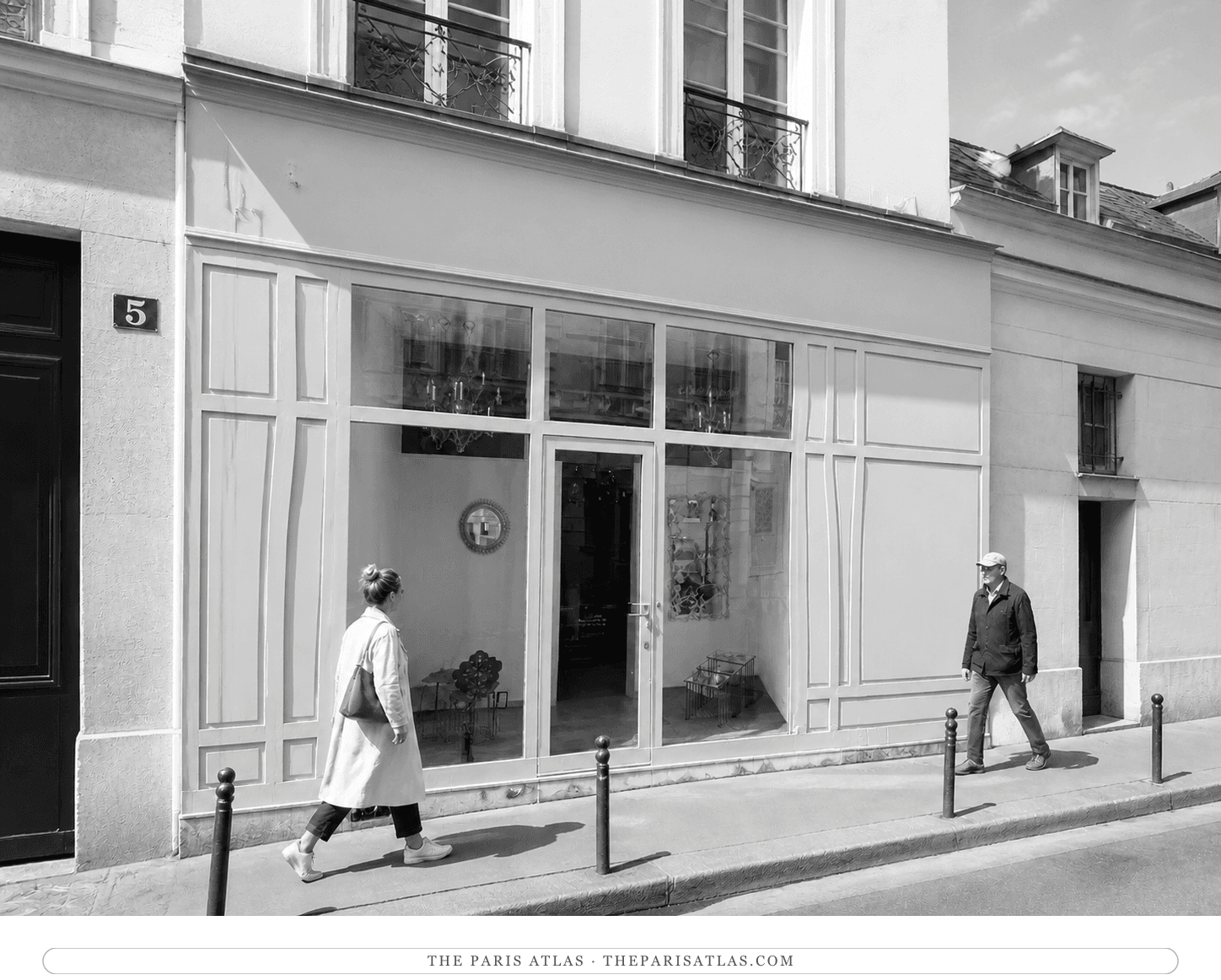
The house where Édouard Manet was born on 23 January 1832, on a street then called the rue des Petits-Augustins — a few doors from the art school and a bridge from the Louvre.
Visit the place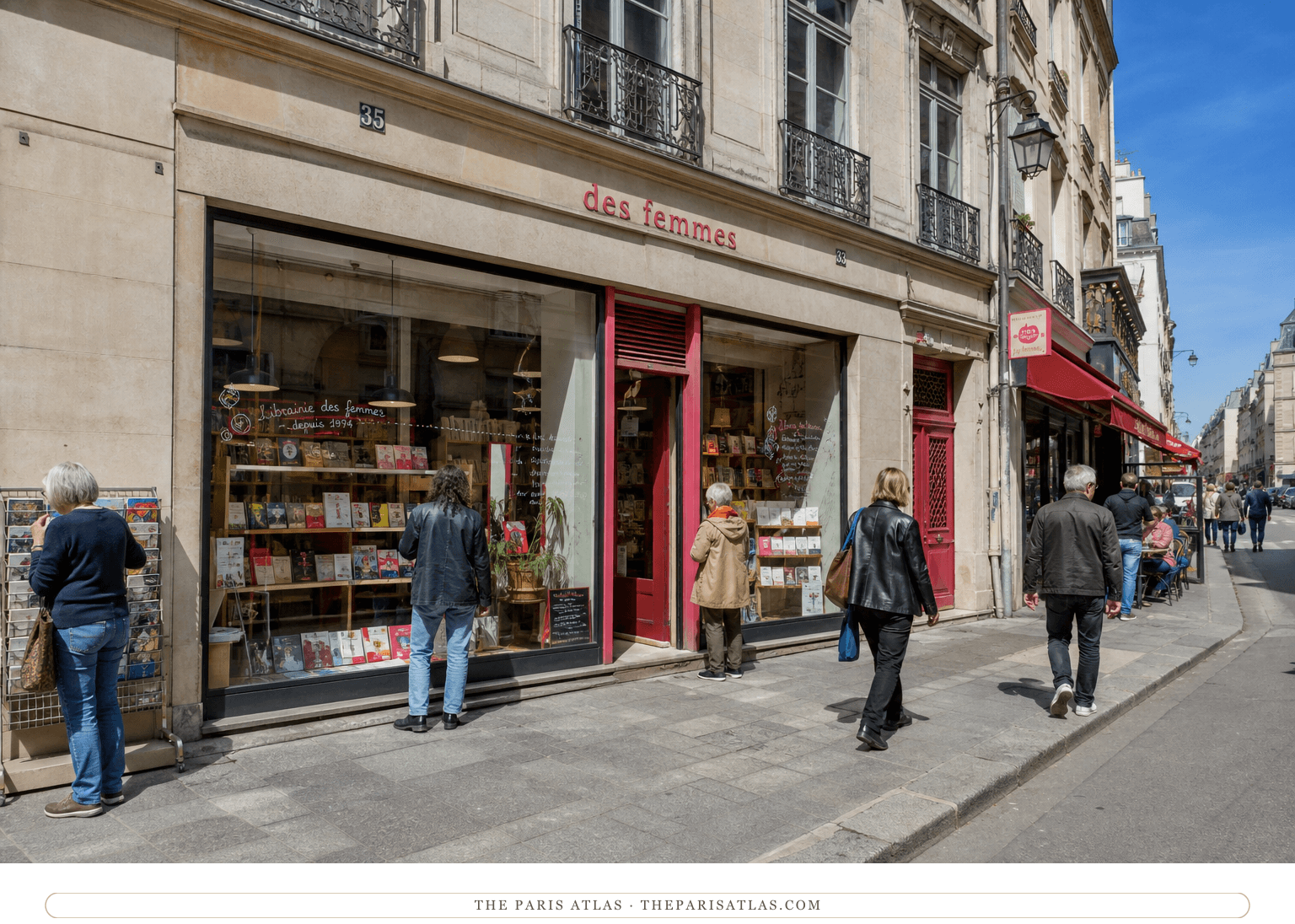
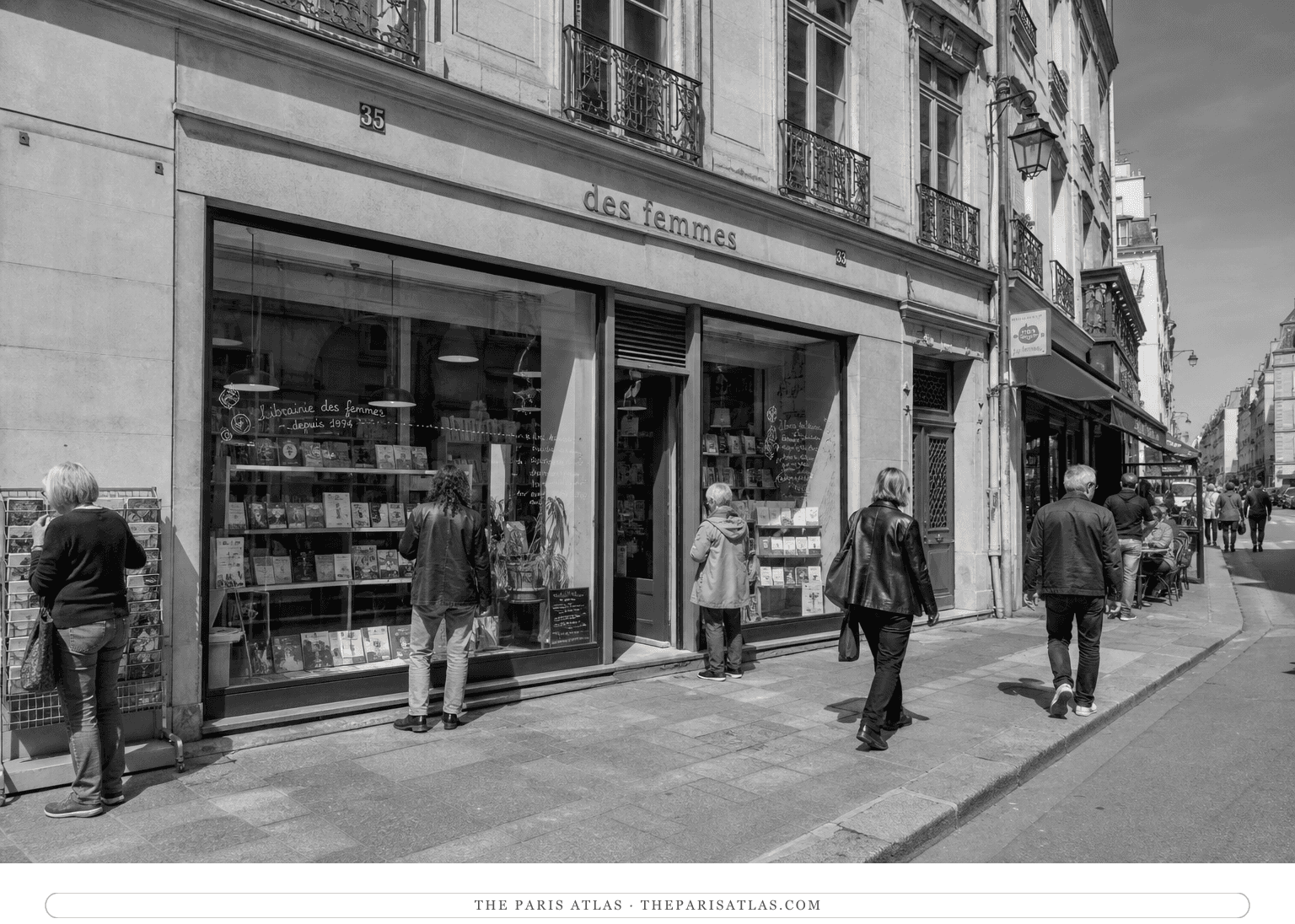
The Catholic girls' school Simone de Beauvoir attended from the age of six until her baccalauréat. The address is now occupied by the Librairie des Femmes — the feminist bookshop and publishing house — which makes it the most improbable coincidence on any Paris literary walk.
Visit the place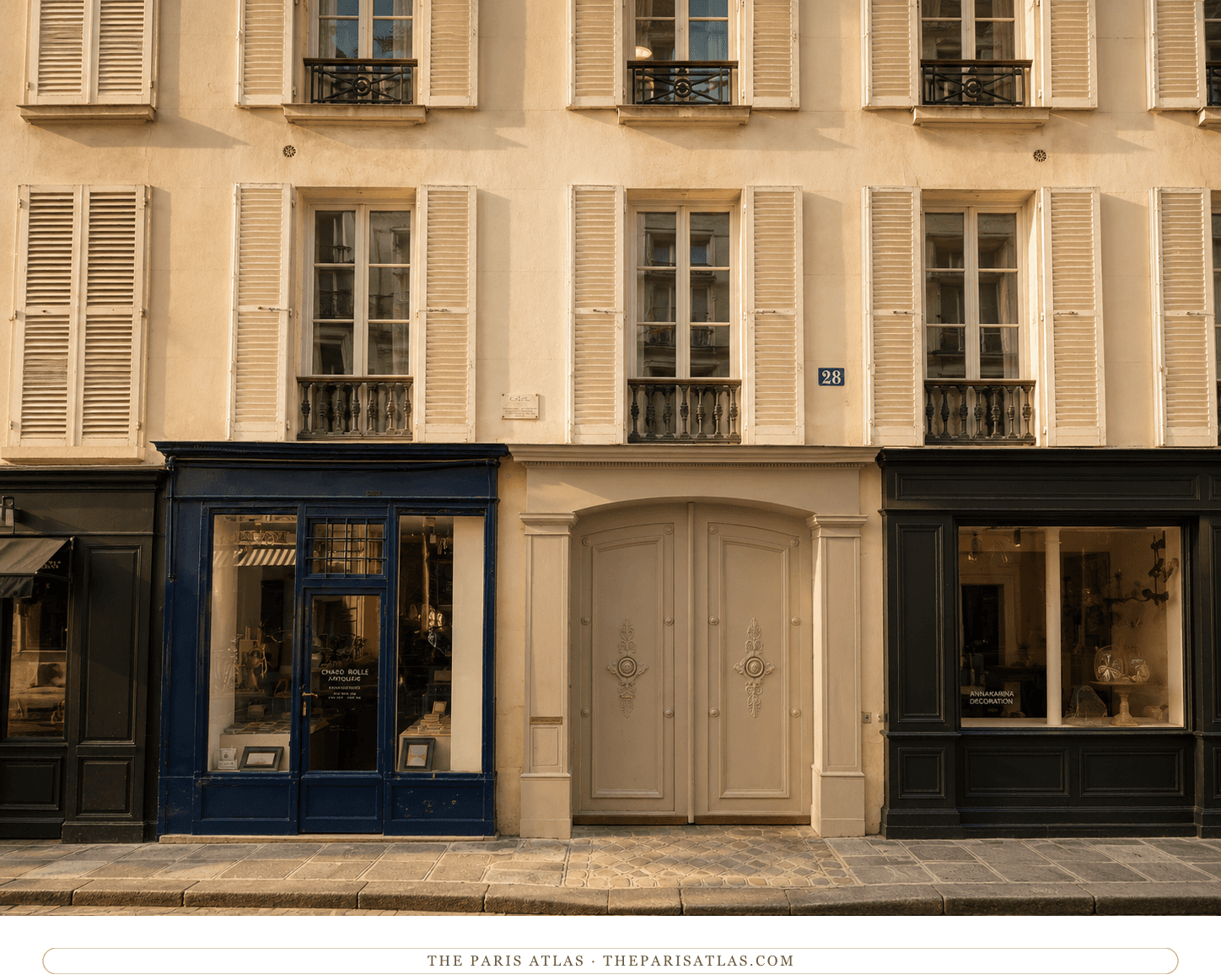
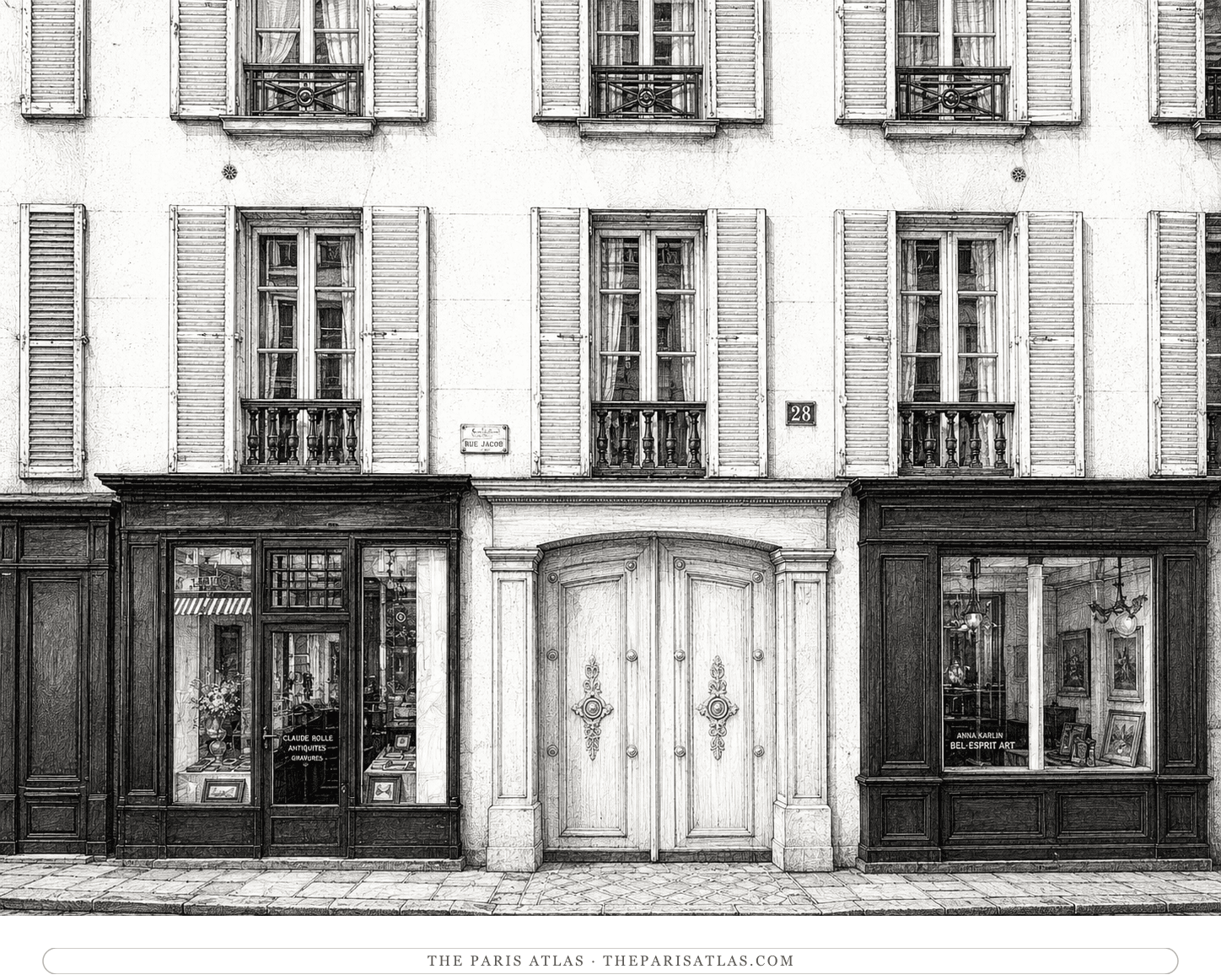
Colette's first marital home in Paris, a third-floor apartment she took with her husband Willy in 1893.
Visit the placeThe sources below include histories, archival materials, scholarly research, and official records that informed this page. They document École des Beaux-Arts, the people connected to it, and its place in Paris.


Web source consulted for documented facts and historical context presented on the École des Beaux-Arts page.
Web source consulted for documented facts and historical context presented on the École des Beaux-Arts page.
Web source consulted for documented facts and historical context presented on the École des Beaux-Arts page.
Web source consulted for documented facts and historical context presented on the École des Beaux-Arts page.
Web source consulted for documented facts and historical context presented on the École des Beaux-Arts page.
These references provide the documented foundation for this page's history and context. Claim-level citations remain attached to the specific claims they support.
 Explore more resources
Newsletter
The cafés, studios, and walk-up flats where the work was made — one story from the map in every letter.