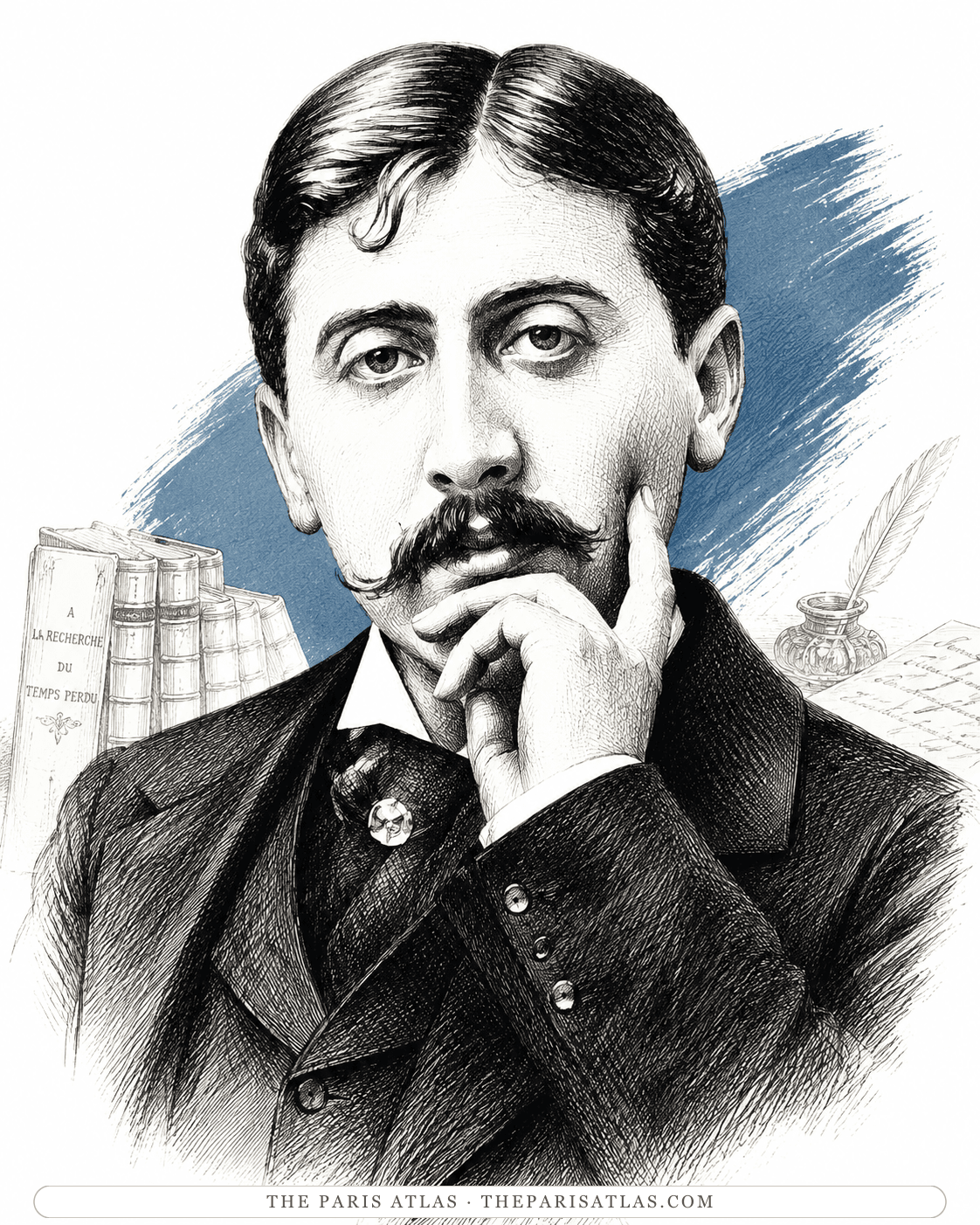
Marcel Proust
Frequented by
The City of Paris names Maxim's among the places Proust went out to with friends. It belongs to his sociable years rather than the later reclusive ones, when the Ritz became his headquarters instead.
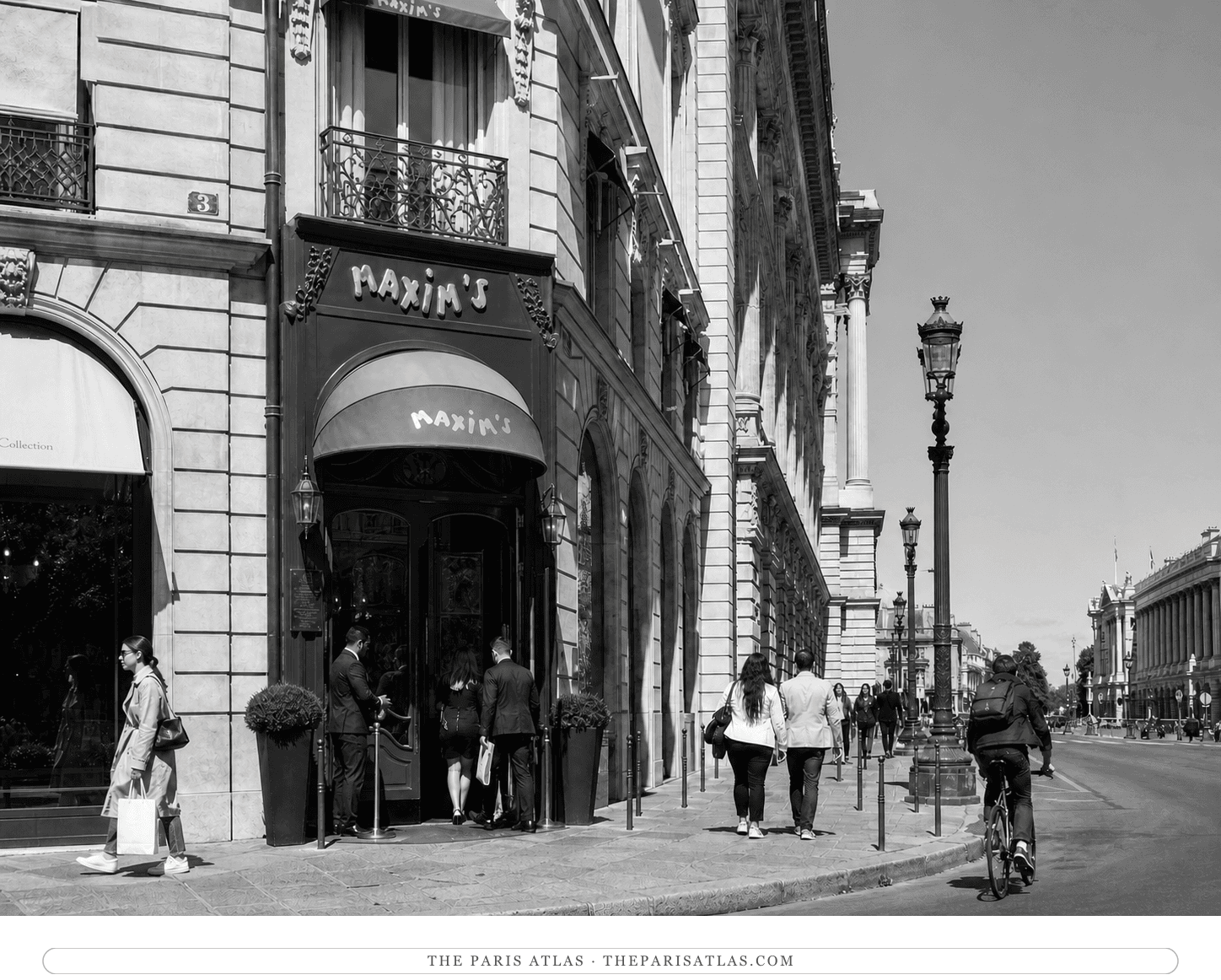
The Belle Époque restaurant on the rue Royale, opened in 1893 and still trading behind the same Art Nouveau interior. The City of Paris names it among the places Marcel Proust went out to with friends — a rare Proust address that is still doing exactly what it did.

Maxim's opened on the rue Royale in 1893 and became, within a few years, the restaurant that meant the Belle Époque. Its interior was fitted out in full Art Nouveau — mirrors, carved woodwork, painted glass, curved lines everywhere — and its clientele was the mixture that defines the period in retrospect: aristocracy, money, actresses, foreign princes, and the people who wanted to be seen near them.
That mixture is Marcel Proust's subject. In Search of Lost Time is an anatomy of exactly this society at exactly this moment — who is admitted, who is tolerated, who is quietly excluded, and how fast the rules change. The City of Paris names Maxim's among the places he went out to with friends.
It belongs on his map alongside the Ritz, which became his headquarters later. The Ritz was where the reclusive, ill, late Proust went to eat and watch; Maxim's is the earlier register — the sociable years of the rue de Courcelles, when he was out most nights and gathering the material.
It is still there, still on the rue Royale, still carrying the interior. Among Proust's Paris addresses that is unusual: the residences are private, the school is a school, the boulevard Haussmann flat is a bank. Maxim's is a restaurant you can book a table at, in a room he knew.
Maxim's opens on the rue Royale.
It becomes the defining Belle Époque restaurant; Proust dines out here with friends.
Still operating at the same address, with its Art Nouveau interior intact.
A restaurant at 3 rue Royale, opened in 1893, which became the defining restaurant of the Belle Époque. Its Art Nouveau interior — mirrors, carved wood, painted glass — is intact, and it still operates at the same address.
Yes — the City of Paris names it among the places he went out to with friends. It belongs to the sociable stretch of his life, the years at 45 rue de Courcelles, rather than to the later reclusive period when the Ritz became his headquarters.
Yes. It is still a working restaurant on the rue Royale with its historic interior, which makes it one of the very few Proust locations you can actually sit down inside. Most of the others are private residences or institutions.
Frequented by
The City of Paris names Maxim's among the places Proust went out to with friends. It belongs to his sociable years rather than the later reclusive ones, when the Ritz became his headquarters instead.
Art & design movement · circa 1890–1914
Art Nouveau brought flowing natural forms to architecture and design around 1900. Its artists, buildings, posters, objects and surviving Paris interiors.
Enter the movement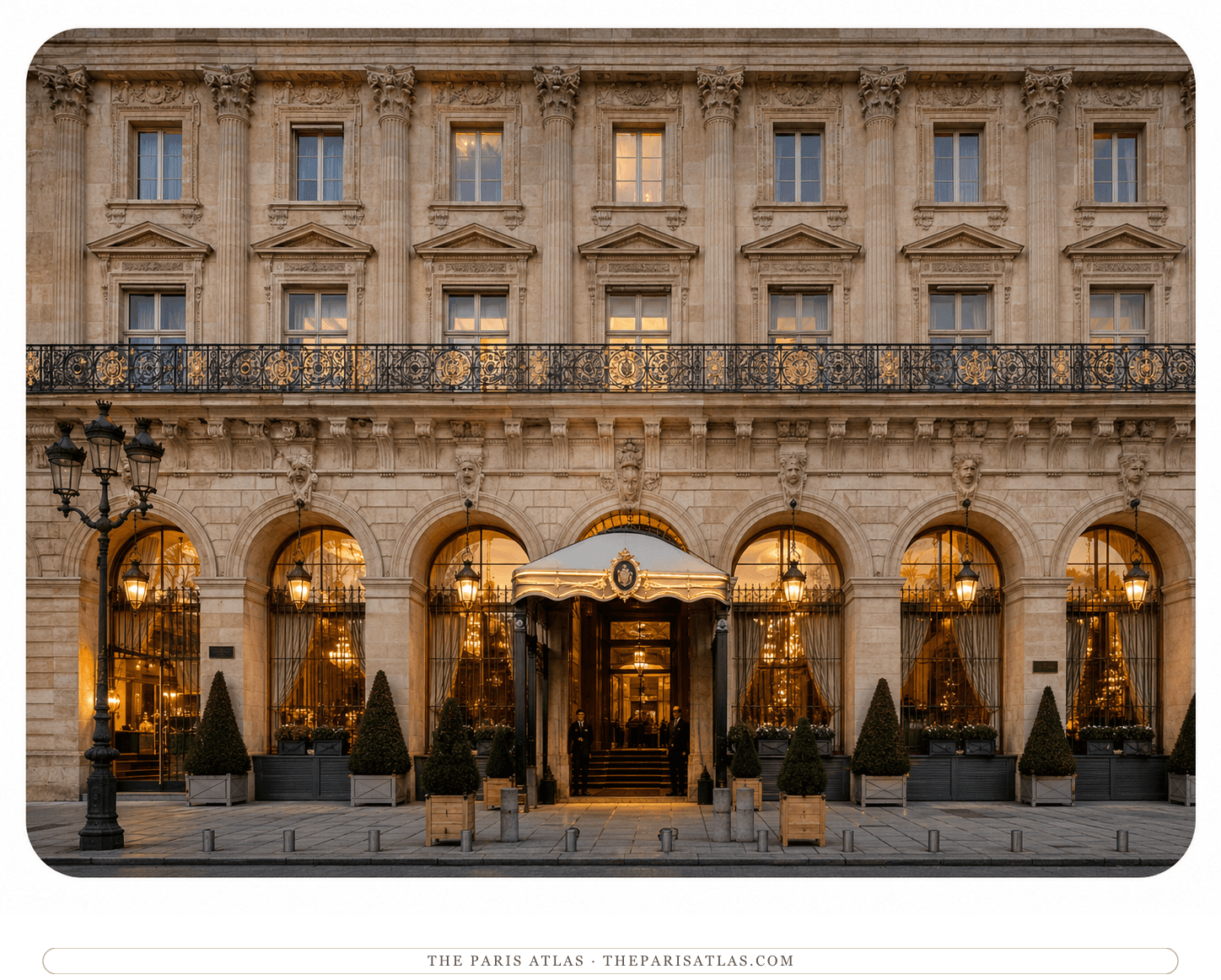
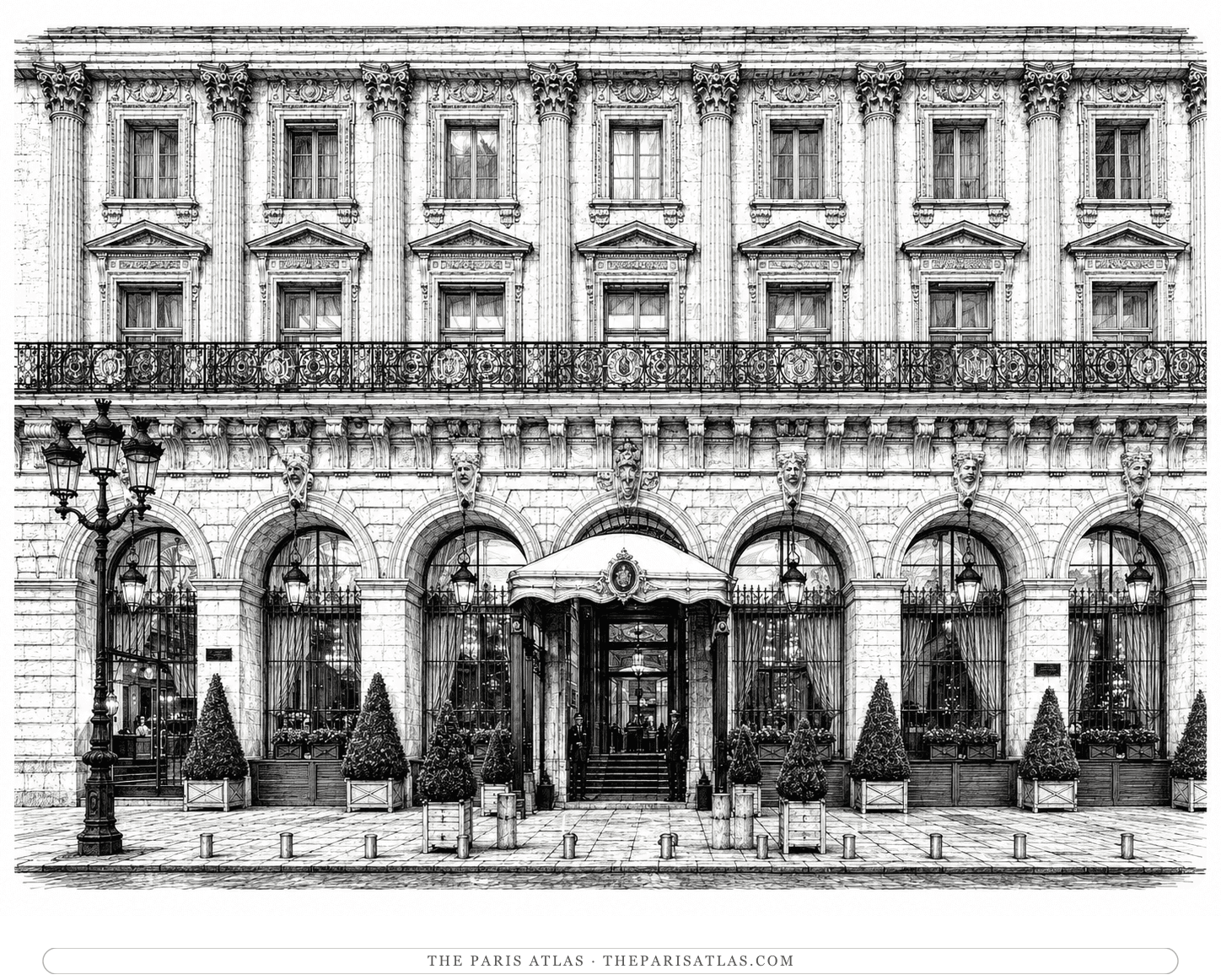
The grandest address on the Place de la Concorde — where Jake Barnes, the narrator of Ernest Hemingway's The Sun Also Rises, crosses the river to write letters on impressive stationery and drink a Jack Rose with George the barman.
Visit the place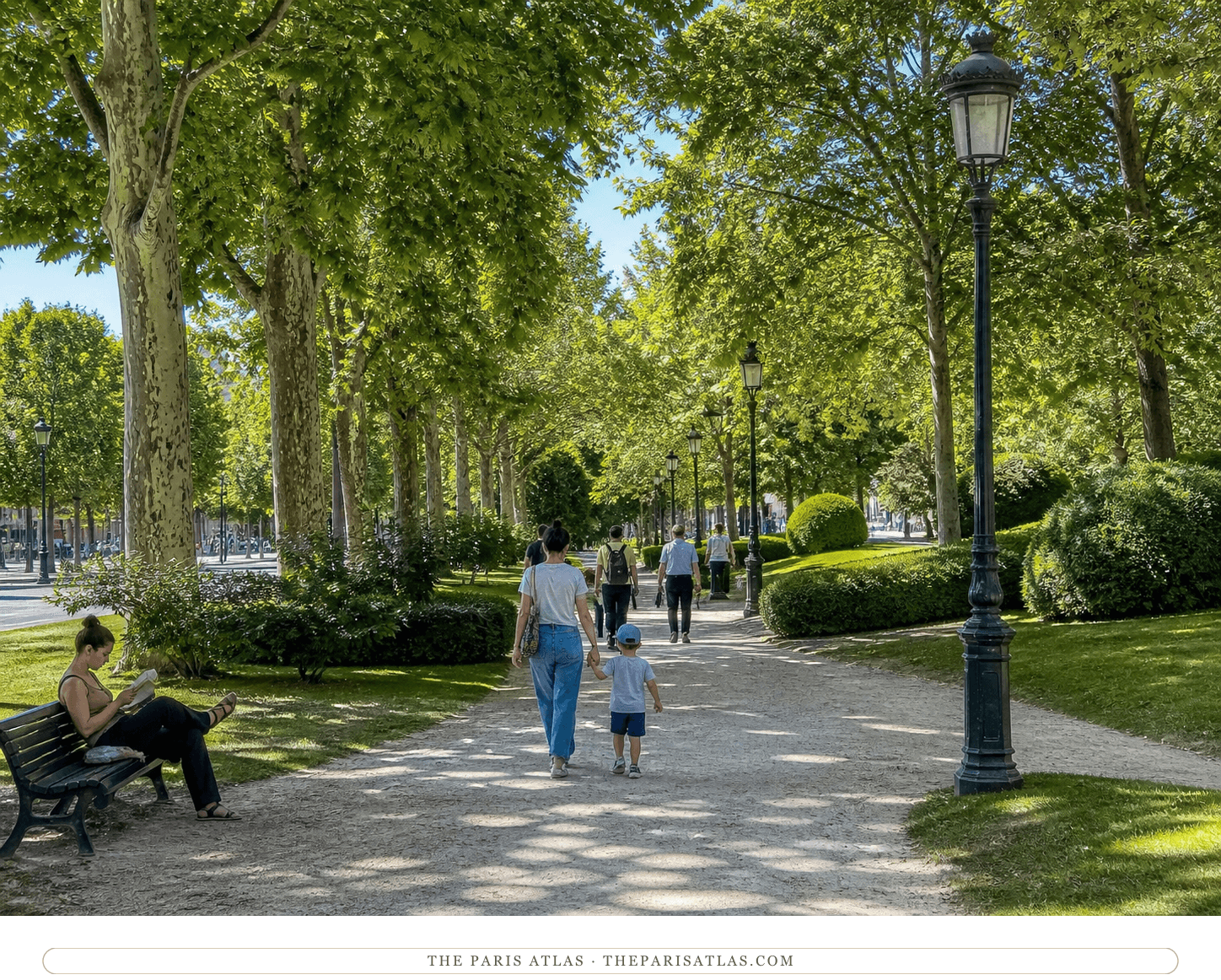
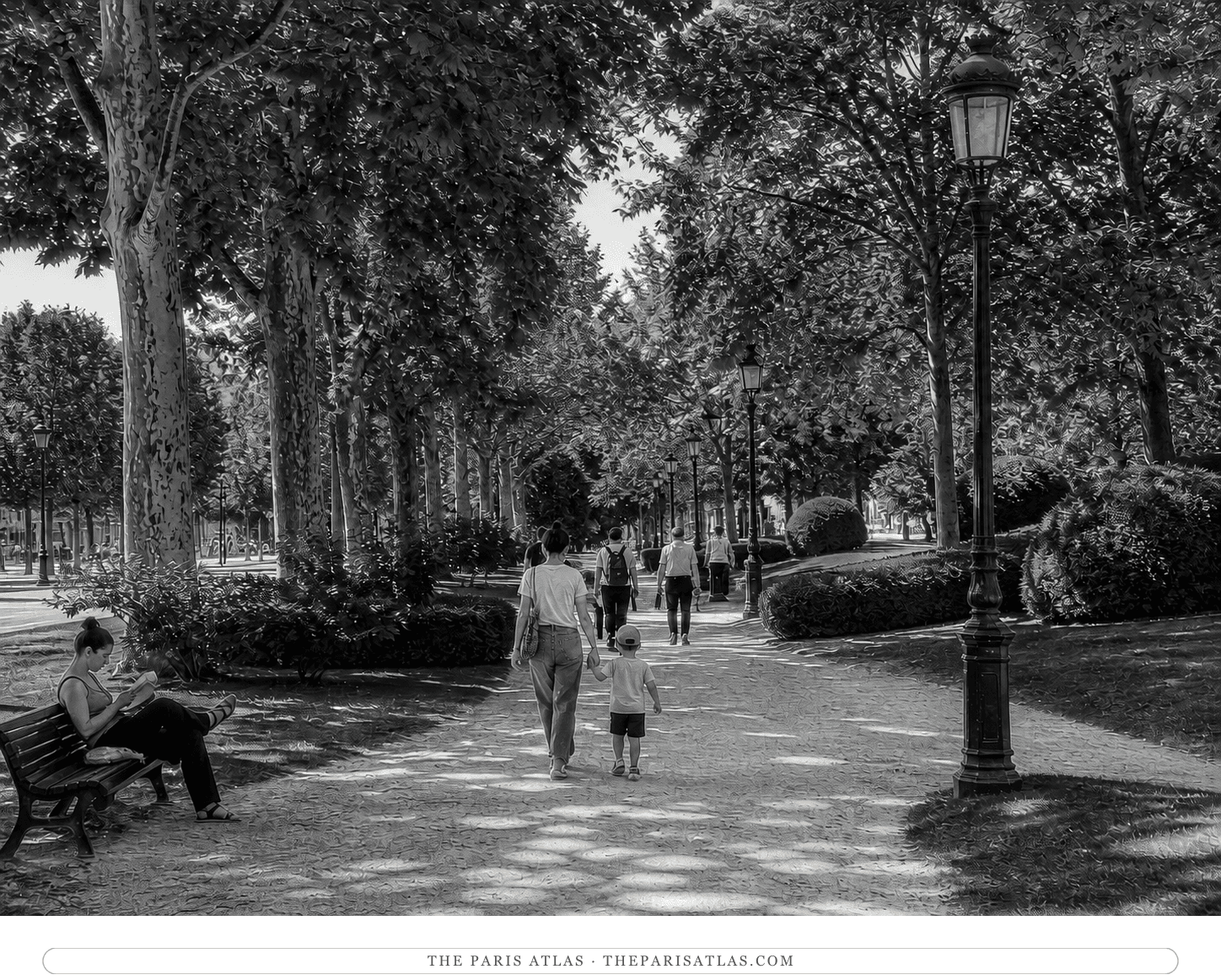
The gardens along the lower Champs-Élysées, between the Rond-Point and the Concorde — where the young Marcel Proust played, and where in July 1886 he met Marie de Bénardaky, his first love and a source for Gilberte in In Search of Lost Time. One of the paths is now officially the Allée Marcel-Proust.
Visit the place
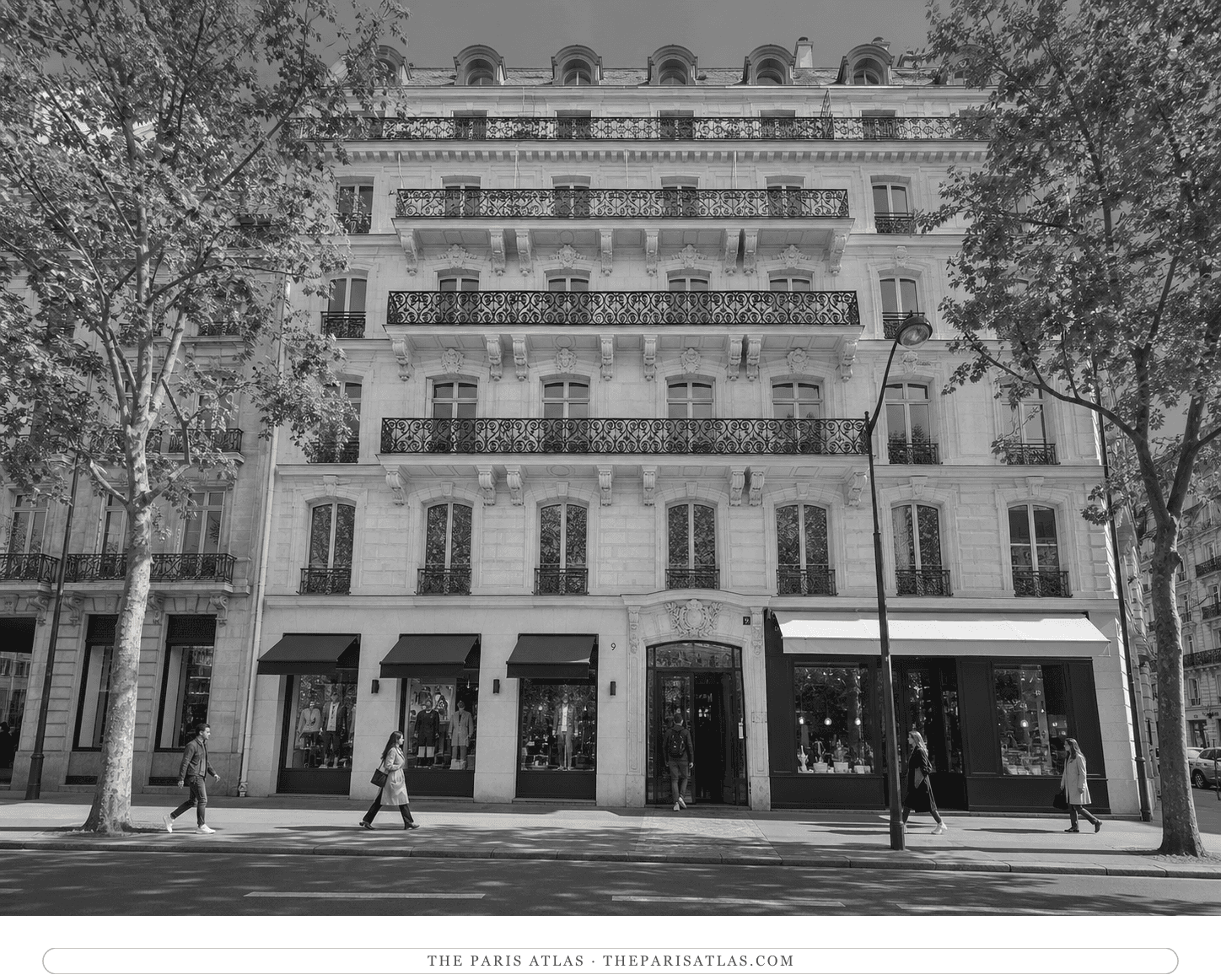
The Proust family flat, where Marcel lived with his parents and his brother Robert for twenty-seven years — effectively his whole childhood, adolescence and early adulthood. The society he spent the rest of his life reconstructing from memory is the one he learned here.
Visit the place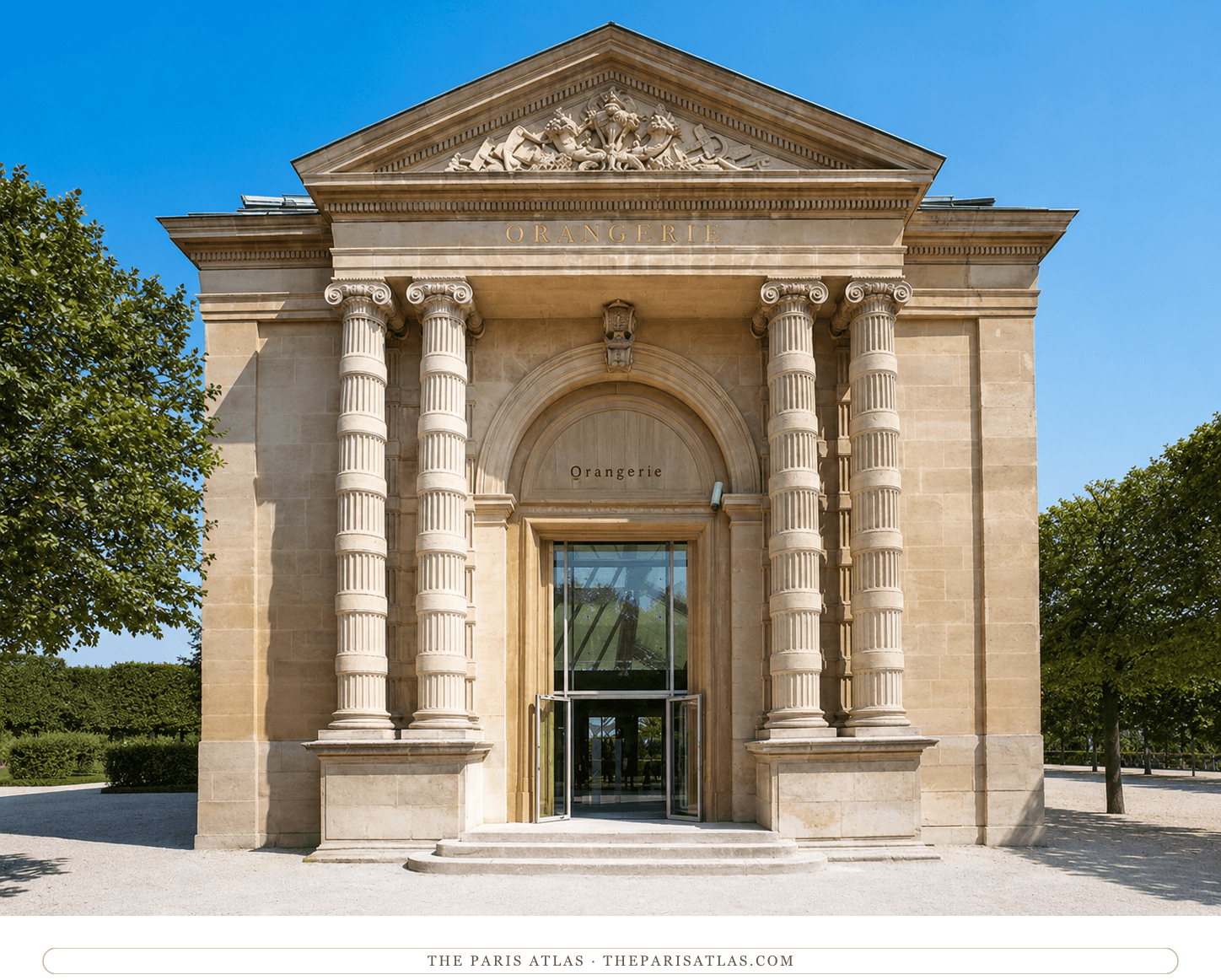
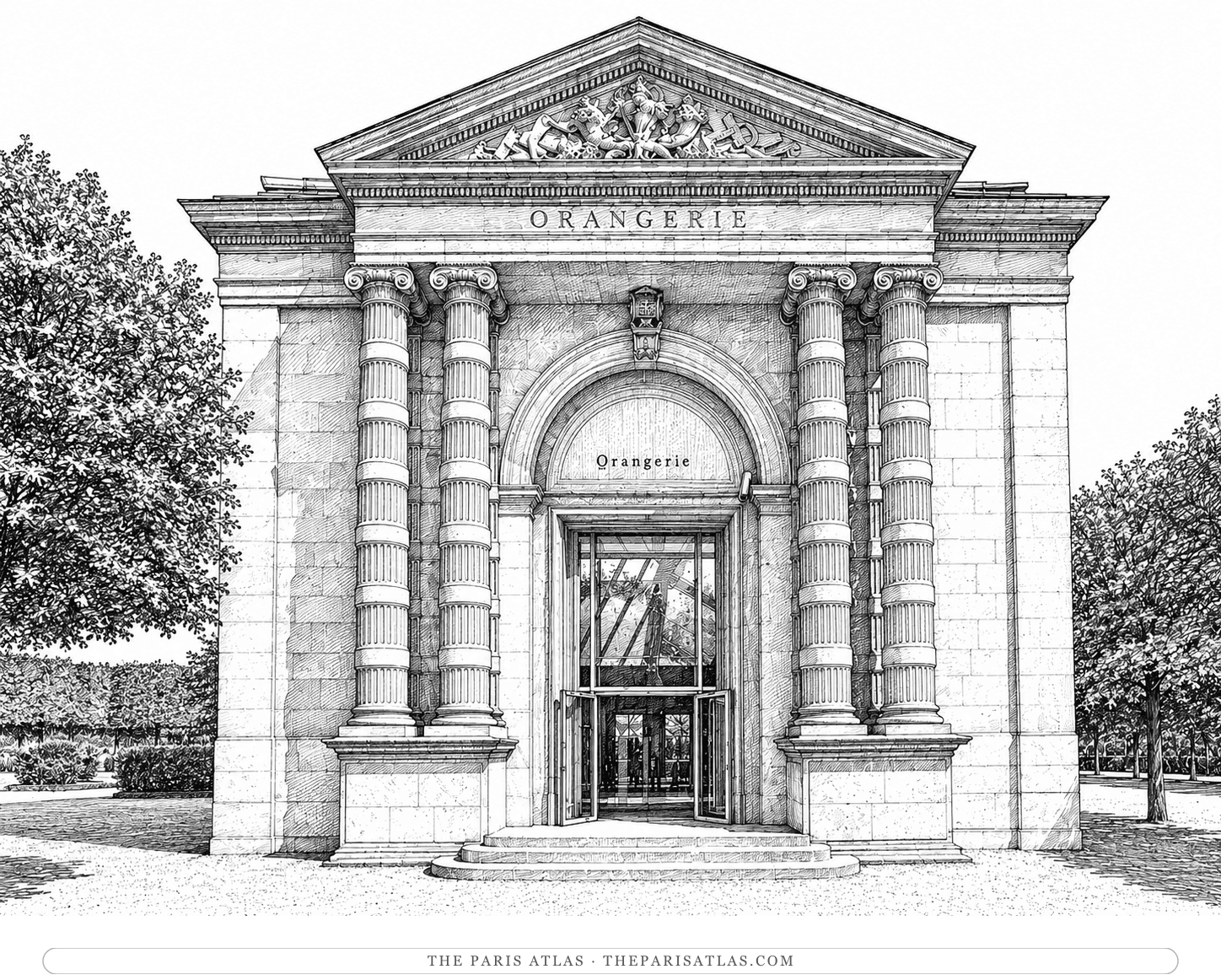
The 1852 orangery of the Tuileries garden, converted to Monet's specifications and opened in 1927 as the museum of the Water Lilies.
Visit the placeThe sources below include histories, archival materials, scholarly research, and official records that informed this page. They document Maxim's, the people connected to it, and its place in Paris.

The city's Proust walk names Maxim's, 3 rue Royale, among the places he went out to with friends.

Map data used to verify addresses, geographic coordinates, and the placement associated with Maxim's.
Web source consulted for documented facts and historical context presented on the Maxim's page.
Web source consulted for documented facts and historical context presented on the Maxim's page.
Web source consulted for documented facts and historical context presented on the Maxim's page.
These references provide the documented foundation for this page's history and context. Claim-level citations remain attached to the specific claims they support.
 Explore more resources
Newsletter
The cafés, studios, and walk-up flats where the work was made — one story from the map in every letter.