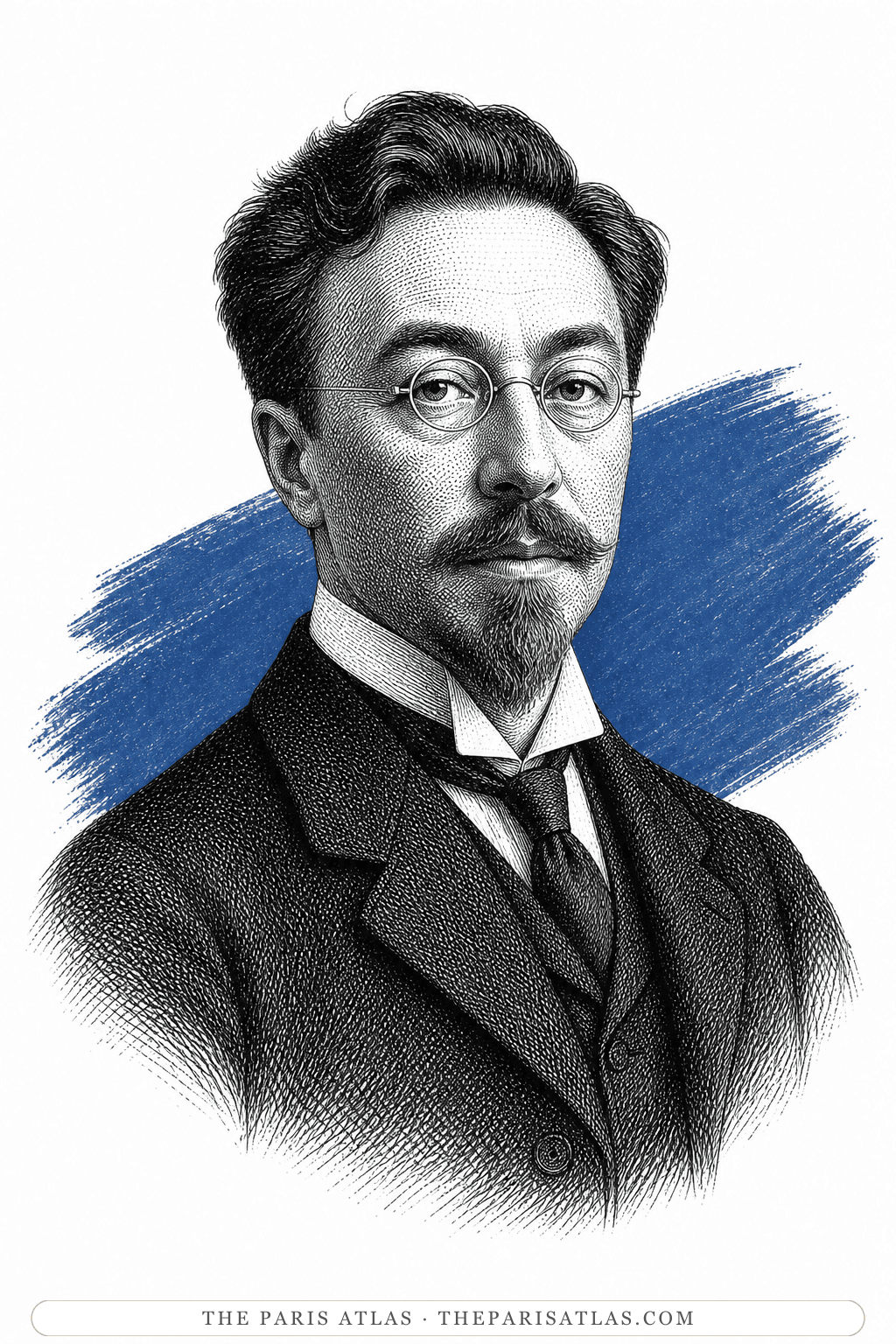
Wassily Kandinsky
Frequented by
Kandinsky bought materials at Sennelier on the quai Voltaire during the wartime shortages, when pigment and canvas were scarce.
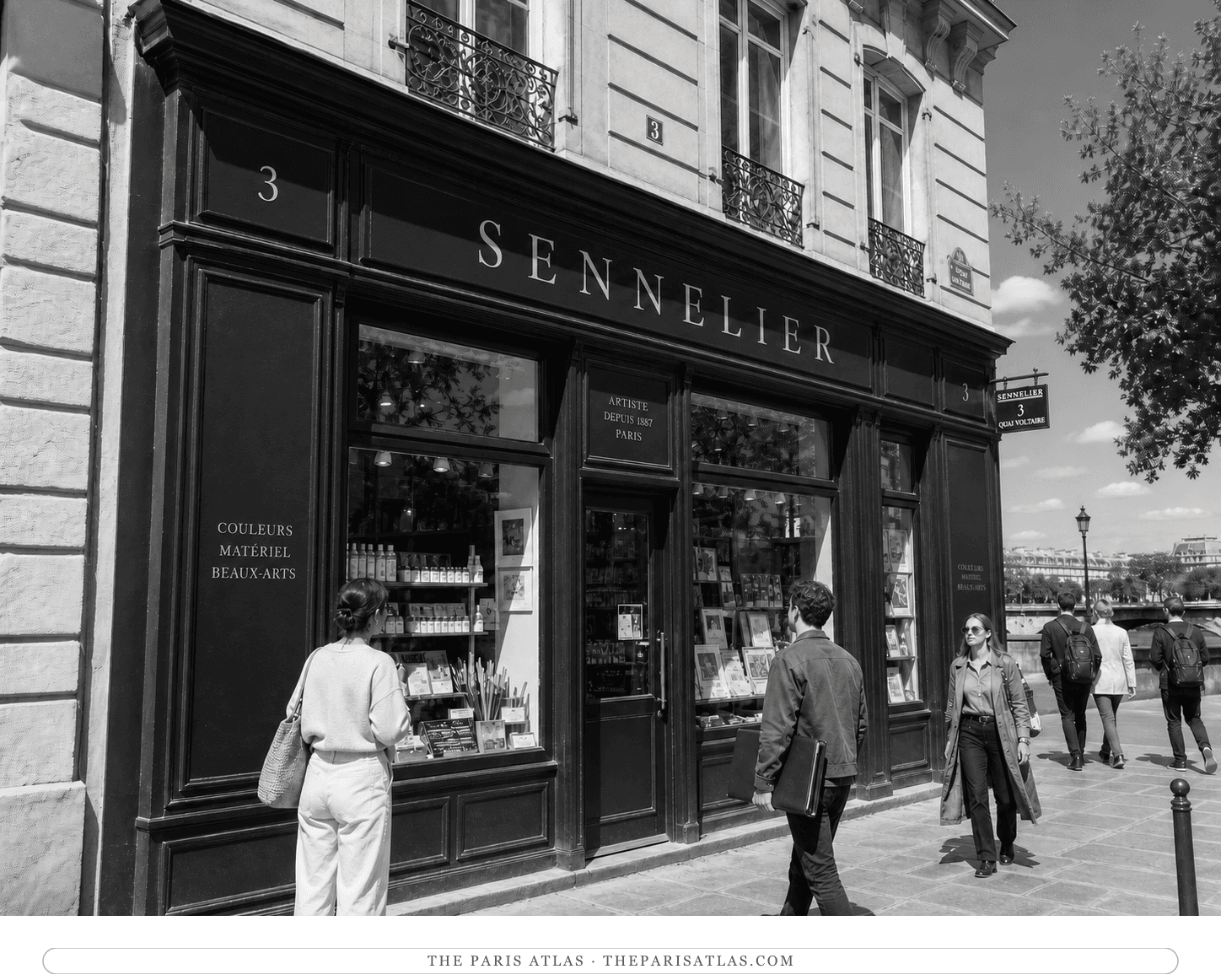
The artists' colourman opened by Gustave Sennelier on the quai Voltaire in 1887, opposite the Louvre — still trading, still grinding pigment, and still looking very much as it did.
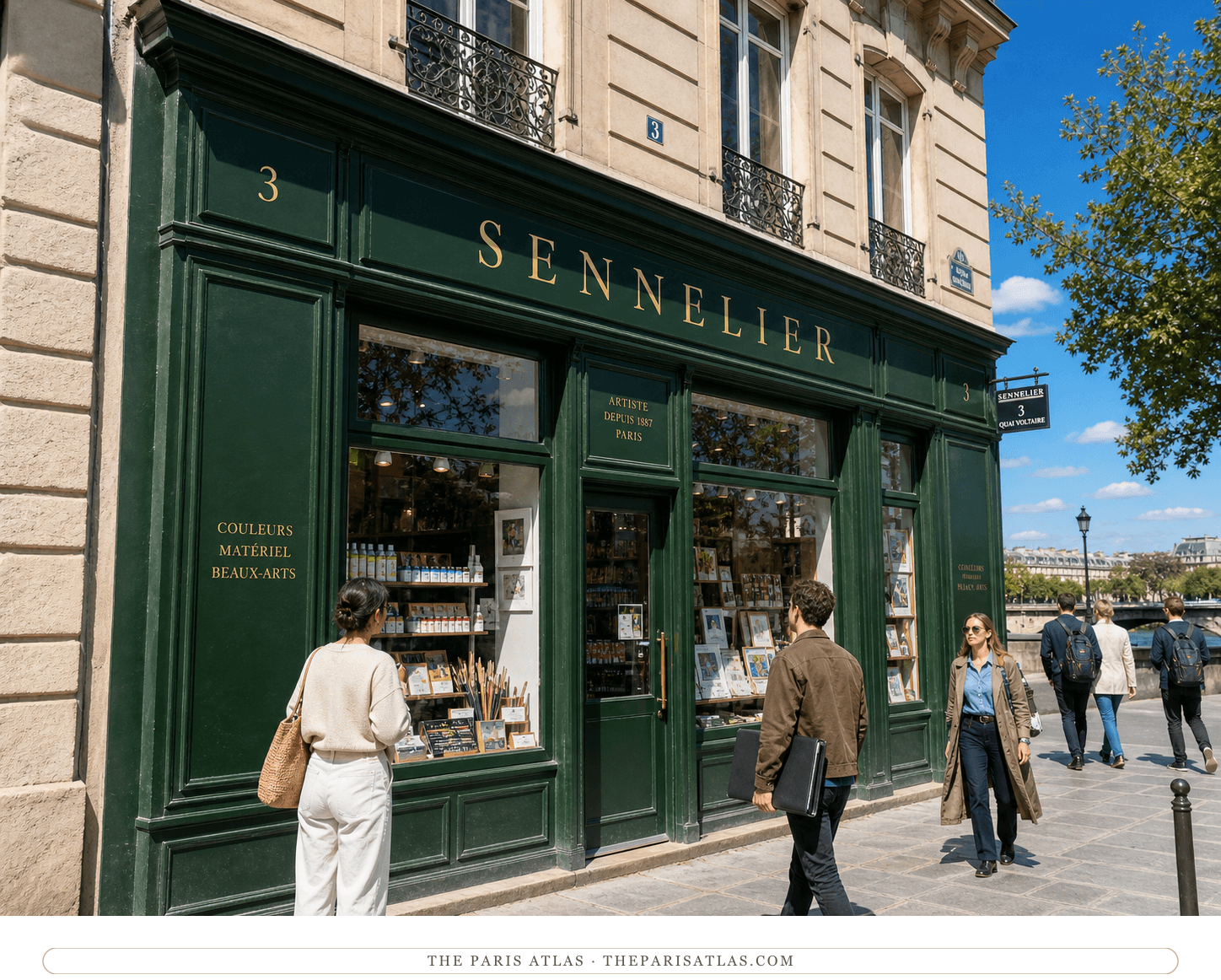
Gustave Sennelier opened his colour shop on the quai Voltaire in 1887, directly across the Seine from the Louvre, which is not a coincidence: the shop was positioned for painters going to and from the museum to copy.
It has been supplying them ever since. The house made its name grinding pigments to order and mixing bespoke colours for individual painters. It is one of the few Paris businesses where the trade, the family, the premises and the purpose have all stayed the same for well over a century.
Wassily Kandinsky used it during the Occupation, when materials were genuinely scarce and painters were extending what they had by whatever means they could. The shop's role in those years was less about luxury than about whether work could continue at all.
It is small, crowded and open. Walking in is the ordinary way to see it.
Gustave Sennelier opens the shop on the quai Voltaire.
Kandinsky buys scarce materials here during the Occupation.
Yes — it is a working shop at 3 quai Voltaire and you can walk in. It is small and usually busy.
It was founded in 1887 and has traded on the same quay ever since, opposite the Louvre.
Frequented by
Kandinsky bought materials at Sennelier on the quai Voltaire during the wartime shortages, when pigment and canvas were scarce.

Chagall bought pigments and materials at Sennelier on the quai Voltaire, the colour merchant supplying Paris painters since 1887.
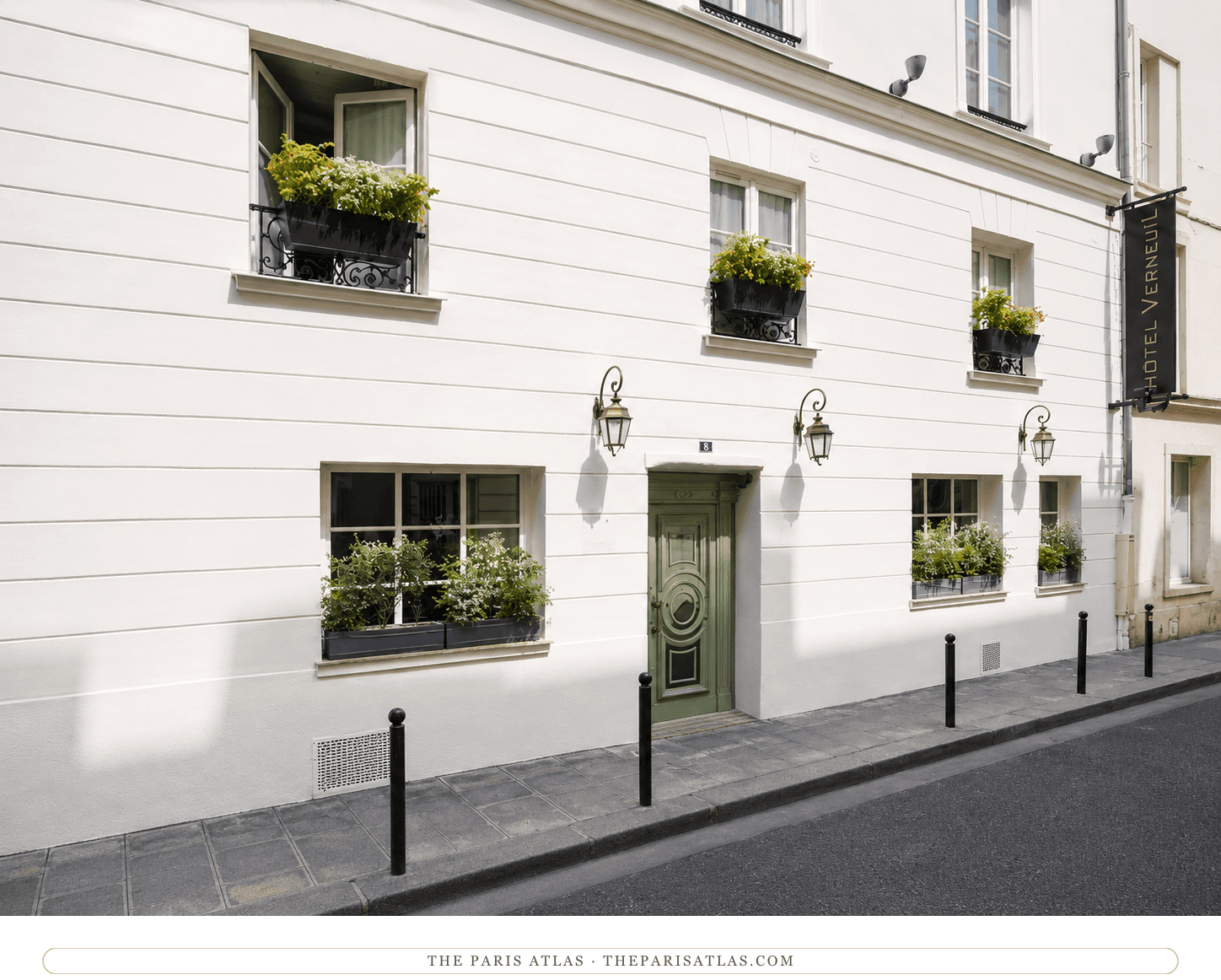
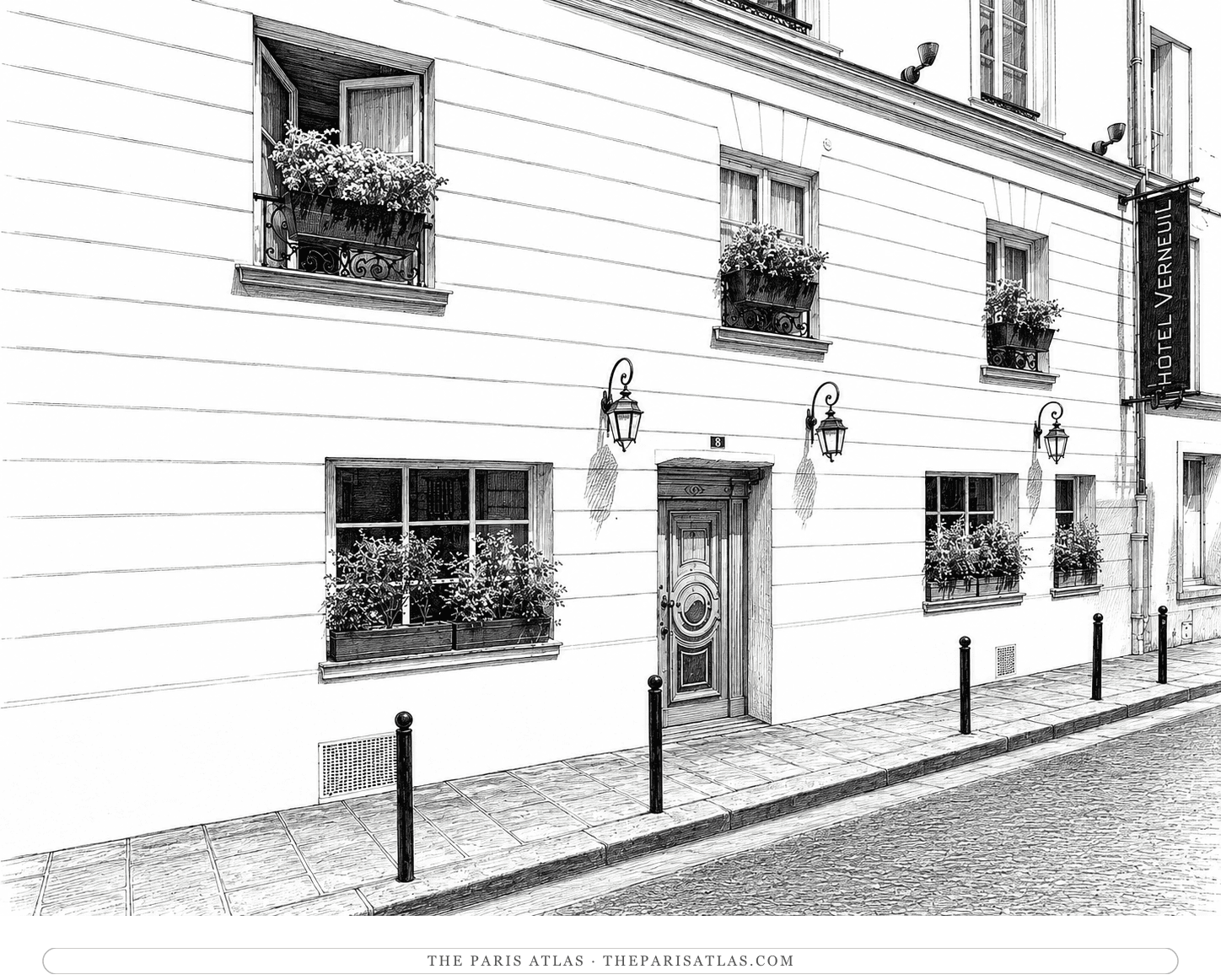
The Left Bank hotel where James Baldwin settled after arriving in Paris in November 1948, and where his first published essays were written.
Visit the place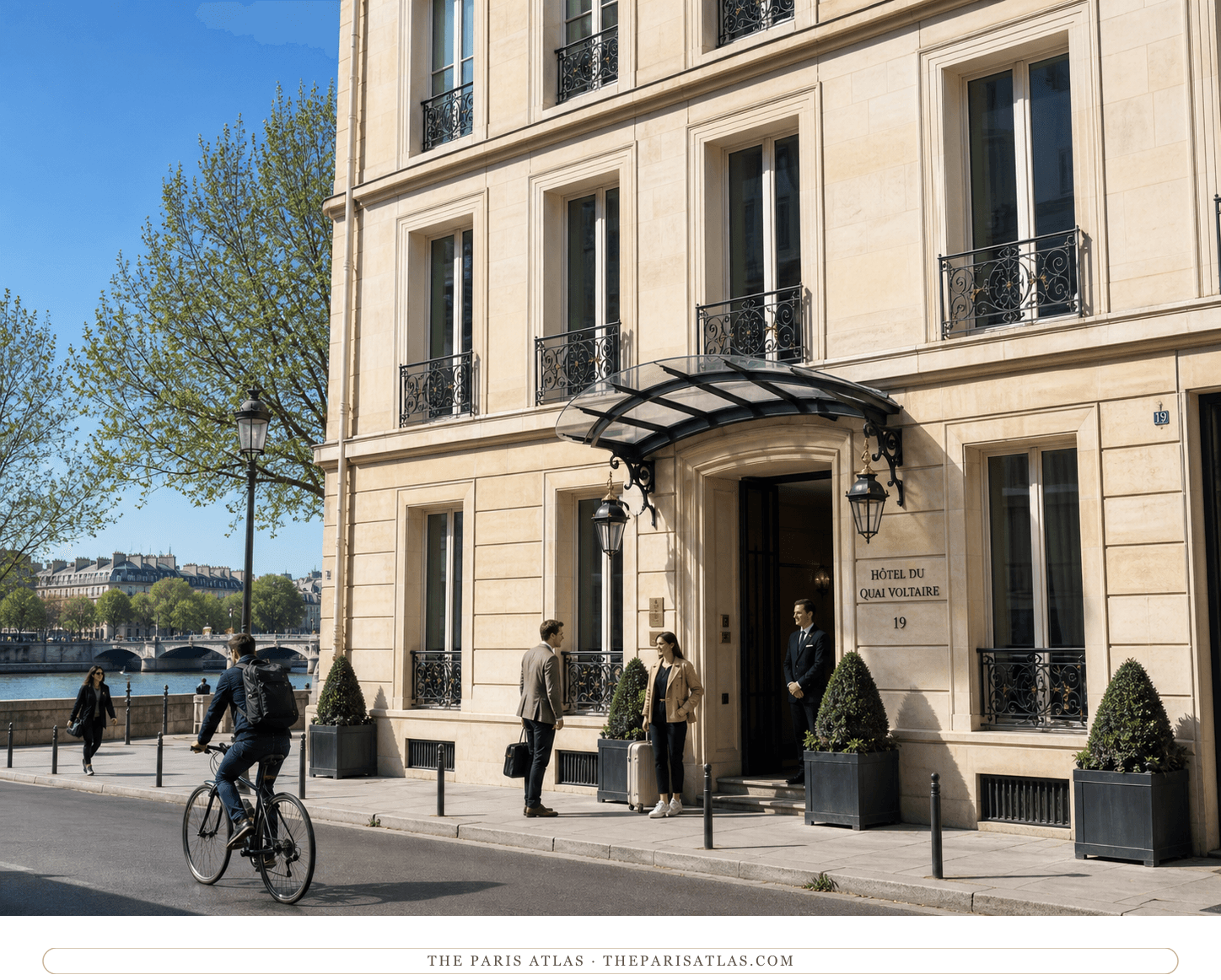
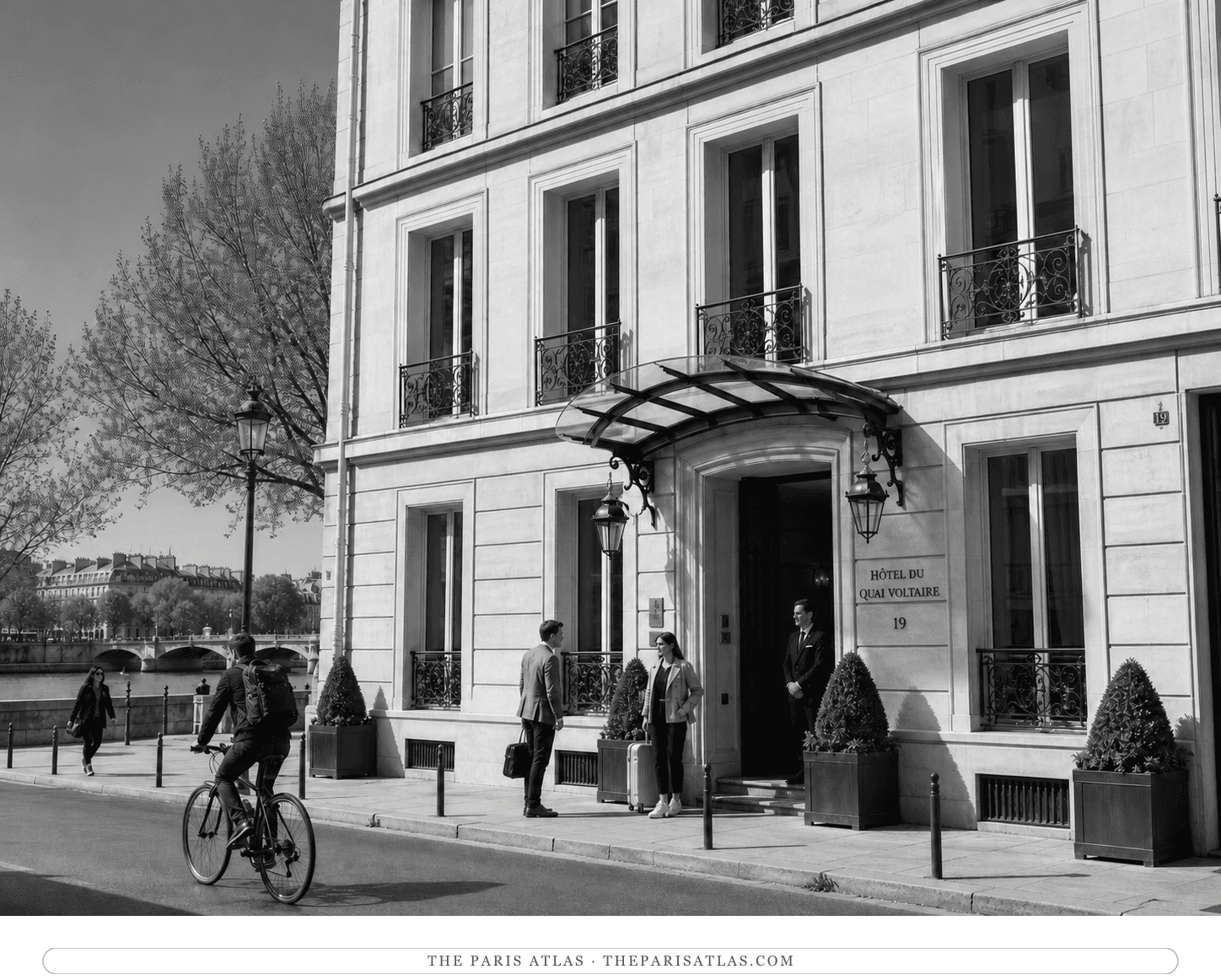
The hotel facing the Louvre across the Seine where Camille Pissarro took a third-floor room in the spring of 1903 and painted the Pont Royal, the Pavillon de Flore and the river — the last series he made in Paris.
Visit the place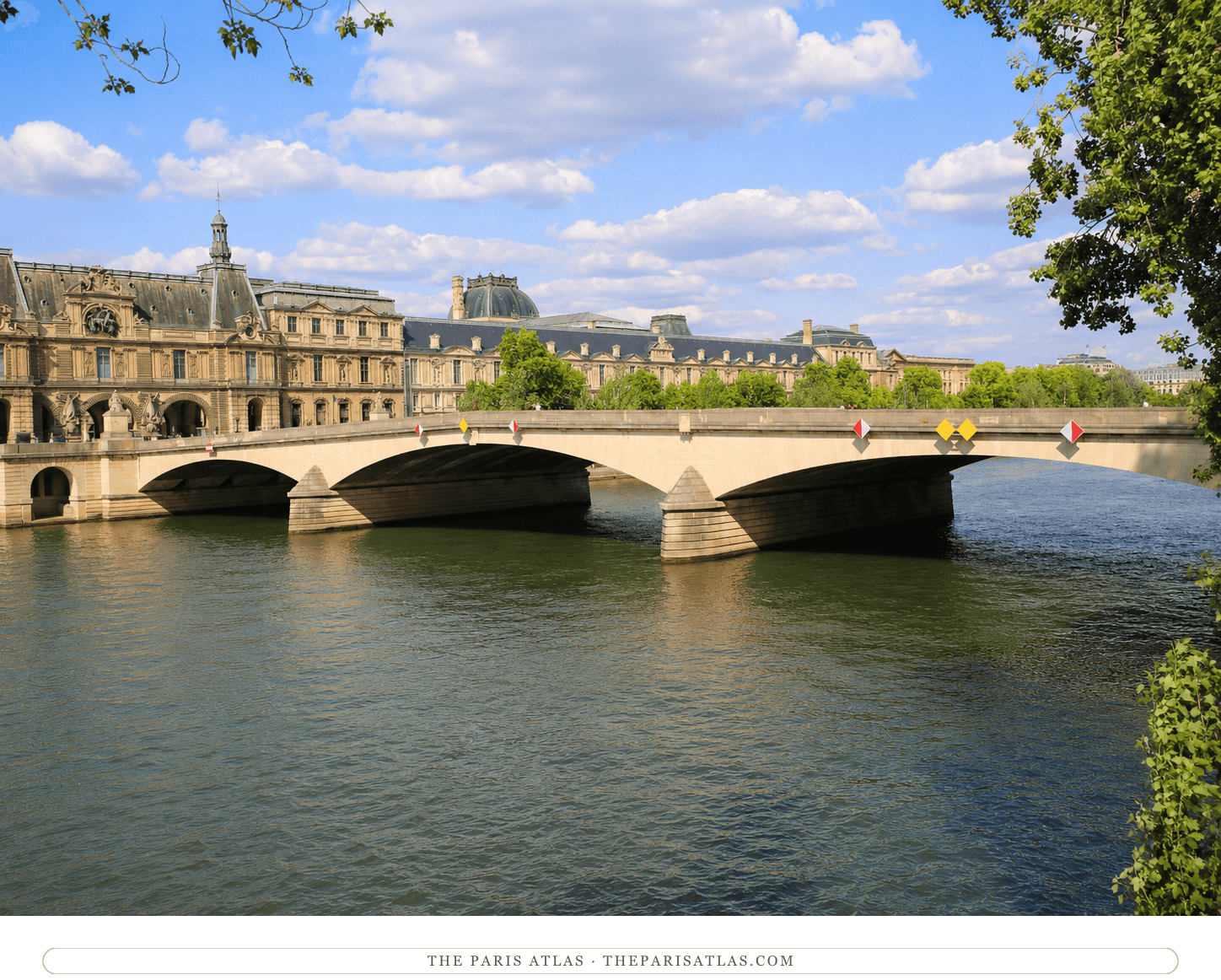
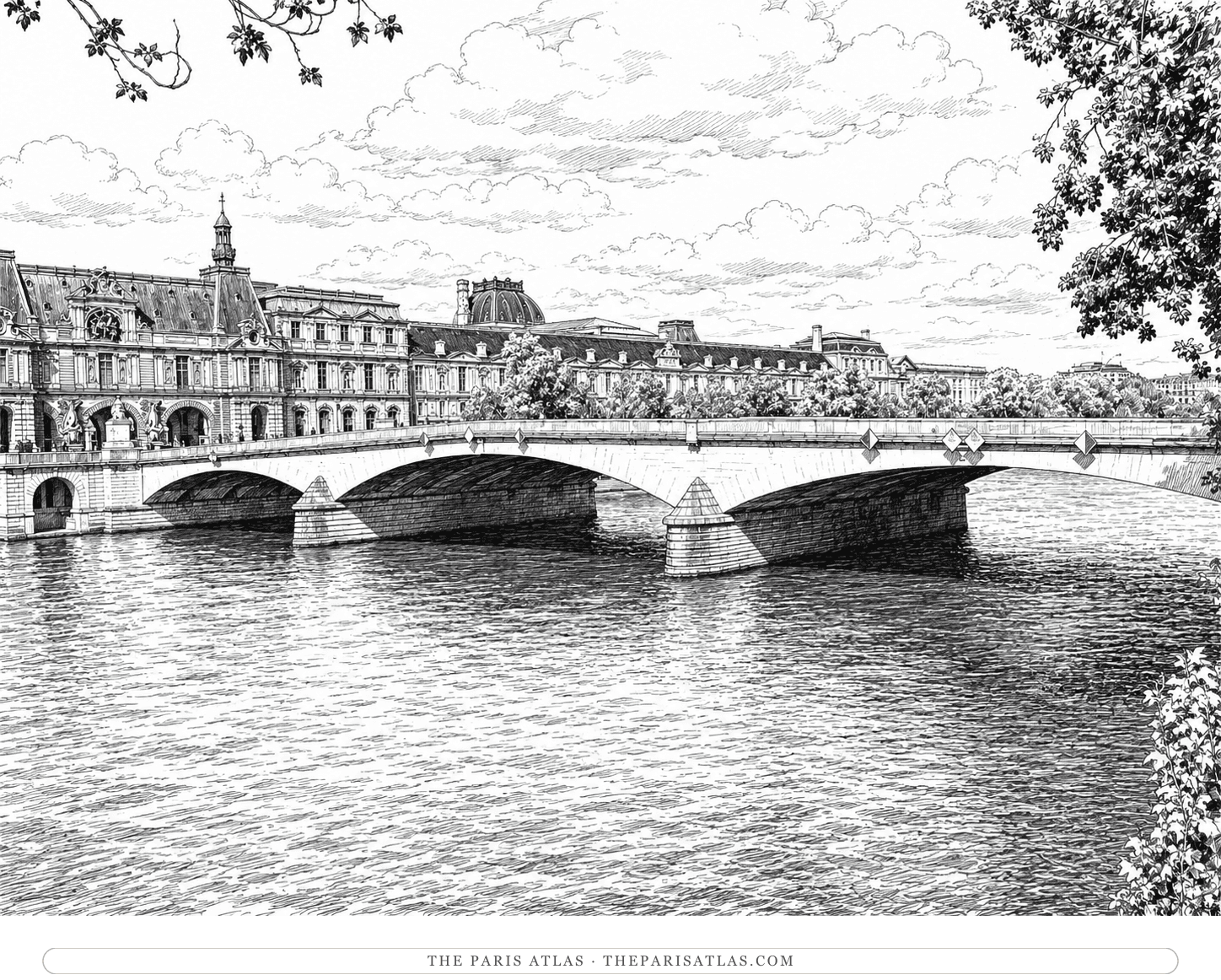
The crossing from the Louvre to the rue des Saints-Pères: an 1834 iron bridge replaced by a stone one in 1939, with distinctive telescoping streetlamps designed to rise after dark.
Visit the place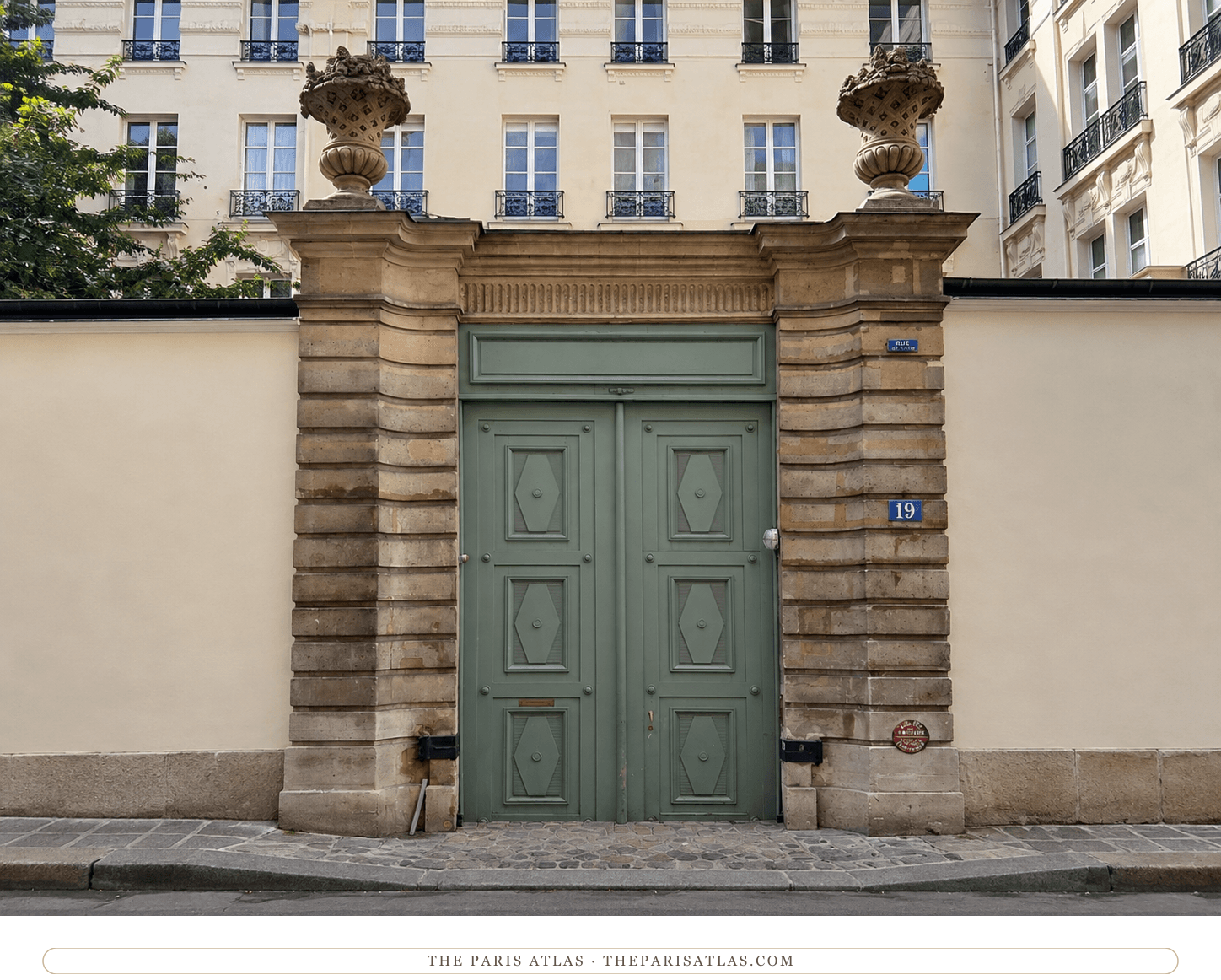
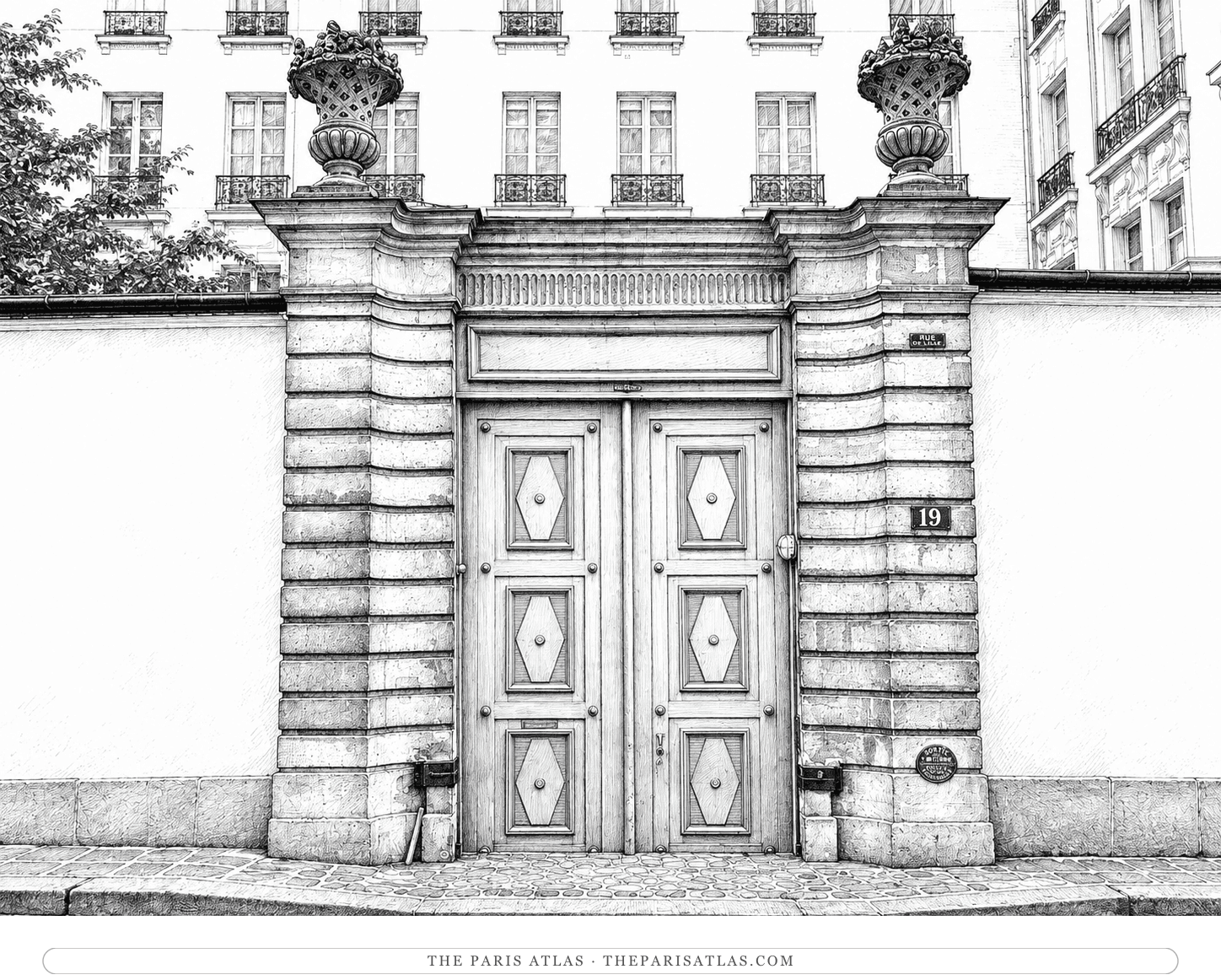
The Paris town house of Harry and Caresse Crosby, and the address of the Black Sun Press, which published D. H. Lawrence, James Joyce, Hemingway and Hart Crane in editions made to be beautiful rather than to sell.
Visit the placeThe sources below include histories, archival materials, scholarly research, and official records that informed this page. They document Sennelier, 3 quai Voltaire, the people connected to it, and its place in Paris.


Web source consulted for documented facts and historical context presented on the Sennelier, 3 quai Voltaire page.
Web source consulted for documented facts and historical context presented on the Sennelier, 3 quai Voltaire page.
Web source consulted for documented facts and historical context presented on the Sennelier, 3 quai Voltaire page.
Web source consulted for documented facts and historical context presented on the Sennelier, 3 quai Voltaire page.
These references provide the documented foundation for this page's history and context. Claim-level citations remain attached to the specific claims they support.
 Explore more resources
Newsletter
The cafés, studios, and walk-up flats where the work was made — one story from the map in every letter.