The Paris AtlasCharting the artists, works, and places worth returning to.
  • Playwright
  • Actor
· French · 1622–1673

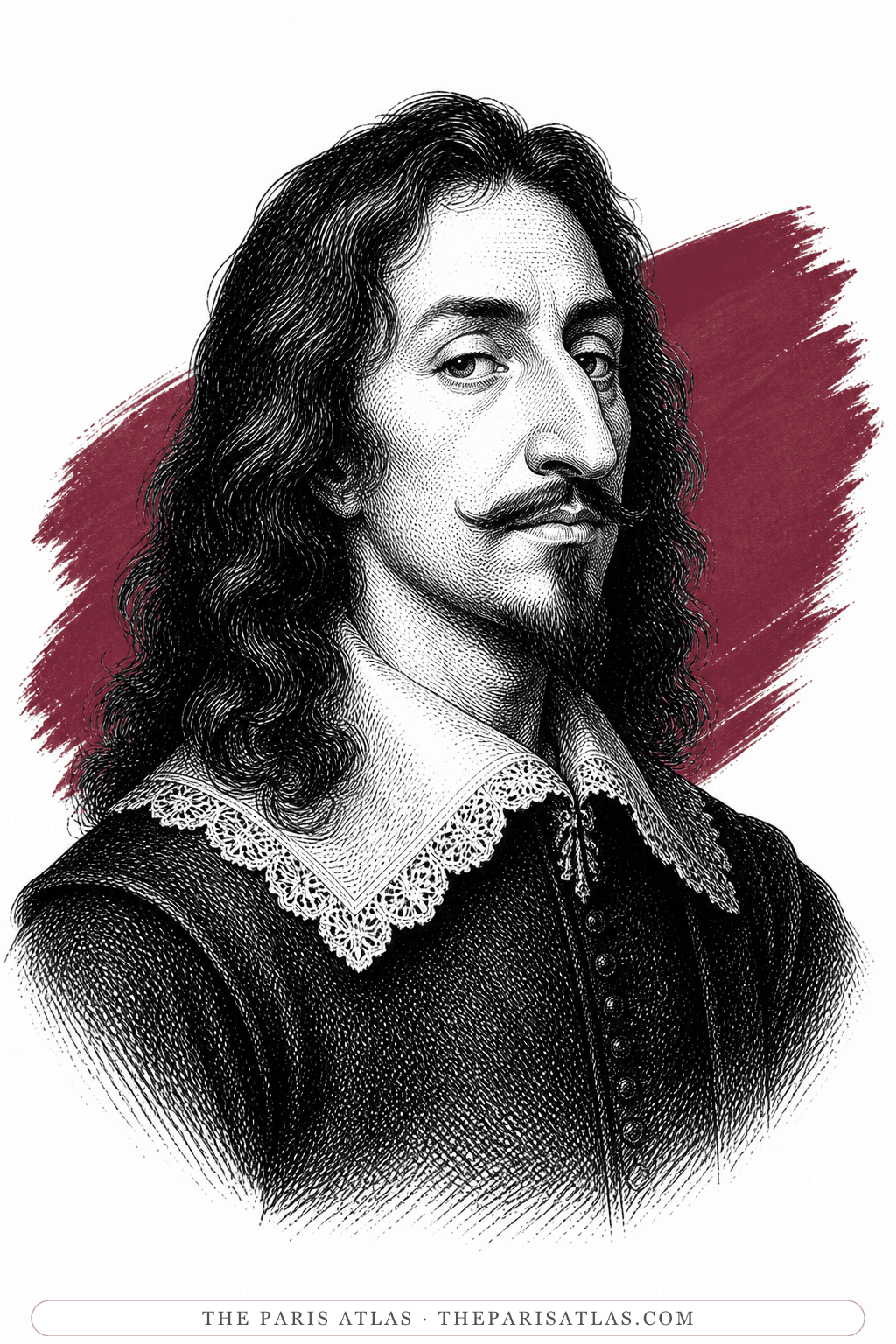
Molière

The actor and playwright who founded a Paris theatre company at twenty-one, watched it go bankrupt, did a spell in prison for debt, spent thirteen years touring the provinces, and came back in 1658 to play before the court of Louis XIV — the young king who became his protector — then wrote the comedies that became the foundation of French theatre. He collapsed on stage in 1673 while playing a hypochondriac, a healthy man convinced he is dying, and died the same evening.

Details

Lived
1622–1673
Born
1622
Birthplace
Paris, France
Birth name
Jean-Baptiste Poquelin
Died
17 February 1673
Place of death
Paris, France
Nationality
French
Profession
Actor, playwright, and head of a theatre company
Major works
Les Précieuses ridicules, Tartuffe, Dom Juan, Le Misanthrope, Le Bourgeois gentilhomme, Le Malade imaginaire
Married
Armande Béjart · 1662–1673
Roles
PlaywrightActor
Also known as
Jean-Baptiste Poquelin

About Molière

Molière was born Jean-Baptiste Poquelin in Paris in the first days of 1622 — baptised on 15 January — the son of a rich merchant who in 1631 bought the office of tapissier ordinaire du roi, upholsterer in ordinary to the king, a court supply job that came with rank. He was schooled at the Jesuit Collège de Clermont, the school that is now the lycée Louis-le-Grand, and was expected to become a lawyer or to inherit the upholstery. In 1643 he had his share of his mother's estate paid out, signed a contract with a theatrical family called the Béjart, and put the money into a company he named the Illustre-Théâtre, the Illustrious Theatre. It went bankrupt within two years, and he was briefly imprisoned for its debts.

The recovery took thirteen years of touring. When the troupe finally played before the royal court in Paris in 1658 it won the protection that made everything else possible: a Paris theatre, the king's money, and an audience for the comedies — Tartuffe, on a religious fraud who takes over a household that trusts him; Dom Juan, on a nobleman who believes in nothing; Le Misanthrope, 'The Misanthrope', on a man who will not pay society the small lies it runs on; Le Bourgeois gentilhomme, 'The Would-Be Gentleman', on a tradesman buying his way into the nobility — that made him the writer French theatre is still organised around. He died on 17 February 1673, hours after playing the title role in Le Malade imaginaire, 'The Hypochondriac', his comedy mocking a healthy man besotted with his doctors. The Comédie-Française — France's national theatre company, universally called the House of Molière — was created out of his troupe seven years later, by an order of Louis XIV he never lived to hear.

The upholsterer's son who signed with the Béjarts

Jean-Baptiste Poquelin was born in Paris at the start of 1622 and baptised on 15 January. His father, Jean Poquelin, was a wealthy merchant upholsterer who in 1631 bought the office of "tapissier ordinaire du roi" — upholsterer in ordinary to the king — a purchased court position that gave a tradesman a foothold at court and an income to go with it. The son was sent to the Collège de Clermont, the Jesuit school in the Latin Quarter that is today the lycée Louis-le-Grand, and was pointed at one of two futures: the law, or the family workshop.

He took neither. In 1643, aged twenty-one, he had his share of his dead mother's estate paid out to him, signed a contract with the Béjart family — a Paris family of actors, of whom the eldest, Madeleine Béjart, became his working partner for the next thirty years — and spent the money founding a theatre company they called the Illustre-Théâtre, the Illustrious Theatre. It was a total failure. The company went bankrupt in 1645, and Jean-Baptiste Poquelin, who by then had taken the stage name Molière, went briefly to prison for the debts it left behind.

Thirteen years on the road

What saved him was leaving. Molière joined the Béjarts in a travelling company and spent roughly the next thirteen years playing the French provinces, for much of that time under the protection of the prince de Conti — Armand de Bourbon, a prince of the royal blood, whose patronage gave a touring troupe legal cover, venues and status. Those were the apprentice years: he learned to act, to manage a company's money and quarrels, and to write the farces that a paying provincial audience would sit through twice. The first plays of his own date from this period on the road, and none of the great comedies had been written yet. He was in his mid-thirties before Paris heard of him.

1658: the troupe plays before the court

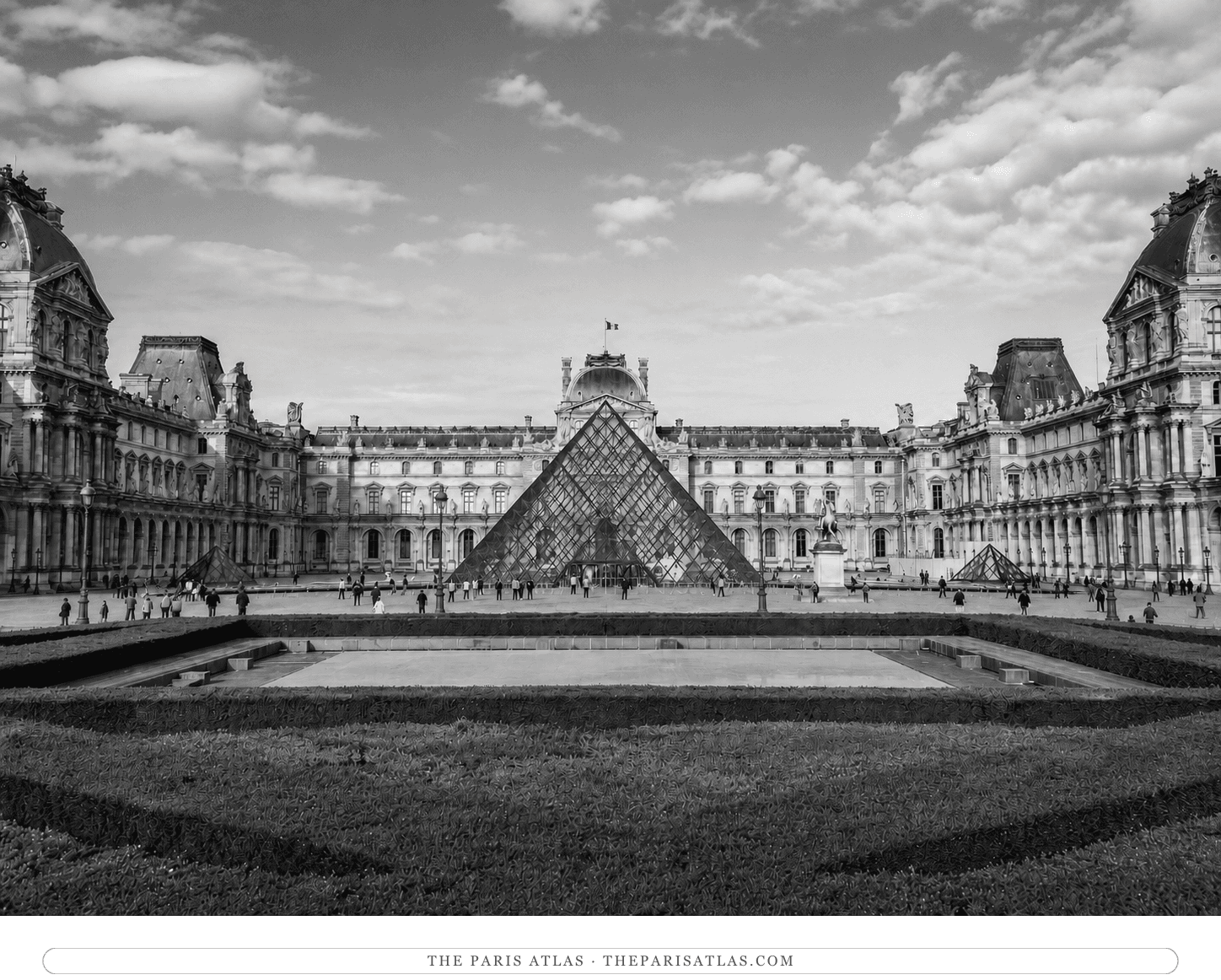
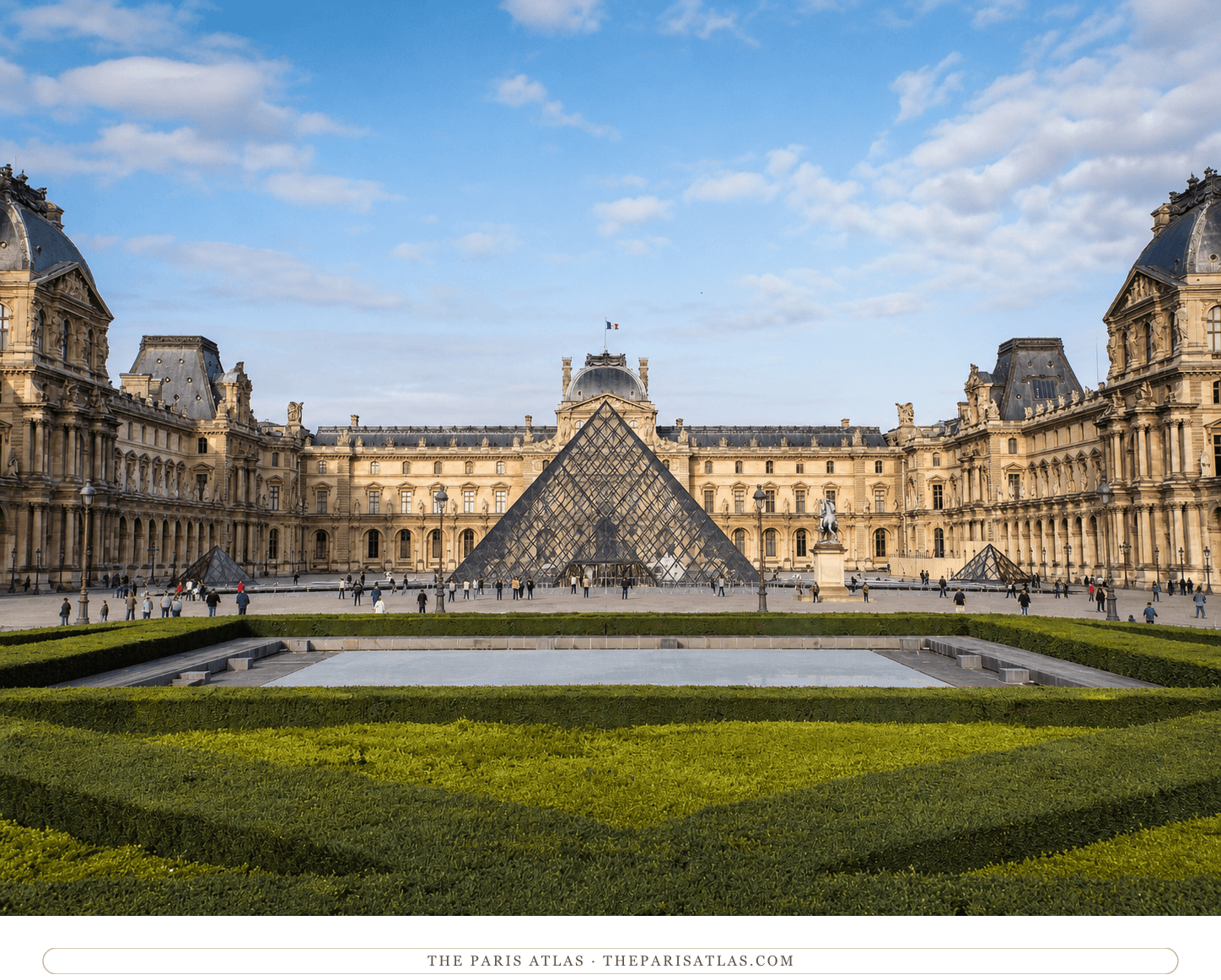
In 1658 the company returned to Paris and made its debut before the royal court, performing at the Louvre — then a working royal palace rather than the museum it later became. That single evening changed the terms of Molière's life. The troupe was installed in a Paris theatre, the Petit-Bourbon, a hall inside the palace of the same name next to the Louvre, and Louis XIV — then a king of nineteen, whose reign would run for another fifty-seven years — became the protector who backed him with both money and public approval when the attacks came.

Fame arrived the next year. Les Précieuses ridicules ('The Affected Young Ladies'), a one-act comedy mocking fashionable Paris women and their overwrought manners, was a triumph in 1659, and Molière became at once the most admired and the most resented writer in the city. In 1661 the troupe moved into the newly fitted-out theatre inside the Palais-Royal, the palace Cardinal Richelieu had built just north of the Louvre and left to the crown, and it stayed its theatre for the rest of his life. That same year he invented a form with the composer Jean-Baptiste Lully: the comédie-ballet, a comedy built with sung and danced interludes, made for the court's appetite for spectacle. Le Bourgeois gentilhomme (1670), his comedy about a rich tradesman buying his way into gentility, is the most famous of them.

Tartuffe, banned

In 1662 Molière married Armande Béjart, of the same theatrical family, and wrote L'École des femmes — 'The School for Wives', in which an ageing guardian raises a girl in total ignorance so that she will make a docile wife, and is outwitted — which was publicly accused of blasphemy. Then came the real fight. In 1664 the dévots — the organised party of militant Catholic piety at court and in the Church — had Tartuffe banned outright; the play's target is a religious hypocrite who worms his way into a credulous household, and the ban came at the request of the archbishop of Paris, the senior churchman of the city. Molière spent five years petitioning to get it staged. Dom Juan (1665), whose hero is a seducer who believes in nothing and is carried off to hell at the end, provoked a fresh scandal; Le Misanthrope (1666), about a man who refuses to pay society the small lies it runs on, got a lukewarm reception; and through all of it Louis XIV kept backing him with money and public favour, which is the only reason the plays survived their enemies.

17 February 1673

His last play was Le Malade imaginaire — The Hypochondriac — a comedy about a healthy man convinced he is dying and infatuated with his doctors. Molière played the invalid himself. On 17 February 1673, during the fourth performance, he was seized by an attack on stage. He was carried home to his lodgings on the rue de Richelieu and died that evening. An actor could not be buried in consecrated ground without renouncing the profession, and Molière had not; it took the king's intervention to get him into the ground at all. He was buried at the cimetière Saint-Joseph, at night, with no ceremony.

The house Molière never knew

Seven years after his death, in 1680, Louis XIV ordered Molière's former troupe merged with its rival, the company that played at the Hôtel de Bourgogne, the oldest permanent theatre in Paris. A royal order of 18 August was followed on 21 October by a lettre de cachet — a sealed command issued under the king's private seal, against which there was no appeal — founding what became the Comédie-Française, France's national theatre company, and granting its actors a monopoly on playing in Paris and its suburbs. From 1681 its members were organised as a society of sociétaires, actors who share in the company's profits and its decisions, which is still how it works. Its motto, Simul et singulis, means "to be together and to be oneself".

It is universally called the House of Molière, and the company is careful about the phrase, because the arithmetic is strange: the Comédie-Française was founded seven years after Molière died, and the theatre it has occupied since 1799 — the Salle Richelieu, beside the Palais-Royal — was built long after that. "Molière never knew his 'House'," the company says of the building that bears his name. What he did leave it was the repertoire and the troupe. In the public foyer of the Salle Richelieu, remodelled by the architect Prosper Chabrol between 1860 and 1864, two marble figures face each other across the room: Voltaire — the writer and philosopher who dominated the century after Molière's — seated, and Molière in majesty.

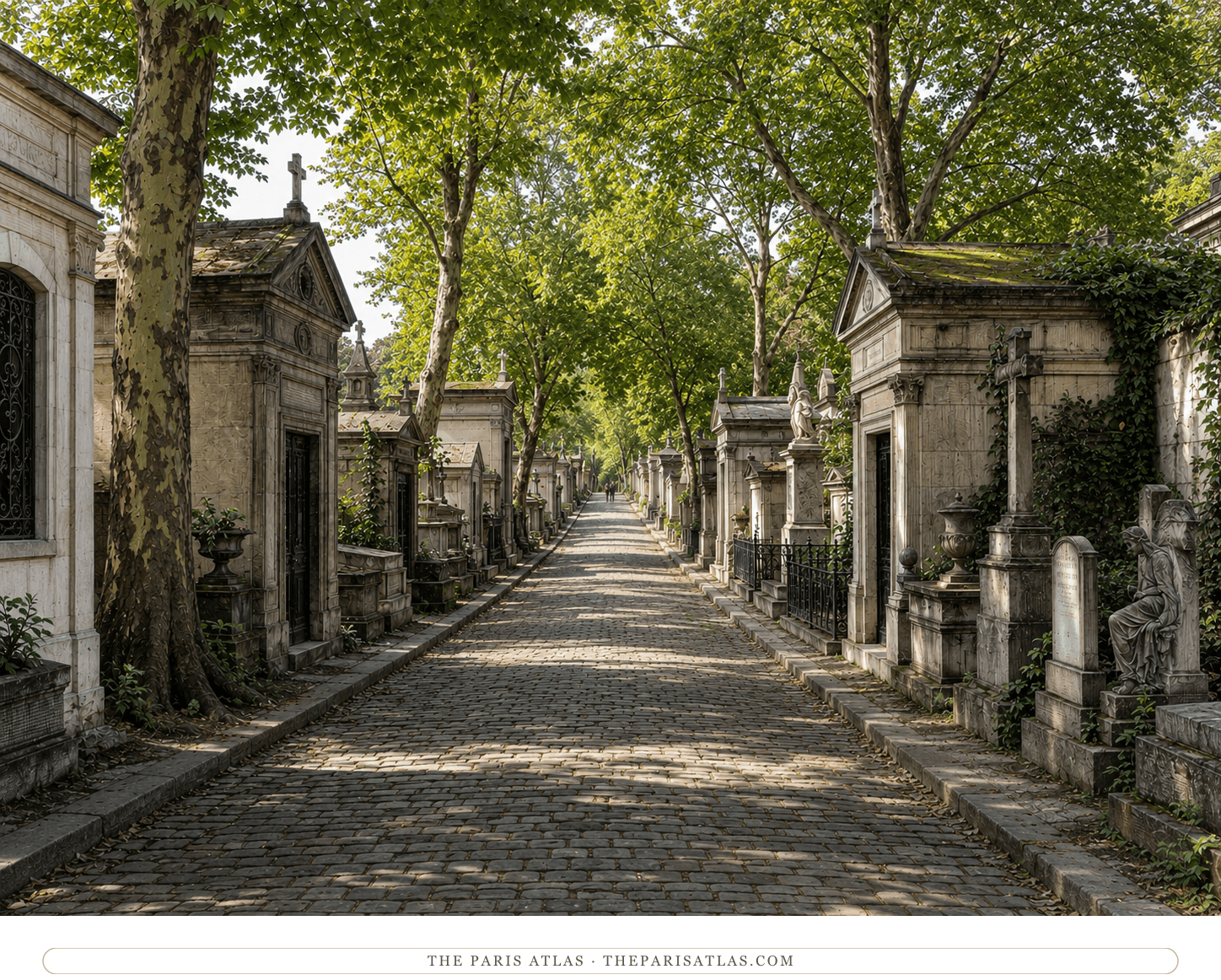
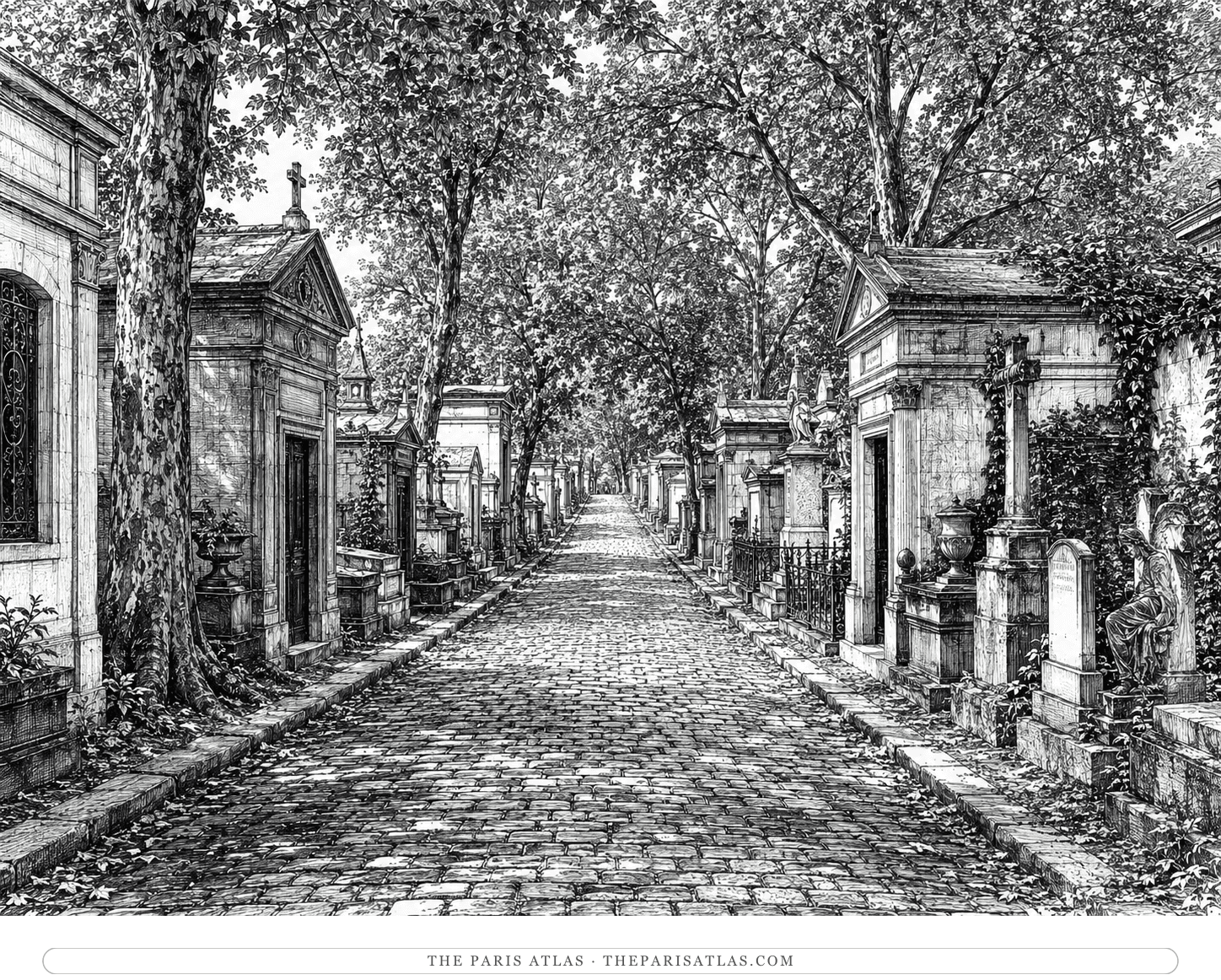
The grave moved too, and the move is not innocent. Père-Lachaise, opened in 1804 on a hill east of the city, was too far out to attract fashionable Paris burials. In 1817 the administration transferred what were said to be Molière's remains there, along with those of Jean de La Fontaine, the poet of the Fables that every French child still learns by heart, as a promotion for the new ground — and it worked, because the cemetery filled with the century's names. The tomb is in division 25. Whether the bones under it are Molière's is another matter: he had been put into a common grave at the old Saint-Joseph cemetery in 1673, where the dead of ordinary Parisians were tipped in together, and what was dug up in 1817 almost certainly belonged to someone else.

Life events

  1. 1622

    Born in Paris as Jean-Baptiste Poquelin in the first days of the year; baptised on 15 January, son of a rich merchant upholsterer.

    Molière; Jean-Baptiste Poquelin, dit Molière

  2. 1631

    His father, Jean Poquelin, buys the office of "tapissier ordinaire du roi" — upholsterer in ordinary to the king.

    Jean-Baptiste Poquelin, dit Molière

  3. 1643

    Destined for the law or the upholstery trade, he takes his share of his mother's estate, contracts with the Béjart family of actors, and founds a theatre company, the Illustre-Théâtre — the Illustrious Theatre.

    Jean-Baptiste Poquelin, dit Molière; Molière

  4. 1645

    The Illustre-Théâtre goes bankrupt and Molière is briefly imprisoned for debt; he leaves Paris with the Béjarts for a touring company in the provinces.

    Jean-Baptiste Poquelin, dit Molière; Molière

  5. 1658

    Back in Paris, the troupe makes its debut before the royal court at the Louvre, then a working royal palace, and Louis XIV installs it in the theatre of the Petit-Bourbon next door.

    Molière; Jean-Baptiste Poquelin, dit Molière

  6. 1659

    Les Précieuses ridicules — 'The Affected Young Ladies', a one-act satire of fashionable manners — is a triumph, and Molière becomes famous in Paris overnight.

    Jean-Baptiste Poquelin, dit Molière

  7. 1661

    The troupe settles into the newly fitted-out theatre inside the Palais-Royal, the palace built for Cardinal Richelieu beside the Louvre; with the composer Jean-Baptiste Lully he creates the comédie-ballet, a comedy built around sung and danced interludes.

    Molière; Jean-Baptiste Poquelin, dit Molière

  8. 1662

    Marries Armande Béjart; L'École des femmes — 'The School for Wives' — is publicly accused of blasphemy.

    Molière; Jean-Baptiste Poquelin, dit Molière

  9. 1664

    The dévots — the organised party of militant Catholic piety at court — have Tartuffe, whose villain is a pious fraud preying on a household that trusts him, banned at the request of the archbishop of Paris; the fight to get it staged runs five years.

    Jean-Baptiste Poquelin, dit Molière; Molière

  10. 1670

    Le Bourgeois gentilhomme — 'The Would-Be Gentleman', about a rich tradesman buying his way into gentility — the best known of the comédies-ballets made with Lully for the court.

    Jean-Baptiste Poquelin, dit Molière

  11. 1673

    On 17 February, during the fourth performance of Le Malade imaginaire — 'The Hypochondriac', in which he plays the healthy man convinced he is dying — he is seized by an attack on stage; carried home to the rue de Richelieu, he dies that evening and is buried at night at the cimetière Saint-Joseph.

    Jean-Baptiste Poquelin, dit Molière; Molière

  12. 1680

    Louis XIV orders Molière's former troupe merged with the rival company of the Hôtel de Bourgogne, the oldest theatre in Paris; a lettre de cachet — a sealed royal command — of 21 October founds the Comédie-Française, France's national theatre company.

    Jean-Baptiste Poquelin, dit Molière; Histoire de la Comédie-Française; L'institution — Théâtre national

  13. 1817

    Remains said to be his are transferred to Père-Lachaise, together with those of the fable-writer Jean de La Fontaine, to make the unfashionable new cemetery attractive; the tomb stands in division 25.

    Paris Discovery Guide — 101 Famous Graves in Père Lachaise Cemetery

Who they drew from

Influence running inward — the writers and artists whose work fed theirs. Admiration is not acquaintance; these edges claim neither a meeting nor a friendship.

Savinien de Cyrano de Bergerac

Moliere took several of the best scenes, situations and scraps of dialogue from Cyrano's comedy Le Pedant joue (printed 1654), and the whole of the famous galley scene in Les Fourberies de Scapin (1671) — the one built on the repeated cry 'Que diable allait-il faire dans cette galere?' — is imitated from it. One of the most quoted jokes in French theatre, borrowed from a writer who had died unread nineteen years earlier.
Savinien de Cyrano de Bergerac; trans. Richard Aldington, Voyages to the Moon and the Sun — translated, with a biographical introduction, by Richard Aldington (1923); Savinien de Cyrano de Bergerac

Molière’s Places

The cataloged places connected to Molière — through the books, and through the documented record.

Places you can enter today appear first, followed by addresses to see from outside and sites that have vanished.

Questions about Molière

Who was Molière?

A French actor and playwright, born Jean-Baptiste Poquelin in Paris in 1622 and dead there in 1673, who ran his own theatre company and wrote the comedies — Tartuffe, on a religious fraud; Dom Juan, on a seducer who believes in nothing; Le Misanthrope ('The Misanthrope'); L'Avare ('The Miser'); Le Bourgeois gentilhomme ('The Would-Be Gentleman'); Le Malade imaginaire ('The Hypochondriac') — that became the foundation of the French theatrical repertoire. He performed in his own plays, and the French national theatre company, the Comédie-Française, was formed from his troupe after his death.

What was Molière's real name?

Jean-Baptiste Poquelin. Molière was a stage name he took in the 1640s, when he was a young actor founding his first company; he never explained where he got it. His father was Jean Poquelin, a rich Paris merchant upholsterer who in 1631 bought the court office of upholsterer in ordinary to the king.

Why is the Comédie-Française called the House of Molière?

Because it was built on his company. Molière died in 1673; seven years later, in 1680, Louis XIV ordered his former troupe merged with the rival company of the Hôtel de Bourgogne, the oldest theatre in Paris, and a lettre de cachet — a sealed royal command — of 21 October 1680 founded the Comédie-Française, the French national theatre company, with a monopoly on playing in Paris. Molière's actors and his plays formed its core, and his repertoire has been at the centre of it ever since — but the man himself never set foot in the institution named after him, nor in its theatre. The company has occupied the Salle Richelieu, beside the Palais-Royal, only since 1799, and says so plainly: Molière never knew his "House".

How did Molière die?

On stage, more or less. On 17 February 1673 he was playing the lead in his own new comedy Le Malade imaginaire, 'The Hypochondriac' — the story of a healthy man convinced he is ill and infatuated with his doctors — and during the fourth performance he was seized by an attack in front of the audience. He was carried home to the rue de Richelieu and died that evening, aged fifty-one.

Is Molière really buried at Père-Lachaise?

A tomb with his name is there, in division 25, but the remains under it are doubtful. Because he was an actor who had not renounced the profession, Molière was refused normal burial in 1673, and only the king's intervention got him into the ground — at night, without ceremony, in the old Saint-Joseph cemetery, where ordinary Parisians went into common graves. In 1817 the Père-Lachaise administration transferred what were said to be his bones, and those of the fable-writer Jean de La Fontaine, to its new and then-unfashionable cemetery as a promotion. It succeeded as publicity; the identification of the bones almost certainly did not.

Why was Tartuffe banned?

Because its villain is a religious fraud. Tartuffe is a pious hypocrite who talks his way into a gullible household and tries to take it over, and in 1664 the dévots — the organised party of militant Catholic piety around the court — read it as an attack on devotion itself and had it prohibited, at the request of the archbishop of Paris. Molière spent about five years petitioning to have the ban lifted. Louis XIV's continued moral and financial support through the affair is the reason his company survived it.

Where in Paris did Molière perform?

His company's Paris career began in 1658 with a performance before the royal court at the Louvre, then a working palace. The king installed the troupe at the theatre of the Petit-Bourbon, and in 1661 it moved into the newly fitted-out hall of the Palais-Royal, which remained its theatre until his death in 1673. The Comédie-Française, formed from his troupe in 1680, has played at the Salle Richelieu near the Palais-Royal since 1799.

What are Molière's most famous plays?

Les Précieuses ridicules (1659), 'The Affected Young Ladies', the satire of fashionable manners that made him famous; Tartuffe (banned in 1664), on religious hypocrisy; Dom Juan (1665), on the seducer who believes in nothing; Le Misanthrope (1666), 'The Misanthrope', on a man who will not flatter; L'Avare, 'The Miser', on a father whose greed devours his own household; Le Bourgeois gentilhomme (1670), 'The Would-Be Gentleman', the comédie-ballet about a tradesman buying his way into gentility, written with the composer Jean-Baptiste Lully; and Le Malade imaginaire (1673), 'The Hypochondriac', the comedy he was performing when he collapsed.

Sourced claims

Every connection the graph holds for Molière, with the evidence behind it.

Buried at · 1817

Père-Lachaise Cemetery

A tomb bearing Molière's name stands in division 25, but the identification of the remains is doubtful. Refused normal burial in 1673 as an actor who had not renounced the profession, he was put into the ground at night at the old cimetière Saint-Joseph, where ordinary Parisians went into common graves. In 1817 the Père-Lachaise administration transferred what were said to be his remains — with La Fontaine's — to promote its unfashionable new cemetery; the promotion worked, but the bones almost certainly belonged to someone else.

Paris Discovery Guide — 101 Famous Graves in Père Lachaise Cemetery; Jean-Baptiste Poquelin, dit Molière

Performed at · 1658

Musée du Louvre

Returning to Paris in 1658 after roughly thirteen years touring the provinces, Molière played before the royal court at the Louvre — then a working royal palace, more than a century before it became a museum. The Comédie-Française dates his Paris career from that performance: it won the troupe Louis XIV's protection, a Paris theatre at the Petit-Bourbon, and the audience for everything he wrote afterwards.

Molière; Jean-Baptiste Poquelin, dit Molière

Influenced by · 1654

Savinien de Cyrano de Bergerac

Moliere took several of the best scenes, situations and scraps of dialogue from Cyrano's comedy Le Pedant joue (printed 1654), and the whole of the famous galley scene in Les Fourberies de Scapin (1671) — the one built on the repeated cry 'Que diable allait-il faire dans cette galere?' — is imitated from it. One of the most quoted jokes in French theatre, borrowed from a writer who had died unread nineteen years earlier.
Savinien de Cyrano de Bergerac; trans. Richard Aldington, Voyages to the Moon and the Sun — translated, with a biographical introduction, by Richard Aldington (1923); Savinien de Cyrano de Bergerac

References

References

The sources below include biographies, scholarly essays, interviews, and primary materials that informed this page. They reflect both the historical record and ongoing critical conversations about Molière and their work.

  1. 1Jean-Baptiste Poquelin, dit Molière

    Encyclopédie Larousse
    View source
  2. 2Molière

    La Comédie-Française
    View source
  3. 3Histoire de la Comédie-Française

    La Comédie-Française
    View source
  1. 4Les trois salles

    La Comédie-Française
    View source
  2. 5L'institution — Théâtre national

    La Comédie-Française
    View source
  3. 6Paris Discovery Guide — 101 Famous Graves in Père Lachaise Cemetery

    View source
i
Why these sources are here

These references anchor the page in the documented record and in the scholarly conversations around Molière. Every claim on this page traces back to one or more of the works listed here.

Explore more resources