Voltaire was the pen name of François-Marie Arouet, born in Paris on 21 November 1694 and dead in the same city eighty-three years later. He wrote tragedies for the Paris stage, the philosophical tale Candide, the Lettres philosophiques — 'philosophical letters', a book that praised English liberty at France's expense — and a correspondence of which some thirteen thousand letters survive. Paris made his name and then twice locked him up: he was held in the Bastille, the royal fortress-prison on the eastern edge of the city where the king's word could imprison a commoner without a trial, first in 1717 for verses mocking the Regent who governed France while Louis XV was still a child, and again in 1726 after a humiliating quarrel with an aristocrat. He left for London that autumn.
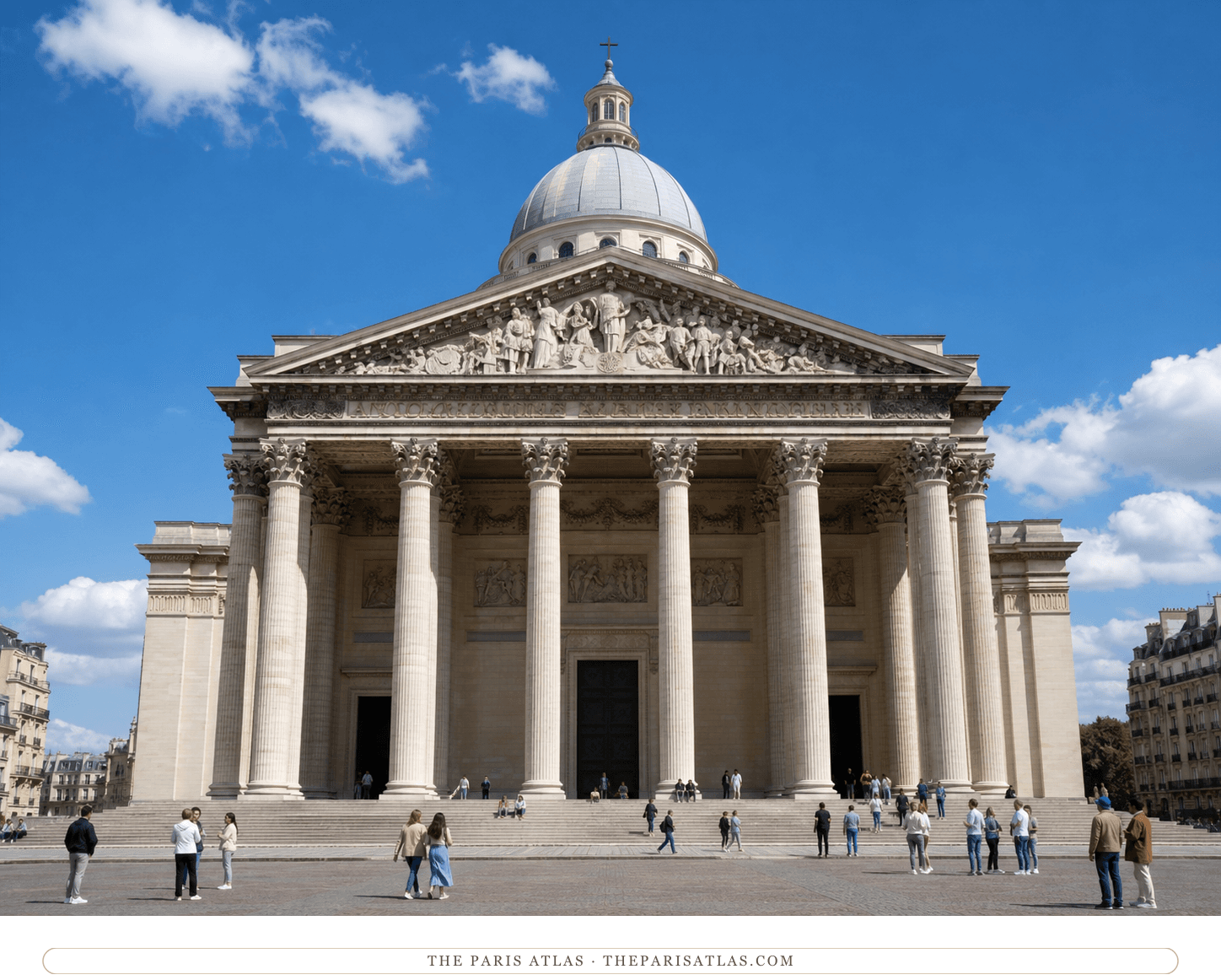
Exile then became the condition of his fame. England until 1728, the château of Cirey in Champagne after 1734, three years at the Prussian court of Frederick II, a house outside Geneva, and from 1759 an estate at Ferney on th[1]e Swiss border, close enough to the frontier to step out of French jurisdiction if the authorities came for him. From Ferney he did the thing that made him more than a famous writer: he spent two years overturning the conviction of Jean Calas, a Huguenot — a French Protestant — who had been tortured and executed by being broken on the wheel in 1762. When he finally returned to Paris in February 1778, at eighty-three, the city treated him as a monument. He died there on 30 May, and thirteen years later the French Revolution brought his coffin back through the streets and laid it in the Panthéon, the church the revolutionaries had just turned into a burial place for the nation's great men.





 View source