The Paris AtlasCharting the artists, works, and places worth returning to.
Cover of Philosophical Dictionary by Voltaire

Philosophical Dictionary

by Voltaire

Short alphabetical essays turn questions about belief, authority and everyday judgment into arguments a reader can test.

Published
1764
Pages
400
Setting
Era
Shelf rating
4.5

About Voltaire

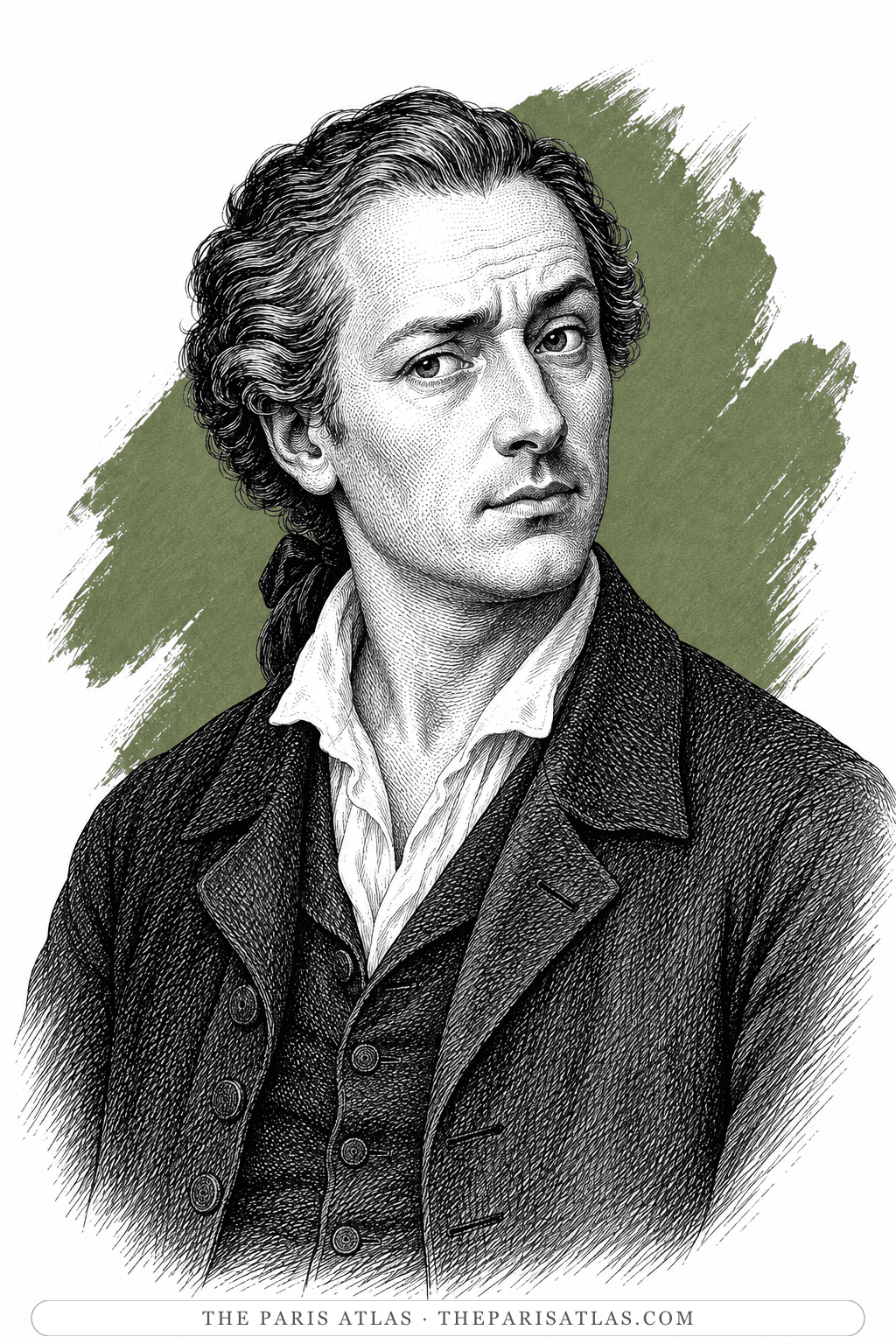
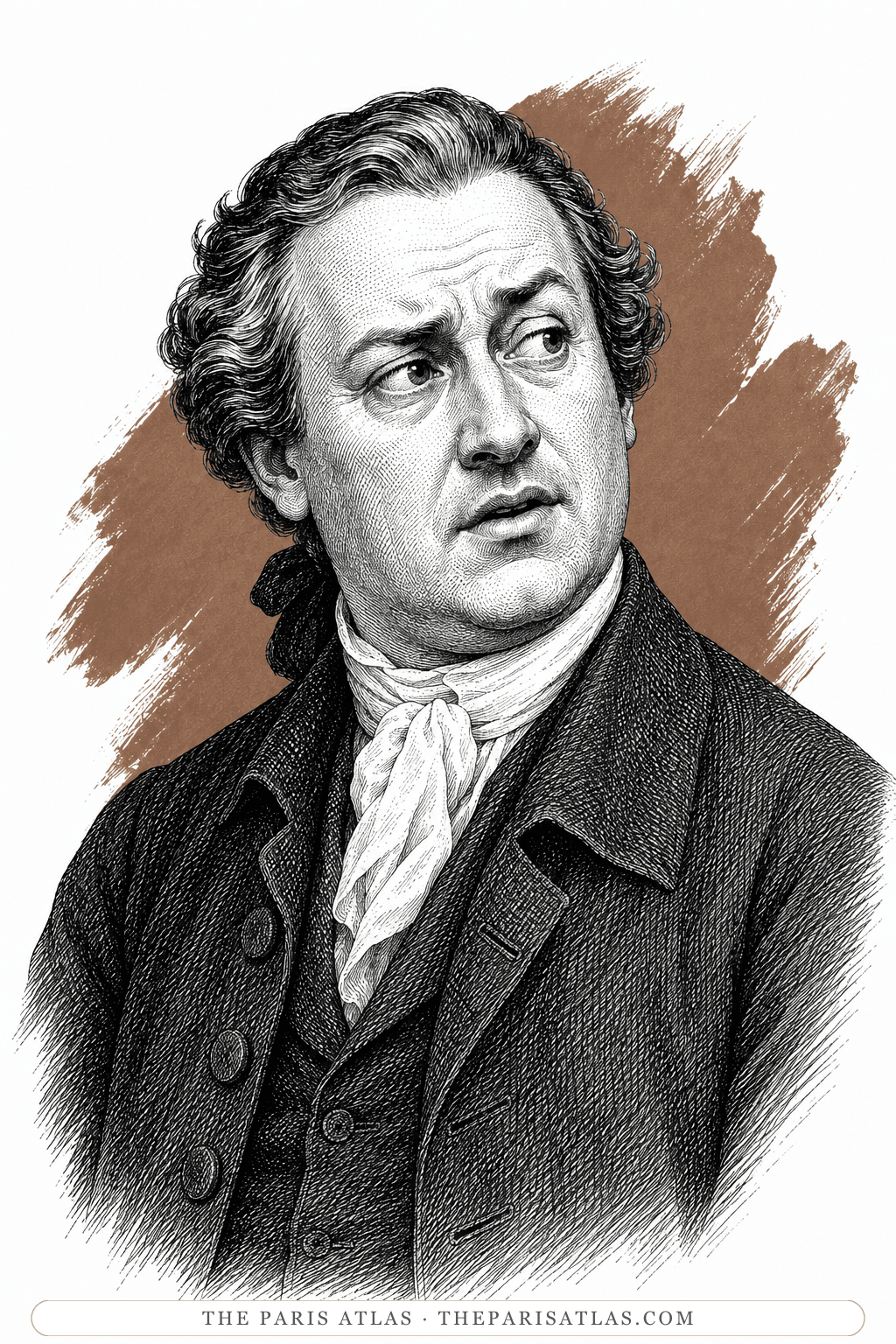
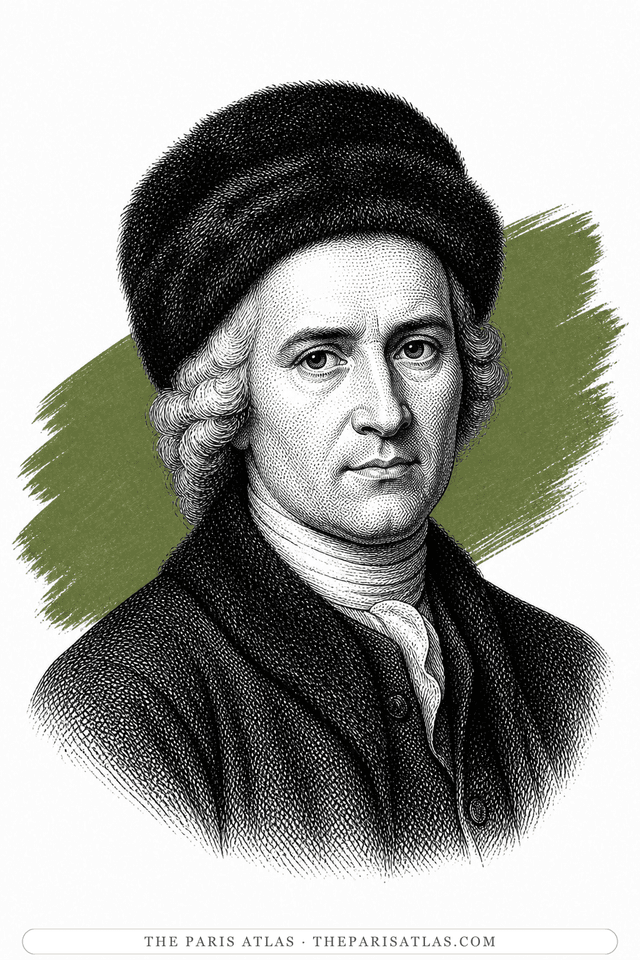
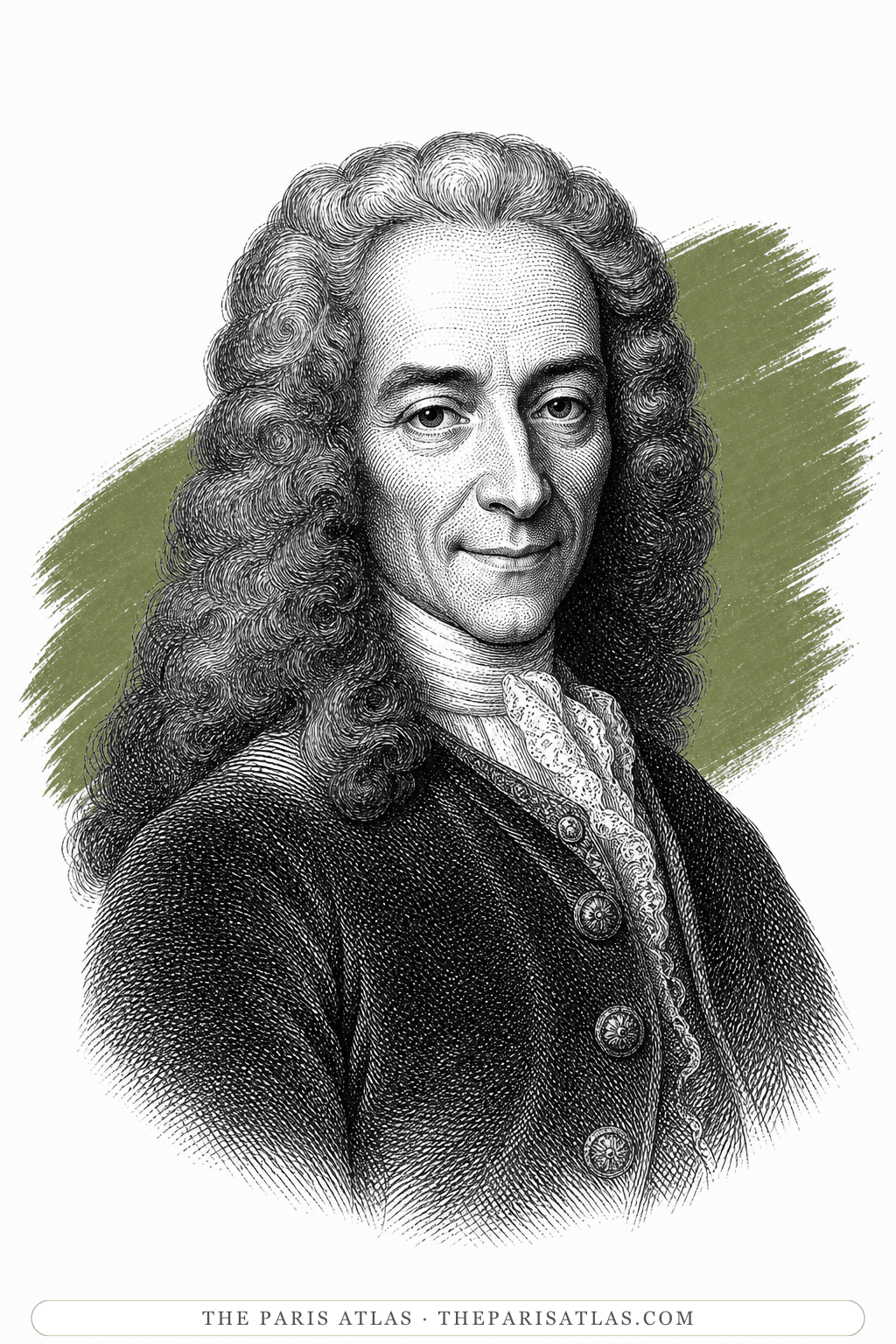
Illustrated portrait of Voltaire
Voltaire

3 books shelved

The story, briefly

Spoiler-free

Voltaire's Dictionnaire philosophique began as an anonymous portable collection in Geneva in 1764. Its alphabetical entries use anecdotes, questions, satire and dialogue to challenge accepted claims about religion, history and human conduct. Voltaire enlarged the book, and later collections bearing the same English title often incorporate other writings, making the edition an important part of the reading experience.

The story, in more detail

The alphabetical arrangement lets a reader enter through a single question rather than follow a continuous philosophical system. An animal's behavior, a fashionable judgment or a dispute about freedom can become an occasion to examine how a belief was acquired and what evidence would support it.

Voltaire often puts an argument into a conversation. A confident definition meets an awkward example, and the speaker must explain what the words would mean in practice. The comedy can make a distinction memorable without making every historical or scientific assertion reliable.

The 1764 book should be distinguished from Questions sur l'Encyclopédie, issued in the 1770s. Later editors combined alphabetical writings from several sources. The six readings below follow H. I. Woolf's 1924 English selection, whose versions and extent should not be assumed identical to the first portable dictionary or to Theodore Besterman's selected translation.

Quotes from Philosophical Dictionary

Quoted verbatim from the text, each line verified against its source.

an opinion without judgment
Voltaire, Philosophical Dictionary, translated by H. I. Woolf (1924)
Virtue among men is an interchange of kindness;
Voltaire, Philosophical Dictionary, translated by H. I. Woolf (1924)

Why we recommend it

  1. Begin with an ordinary example

    The essays frequently start with something observable, such as a trained animal or a response to a play. Following the example helps clarify the larger claim without requiring a survey of philosophy first.

  2. Hear definitions tested aloud

    Liberty is presented as a dialogue in which a speaker must distinguish the ability to act from the causes of wanting. The exchange makes the disagreement easier to follow.

  3. Read in short, deliberate sessions

    Each article supplies a limited question that can be considered on its own. Comparing entries afterward reveals recurring concerns about authority, evidence and useful conduct.

What this book explores

Inside the book

Selected works from this book, with notes on each.

Animals

A bird adapts its nest and a trained dog learns, challenging the claim that animals behave as unfeeling machines. The essay moves from observable behavior to a searching dog's distress and joy. Its attack on cruelty then becomes a criticism of explanations that ignore the capacities they are supposed to explain.

Beauty

A conversation about a tragedy separates success at a task from beauty. The same play then receives a different response in England, unsettling a universal rule of taste. The essay finally distinguishes these variable responses from the admiration it claims people share for generous actions.

Liberty

Two speakers consider whether freedom lies in choosing a desire or in being able to act on it. Moving away from a firing gun gives the argument a practical example. Questions about marriage and trivial choices then press the claim that wanting something still has a cause.

Prejudices

Beliefs acquired before examination may later be confirmed or rejected by judgment. The essay separates that process from spontaneous feeling, then considers errors of perception, inherited stories and religious instruction. Its final example connects resistance to questioning with the power and income that unquestioned beliefs protect.

Tolerance

Human fallibility provides the opening reason to pardon disagreement. Examples of rulers supporting a religion abroad while persecuting it at home expose political calculation beneath professed conviction. The argument returns to the interests that make authorities resist tolerance even when they privately recognize its value.

Virtue

Dialogue and examples measure virtue by the help one person gives another. Private discipline, correct belief or isolation do not automatically benefit a neighbor. The essay also separates a useful act from a person's whole reputation, allowing an otherwise cruel ruler to act well on a particular occasion.

Timeline

  1. June–July 1764

    The anonymous Dictionnaire philosophique portatif is issued in Geneva by Grasset.

  2. March 1765

    The Parlement of Paris condemns the Dictionnaire philosophique.

  3. 1770–1772

    Voltaire publishes the separate Questions sur l'Encyclopédie in nine volumes; later alphabetical collections combine material from these writings.

  4. 1924

    Knopf publishes H. I. Woolf's English selection, the source of the six readings and short quotations below.

  5. 1984

    Penguin Classics issues the selected US Theodore Besterman translation on March 6.

Book editions

Hardcover
Hardcover
French
Gabriel Grasset, Geneva
1764
Dictionnaire philosophique portatif, issued anonymously in June–July 1764 according to the Voltaire Foundation's historical chronology. Later authorial editions added material.
Hardcover
Hardcover
Alfred A. Knopf
1924
Translated by
H. I. Woolf
Historical selection used for the six readings and quotations, reproduced by Hanover's Historical Texts Project. It draws on the broader alphabetical corpus; it is not a facsimile or complete translation of the 1764 first issue.
Paperback edition cover
Paperback
Penguin Classics
1984
ISBN-13
9780140442571
Translated by
Theodore Besterman
Selected US paperback, March 6, 1984, 400 pages, translated and introduced by Theodore Besterman. A UK listing for the same ISBN gives different date and extent information; the metadata here follows the US publisher's record. The readings below do not quote Besterman's wording.

Reader reviews

Loading reviews…

Cover of Candide by Voltaire

Candide

Voltaire

Voltaire's tale turns arguments about suffering and practical conduct into a sequence of comic disasters.

Read our take
Cover of Zadig by Voltaire

Zadig

Voltaire

The earlier tale dramatizes the risks of judging from partial evidence and the interests behind public authority.

Read our take
Cover of The Fire Next Time by James Baldwin

The Fire Next Time

James Baldwin

James Baldwin's essays offer a later, historically different examination of religious experience, power and obligations to other people.

Read our take

Philosophical Dictionary: frequently asked questions

What is Voltaire's Philosophical Dictionary?

It is a collection of short alphabetical arguments about belief, conduct, history and authority, first published in 1764. It uses dialogue and satire as well as direct exposition.

Is it a neutral reference dictionary?

No. The entries pursue arguments and challenge opponents. Alphabetical order makes them accessible individually, but the voice is openly polemical rather than a neutral summary of a subject.

Why do editions contain different articles?

Voltaire expanded the original book, and later editors combined it with other alphabetical writings, including Questions sur l'Encyclopédie. Translators also make different selections. The English title alone does not establish identical contents.

Does the book have a plot or main character?

There is no continuous plot or protagonist. Some articles use speakers and small fictional situations to test an argument; these belong to individual essays.

Which essays are discussed here?

Animals, Beauty, Liberty, Prejudices, Tolerance and Virtue. The readings use their complete versions in H. I. Woolf's 1924 selection, available through Hanover College.

Which edition supplies the ISBN and page count?

ISBN 9780140442571 and 400 pages refer to the Penguin Classics US paperback dated March 6, 1984, translated and introduced by Theodore Besterman. The quotations use Woolf's earlier translation, so their wording is separately identified.

If you like Voltaire

Explore authors with a similar voice, perspective, and influence.

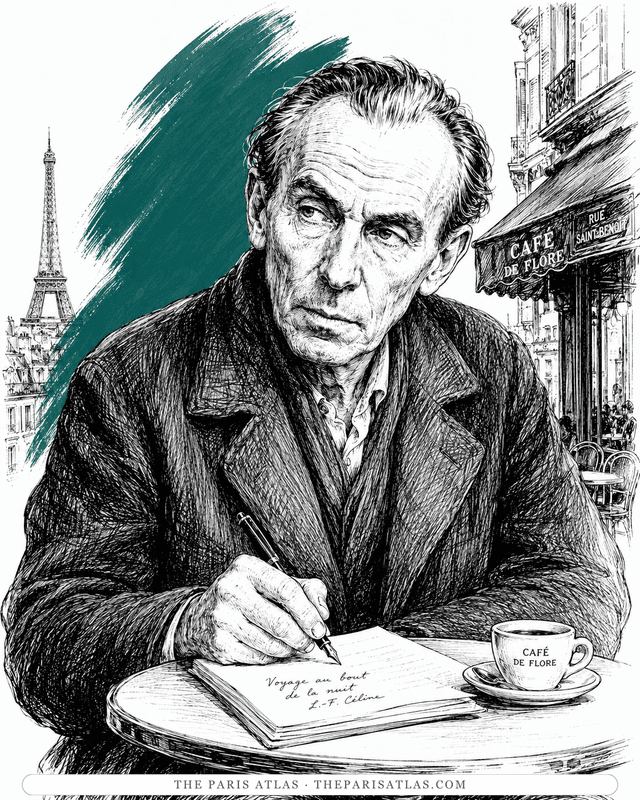
  • Illustrated portrait of Louis-Ferdinand Céline

    Louis-Ferdinand Céline

    The doctor of the Paris slums who wrote the century's blackest, funniest novel — and changed the sound of French prose.

    View author
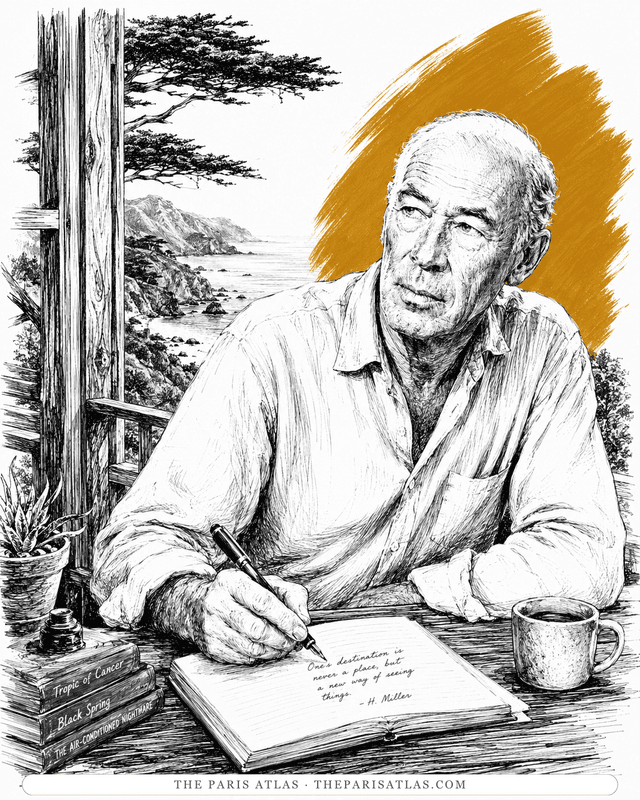
  • Illustrated portrait of Henry Miller

    Henry Miller

    The Brooklyn dropout who arrived in Paris broke at thirty-eight and wrote the exuberant, banned books that ended American censorship.

    View author
  • Illustrated portrait of George Orwell

    George Orwell

    English novelist, essayist and journalist, born Eric Arthur Blair, who wrote Animal Farm and Nineteen Eighty-Four. He was an imperial policeman in Burma, a plongeur in Paris kitchens off the rue Mouffetard, and a militiaman shot through the neck in Spain before any of it.

    View author
References

References

The sources below include the primary text, editions, scholarship, archival materials, and other records that informed this page. They document Philosophical Dictionary, its publication, and its place in literary history.

  1. 1Philosophical Dictionary

    Essays
    Voltaire, 1764
    Used for

    The primary text represented by this page, used for descriptions of the work’s contents and for any quoted passages shown here.

  2. 2Dictionnaire philosophique portatif: 1764 first edition

    Website
    University of Regensburg, Encyclopaedias Database
    Used for

    First-edition catalogue identifies Gabriel Grasset and distinguishes the London imprint from publication in Geneva.

    View source
  3. 3Dictionnaire philosophique I–II: Critical edition and contents

    Website
    Voltaire Foundation, University of Oxford
    Used for

    Critical-edition account of the anonymous 1764 book and its contents, including the French entries corresponding to the six selected topics.

    View source
  4. 4Voltaire and alphabetical works

    Website
    Voltaire Foundation, University of Oxford
    Used for

    Distinguishes the original dictionary, later additions and Questions sur l'Encyclopédie from posthumous combinations.

    View source
  5. 5Voltaire et l'écriture de l'histoire: Historical chronology

    Website
    Voltaire Foundation, University of Oxford, 2012
    Used for

    June–July 1764 Geneva Grasset publication and March 1765 condemnation.

    View source
  6. 6Philosophical Dictionary: Penguin Classics US paperback, ISBN 9780140442571

    Website
    Penguin Random House
    Used for

    Selected US edition's date, ISBN, extent and Theodore Besterman's translation and introduction.

    View source
  1. 7Philosophical Dictionary: Animals, H. I. Woolf translation

    Website
    Hanover Historical Texts Project, 1924
    Used for

    Complete article read in H. I. Woolf's 1924 English selection for the corresponding reading; version and translation distinguished from the selected Penguin edition.

    View source
  2. 8Philosophical Dictionary: Beauty, H. I. Woolf translation

    Website
    Hanover Historical Texts Project, 1924
    Used for

    Complete article read in H. I. Woolf's 1924 English selection for the corresponding reading; version and translation distinguished from the selected Penguin edition.

    View source
  3. 9Philosophical Dictionary: Liberty, H. I. Woolf translation

    Website
    Hanover Historical Texts Project, 1924
    Used for

    Complete article read in H. I. Woolf's 1924 English selection for the corresponding reading; version and translation distinguished from the selected Penguin edition.

    View source
  4. 10Philosophical Dictionary: Prejudices, H. I. Woolf translation

    Website
    Hanover Historical Texts Project, 1924
    Used for

    Complete article read in H. I. Woolf's 1924 English selection for the corresponding reading; version and translation distinguished from the selected Penguin edition.

    View source
  5. 11Philosophical Dictionary: Tolerance, H. I. Woolf translation

    Website
    Hanover Historical Texts Project, 1924
    Used for

    Complete article read in H. I. Woolf's 1924 English selection for the corresponding reading; version and translation distinguished from the selected Penguin edition.

    View source
  6. 12Philosophical Dictionary: Virtue, H. I. Woolf translation

    Website
    Hanover Historical Texts Project, 1924
    Used for

    Complete article read in H. I. Woolf's 1924 English selection for the corresponding reading; version and translation distinguished from the selected Penguin edition.

    View source
i
Why these sources are here

The primary text is the baseline reference for every book page. Additional references document publication history, interpretation, and historical context where that evidence is available.

Explore more resources