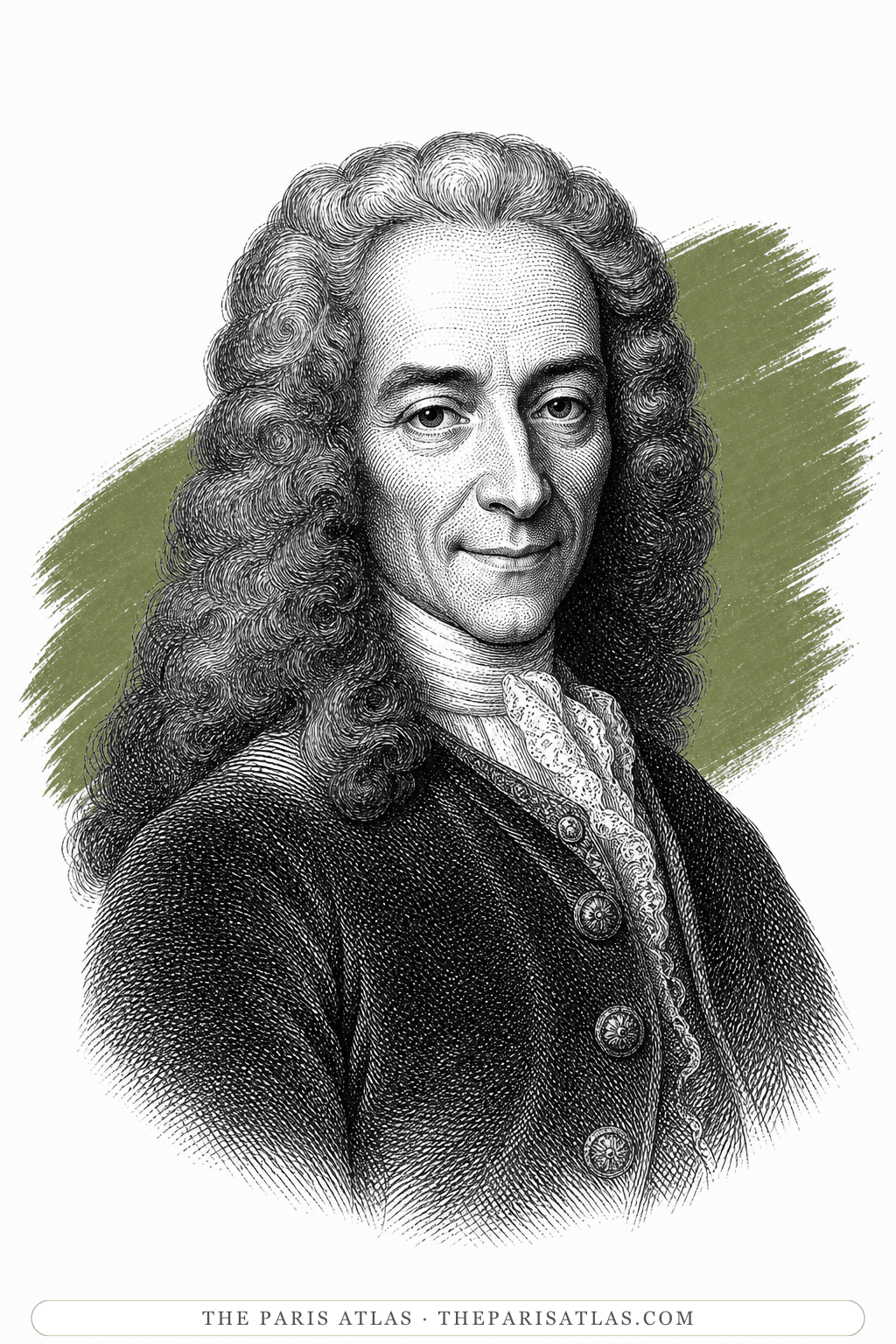

Zadig
Voltaire's earlier tale also tests a young man's judgment through travel, arbitrary punishment and an uncertain appeal to providence.
Read our take
by Voltaire
A trusting young traveler keeps finding suffering where his teacher promised a perfectly ordered world.
Voltaire's 1759 philosophical tale follows Candide from a Westphalian castle through war, persecution, shipwreck and a search for Cunégonde, the woman he loves. His tutor Pangloss insists that everything happens for the best. Each encounter makes that assurance harder to accept, while the speed and politeness of the narration give terrible events a disconcertingly comic form.
Candide learns optimism before he learns much about other people. At the castle, Pangloss explains the world as a system in which every arrangement serves a good purpose. Expulsion, forced military service and the destruction of villages soon give the young man reasons to doubt a lesson he still wants to believe.
The journey repeatedly separates explanations from useful help. James, a Christian who helps excluded travelers, pays for Pangloss's treatment. Cacambo, Candide's resourceful traveling companion, uses languages and local knowledge to keep him alive. Their actions offer a practical measure against which the philosophers' arguments can be judged.
People presumed dead return with accounts of captivity, injury and survival. Cunégonde and the old woman who accompanies her each tell a story that complicates Candide's search for a happy ending. Listening to those accounts requires attention to people whose experiences cannot be reduced to his disappointment.
After surviving a shipwreck near Lisbon, Candide sees religious authorities punish people in a ceremony intended to prevent further earthquakes. He is reunited with Cunégonde, but flight from Portugal leads to another separation in Buenos Aires. His search takes him through South America with Cacambo.
Candide and Cacambo reach El Dorado, where gold has little importance and hospitality does not depend on rank. They choose to leave with treasure, hoping to recover Cunégonde and live richly elsewhere. Much of their wealth is then lost, and an enslaved man's account of injury connects European consumption of sugar to violence abroad.
Further travel brings Candide to France, the English coast and Venice. Martin, a companion inclined toward pessimism, disputes his remaining hopes. Eventually Candide learns that Cunégonde is near Constantinople and ransoms companions who have survived disasters he thought had killed them.
Candide rescues Cunégonde but recoils from her changed appearance. He marries her partly from obligation and stubbornness, despite her brother's continuing objection to his social rank. Their household is initially dissatisfied; reunion alone has not solved its problems.
A farmer's example persuades the companions to organize their small property around useful work. Cunégonde makes pastry, the former castle maid Paquette embroiders and Brother Giroflée, a former monk, becomes a carpenter. When Pangloss again explains why every disaster was necessary, Candide turns the conversation back to cultivating their garden.
War, injury, shipwreck and persecution arrive with little of the narrative preparation that might make a disaster seem exceptional. The rapid sequence gives Pangloss almost no time to explain one event before another contradicts his assurance. Calm phrasing beside extreme suffering produces comedy that can be uncomfortable to enjoy.
The returning survivors disrupt the sequence with accounts of what happened while Candide was elsewhere. Cunégonde and the old woman require him to hear experiences that cannot be reduced to obstacles in his own search. Their histories give particular lives duration within a tale that otherwise hurries onward.
James pays for treatment and tries to rescue another person; Cacambo uses languages and local knowledge to solve immediate problems. These acts offer something that an explanation of universal necessity cannot provide: help with a present need. Their value does not depend on proving that the whole world has been arranged well.
The contrast becomes especially severe when Pangloss explains the circumstances of James's drowning instead of enabling rescue. An argument can remain internally confident while failing the person in front of it. Voltaire repeatedly tests ideas by the conduct they permit or delay.
In El Dorado, gold does not confer the exceptional status it has elsewhere. Candide and Cacambo encounter hospitality and abundance, then decide to leave. The wish to recover Cunégonde combines with the attraction of possessing riches that will make them important outside this society.
The losses that follow are therefore not merely random attacks on an innocent traveler. They also test a choice about wealth and distinction. The enslaved man's account near Surinam then connects European consumption to violence, making prosperity itself something to investigate rather than a dependable sign that life has improved.
The reunited household initially remains dissatisfied. Marriage has not restored Candide's early image of Cunégonde, and possession of a small property does not automatically make the companions useful to one another. The farmer's example prompts an organization of work in which individual abilities can meet common needs.
Pangloss continues to explain why the preceding disasters were necessary. Candide's response interrupts that argument without establishing a rival system that explains everything. The ending places a limit on explanatory ambition: the companions can cultivate a piece of ground without proving that suffering elsewhere belongs to a beneficial design.
Chapters III–VI on James and Pangloss; VIII and XI–XII on testimony; XVII–XIX on El Dorado and Surinam; XXX on the household and garden.
Pangloss can supply a reason for nearly anything. Placing his speeches beside moments that require food, shelter or medical care reveals what his reasoning leaves undone.
El Dorado offers security without Europe's obsession with gold. Candide's voluntary departure makes desire and social ambition part of the question.
Cunégonde and the old woman interrupt the hero's travels to describe their own survival. Their testimony changes the scale on which his misfortunes can be understood.
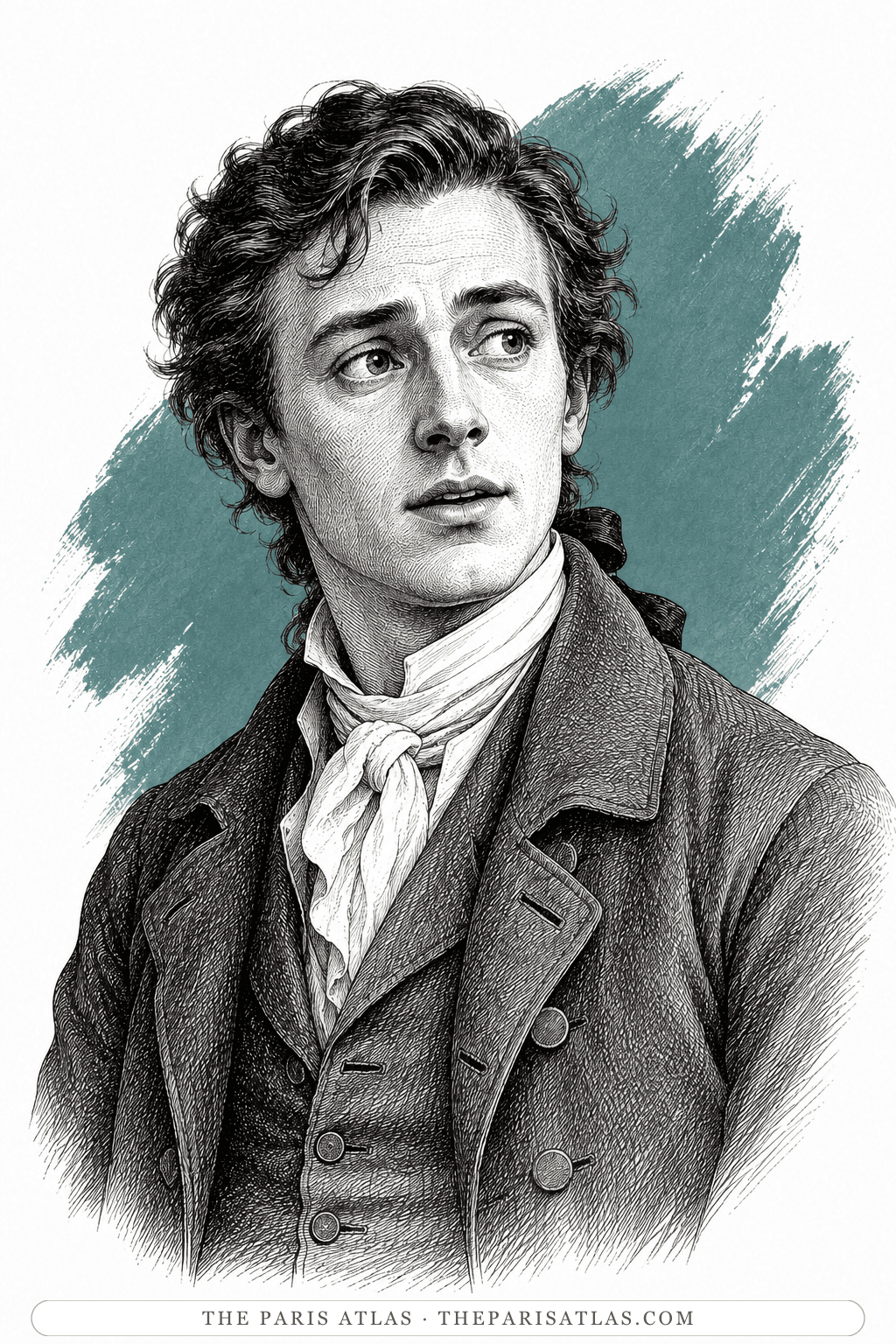
The fictional young traveler whose education begins with a doctrine of optimism and continues through experiences that contradict it.
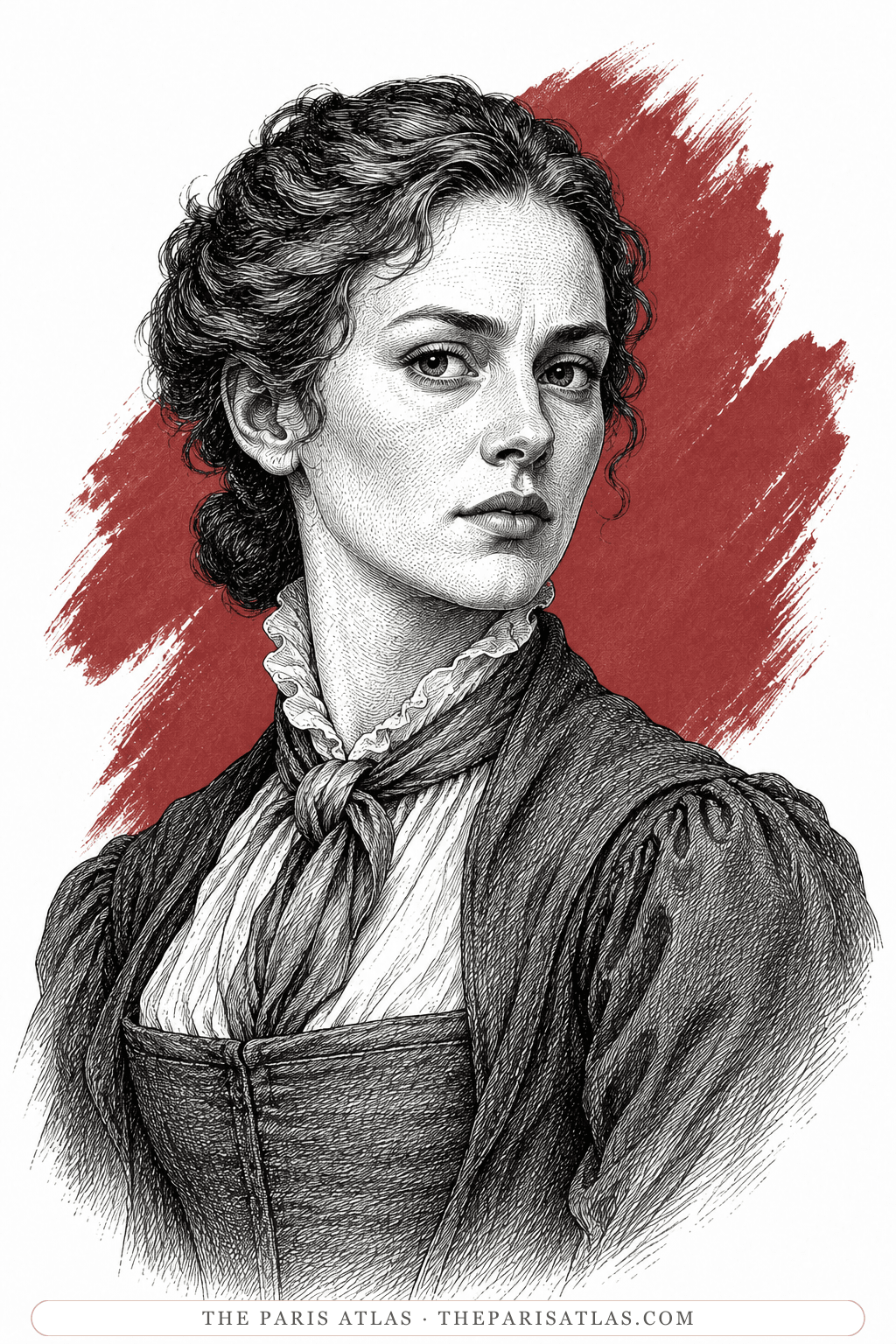
The fictional baron's daughter whose survival story repeatedly exceeds Candide's idea of rescuing the woman he loves.
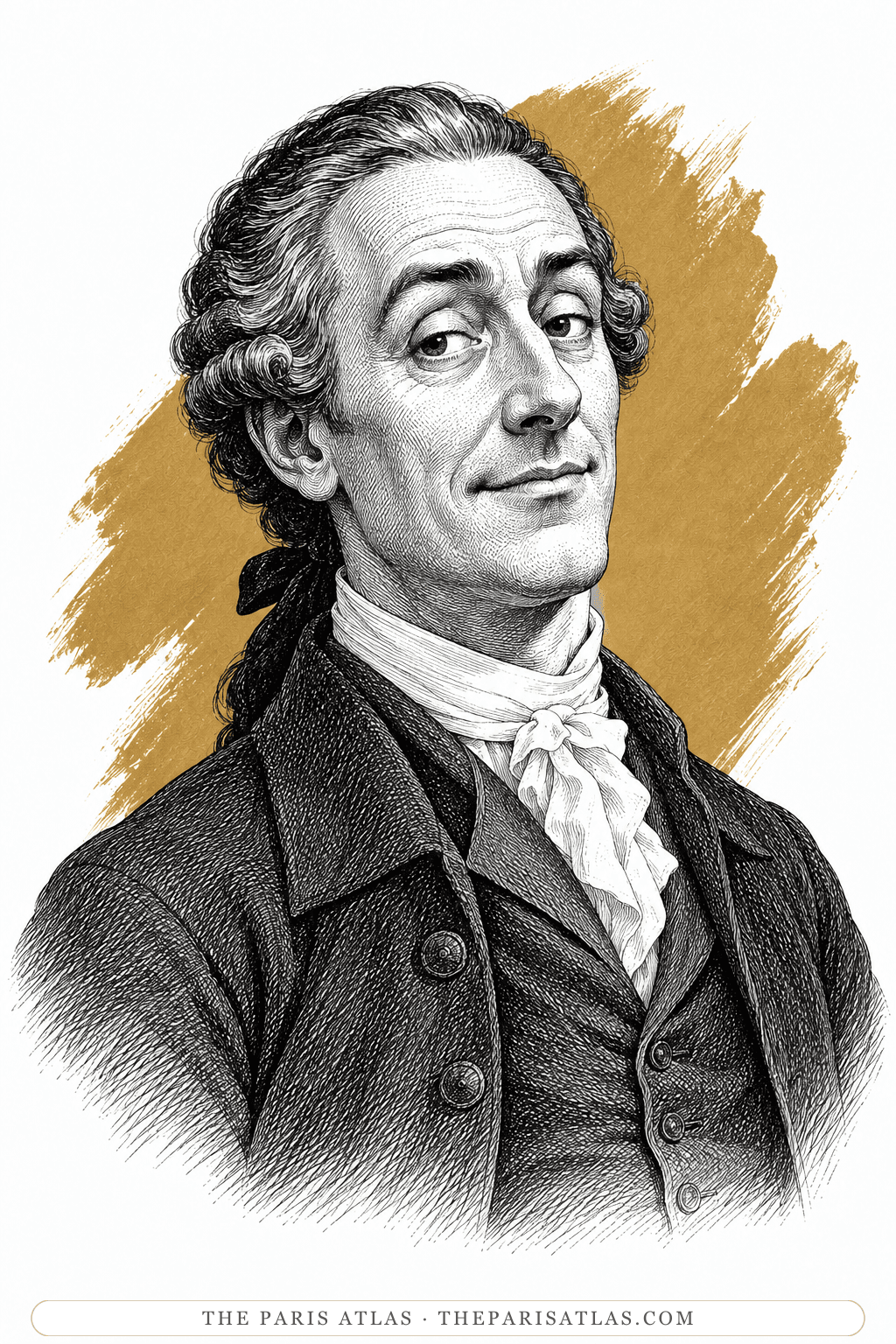
The fictional tutor who defends an orderly, benevolent explanation of events despite repeated personal and public disasters.
1759
Candide appears in French, with Geneva editions printed by Cramer and a fictional attribution to Doctor Ralph.
1918
Boni and Liveright issues the English text consulted here, with an introduction by Philip Littell; its title page does not identify the translator.
2009
Penguin Classics issues the selected US paperback on February 24, translated by Theo Cuffe with Michael Wood's introduction.

Voltaire's earlier tale also tests a young man's judgment through travel, arbitrary punishment and an uncertain appeal to providence.
Read our take
The alphabetical essays pursue questions about prejudice, freedom and religious power through arguments and short dialogues.
Read our take
Mark Twain's travel memoir offers a later comic examination of tourists' expectations and inherited ideas about foreign places.
Read our takeA young traveler tries to reconcile his teacher's optimism with war, persecution, enslavement and personal loss. The search for Cunégonde takes him across continents before he turns toward a shared life of useful work.
It appeared in French in 1759. Geneva editions were printed by Cramer. Doctor Ralph, named on the title page as the supposed German source, is part of the fictional presentation.
He argues that events belong to the best possible arrangement of the world. Voltaire tests that philosophical claim against suffering and against occasions when explanation delays help.
Cunégonde never accompanies Candide there. Candide visits with Cacambo, and they choose to leave with treasure so that he can continue searching for her.
The household has begun dividing practical tasks after following a farmer's example. Candide's final reply returns Pangloss to that work. It does not establish that every earlier disaster was good or necessary.
The selected reading edition is Theo Cuffe's Penguin Classics US paperback of February 24, 2009, ISBN 9780140455106, with 208 pages. The quoted wording and chapter readings were checked in the anonymous 1918 translation available through Gutenberg.
Explore authors with a similar voice, perspective, and influence.
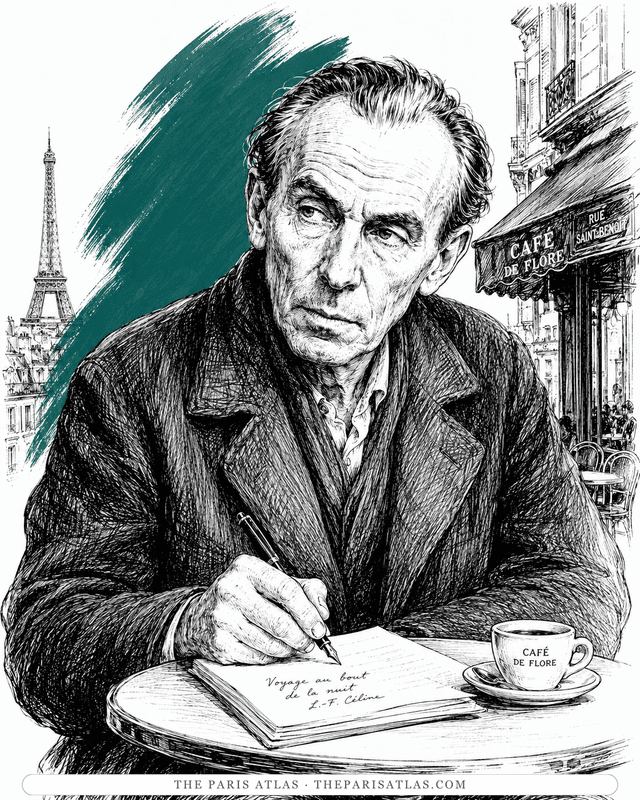
The doctor of the Paris slums who wrote the century's blackest, funniest novel — and changed the sound of French prose.
View author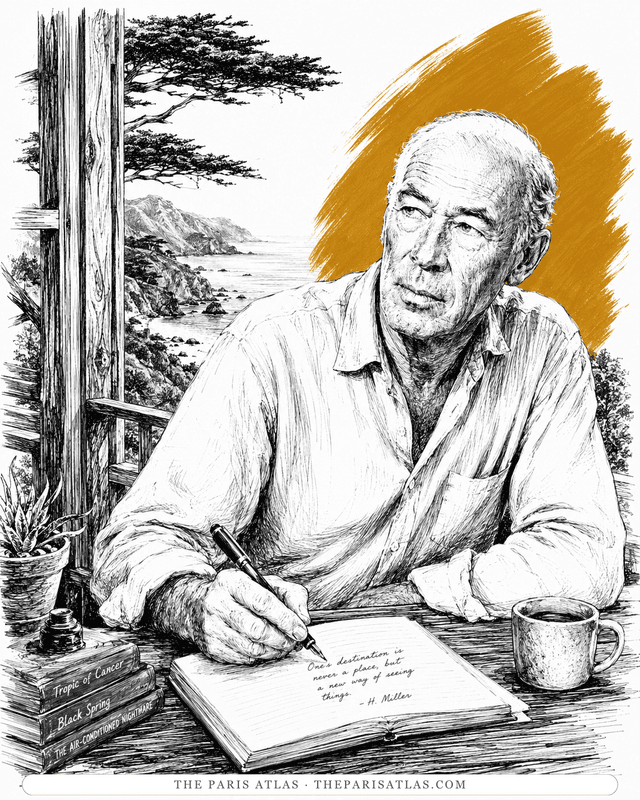
The Brooklyn dropout who arrived in Paris broke at thirty-eight and wrote the exuberant, banned books that ended American censorship.
View author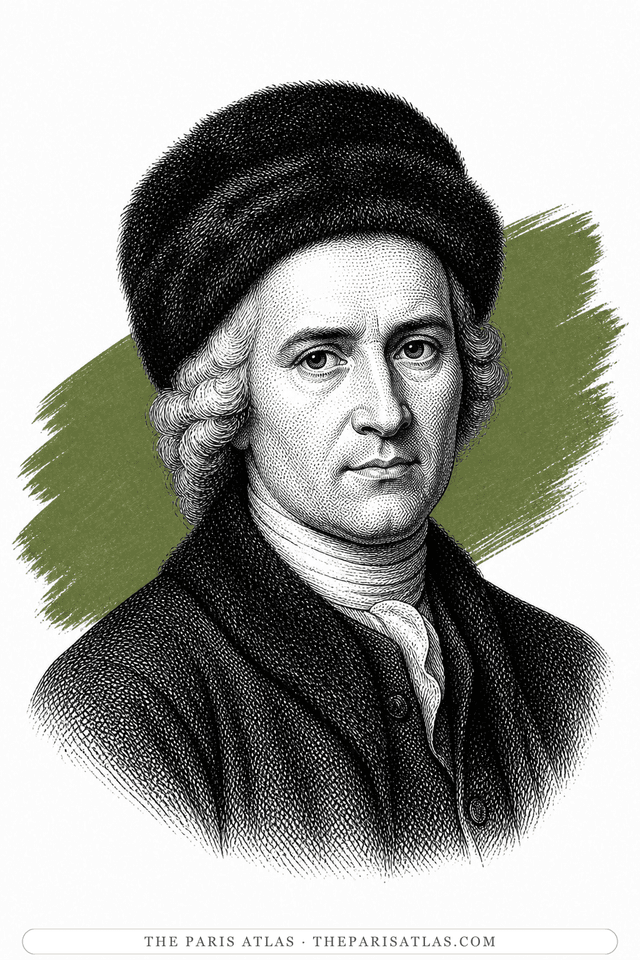
The Geneva-born writer who arrived in Paris in 1742 with a new system for writing down music, earned his living copying other people's scores by the page, and then wrote the books — The Social Contract, Émile, the Confessions — that got him chased out of France and, sixteen years after his death, carried into the Panthéon by the Revolution.
View authorThe sources below include the primary text, editions, scholarship, archival materials, and other records that informed this page. They document Candide, its publication, and its place in literary history.


The primary text represented by this page, used for descriptions of the work’s contents and for any quoted passages shown here.
Complete narrative read for plot, characters and quotations. Philip Littell is credited for the introduction, not as translator.
Catalogue of a 1759 Geneva Cramer printing, PML 5032. The record labels this copy Ed. 3; it is not described here as the first issue.
Scholarly context for the 1759 tale and its criticism of philosophical optimism.
Selected US edition's date, ISBN, extent, translator and introduction credit.
The primary text is the baseline reference for every book page. Additional references document publication history, interpretation, and historical context where that evidence is available.
 Explore more resources