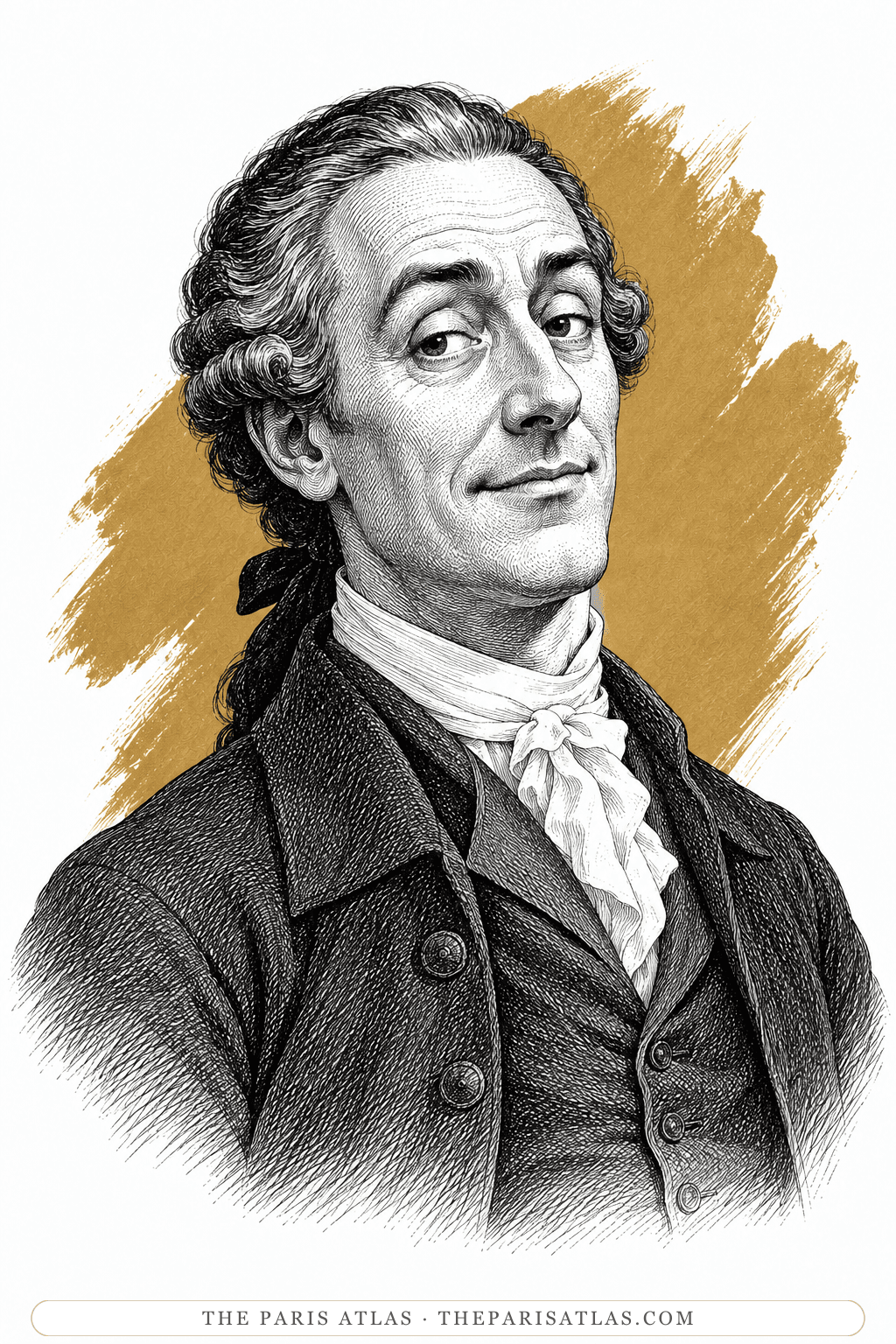
Pangloss
The fictional tutor who defends an orderly, benevolent explanation of events despite repeated personal and public disasters.
He wants to preserve the system he teaches and his authority as its interpreter.
The book

Who they are in the book
Spoiler-freePangloss is a teacher whose certainty survives evidence that should trouble it. His comic persistence becomes serious when argument takes the place of helping someone in immediate danger.
How Pangloss Is Portrayed
- Making purpose out of convenienceIn Chapter I, Pangloss explains noses by their suitability for spectacles and legs by their usefulness for stockings. Familiar objects make his reasoning sound comfortable while revealing how easily it reverses cause and effect.
- Turning illness into an argumentIn Chapter IV, he traces his disease through a chain of people and connects its arrival to desirable products from the Americas. An account of suffering becomes another defense of the whole system.
- Preventing an attempted rescueIn Chapter V, Pangloss restrains Candide when James falls into the sea, arguing that the harbor was formed for James to drown there. The doctrine now obstructs a possible act of assistance.
- Answering injury with theoryIn Chapter V, the wounded Candide asks for oil and wine, but Pangloss continues explaining the earthquake before fetching help. The delay makes the practical cost of his priorities visible.
- Surviving his supposed executionIn Chapter XXVIII, Pangloss explains that a badly performed hanging and subsequent misadventures did not kill him. Survival restores the teacher without producing a willingness to retract his doctrine.
- Taking the last opportunity to explainIn Chapter XXX, he lists disasters as necessary steps toward the household's present life. Candide answers by returning to their work, leaving Pangloss's proposed justification unaccepted.
If you like Candide


If you like Voltaire
Explore authors with a similar voice, perspective, and influence.
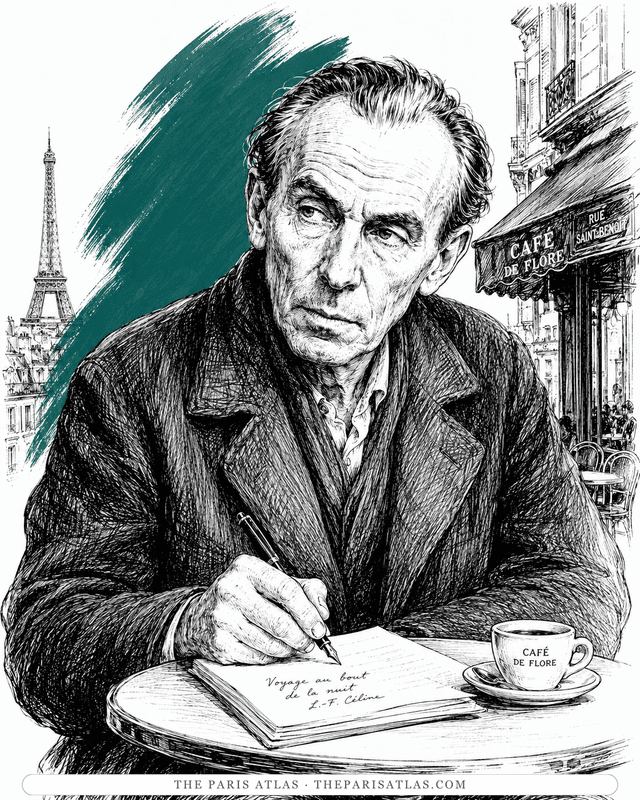
Louis-Ferdinand Céline
The doctor of the Paris slums who wrote the century's blackest, funniest novel — and changed the sound of French prose.
View author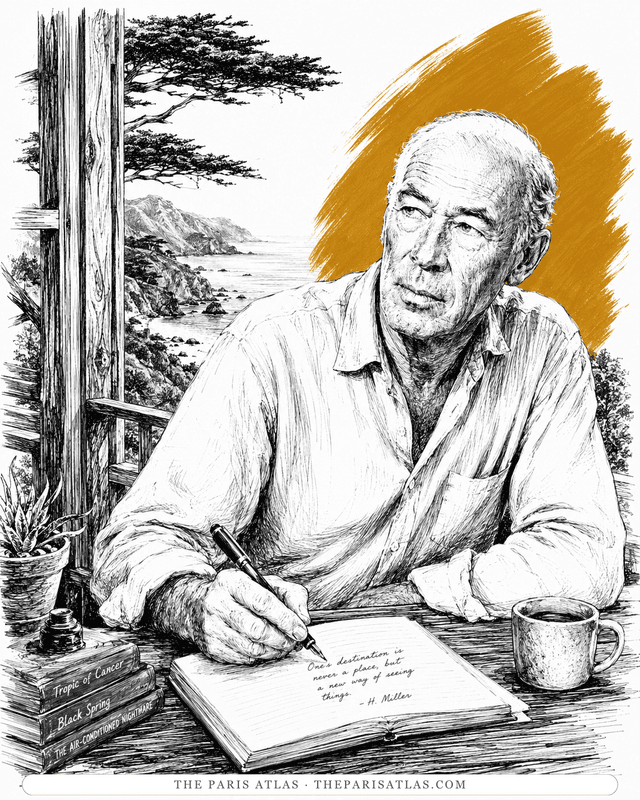
Henry Miller
The Brooklyn dropout who arrived in Paris broke at thirty-eight and wrote the exuberant, banned books that ended American censorship.
View author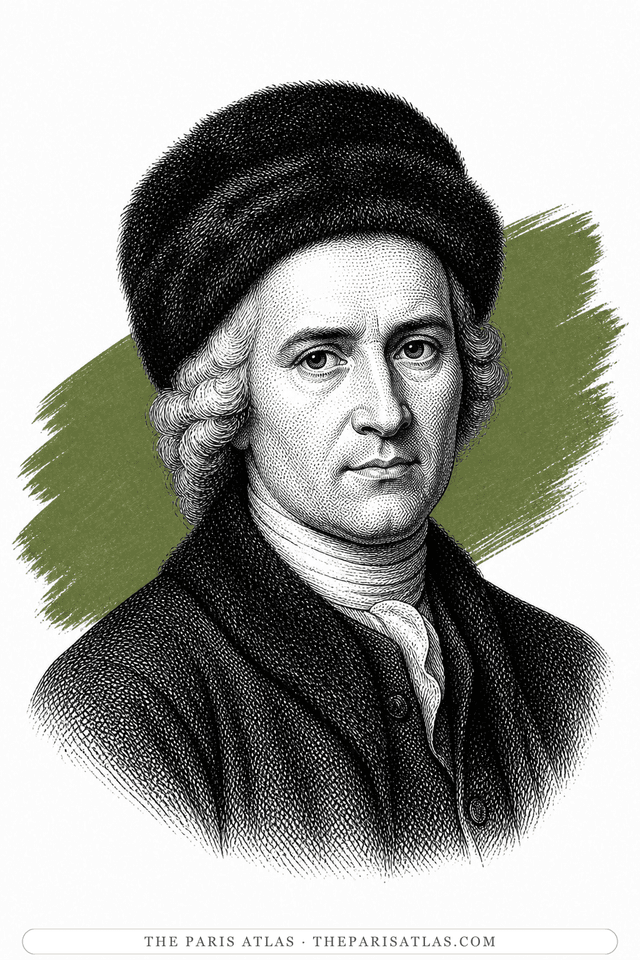
Jean-Jacques Rousseau
The Geneva-born writer who arrived in Paris in 1742 with a new system for writing down music, earned his living copying other people's scores by the page, and then wrote the books — The Social Contract, Émile, the Confessions — that got him chased out of France and, sixteen years after his death, carried into the Panthéon by the Revolution.
View author