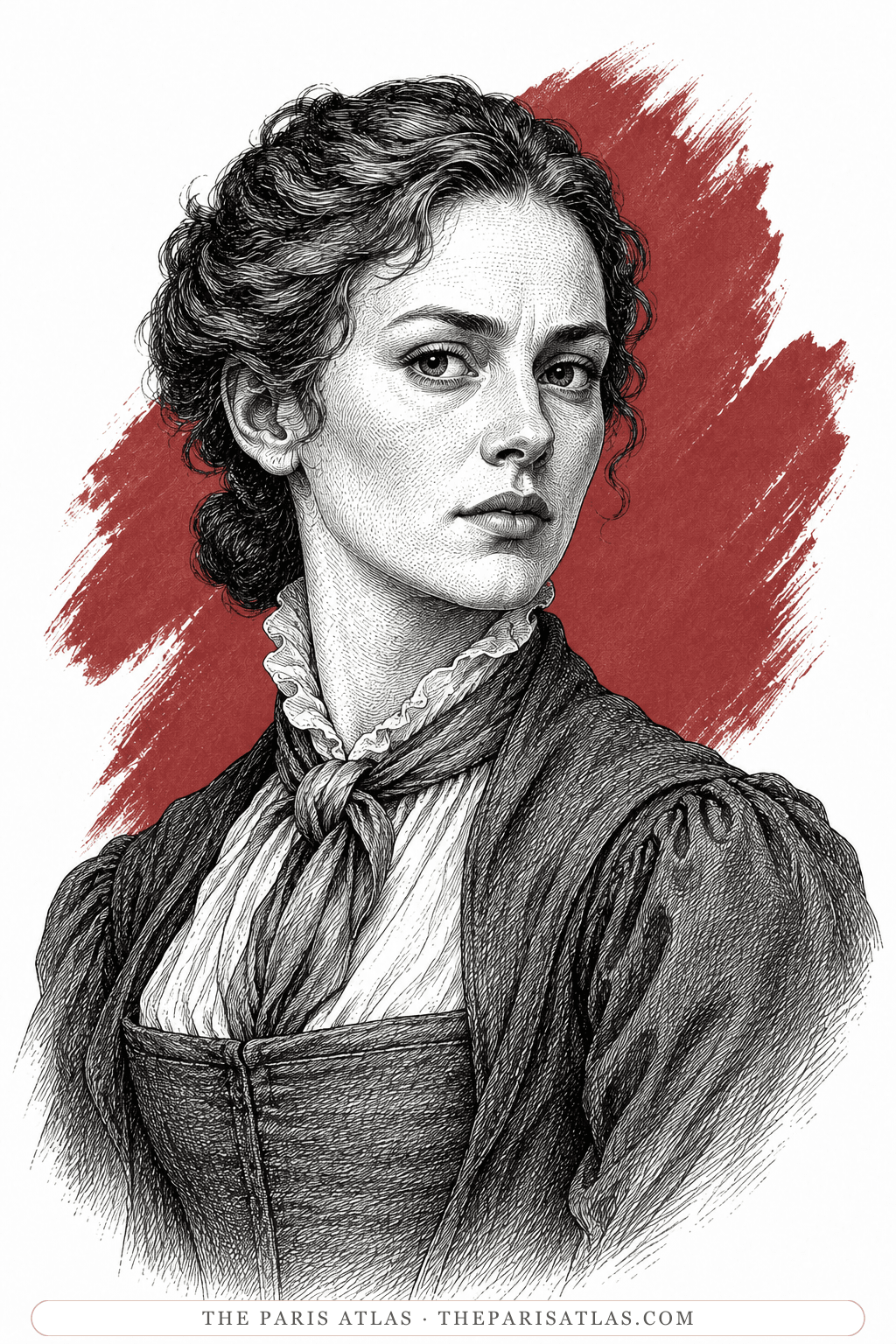
Cunégonde
The fictional baron's daughter whose survival story repeatedly exceeds Candide's idea of rescuing the woman he loves.
She seeks safety and a viable future after violence and captivity, while expecting Candide to honor his promise to marry her.
The book

Who they are in the book
Spoiler-freeCunégonde is a traveler, captive and worker as well as Candide's desired partner. The narration's cruel attention to her appearance should be distinguished from the decisions and survival her own account describes.
How Cunégonde Is Portrayed
- Curiosity that changes the householdIn Chapter I, Cunégonde observes Pangloss with Paquette, her mother's maid. Later she takes Candide's hand behind a screen, and they kiss. Her curiosity contributes to an encounter that the baron answers by expelling him.
- Arranging a reunionIn Chapters VII–VIII, the old woman brings Candide to Cunégonde after the public punishment in Lisbon. Cunégonde has initiated his rescue, reversing the expectation that she can only wait for him.
- Correcting a report of her deathIn Chapter VIII, Cunégonde narrates her survival after the castle's destruction and describes being traded between powerful men. Her testimony overturns Pangloss's earlier claim that she had been killed.
- Considering security in Buenos AiresIn Chapter XIII, the governor proposes marriage and the old woman urges Cunégonde to consider his wealth and protection. The decision emerges from precarious circumstances rather than a simple failure of romantic loyalty.
- Insisting on a promiseIn Chapter XXIX, Cunégonde reminds Candide that he will marry her. His private reaction to her changed looks exposes the condition he had attached to an apparently devoted search.
- Finding a task at the farmIn Chapter XXX, Cunégonde becomes skilled at pastry-making as the household divides its work. The ending gives her a practical contribution beyond the beauty by which other characters have valued her.
If you like Candide


If you like Voltaire
Explore authors with a similar voice, perspective, and influence.
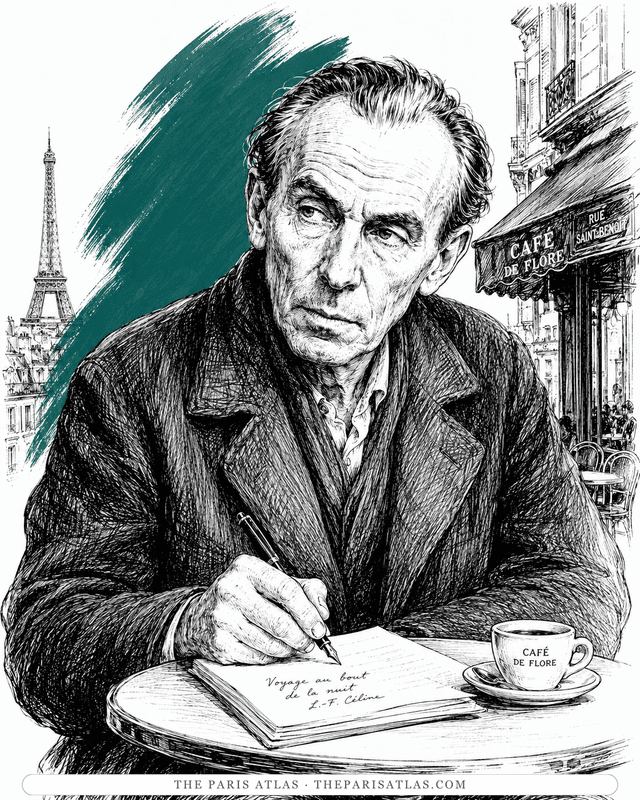
Louis-Ferdinand Céline
The doctor of the Paris slums who wrote the century's blackest, funniest novel — and changed the sound of French prose.
View author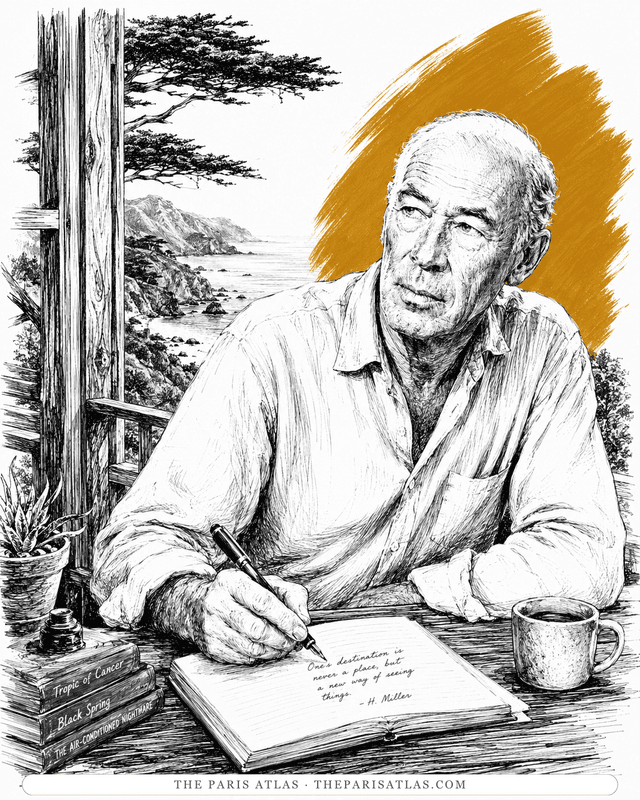
Henry Miller
The Brooklyn dropout who arrived in Paris broke at thirty-eight and wrote the exuberant, banned books that ended American censorship.
View author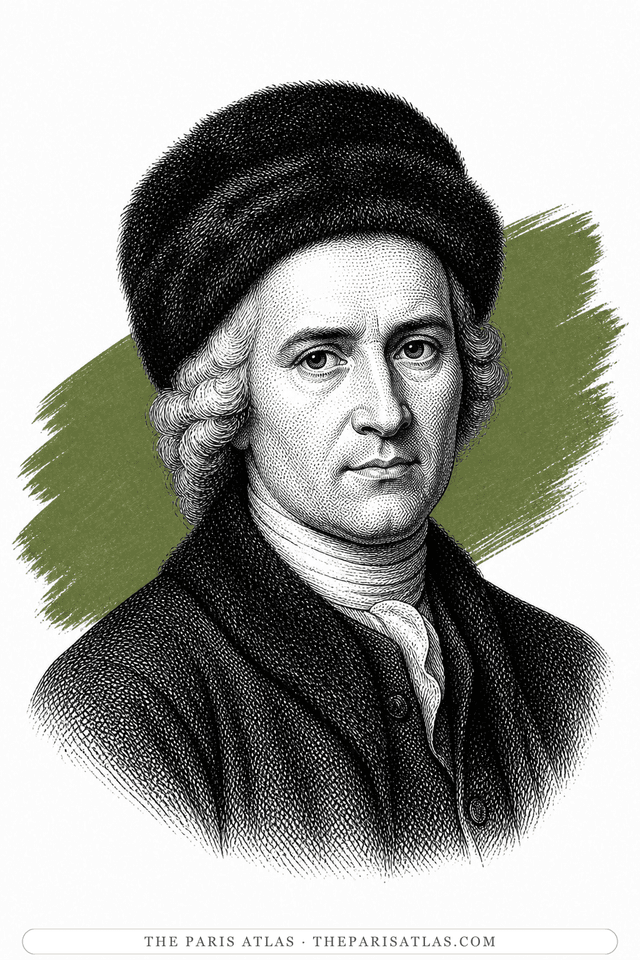
Jean-Jacques Rousseau
The Geneva-born writer who arrived in Paris in 1742 with a new system for writing down music, earned his living copying other people's scores by the page, and then wrote the books — The Social Contract, Émile, the Confessions — that got him chased out of France and, sixteen years after his death, carried into the Panthéon by the Revolution.
View author