Clive Durham
Maurice’s Cambridge love, who later claims heterosexuality, marries Anne, and returns fully to conventional upper-class life.
To preserve an orderly public life—marriage, estate, and political future—after deciding that his relationship with Maurice no longer belongs in it.
The book

At a glance
- Cambridge
- Penge estate
- Anne Woods Durham
Who they are in the book
Spoiler-freeAt Cambridge, Clive gives Maurice the intellectual courage to name their love while also restricting it to an idealized, nonsexual form.
His later marriage offers safety and status, but it also requires him to treat his past with Maurice as an error that can be closed.
How Clive Durham Is Portrayed
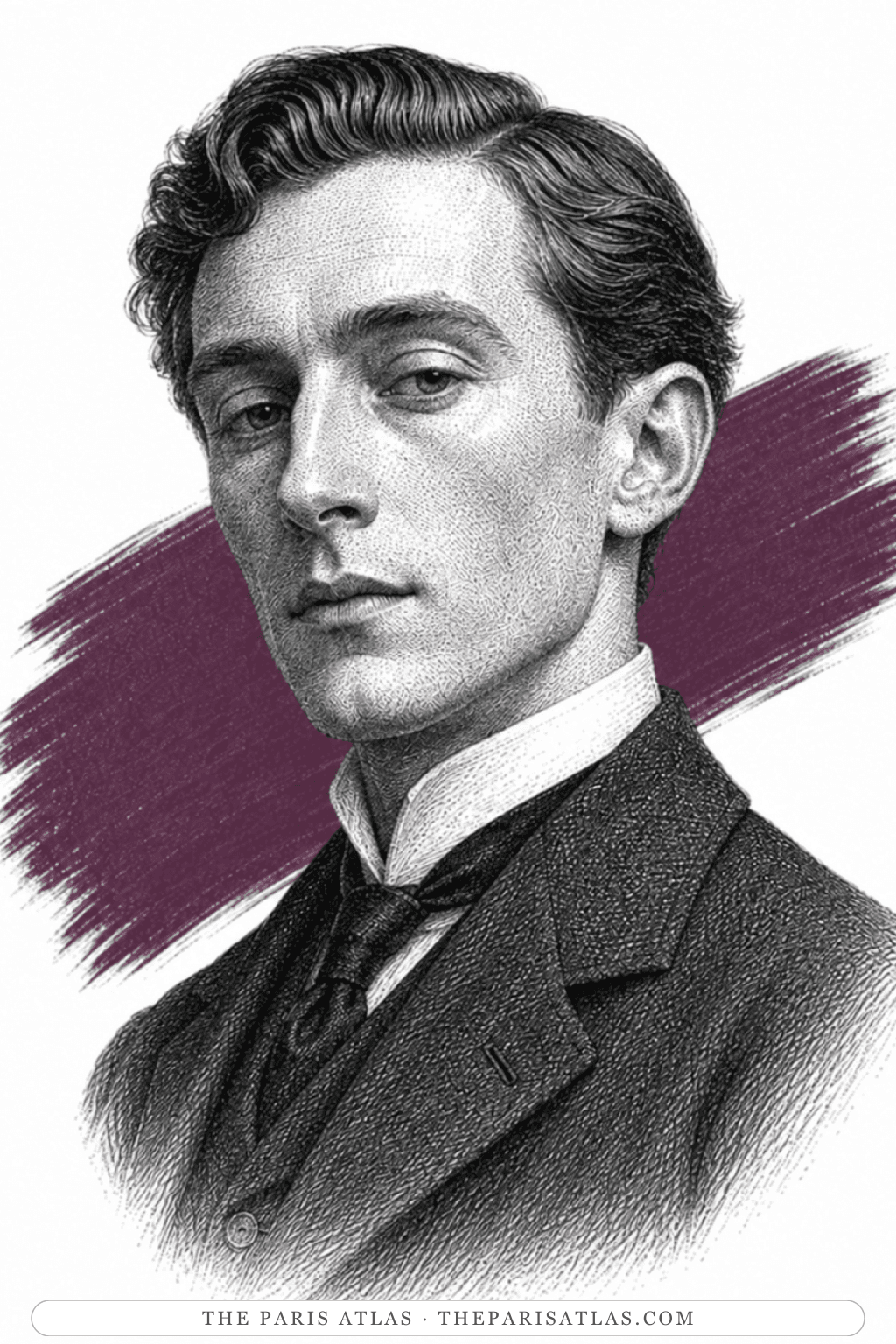
- Refined Cambridge intellectualEducation and class shape his bearing.
- Elegant featuresHe appears more cultivated than robust.
- Slightly ascetic posturePhysical restraint is central to his early ideal.
- Formal Edwardian clothesHis appearance anticipates the life he chooses.
- Close engraved bustNo college architecture appears.
- Muted plum accentThe color distinguishes him from Maurice.
Clive marries Anne and cannot understand Maurice’s choice of Alec. Maurice’s final disclosure leaves Clive confronting the life he refused.
If you like Maurice


If you like E. M. Forster
Explore authors with a similar voice, perspective, and influence.
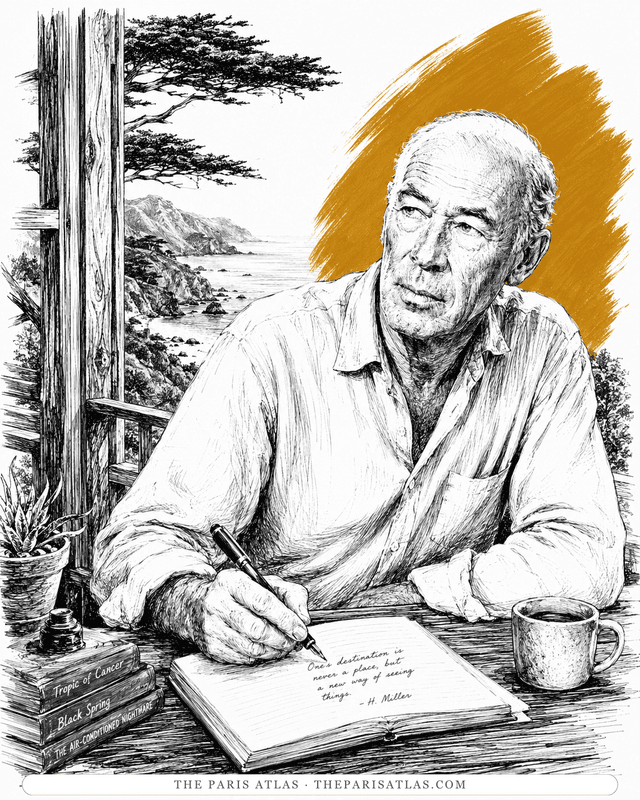
Henry Miller
The Brooklyn dropout who arrived in Paris broke at thirty-eight and wrote the exuberant, banned books that ended American censorship.
View author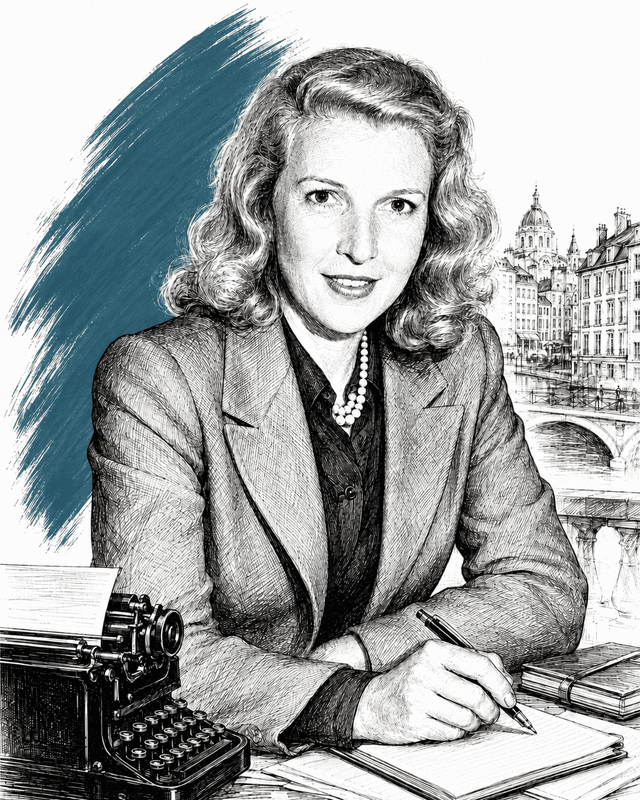
Martha Gellhorn
War correspondent who covered the Spanish Civil War, D-Day, and conflicts across five more decades; Hemingway's third wife, 1940–1945.
View author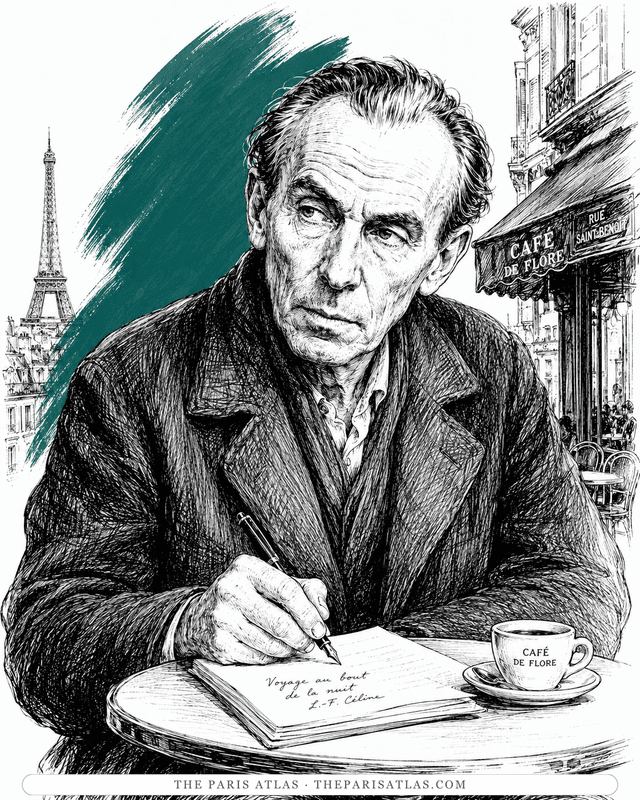
Louis-Ferdinand Céline
The doctor of the Paris slums who wrote the century's blackest, funniest novel — and changed the sound of French prose.
View author