Dr. Barry
The conventional family doctor whose dismissive response represents the prejudice Maurice encounters in medicine.
To preserve conventional medical and social assumptions by refusing to recognize Maurice’s homosexuality as a reality deserving honest discussion.
The book

At a glance
- Family doctor
- Maurice Hall
- Embodies conventional medical prejudice
Who they are in the book
Spoiler-freeDr. Barry refuses to meet Maurice’s disclosure with serious curiosity or compassion. His response protects social convention by treating the patient’s account as impossible or shameful.
The encounter shows why medical authority cannot help Maurice while it begins from the assumption that his honest self-description must be denied.
How Dr. Barry Is Portrayed
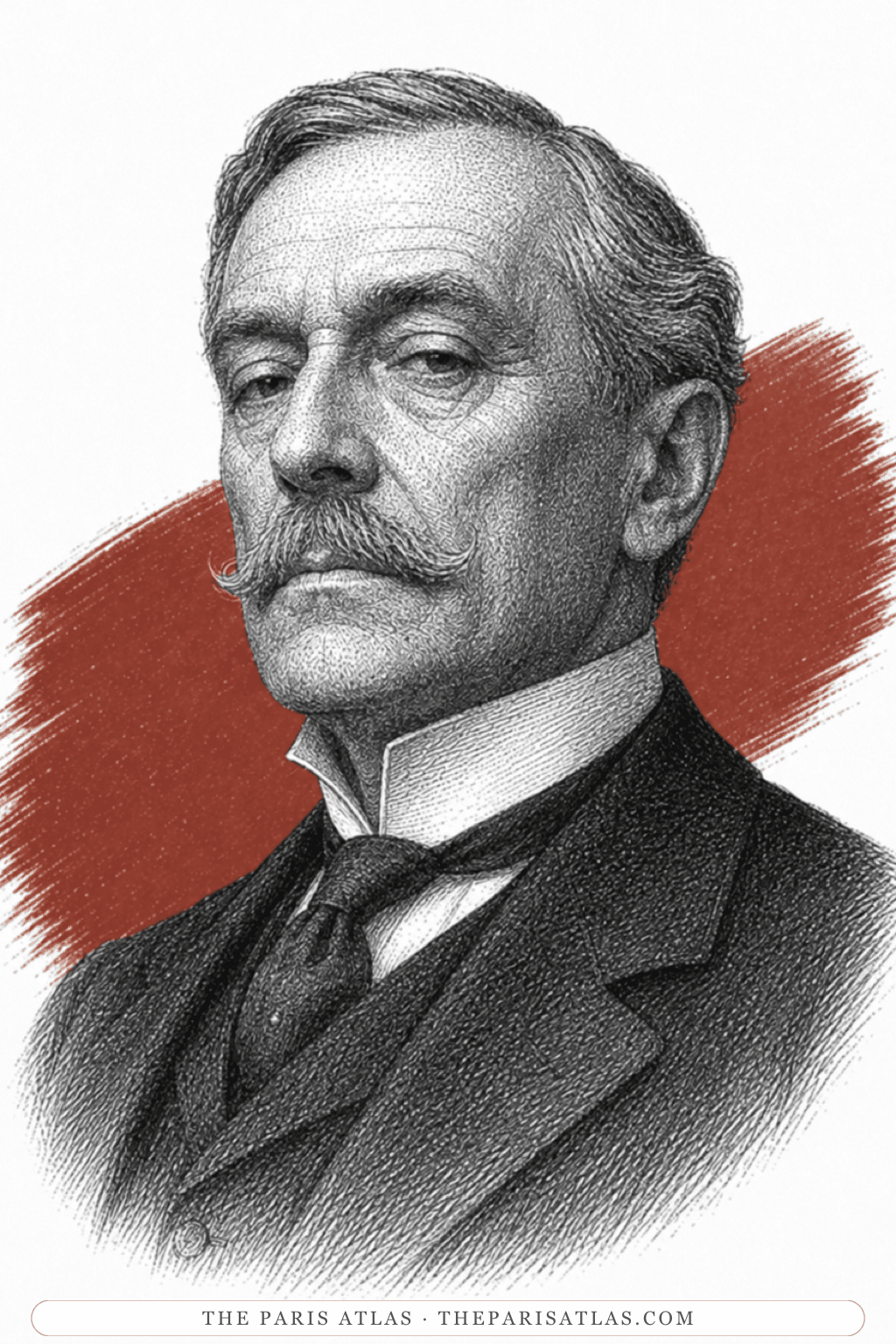
- Older physicianAge reinforces his conventional authority.
- Formal Edwardian suitHis profession is suggested without costume props.
- Rigid postureCertainty closes off empathy.
- Dismissive expressionHe does not take Maurice’s account seriously.
- Close engraved bustNo medical instruments appear.
- Muted rust accentThe color distinguishes his harsher authority.
Dr. Barry offers Maurice no useful help. His dismissal pushes Maurice toward further concealment and later treatment with Lasker Jones.
If you like Maurice


If you like E. M. Forster
Explore authors with a similar voice, perspective, and influence.
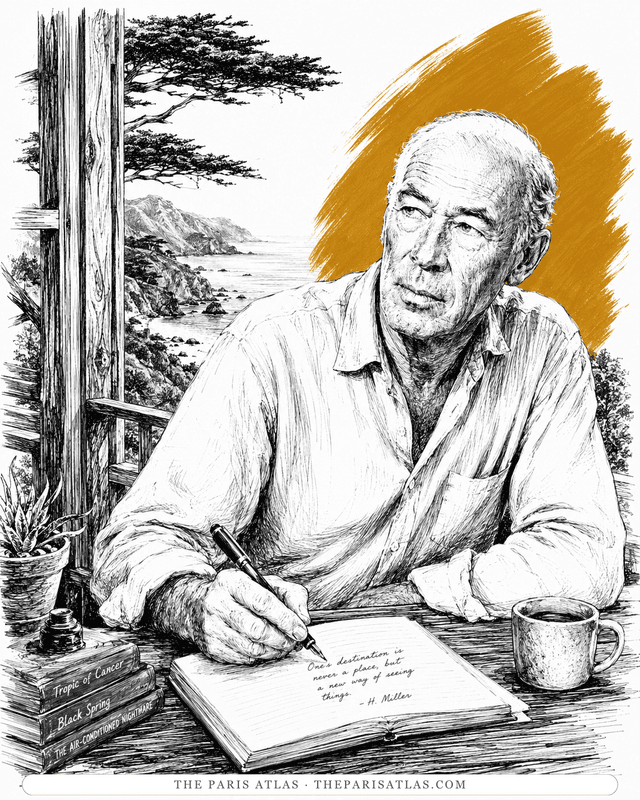
Henry Miller
The Brooklyn dropout who arrived in Paris broke at thirty-eight and wrote the exuberant, banned books that ended American censorship.
View author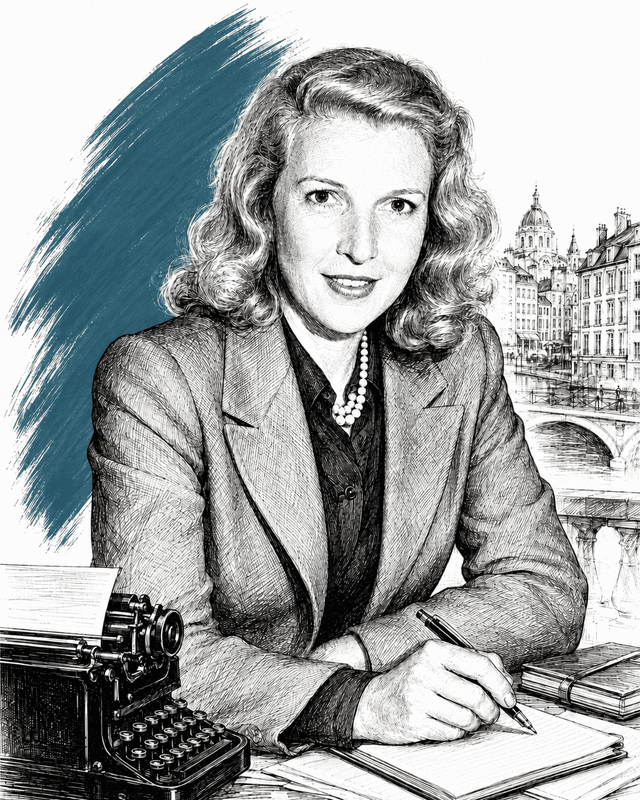
Martha Gellhorn
War correspondent who covered the Spanish Civil War, D-Day, and conflicts across five more decades; Hemingway's third wife, 1940–1945.
View author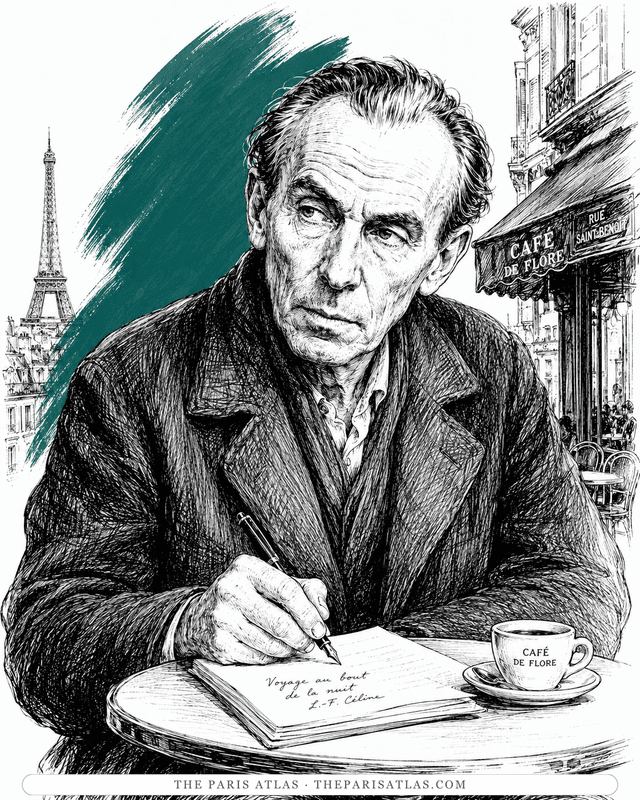
Louis-Ferdinand Céline
The doctor of the Paris slums who wrote the century's blackest, funniest novel — and changed the sound of French prose.
View author