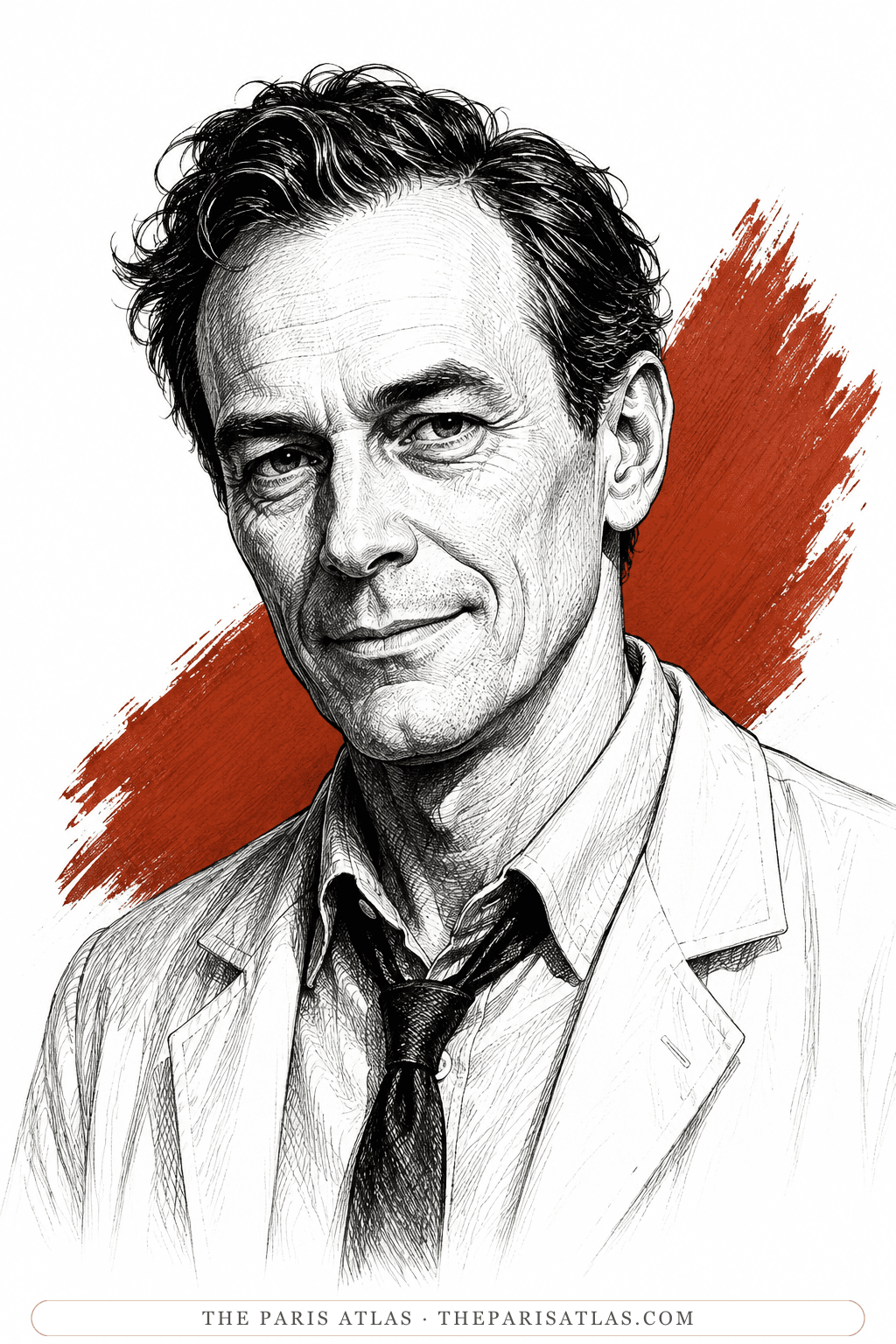
Dr. Benway
A sinister physician who turns treatment, psychology, and expertise into grotesque systems of control.
To exercise control while presenting coercion as clinical expertise and administrative necessity.
The book

At a glance
- Physician and specialist in manipulation
- Satire of institutional expertise
- Control disguised as treatment
Who they are in the book
Spoiler-freeBenway is a doctor, manipulator, and technician of coercion. His medical demonstrations turn treatment into absurd and frightening theater.
He is memorable because his authority is comic without being harmless. His routines exaggerate the logic of real institutions until care and punishment become indistinguishable.
How Dr. Benway Is Portrayed
- Rumpled medical authorityHis untidy appearance does not reduce his confidence or institutional power.
- Amused by controlHe treats grotesque procedures as demonstrations of professional skill.
- Cold improviserChaos becomes another opportunity to display authority.
- Medical satirist’s monsterHe embodies Burroughs’s distrust of psychiatry and behavioral regulation.
- Verbose showmanHis explanations are part lecture, part sales pitch, and part threat.
- Recurring operatorHe moves easily between medicine, politics, and manipulation.
Benway receives no conventional defeat or moral reckoning. He persists as a reusable embodiment of institutional control.
If you like Naked Lunch


If you like William S. Burroughs
Explore authors with a similar voice, perspective, and influence.
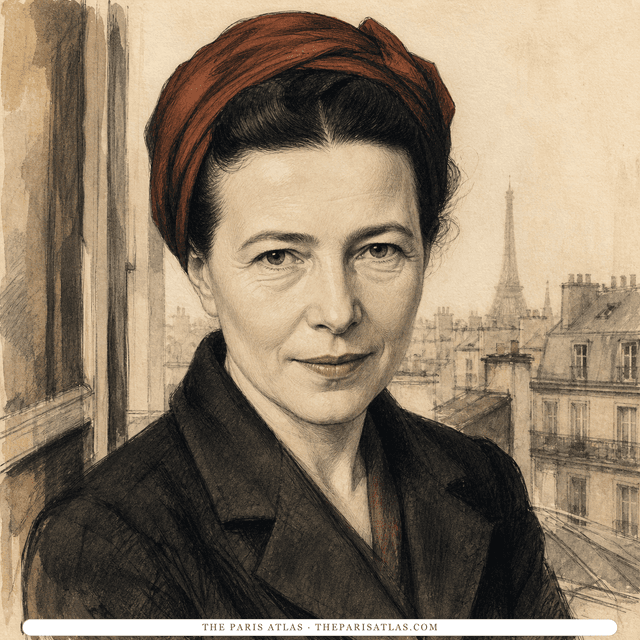
Simone de Beauvoir
French writer and philosopher whose novels, memoirs, and social analysis examined freedom, gender, responsibility, aging, and the material conditions that shape a life.
View author
Paul Bowles
American novelist and composer whose expatriate fiction explores dislocation, unstable intimacy, fatalism, and North Africa.
View author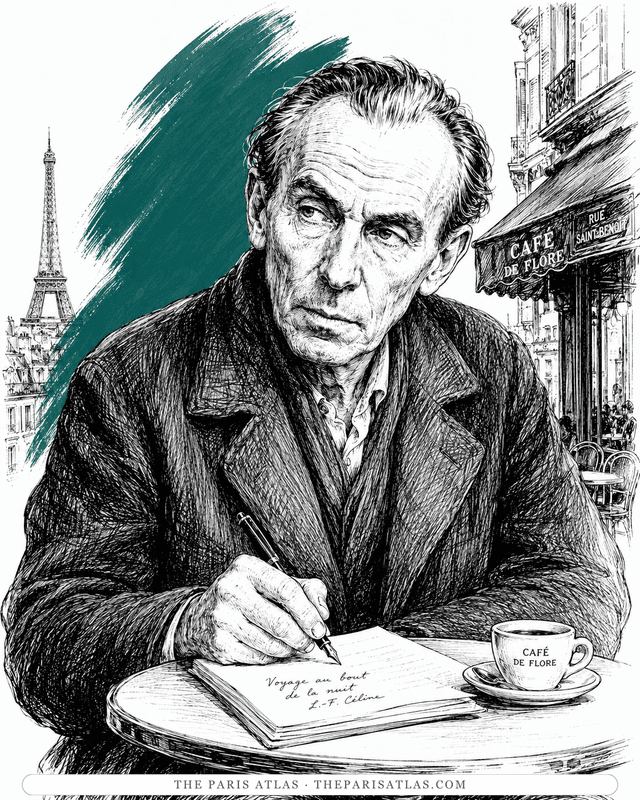
Louis-Ferdinand Céline
The doctor of the Paris slums who wrote the century's blackest, funniest novel — and changed the sound of French prose.
View author