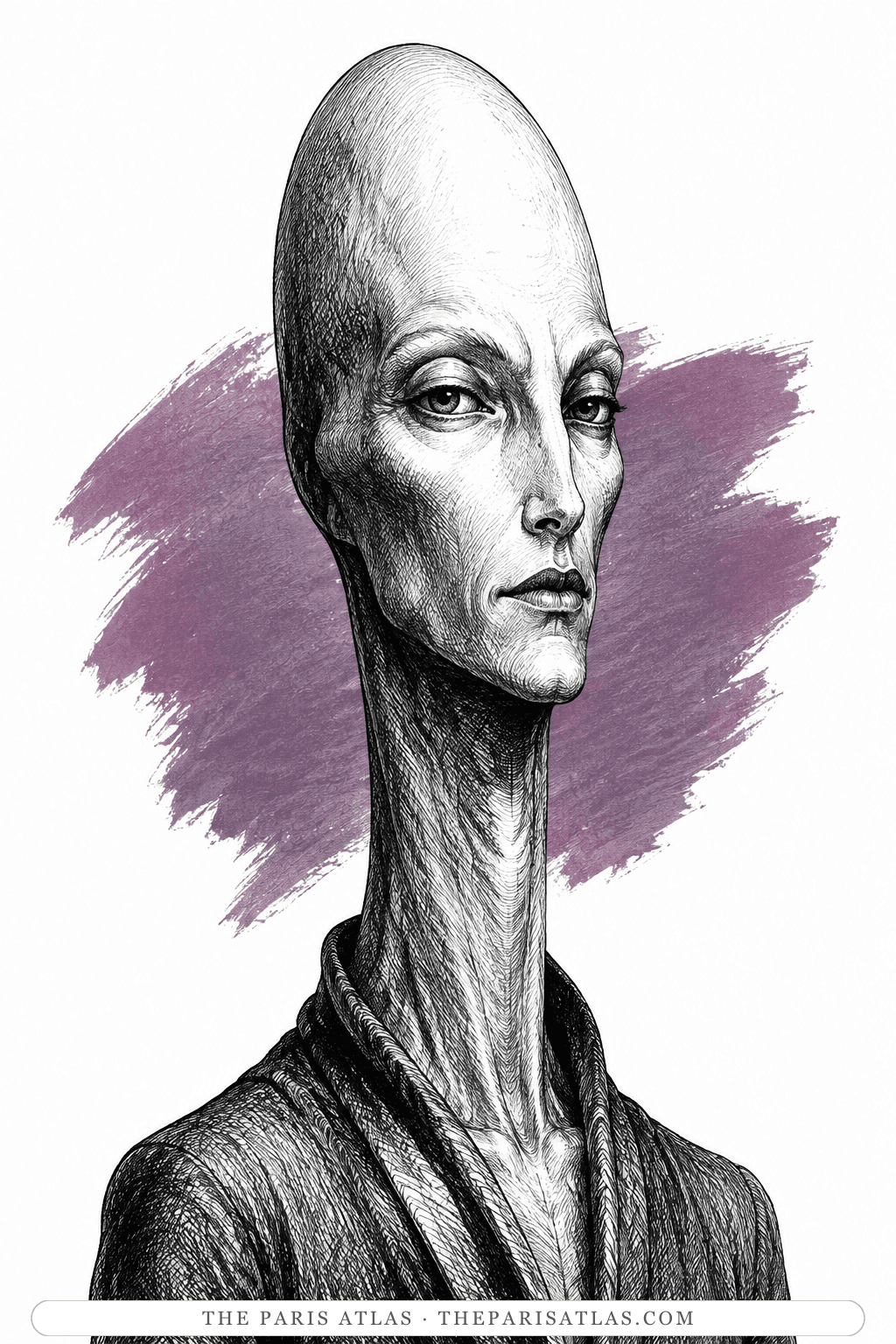
The Mugwumps
Humanlike creatures whose addictive bodily secretions make the book’s link between appetite and control literal.
To feed within an economy of bodily dependence that joins pleasure, appetite, exploitation, and power.
The book

At a glance
- Humanlike fictional creatures
- Embodiment of addiction and control
- Interzone
Who they are in the book
Spoiler-freeThe Mugwumps are not realistic people or individually developed characters. Their bodies produce a substance that creates dependence.
They matter because they turn Burroughs’s political metaphor into grotesque biology. Whoever controls the supply can control the dependent body.
How The Mugwumps Is Portrayed
- Tall humanoid formThey remain recognizably bodily while refusing ordinary human categories.
- Literary grotesqueTheir design should feel drawn from prose rather than copied from a film monster.
- Addictive bodyTheir secretions turn physical contact into a system of dependency.
- Collective figureThey function as a species and metaphor rather than one individual life.
The Mugwumps are not eliminated or explained. They remain part of the book’s unresolved system of appetite and dependence.
If you like Naked Lunch


If you like William S. Burroughs
Explore authors with a similar voice, perspective, and influence.
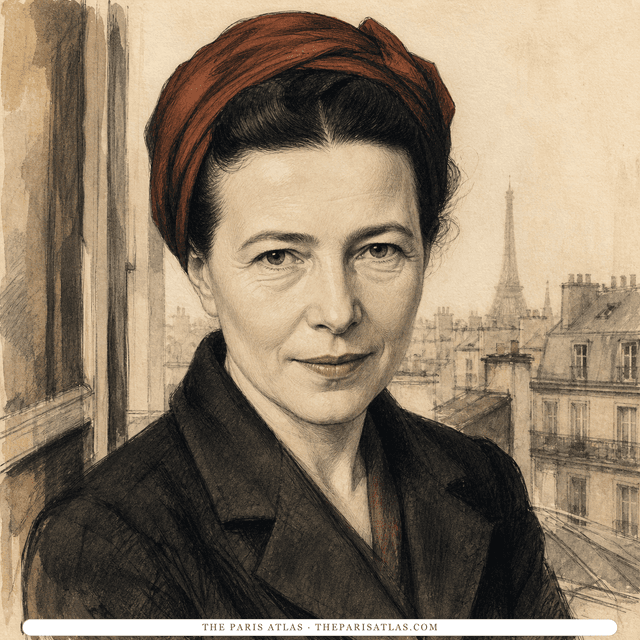
Simone de Beauvoir
French writer and philosopher whose novels, memoirs, and social analysis examined freedom, gender, responsibility, aging, and the material conditions that shape a life.
View author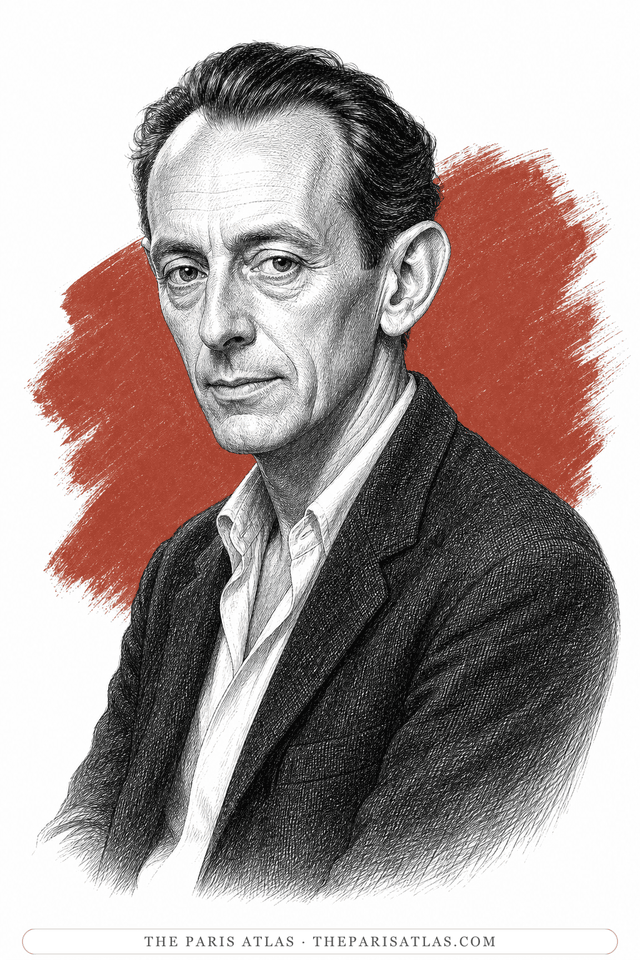
Paul Bowles
American novelist and composer whose expatriate fiction explores dislocation, unstable intimacy, fatalism, and North Africa.
View author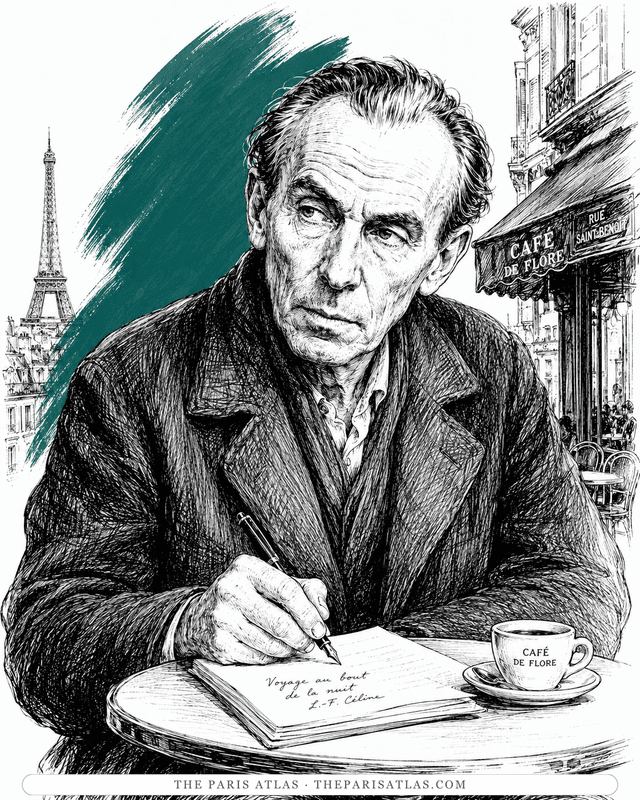
Louis-Ferdinand Céline
The doctor of the Paris slums who wrote the century's blackest, funniest novel — and changed the sound of French prose.
View author