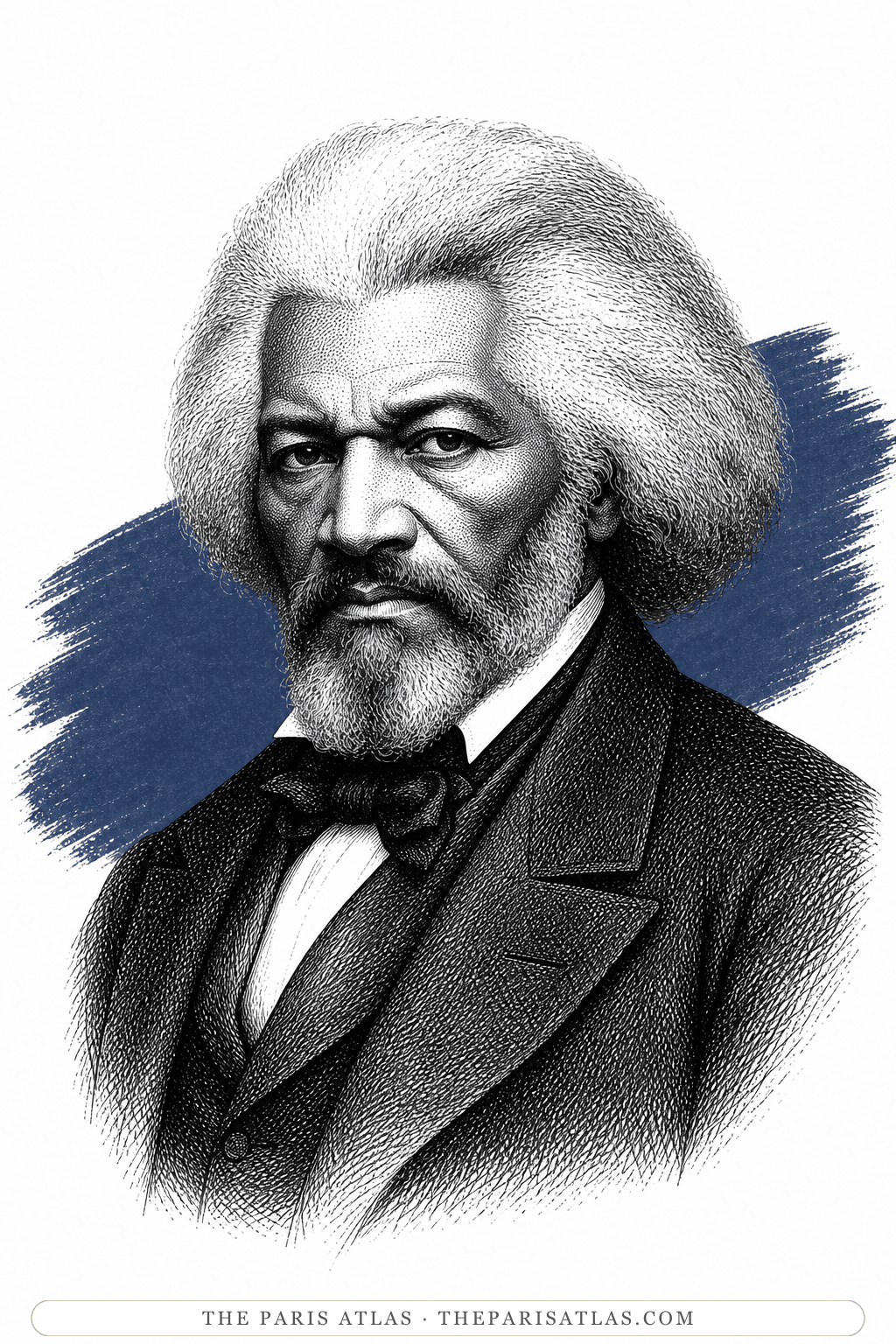
Frederick Douglass
The narrator recalls his childhood, education, enslavement, and emergence as a public speaker.
He seeks freedom and the knowledge needed to act for himself.
The book

Who they are in the book
Spoiler-freeDouglass writes as an adult looking back on the child and young man he was. He explains what he understood then and what he can now identify as part of slavery's organization.
How Frederick Douglass Is Portrayed
- Questions adults will not answerIn Chapter I, Douglass recalls wondering why white children know their ages while he does not. Even asking his enslaver about his age is treated as improper.
- An opponent becomes an instructorIn Chapter VI, Hugh Auld's warning against teaching him to read helps Douglass understand why enslavers fear literacy. He resolves to continue learning after the lessons stop.
- Lessons during errandsIn Chapter VII, he makes time to study with neighborhood boys and gives bread to children who help him. He declines to print their names because doing so could embarrass them.
- A reader in distressThe Columbian Orator gives him arguments for human freedom. Chapter VII also records his anguish at understanding his condition without yet knowing how to change it.
- Writing learned from workHe copies letters used to label shipyard timber, practices with chalk, and uses spaces in young Thomas Auld's discarded copybooks. Chapter VII describes several methods rather than a single lesson.
- Teaching other peopleIn Chapter X, Douglass recalls the pleasure of teaching enslaved adults and children to read. The school must remain discreet because its pupils and host face punishment.
If you like Narrative of the Life of Frederick Douglass, an American Slave


If you like Frederick Douglass
Explore authors with a similar voice, perspective, and influence.
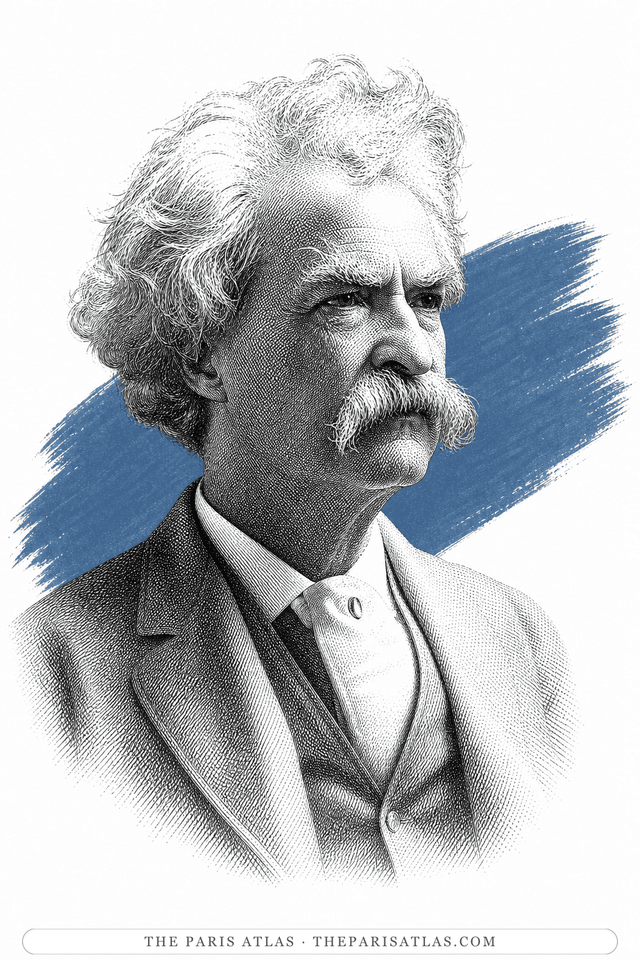
Mark Twain
The Missouri newspaperman who became America's most famous writer, and whose first book made its reputation partly out of Paris: in 1867 he arrived with a shipload of American tourists, renamed his guide Ferguson, watched the high-kicking can-can through his fingers and wrote it all down. He kept coming back — and was living in Paris in the mid-1890s, broke, while finishing the novel he considered his best, Personal Recollections of Joan of Arc.
View author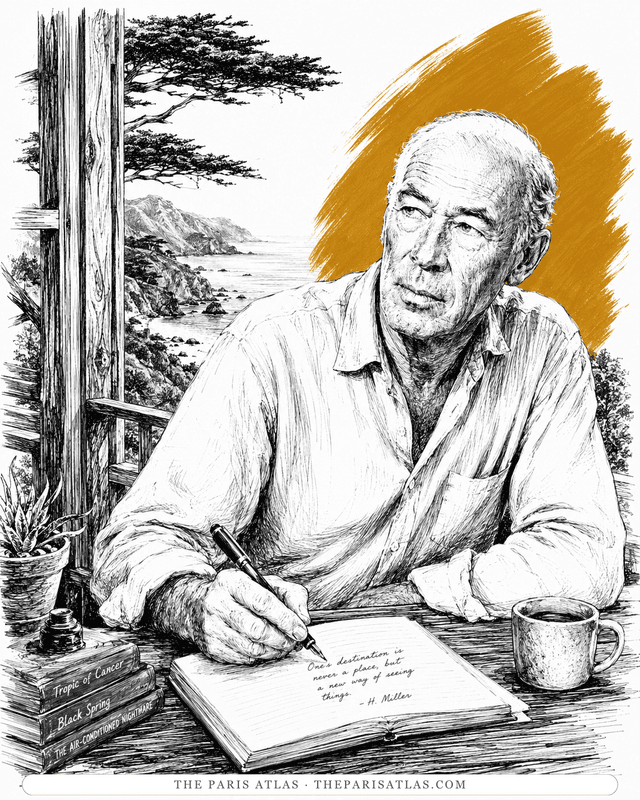
Henry Miller
The Brooklyn dropout who arrived in Paris broke at thirty-eight and wrote the exuberant, banned books that ended American censorship.
View author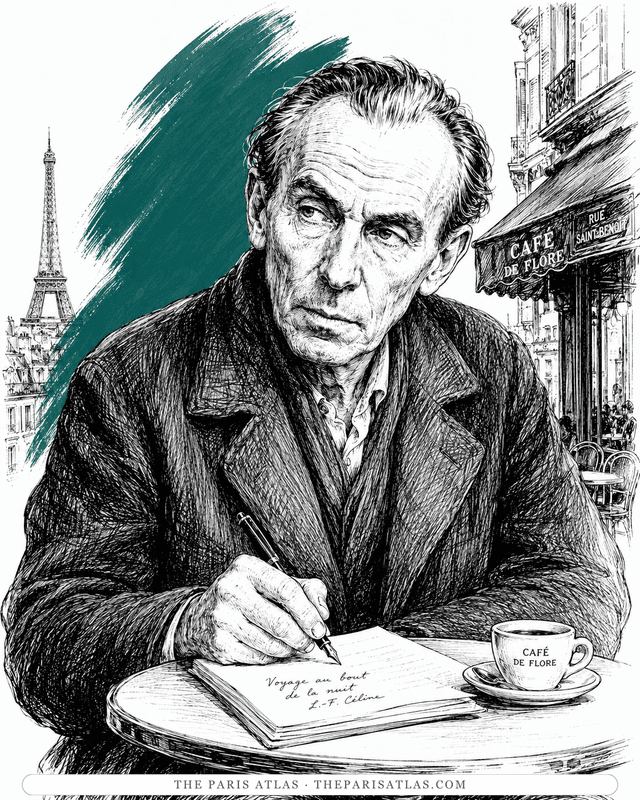
Louis-Ferdinand Céline
The doctor of the Paris slums who wrote the century's blackest, funniest novel — and changed the sound of French prose.
View author