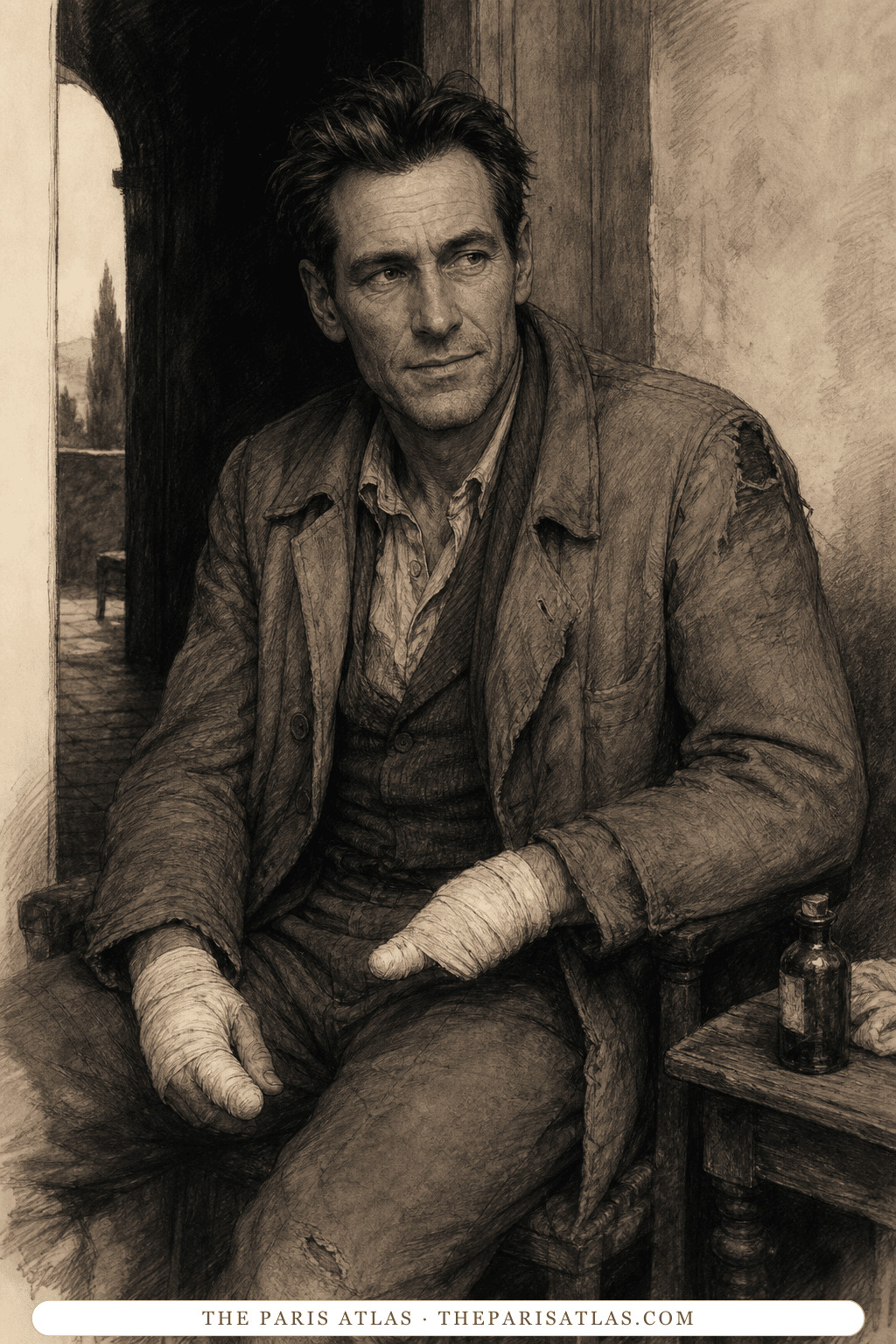
David Caravaggio
The Canadian thief and injured intelligence operative who uncovers the patient's identity while trying to reach Hana.
To bring Hana back toward life and discover what the patient is hiding about his identity and wartime actions.
The book

At a glance
- Canadian
- Thief
- Allied intelligence
- Friend of Hana's family
Who they are in the book
Spoiler-freeCaravaggio knew Hana's family in Canada and comes to the villa partly because he believes she must leave its isolation. Before the war, theft gave him a life built on observation, entry, escape, and limited intimacy. Allied intelligence turns those skills into wartime work.
He is captured in Italy and tortured. His interrogators cut off his thumbs, destroying the hands on which his old profession depended. Morphine manages the pain and becomes another vulnerability.
Caravaggio suspects the patient's identity and uses morphine to make him talk. Solving the name does not restore Caravaggio's hands or make Almásy's choices simple. His detective work becomes a way of rejoining other people rather than merely exposing one of them.
How David Caravaggio Is Portrayed
- Hands altered by tortureBoth thumbs have been removed; bandages and adapted movement show the damage without defining his whole person.
- A thief's attentionHe notices inconsistencies, private objects, entrances, and what people protect when they speak.
- Dependent on morphineThe drug connects his bodily pain to the patient's and complicates his attempt to question him.
- Civilian habits inside wartime ruinsHe occupies doorways, watches rooms, and avoids the straightforward posture of a soldier.
- Dry, skeptical speechHe challenges Hana's worship of the patient and the patient's uncertain story without becoming a formal prosecutor.
- Care through investigationHis questions can be intrusive, but concern for Hana gives the inquiry a personal purpose.
Caravaggio identifies the patient as Almásy and connects him to Eppler's desert crossing. He learns the story through drugged conversation but does not turn the discovery into arrest or revenge.
If you like The English Patient


If you like Michael Ondaatje
Explore authors with a similar voice, perspective, and influence.
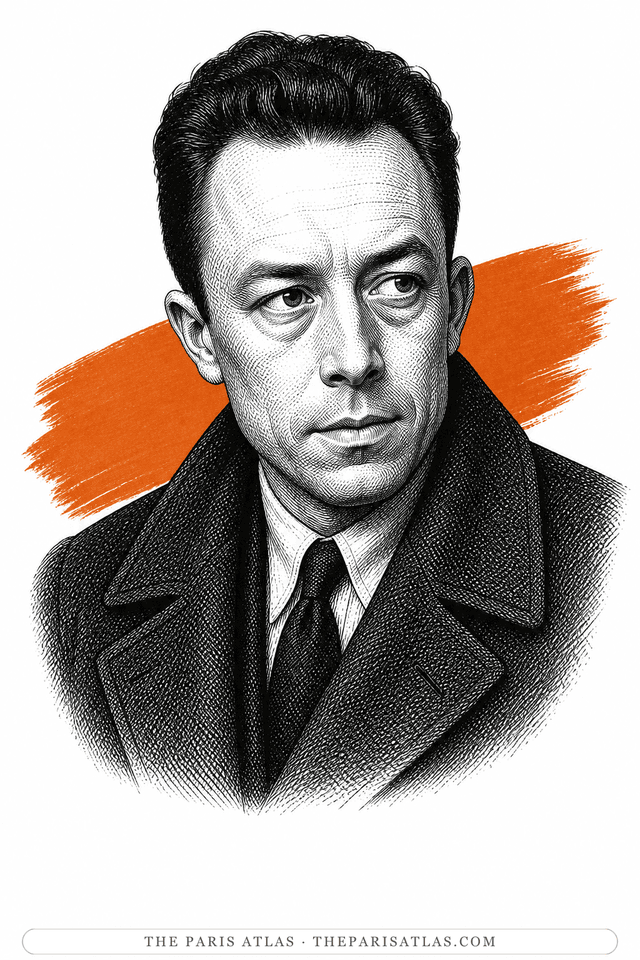
Albert Camus
French Algerian novelist, essayist, journalist and playwright who used the absurd and revolt to ask how people should live without false consolation.
View author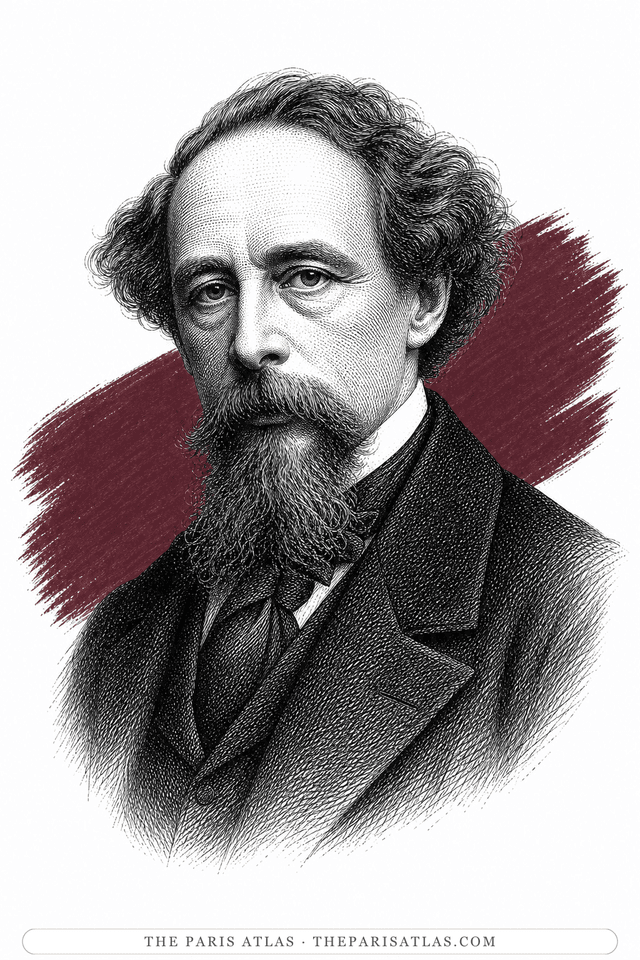
Charles Dickens
The most popular English novelist of the nineteenth century, who was never a Paris resident in the ordinary sense but kept coming back for twenty-five years: one winter in a rented mansion on the rue de Courcelles, a second winter on the Champs-Élysées writing Little Dorrit, repeated compulsive visits to the Paris Morgue — the riverside building where the city displayed its unidentified dead to the public — and a novel of the French Revolution, A Tale of Two Cities, that has shaped how English readers picture Paris ever since.
View author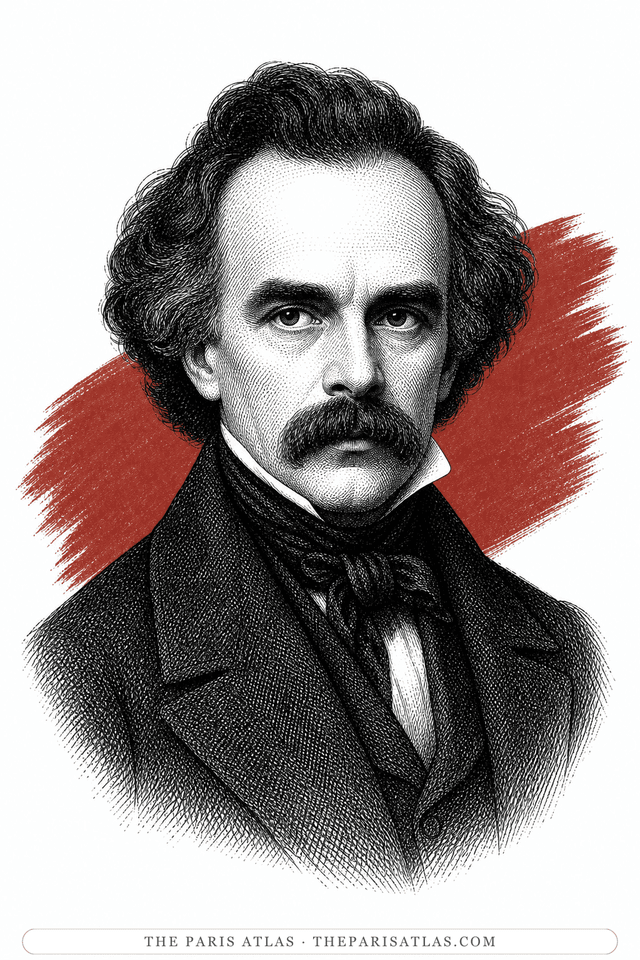
Nathaniel Hawthorne
Author of The Scarlet Letter, who passed through Paris for one week in January 1858 on his way from the American consulate at Liverpool to Italy — and wrote it all down. He found the city more magnificent than London and colder than anything in America: "new, bright, magnificent, and desperately cold." He left saying he was quite tired of Paris and longed for home.
View author