A fortnight of sightseeing, and an evening with Victor Hugo
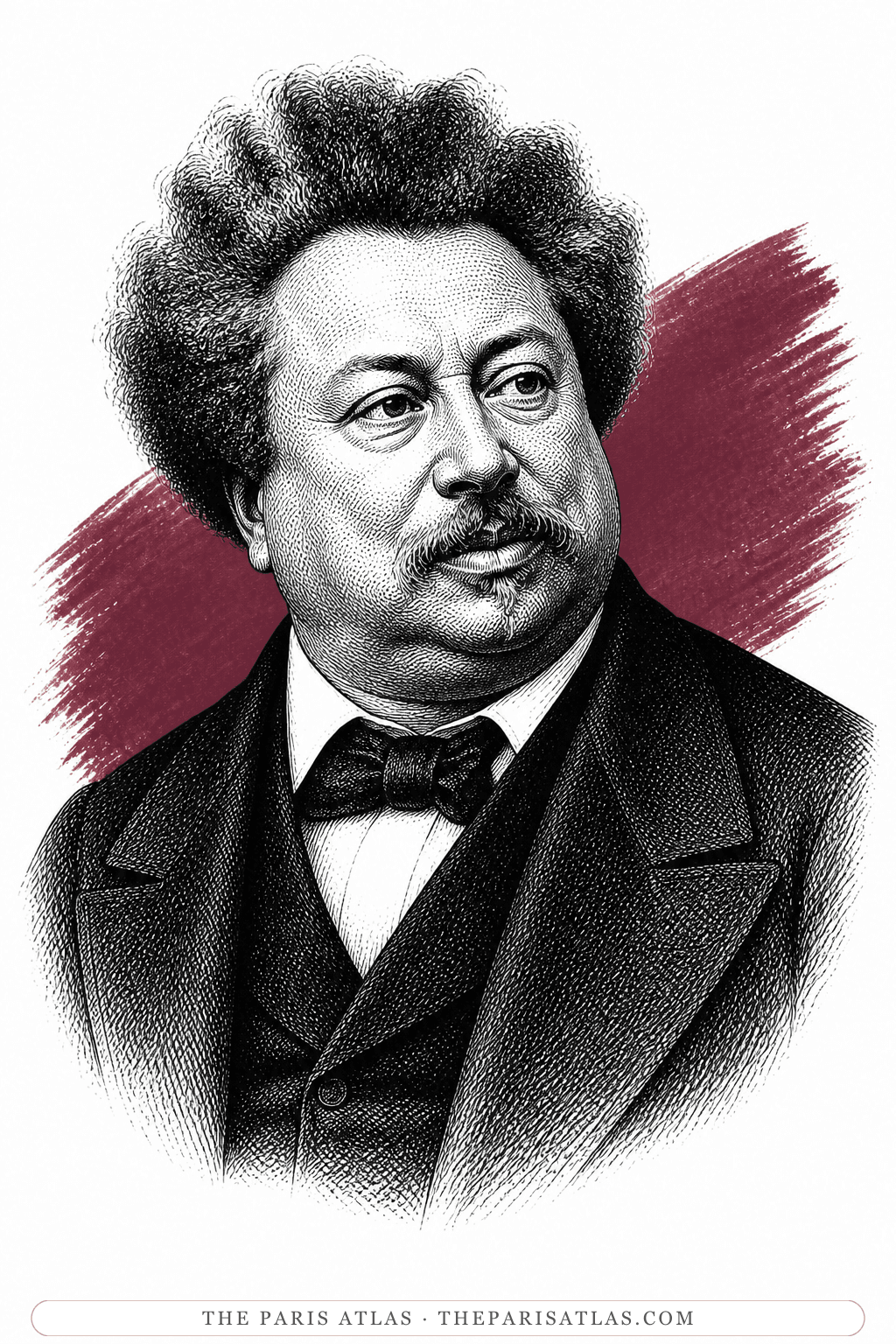
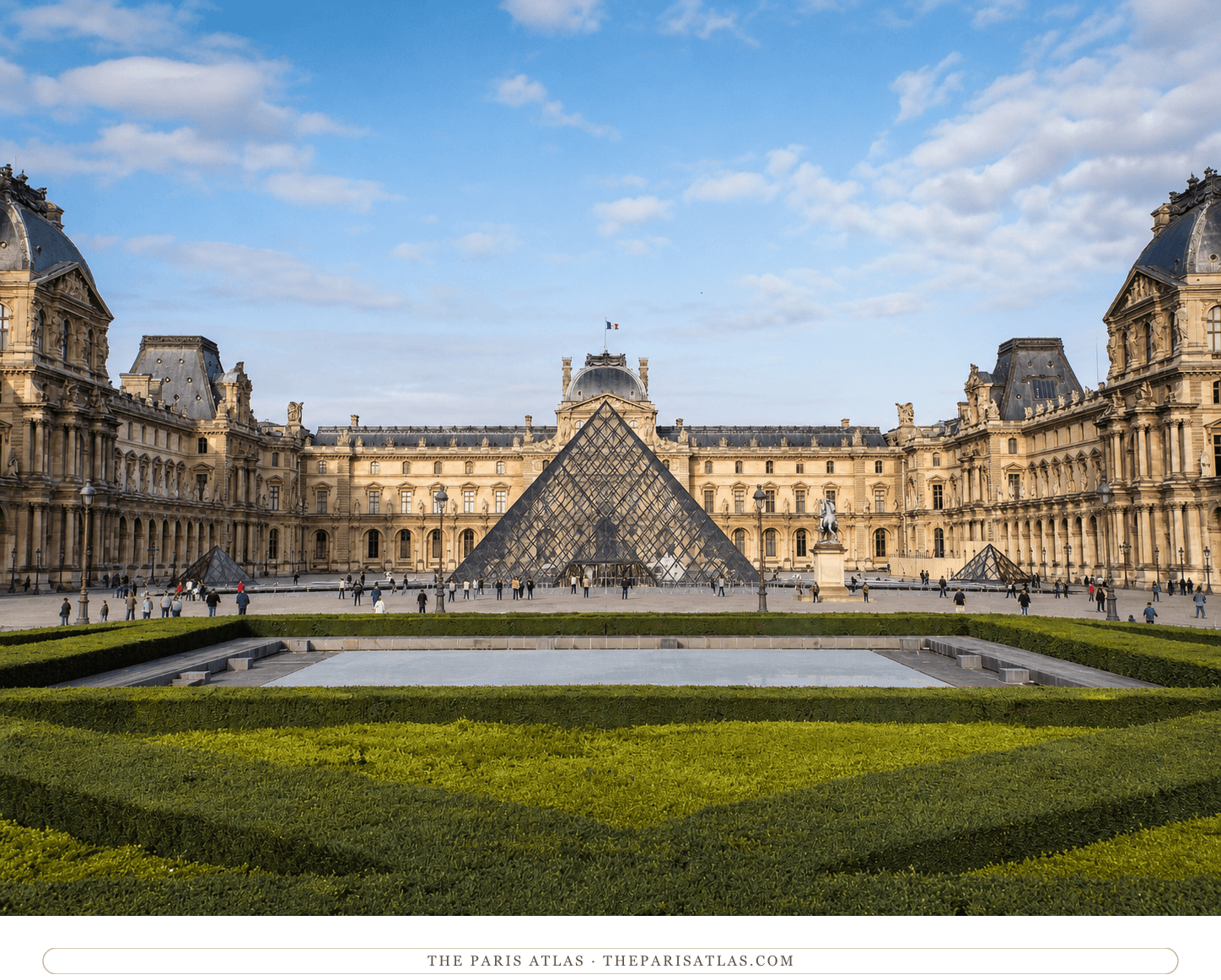
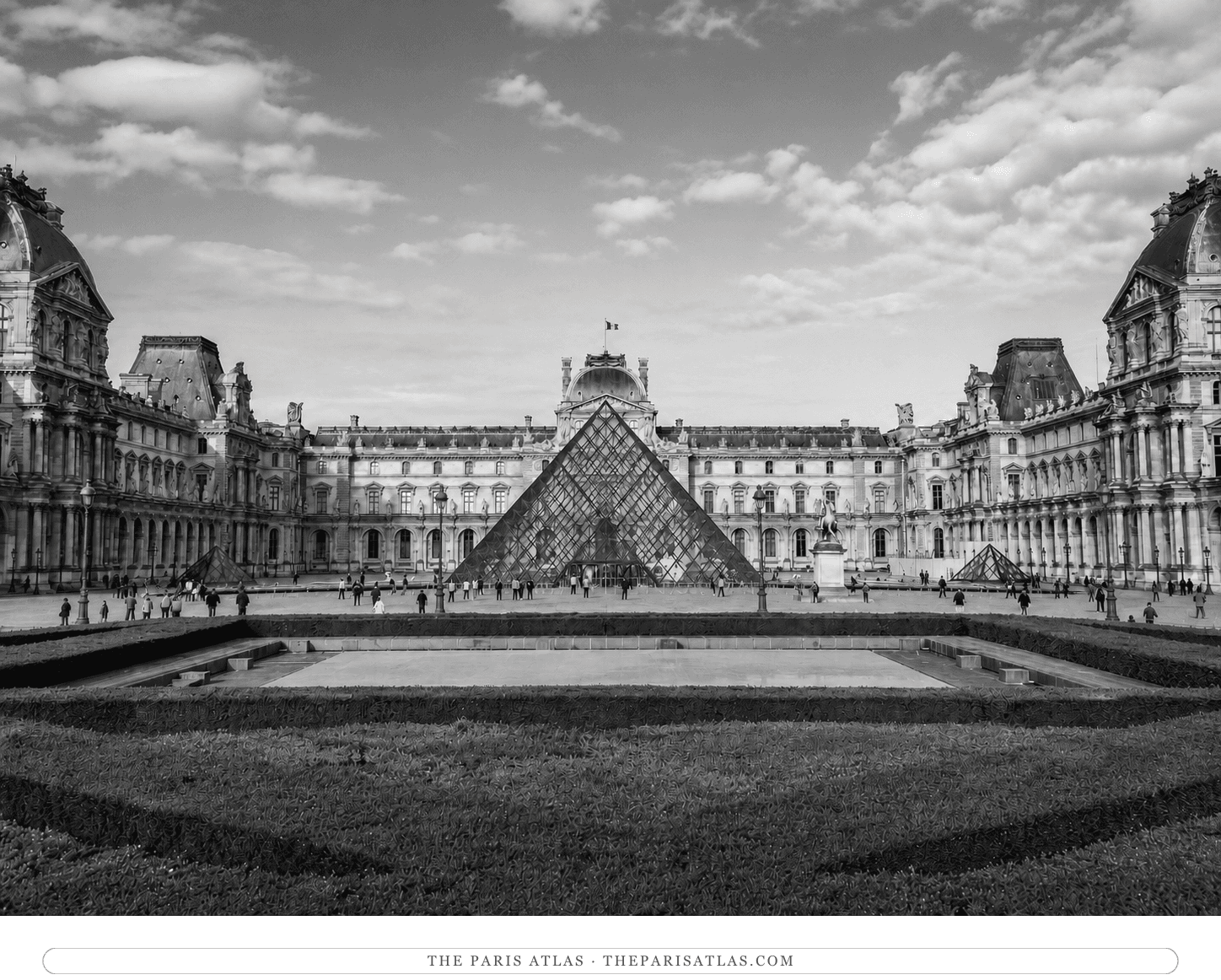
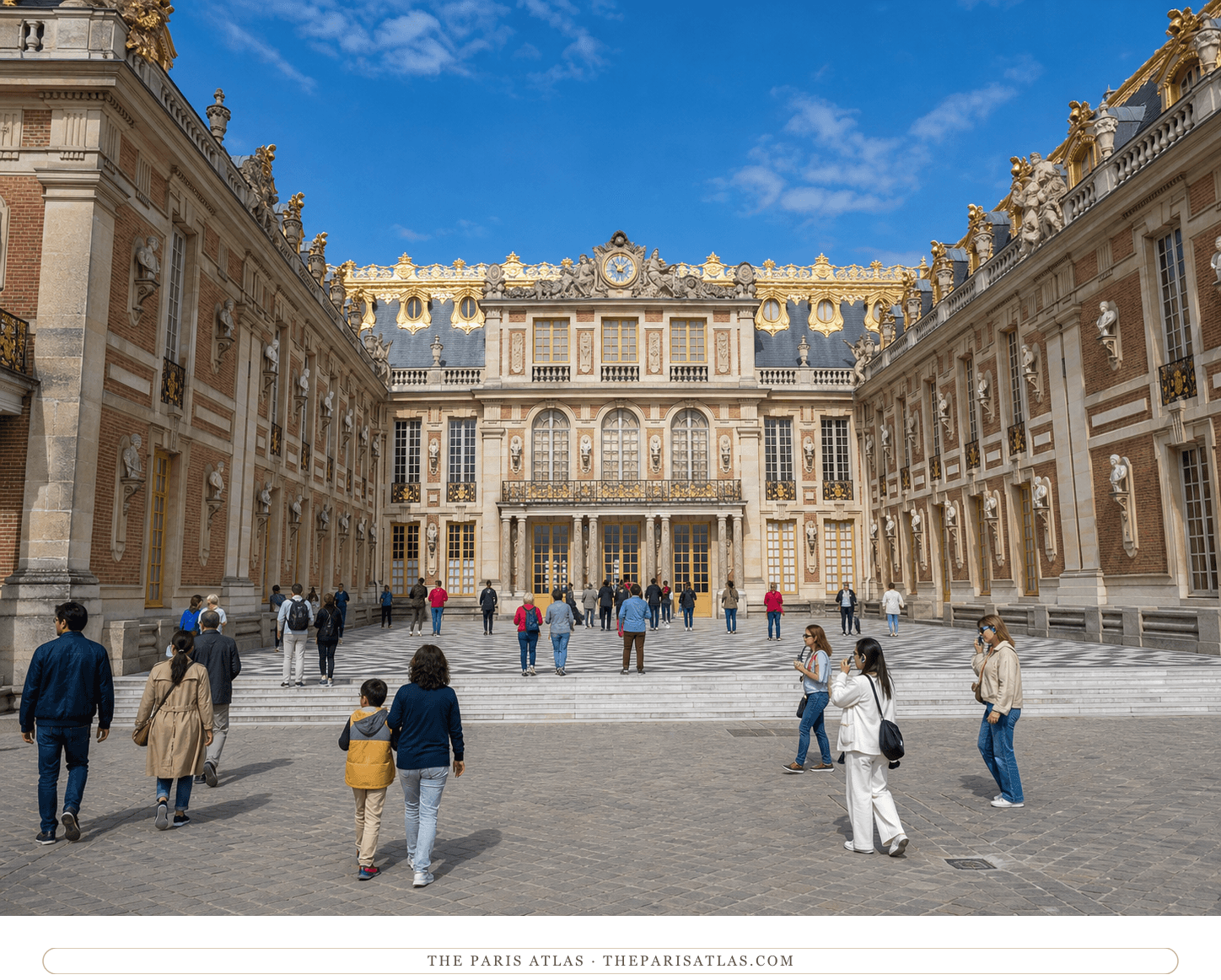
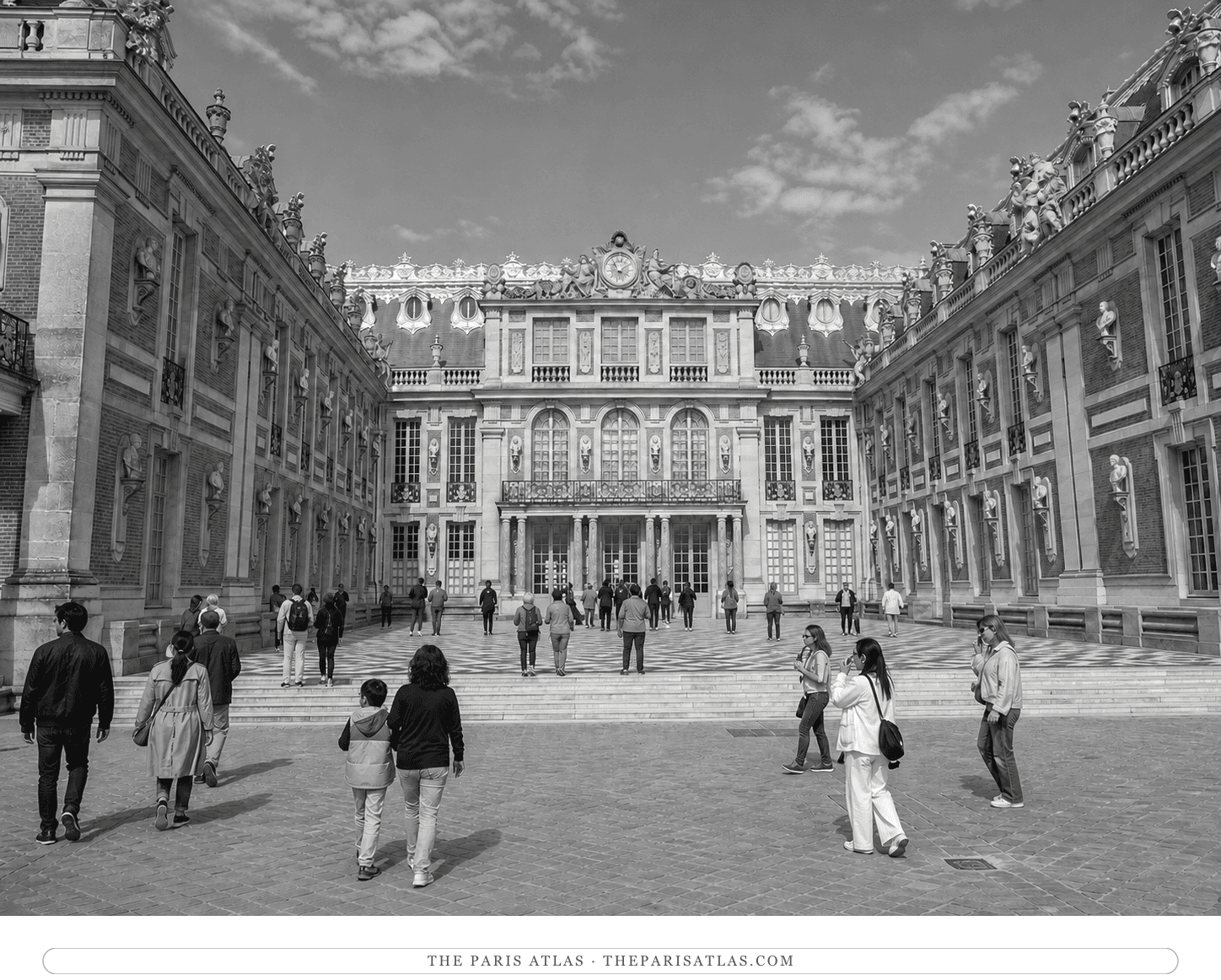
In January 1847 John Forster came over from London for a fortnight, and the two of them went at the city with what Forster called a dreadful insatiability. They saw prisons, palaces, hospitals and theatres; the Louvre, the royal palace turned national art museum; the vast palaces of Versailles and Saint-Cloud outside the city; the Morgue, where the unclaimed dead were laid out for the public to identify; and the sites of the Revolution of 1789. At the Bibliothèque Royale, the French royal library, they were shown the metal type used by Johannes Gutenberg, who printed the first European books with movable type in the 1450s, and a volume of the Greek tragedian Sophocles annotated in the hand of Jean Racine, France's greatest writer of tragedy. They supped with Alexandre Dumas, whose new theatre was then being built, and with Eugène Sue, the best-selling author of The Mysteries of Paris, a sensational serial novel of the city's criminal underworld, and met the poet Théophile Gautier.
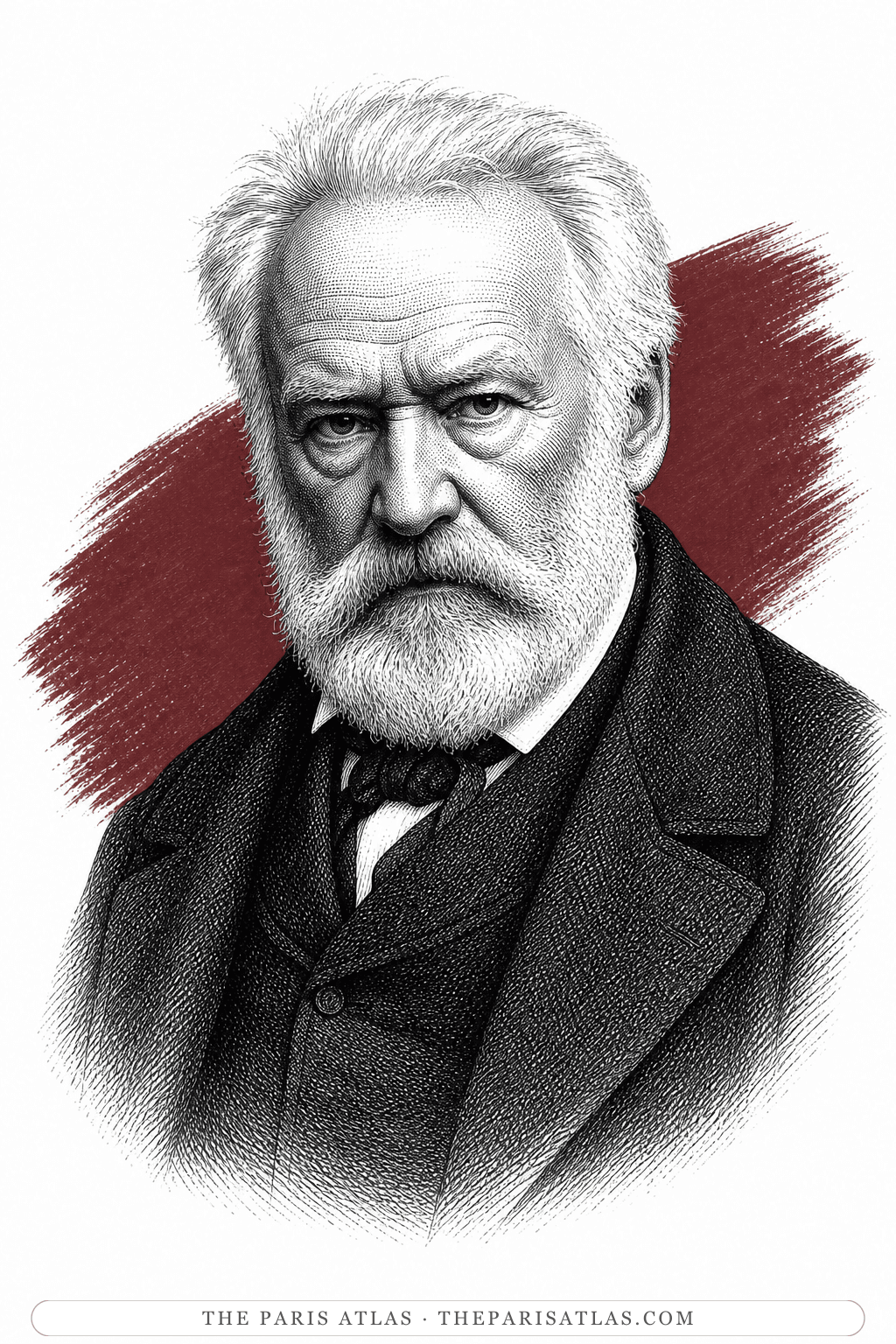
The evening that both men remembered was at the house of Victor Hugo, who at forty-four was France's dominant poet, novelist and playwright — the author of Notre-Dame de Paris, known in English as The Hunchback of Notre-Dame — and had recently been made a peer of the realm by Louis-Philippe, then king of the French. Hugo occupied a floor of a corner house on the Place Royale, the square in the Marais district now called the Place des Vosges. Forster described tapestries, painted ceilings, old gold furniture and a medieval canopy of state, and then wrote that Hugo himself was the best thing they saw. Hugo talked about his childhood in Spain, praised English writing, laughed at the actors who had wrecked one of his tragedies, and paid Dickens compliments that Forster judged to be in the best possible taste. Dickens, he recorded, long remembered the enjoyment of that evening.
The residence ended badly and early. Dickens had written one monthly instalment of Dombey and Son two pages short of the length the printers needed, and had to cross to London to supply them. Shortly after he returned to Paris, word came that his eldest son had fallen ill with scarlet fever in England. The family went back in February 1847, and the Paris household was broken up.



 View source