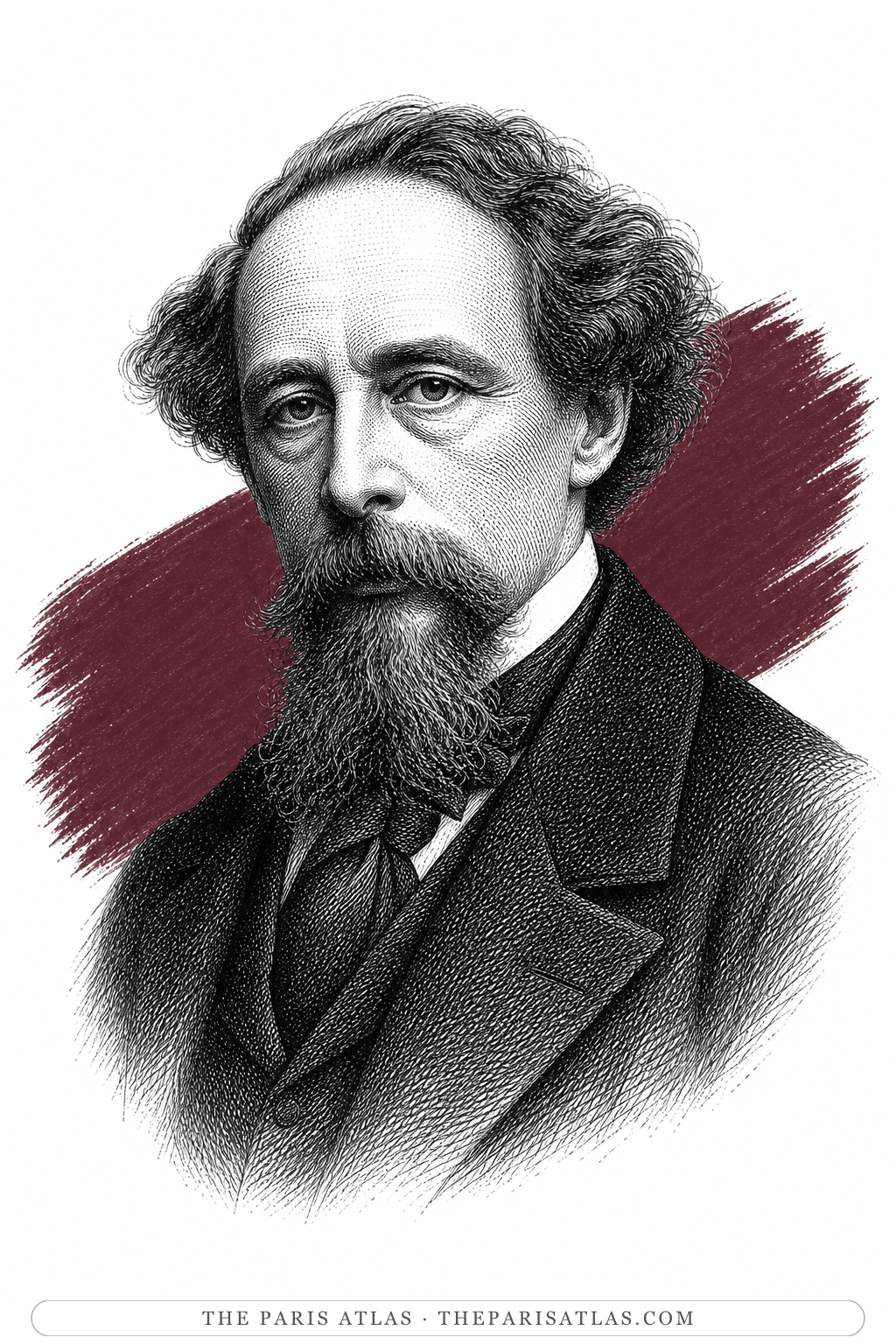

A Christmas Carol
Dickens also follows a person learning to judge wealth and obligation differently, within a much shorter Christmas story.
Read our take
An unexpected fortune gives Pip the life he wants and makes him misjudge the people who care for him.
Charles Dickens's novel follows Pip from the Kent marshes to a gentleman's life in London. An encounter with an escaped convict and visits to Miss Havisham's decaying house shape his desires before an anonymous benefactor offers him money. Looking back, Pip describes how ambition and his love for Estella taught him to be ashamed of home. The novel was serialized in 1860–61 and published as a three-volume book in 1861.
Pip begins by reading a world he cannot yet understand. He imagines his dead parents from the lettering on their graves, then faces a stranger whose threats turn food and a file into urgent necessities. Later, Estella's contempt gives him another frightening set of instructions: his hands, boots and manners are suddenly wrong.
Miss Havisham's house preserves a wedding that never happened. Her dress, clocks and rooms make disappointment visible, while her treatment of children allows that disappointment to shape other lives. Pip mistakes the attention he receives there for evidence that a desirable future has already been arranged.
The adult narrator can recognize errors that his younger self defends. His embarrassment about Joe, the blacksmith who cares for him, gives the comedy a painful edge. Money changes what Pip can buy much faster than it changes what he understands about affection and obligation.
The lawyer Jaggers announces Pip's expectations but withholds the donor's identity. Pip assumes Miss Havisham intends him for Estella and goes to London to become a gentleman. His friend Herbert Pocket offers practical kindness while Pip is embarrassed when Joe visits.
The benefactor proves to be Abel Magwitch, the convict Pip fed as a child. Magwitch has made money in Australia and returned illegally to see the gentleman he has financed. Pip's first horror gradually gives way to concern for the vulnerable man whose life is now in danger.
Magwitch is captured and condemned, but dies in prison before execution. Pip stays beside him and tells him that his daughter, Estella, is alive. Pip loses the fortune, becomes ill and is nursed by Joe, who also pays his debts. Work abroad with Herbert gives him a more modest living.
Years later, Pip meets the widowed Estella at the ruins of Satis House. She asks for friendship, and he sees a possibility of no further separation. This revised ending leaves their future open; it does not explicitly narrate a marriage. Dickens's earlier ending is included in the selected edition's appendices.
Pip's expectations depend on an inference nobody has promised to confirm: he believes Miss Havisham is financing his rise and preparing him to marry Estella. Her behavior encourages that belief, but his desire supplies the connections. The mystery works because a story that flatters him seems more persuasive than the gaps in its evidence.
Magwitch's arrival makes Pip reinterpret the same money and education. What appeared to be an invitation from an elegant, secluded household comes from a transported convict's labor and attachment. The revelation changes the meaning of earlier scenes without changing what actually happened in them.
Estella's contempt teaches Pip to feel ashamed of his hands, boots and home. In London, that shame extends to Joe, whose awkward clothes and speech embarrass him. Joe's visit exposes how quickly Pip has adopted a scale of value that makes affection subordinate to appearances.
Magwitch's account of his trial gives this prejudice institutional force. Compeyson's gentlemanly presentation helps distinguish his treatment from that of his rougher accomplice. The novel places Pip's private snobbery beside a legal system susceptible to the same signs, making the desire to look respectable more consequential than a personal vanity.
Magwitch imagines Pip's success as an answer to the people who have despised him. Miss Havisham raises Estella to inflict the injuries she herself received. Their projects differ in motive and harm, but both make a young person's life carry an older person's unfinished struggle.
Pip begins to act more independently when he supports Herbert without claiming the credit and helps Magwitch after the expected fortune has become impossible. Assistance no longer depends entirely on owning the recipient's future. These acts give practical form to a change that remorse alone could not establish.
The narrator can criticize the boy and young man he once was without pretending that his earlier feelings were simple. He remembers affection for Joe alongside embarrassment, and horror at Magwitch alongside the beginnings of pity. Retrospection lets contradictory responses remain in the account.
Joe's nursing and payment of Pip's debts make his failure of judgment unmistakable. The final meeting with Estella offers a quieter relation after both have suffered, but the revised ending does not describe a wedding. Its hope leaves room for uncertainty, unlike the elaborate future Pip once treated as his entitlement.
Chapters VIII, XVIII, XXVII, XXXIX, XLII, XLIV, XLIX and LVI–LIX; the final chapter is the revised ending.
I am what you have made me.
suffering has been stronger than all other teaching
The source of Pip's money forces him to reconsider the connection he has made between social standing and goodness.
Satis House turns memory into dress, architecture and daily routine. Its atmosphere makes Miss Havisham's influence on the children tangible.
Pip's older voice understands more than the boy or young man he describes. That distance lets affection, vanity and self-criticism coexist in a sentence.
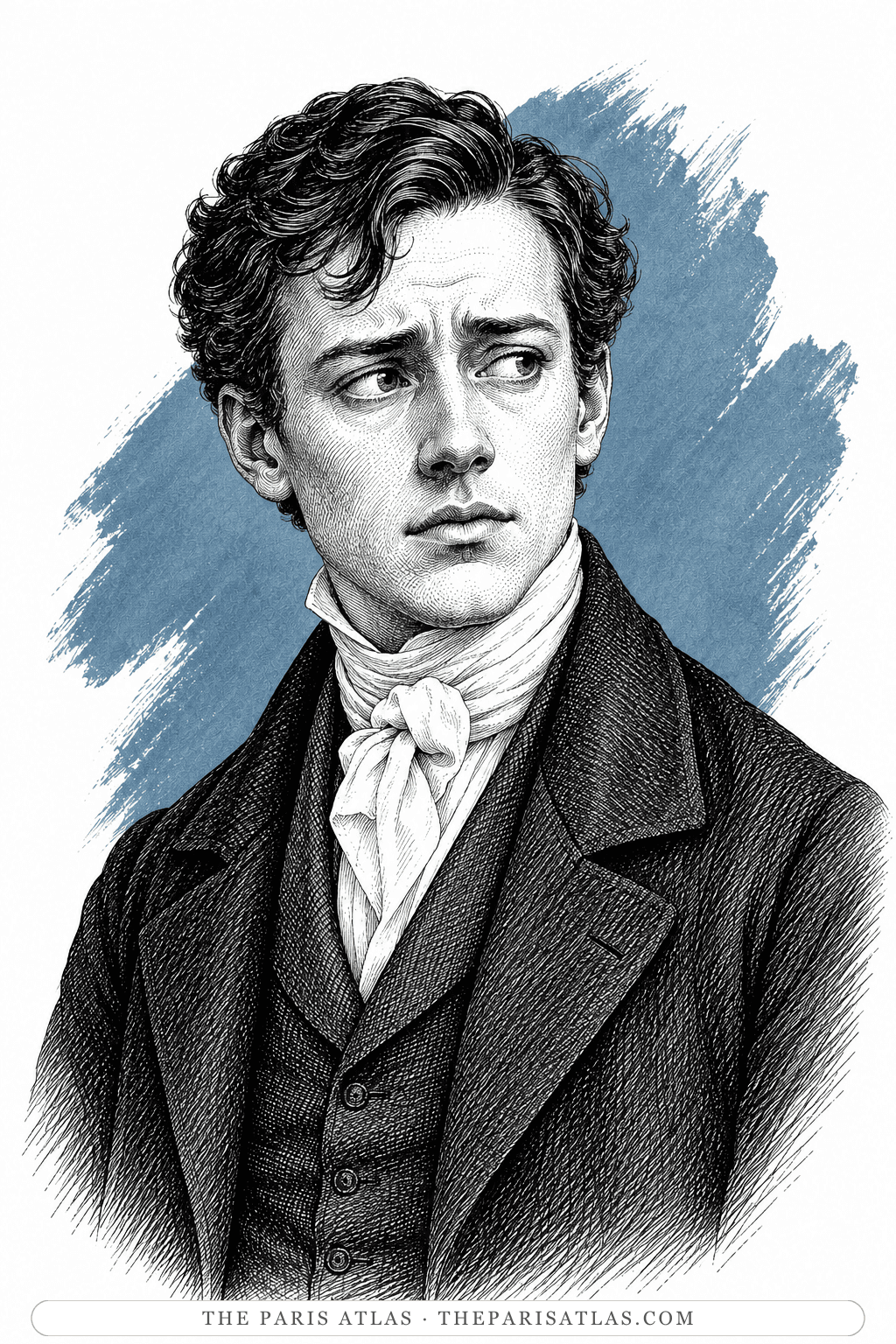
The narrator, Philip Pirrip, whose expectations of gentility lead him to misunderstand both money and love.
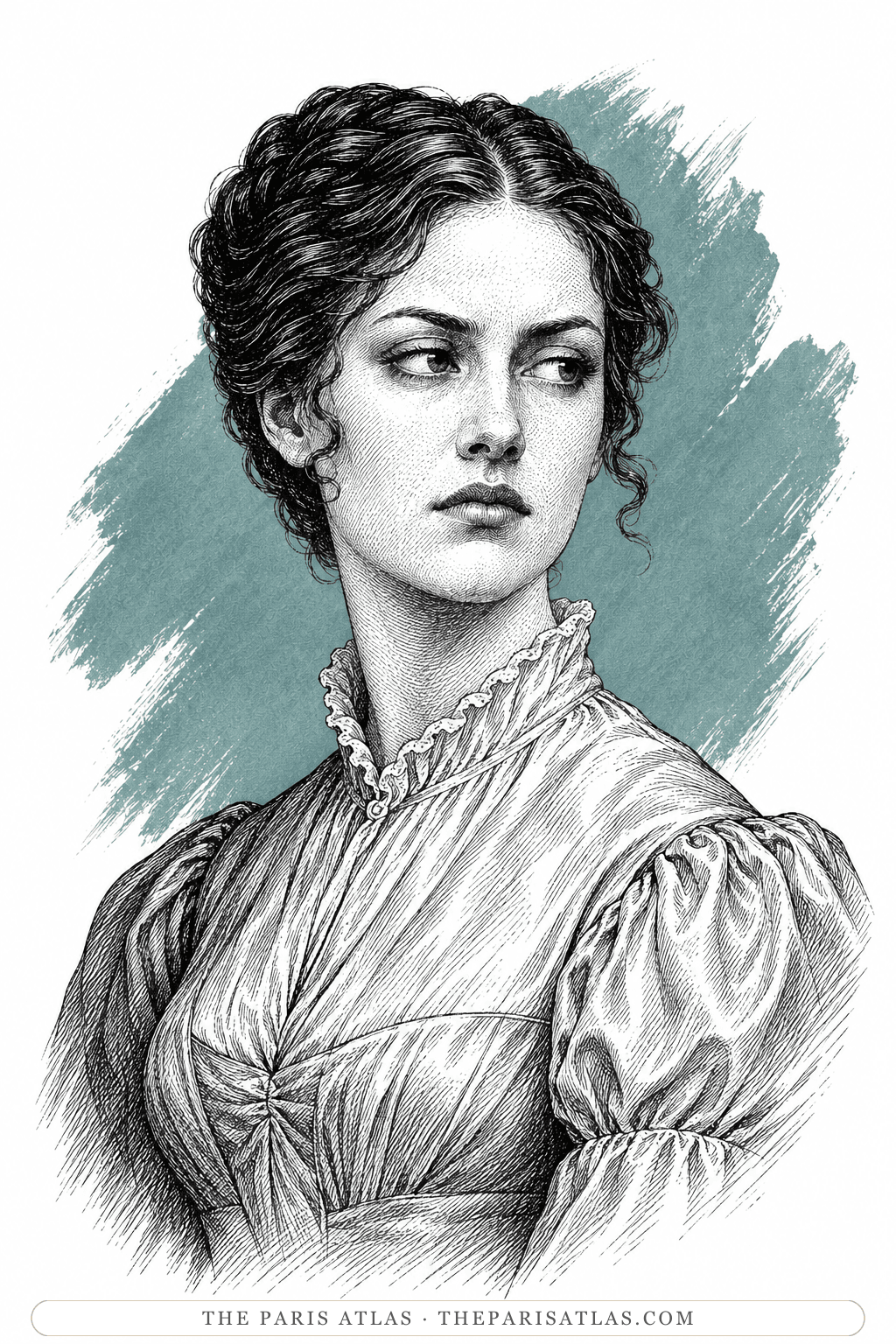
Miss Havisham's adopted daughter, trained to attract love while distrusting the feelings it asks of her.
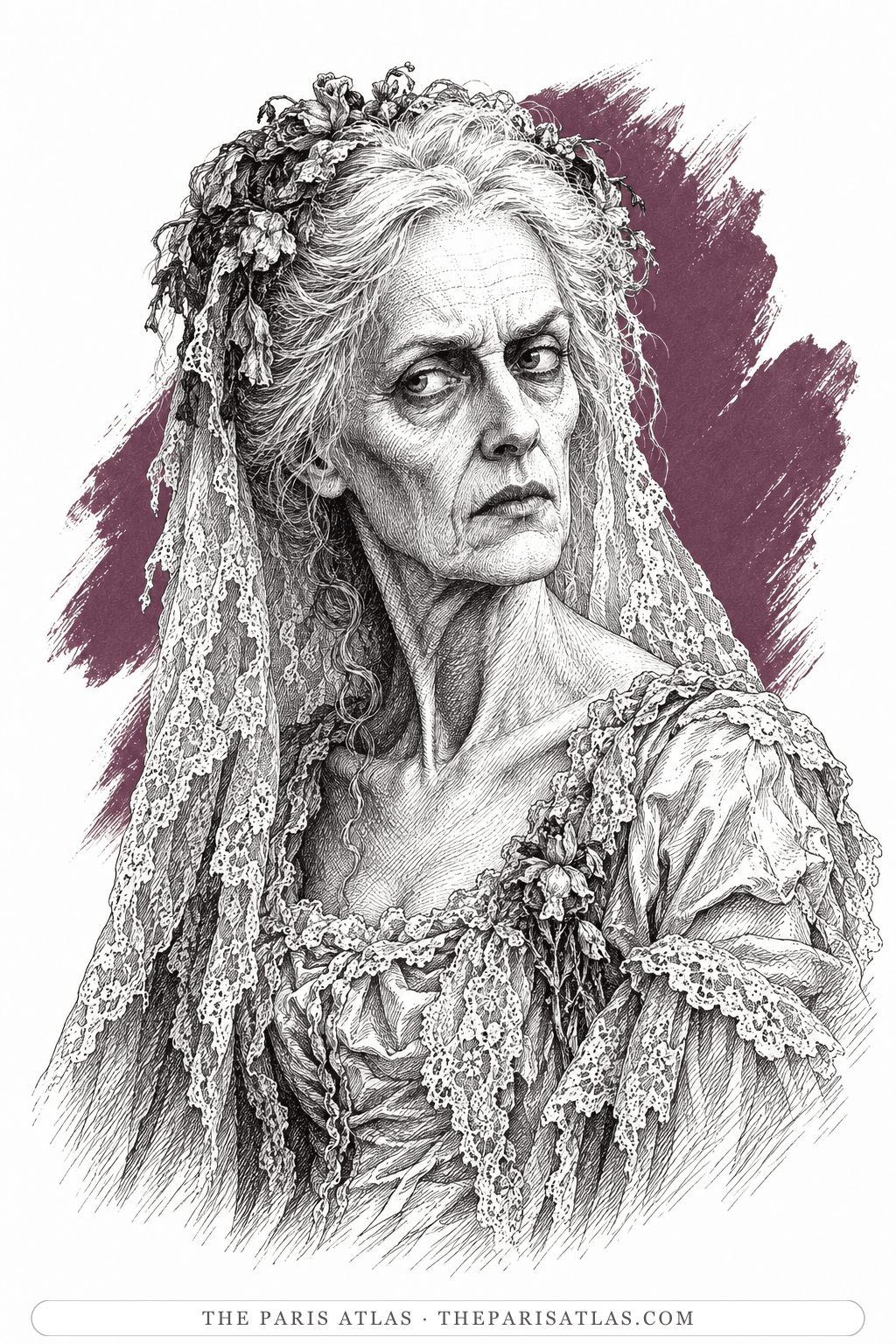
A wealthy woman whose abandoned wedding becomes the setting for an education in revenge.
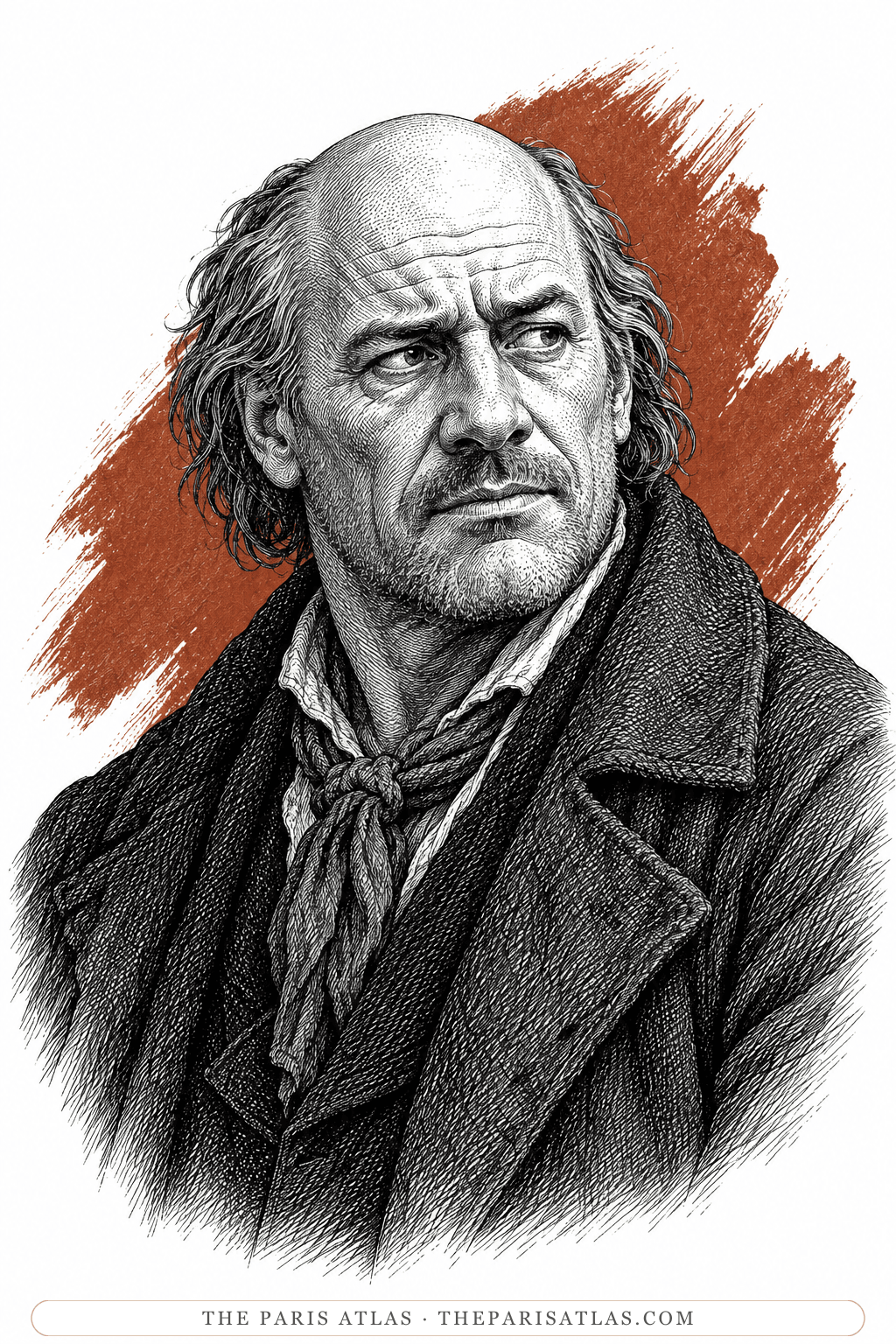
The transported convict who turns a child's gift of food into a lifelong ambition to make him a gentleman.
December 1, 1860
The serial begins in All the Year Round; it runs until August 3, 1861.
July 6, 1861
Chapman and Hall publishes the first book edition in three volumes.
October 4, 1861
Dickens writes to Robert Lytton about changing the ending after advice from Robert's father, Edward Bulwer Lytton.
2002
Penguin Classics publishes the selected 544-page US paperback with Charlotte Mitchell's notes and David Trotter's introduction.

Dickens also follows a person learning to judge wealth and obligation differently, within a much shorter Christmas story.
Read our take
Dickens again connects a private family history to imprisonment, unequal power and a difficult act of care.
Read our take
Twain's boyhood novel offers a different comic perspective on performance, shame and the judgments of adults.
Read our takePip receives an anonymous fortune and hopes it will make him a gentleman worthy of Estella. Learning who supplied the money forces him to reconsider class, gratitude and his treatment of the people who raised him.
The serial began on December 1, 1860 and ended on August 3, 1861. The first three-volume book appeared on July 6, 1861, so both years occur in accurate accounts of its publication.
Abel Magwitch, the convict he helps as a child, supplies the money. Pip's belief that Miss Havisham is his benefactor is a mistaken inference that she allows to continue.
In Chapter XLIV, Estella explicitly says marrying Drummle is her own decision. Miss Havisham wanted her to wait. Estella's upbringing helps explain the choice without making it an arranged marriage.
The revised ending does not explicitly say so. They meet again, speak of friendship and leave together, while Pip imagines no further parting. Dickens's earlier ending gives a different meeting and is included in the selected edition's appendices.
ISBN 9780141439563 and 544 pages identify the Penguin Classics US paperback issued December 31, 2002. Charlotte Mitchell edited and annotated it; David Trotter wrote the introduction.
Explore authors with a similar voice, perspective, and influence.
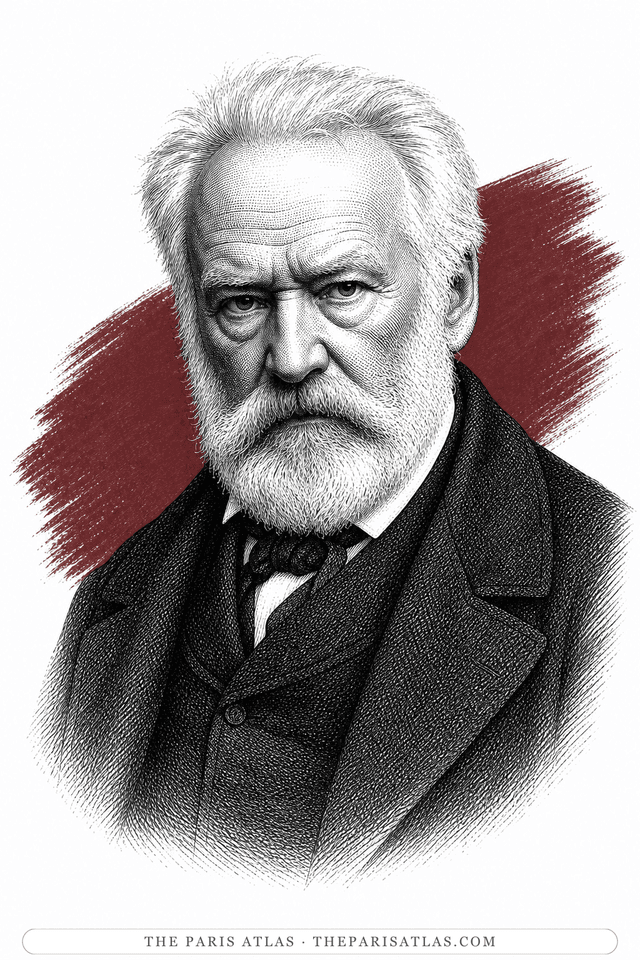
Poet, novelist and playwright who spent sixteen years in an apartment on the Place des Vosges that is now his museum, wrote a novel about Notre-Dame that shamed France into repairing the cathedral, spent nineteen years in exile for opposing the emperor Napoleon III, and was buried in the Panthéon — the Paris monument where France buries its most honoured dead — in 1885 after a funeral that brought roughly two million people into the streets of Paris.
View author
The Missouri newspaperman who became America's most famous writer, and whose first book made its reputation partly out of Paris: in 1867 he arrived with a shipload of American tourists, renamed his guide Ferguson, watched the high-kicking can-can through his fingers and wrote it all down. He kept coming back — and was living in Paris in the mid-1890s, broke, while finishing the novel he considered his best, Personal Recollections of Joan of Arc.
View author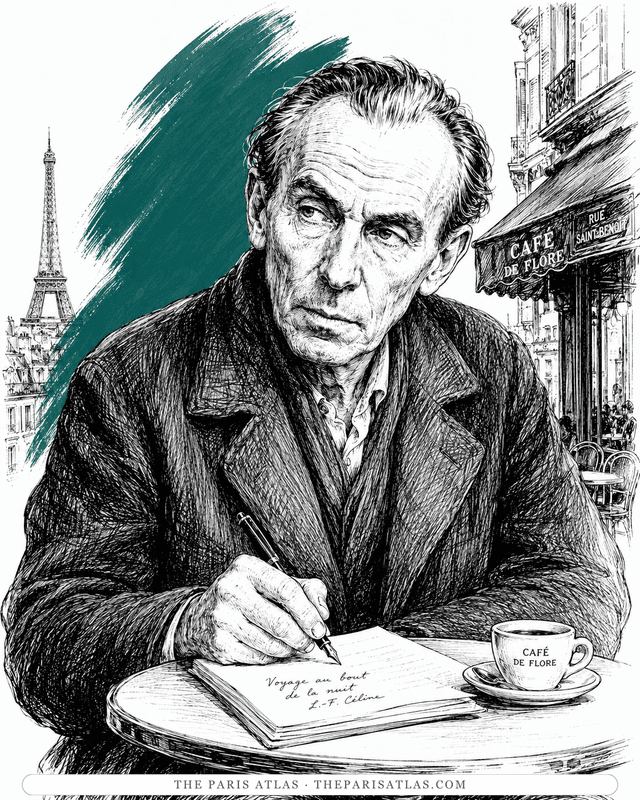
The doctor of the Paris slums who wrote the century's blackest, funniest novel — and changed the sound of French prose.
View authorThe sources below include the primary text, editions, scholarship, archival materials, and other records that informed this page. They document Great Expectations, its publication, and its place in literary history.


The primary text represented by this page, used for descriptions of the work’s contents and for any quoted passages shown here.
Primary text for the selected scenes, character readings and quotations. Chapter references do not imply the selected edition's pagination.
Exact serial and three-volume book publication dates.
Digitized 1861 first-volume catalogue and title page, confirming Chapman and Hall and the three-volume issue.
Selected ISBN, publication date, extent, editorial credits and inclusion of the earlier ending.
Dickens's own account of Edward Bulwer Lytton's advice about the conclusion.
The primary text is the baseline reference for every book page. Additional references document publication history, interpretation, and historical context where that evidence is available.
 Explore more resources