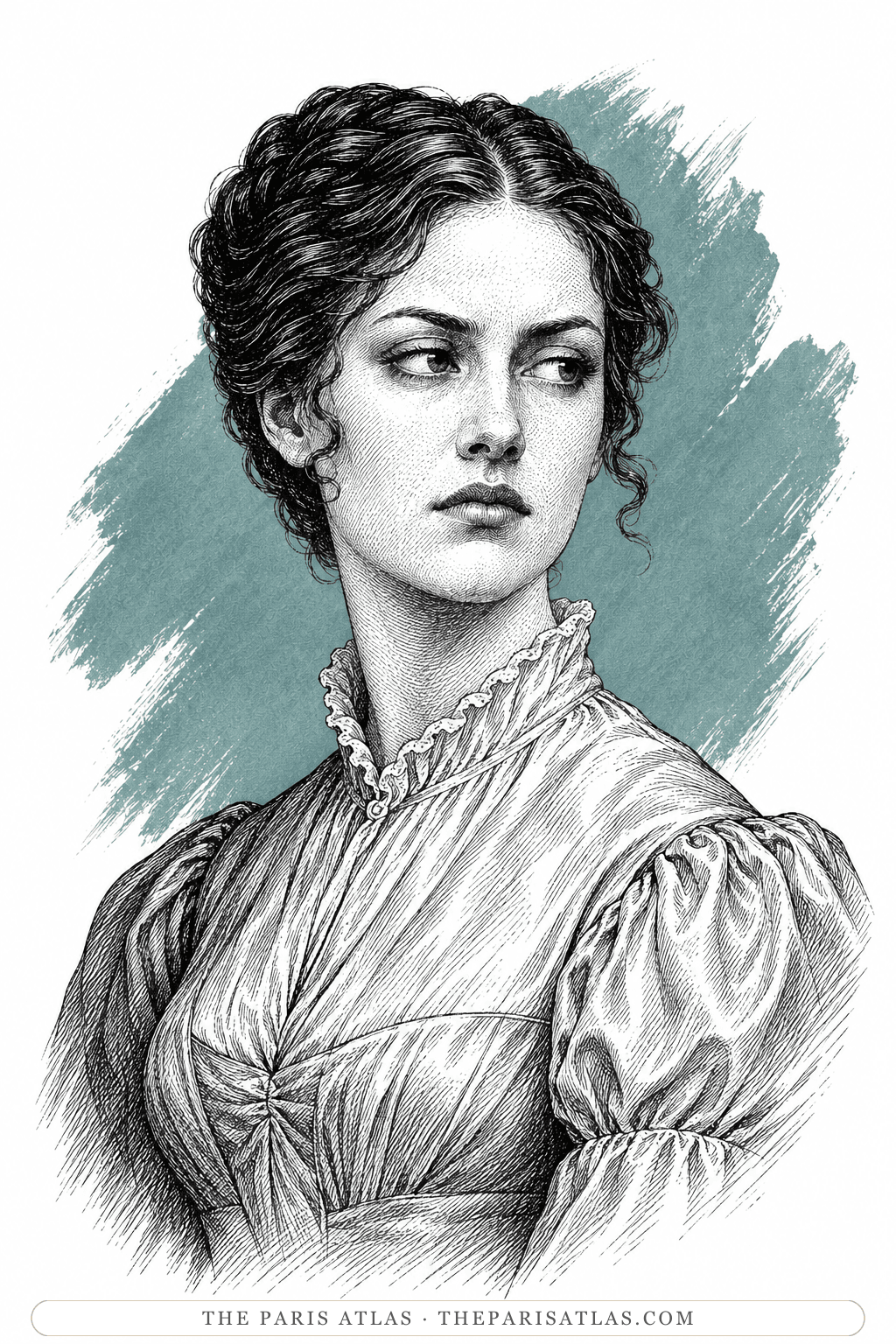
Estella
Miss Havisham's adopted daughter, trained to attract love while distrusting the feelings it asks of her.
She wants control over her life and freedom from emotional demands she has been taught neither to trust nor to satisfy.
The book

Who they are in the book
Spoiler-freeEstella is both the object of Pip's hopes and a person who repeatedly explains their limits. Her frank warnings deserve attention alongside the cruelty she has learned.
How Estella Is Portrayed
- Teaching contempt at the card tableIn Chapter VIII, she treats Pip's vocabulary, hands and boots as evidence of inferiority. A child's game becomes an instruction in class, with Miss Havisham watching the injury take effect.
- Warning the person she might deceiveIn Chapter XXXVIII, Estella distinguishes Pip from other admirers by telling him not to expect love. His refusal to accept that warning is part of the tragedy, not proof that she secretly promises him happiness.
- Answering her upbringingIn Chapter XXXVIII, she responds to Miss Havisham's demand for affection by describing what she was taught. Her composure turns the older woman's training back upon its author.
- Claiming an unwelcome choiceIn Chapter XLIV, she says the decision to marry Drummle is her own; Miss Havisham would have preferred delay. The choice is damaging, but reducing it to an arranged marriage would erase her stated agency.
- Keeping one piece of the pastIn Chapter LIX, Estella says she retained the Satis House ground through her unhappy marriage. The property carries an attachment that her outward rejection of feeling has not removed.
- Asking for friendshipIn Chapter LIX, she acknowledges Pip's continuing kindness and asks that they remain friends. The scene changes their relation without supplying a definite marriage or making her suffering a simple reward for him.
If you like Great Expectations


If you like Charles Dickens
Explore authors with a similar voice, perspective, and influence.
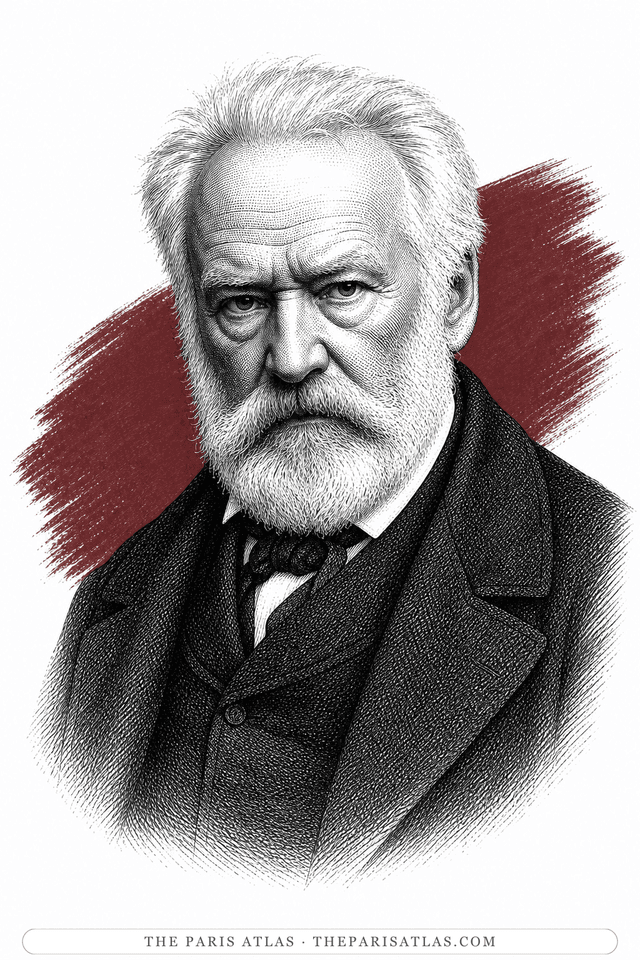
Victor Hugo
Poet, novelist and playwright who spent sixteen years in an apartment on the Place des Vosges that is now his museum, wrote a novel about Notre-Dame that shamed France into repairing the cathedral, spent nineteen years in exile for opposing the emperor Napoleon III, and was buried in the Panthéon — the Paris monument where France buries its most honoured dead — in 1885 after a funeral that brought roughly two million people into the streets of Paris.
View author
Mark Twain
The Missouri newspaperman who became America's most famous writer, and whose first book made its reputation partly out of Paris: in 1867 he arrived with a shipload of American tourists, renamed his guide Ferguson, watched the high-kicking can-can through his fingers and wrote it all down. He kept coming back — and was living in Paris in the mid-1890s, broke, while finishing the novel he considered his best, Personal Recollections of Joan of Arc.
View author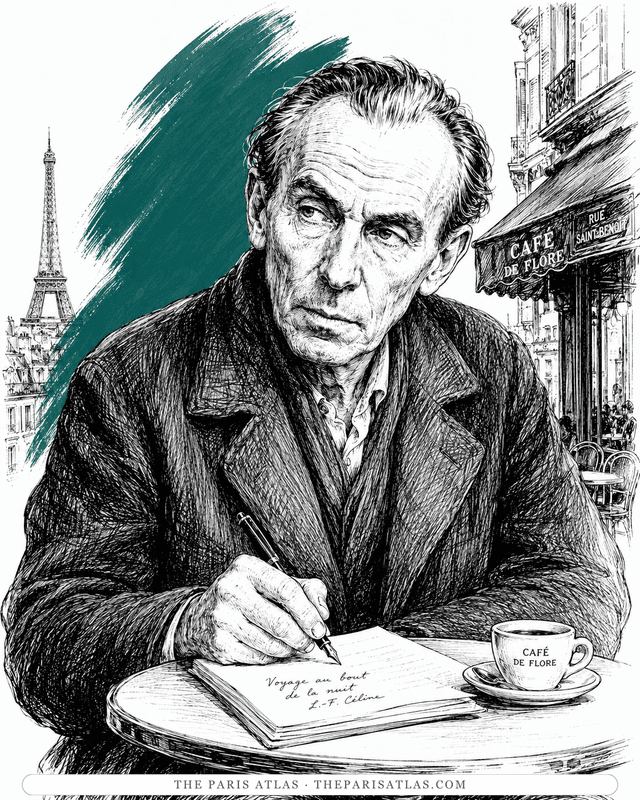
Louis-Ferdinand Céline
The doctor of the Paris slums who wrote the century's blackest, funniest novel — and changed the sound of French prose.
View author