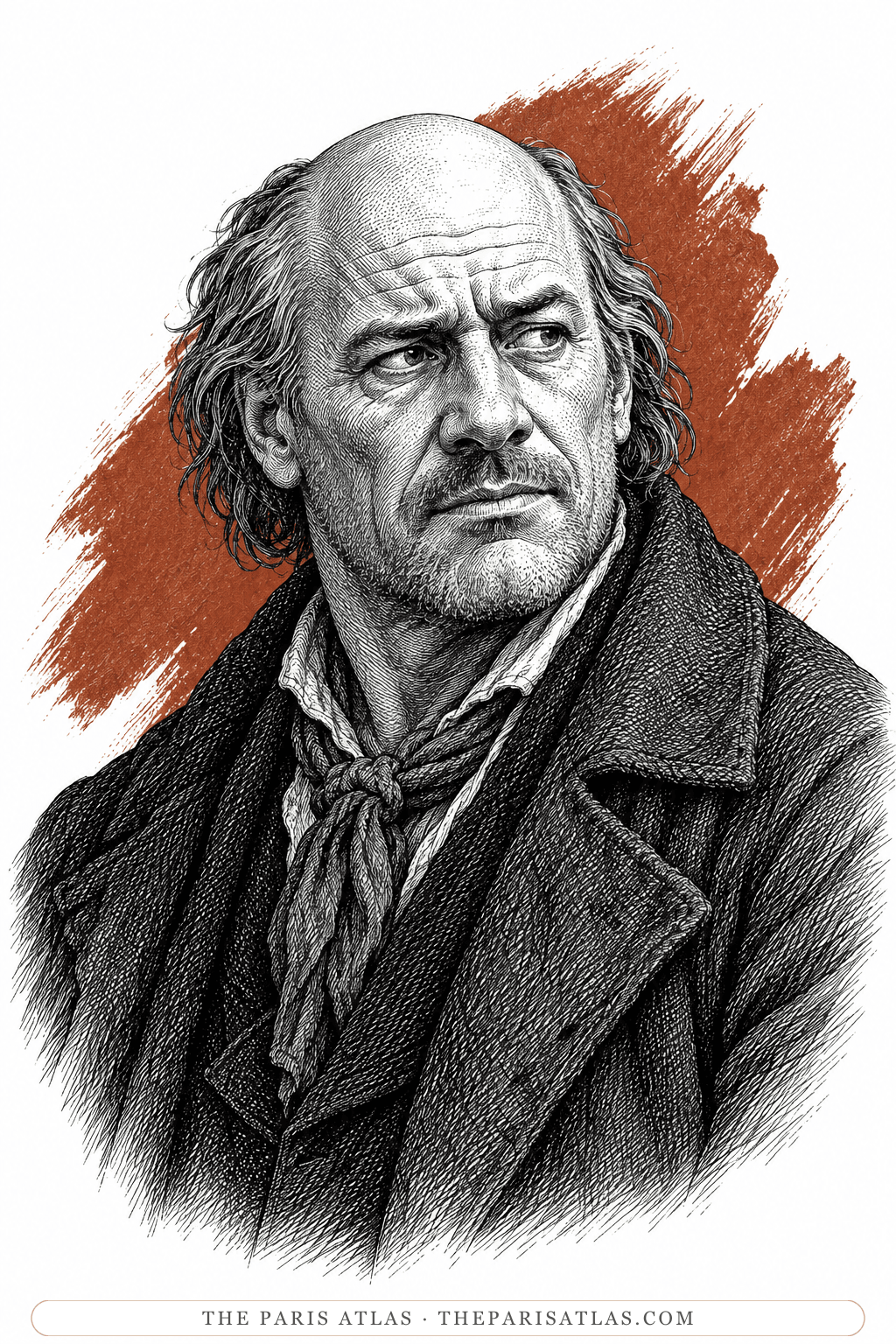
Abel Magwitch
The transported convict who turns a child's gift of food into a lifelong ambition to make him a gentleman.
He wants to repay Pip and prove that his labor can produce a gentleman whom respectable society must acknowledge.
The book

Who they are in the book
Spoiler-freeMagwitch combines violence, gratitude and possessive pride. His story exposes unequal justice without pretending that suffering has made all his actions innocent.
How Abel Magwitch Is Portrayed
- Fear used to obtain foodIn Chapter I, the starving fugitive threatens Pip and invents a still more frightening accomplice. Dickens introduces his desperate need through an act that terrifies a child.
- Taking the blameIn Chapter V, the captured man claims he stole the food from the blacksmith's house. He protects Pip without advertising the boy's kindness, beginning a bond neither of them can yet measure.
- A gentleman as personal achievementIn Chapter XXXIX, he proudly announces that his earnings created Pip's position. Gratitude has become a project of authorship: he wants the gentleman to demonstrate what an excluded man can make.
- Returning despite the sentenceIn Chapter XXXIX, he explains the mortal danger of coming back after transportation for life. His need to see Pip overrides the practical security his money could otherwise buy.
- Comparing two defendantsIn Chapter XLII, he recalls Compeyson's education and respectable appearance helping him receive the lighter sentence. His account makes class visible inside a proceeding that claims to judge conduct.
- Hearing of a living daughterIn Chapter LVI, Pip tells the dying Magwitch that his daughter lives and is loved. Magwitch kisses Pip's hand; the final exchange offers human connection after the public triumph he imagined has collapsed.
If you like Great Expectations


If you like Charles Dickens
Explore authors with a similar voice, perspective, and influence.
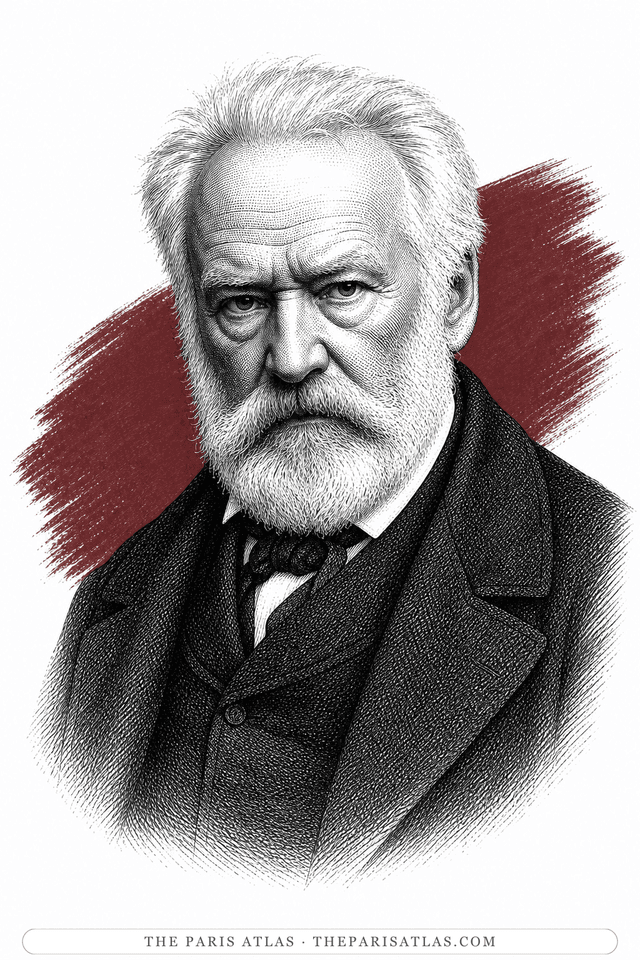
Victor Hugo
Poet, novelist and playwright who spent sixteen years in an apartment on the Place des Vosges that is now his museum, wrote a novel about Notre-Dame that shamed France into repairing the cathedral, spent nineteen years in exile for opposing the emperor Napoleon III, and was buried in the Panthéon — the Paris monument where France buries its most honoured dead — in 1885 after a funeral that brought roughly two million people into the streets of Paris.
View author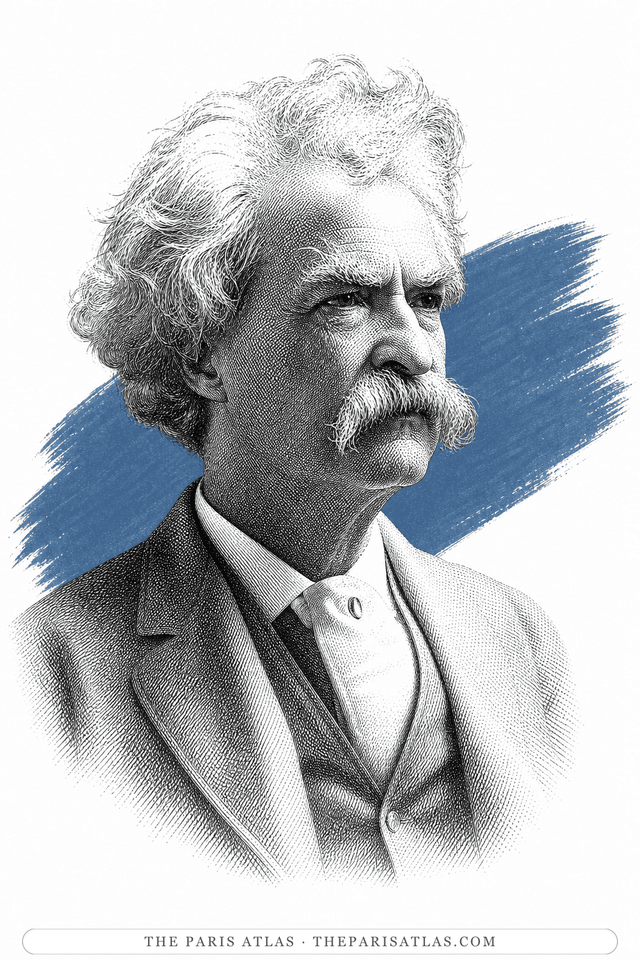
Mark Twain
The Missouri newspaperman who became America's most famous writer, and whose first book made its reputation partly out of Paris: in 1867 he arrived with a shipload of American tourists, renamed his guide Ferguson, watched the high-kicking can-can through his fingers and wrote it all down. He kept coming back — and was living in Paris in the mid-1890s, broke, while finishing the novel he considered his best, Personal Recollections of Joan of Arc.
View author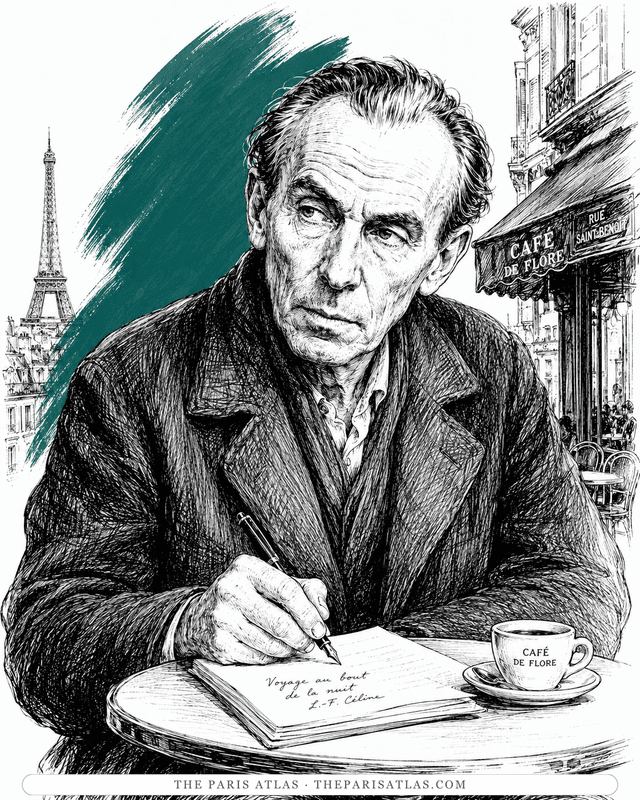
Louis-Ferdinand Céline
The doctor of the Paris slums who wrote the century's blackest, funniest novel — and changed the sound of French prose.
View author