
A Christmas Carol
The Christmas novella approaches responsibility toward others through an intimate ghost story instead of a historical revolution.
Read our take
A family moves between London and revolutionary Paris, where an old crime threatens people who tried to escape its inheritance.
Published in 1859, Charles Dickens's historical novel begins in 1775 with Doctor Manette's release from the Bastille and his reunion with his daughter Lucie. Their life in England brings together Charles Darnay, a Frenchman rejecting his aristocratic family, and Sydney Carton, a disillusioned English lawyer who resembles him. As the Revolution transforms Paris, the family's private history becomes a matter of public accusation.
The two cities give Dickens parallel stages for questions of justice. An English treason trial depends on witnesses and the use lawyers make of them. Later French proceedings expose a different system in which a name, a crowd's appetite and an inherited grievance can decide a person's fate.
Lucie's care gives her father a way back into ordinary life after imprisonment. Yet the novel does not treat recovery as forgetting. Memories return through habits, documents and places, and the people who love him cannot simply command those memories to disappear.
The wine shop in Saint Antoine joins everyday business to organized revolt. Madame Defarge's knitting records names that its casual appearance conceals. Dickens connects revolutionary violence to longstanding oppression while asking what happens when punishment no longer distinguishes one person from a whole family.
Darnay survives an English treason trial with help from Carton's resemblance to him. He marries Lucie and earns a living teaching French. When the imprisoned Gabelle asks for help, Darnay returns to France, trusting that his rejection of aristocratic privilege will protect him.
Doctor Manette initially helps secure his acquittal, but a renewed prosecution produces a document the doctor wrote in the Bastille. It describes the Evrémonde brothers' destruction of a peasant family and denounces their descendants. Darnay, the son of one brother, is condemned despite his own repudiation of their conduct.
Carton arranges an escape for Lucie's family, enters Darnay's cell and exchanges clothes with him. He renders Darnay unconscious and has him carried out under his own identity, then remains to face execution. His promised willingness to act for Lucie becomes a carefully organized sacrifice.
Madame Defarge tries to extend the punishment to Lucie and her child. Miss Pross blocks her, and Madame's pistol discharges during their struggle, killing her and leaving Miss Pross deaf. Carton comforts a young seamstress on the way to the guillotine. The closing vision imagines a future in which his act is remembered; it is the narrator's conjecture about his thoughts, not a recorded final speech.
London initially appears to offer refuge from French arbitrary power, yet Darnay's English trial is also a public spectacle. Informers perform patriotism, the crowd anticipates a gruesome execution, and a resemblance between two men destabilizes supposedly certain identification. Justice depends on fallible witnesses and an audience eager for a verdict.
The later revolutionary trials intensify these pressures rather than inventing them. By making the two countries comparable, Dickens prevents England from serving as an entirely innocent observer of French violence. Different institutions can satisfy a similar desire to watch another person condemned.
Doctor Manette's prison manuscript preserves an account that aristocratic power tried to suppress. It records the suffering of the family destroyed by the Evrémonde brothers and explains why remembering that violence matters. Its recovery gives the dead a means of testifying.
Read at Darnay's trial, however, the manuscript also works against Manette's present wishes. His earlier denunciation reaches descendants who did not commit the acts he describes. The document remains evidence of a real wrong within the story, while its use shows how testimony can acquire a purpose its author can no longer control.
Darnay rejects the cruelty associated with his name and earns his living in England. His return to help Gabelle assumes that his intentions and individual conduct will distinguish him from his relatives. Revolutionary authorities instead read the inherited name as sufficient evidence of allegiance.
Madame Defarge's family history makes her demand for vengeance intelligible, but her determination to destroy Lucie and the child takes punishment beyond those responsible. The novel insists on the causes of revolutionary anger while exposing the injustice of making ancestry determine who must die.
Carton's final act depends on work: recognizing the spy, securing cooperation, arranging the escape and exchanging places with Darnay. The practical preparations matter because they turn an earlier promise to Lucie into something that can actually protect her family. His care for the frightened seamstress extends that attention beyond the people he knows.
The closing vision imagines future lives made possible by his death, but the narrator presents it as what Carton might have expressed. It is not a transcript of a speech at the scaffold. This imagined continuity gives the private rescue meaning without demonstrating that France's larger political injuries have been healed.
Book II, chapters III, IX, XIII and XXIV; Book III, chapters X–XV, including the explicitly hypothetical closing vision.
It was the best of times, it was the worst of times
It is a far, far better thing that I do, than I have ever done
The trials invite comparison between legal proof, public performance and collective appetite. An acquittal can be as precarious as a reputation.
Madame Defarge's knitting makes a domestic skill into a system of surveillance and memory. Its meaning changes as the names acquire consequences.
Carton's early legal work establishes the intelligence he later uses to arrange an escape. His final action grows out of capacities that others have overlooked or exploited.
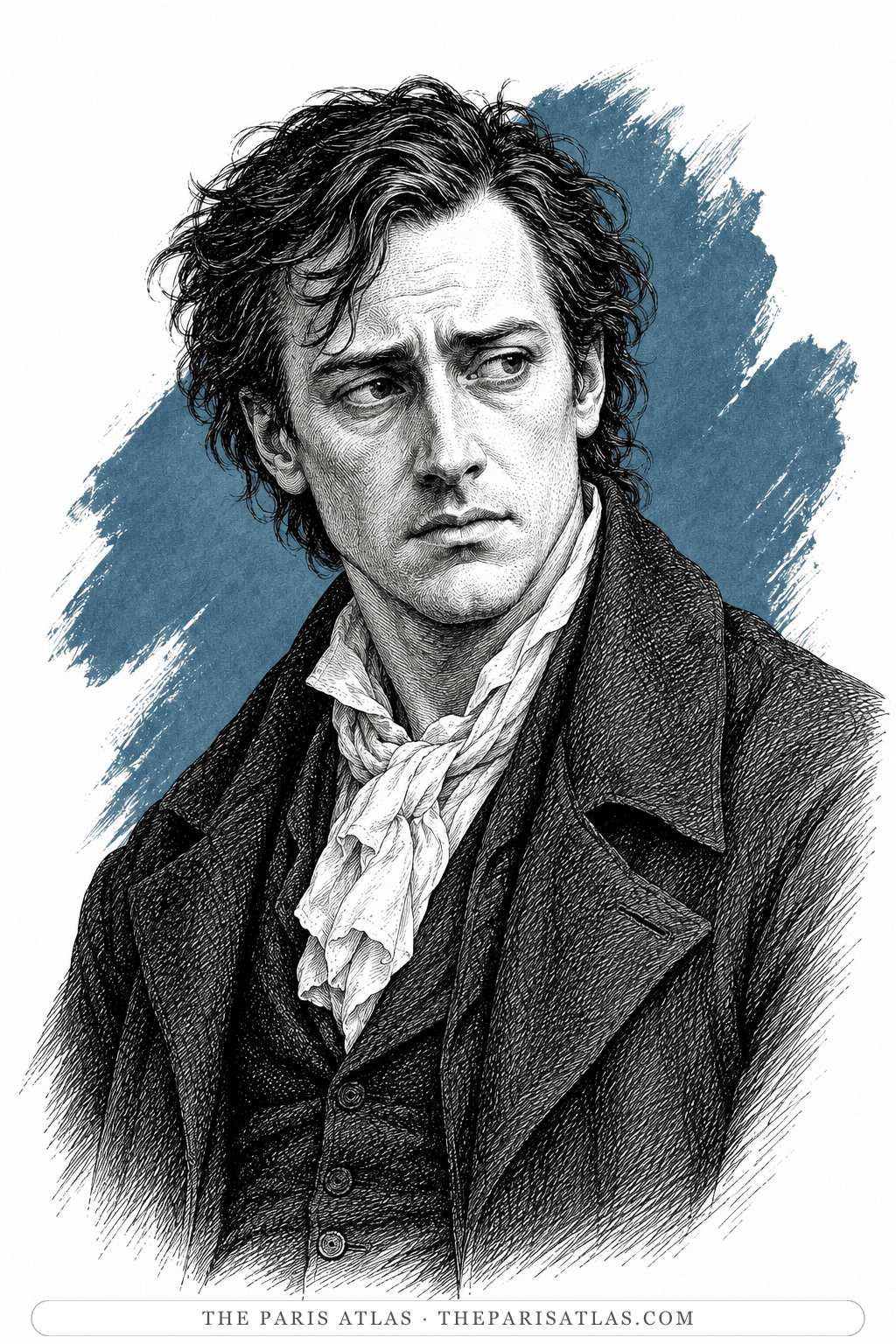
An able but self-neglecting English lawyer whose resemblance to Darnay makes a final exchange possible.
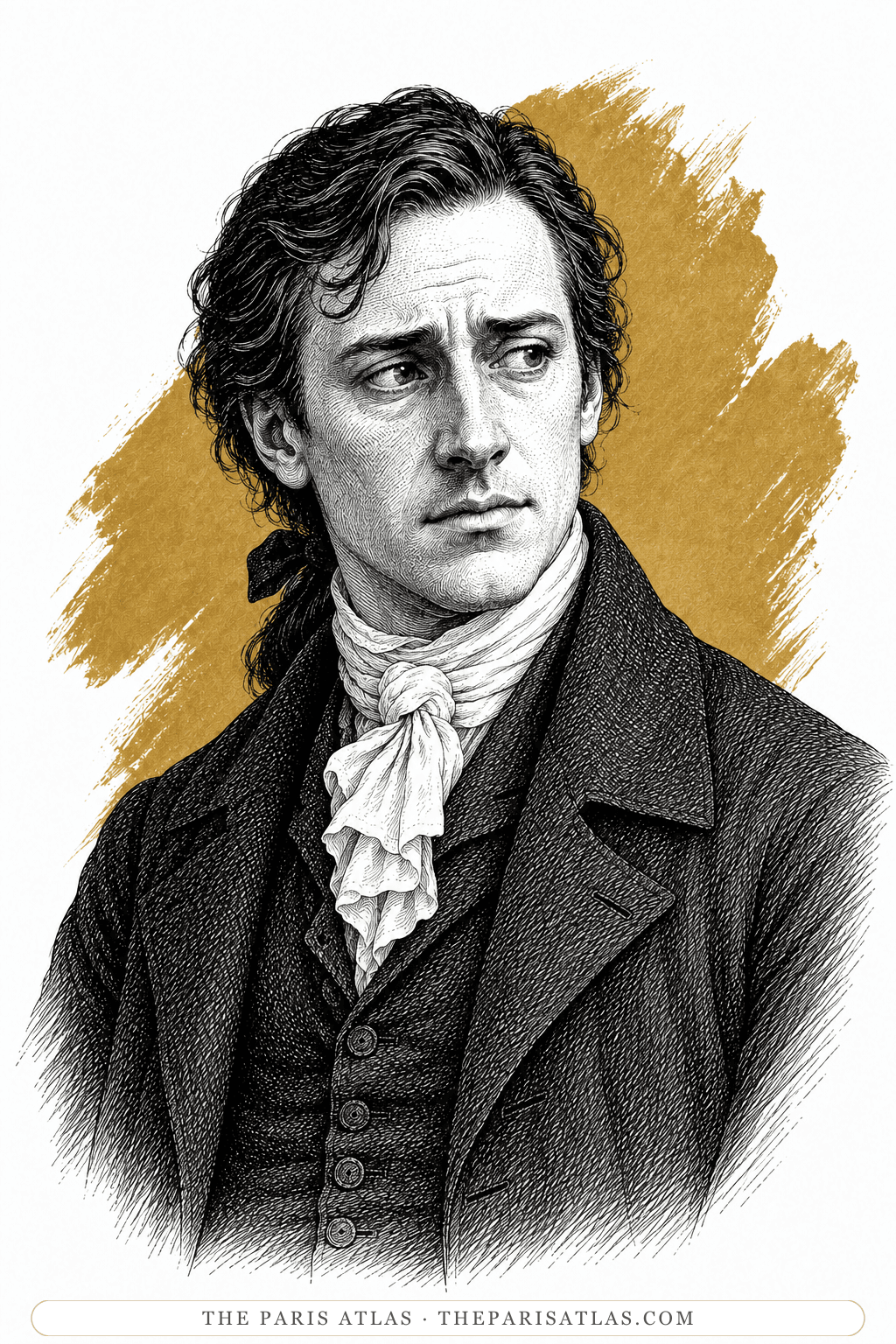
A French aristocrat by birth who rejects his family's rule over others but cannot make its history disappear.
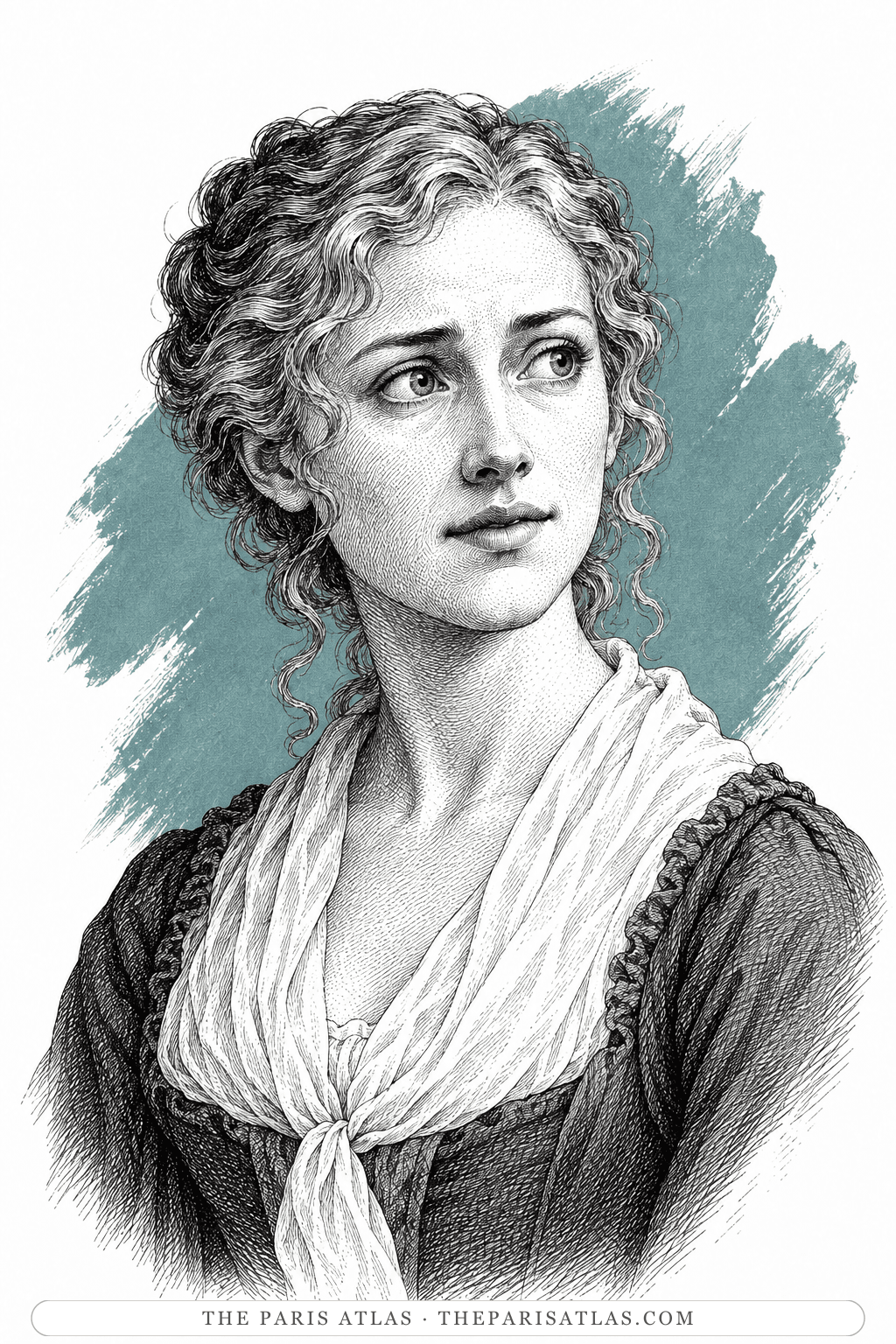
Doctor Manette's daughter, whose patient care holds together a family repeatedly threatened by imprisonment.
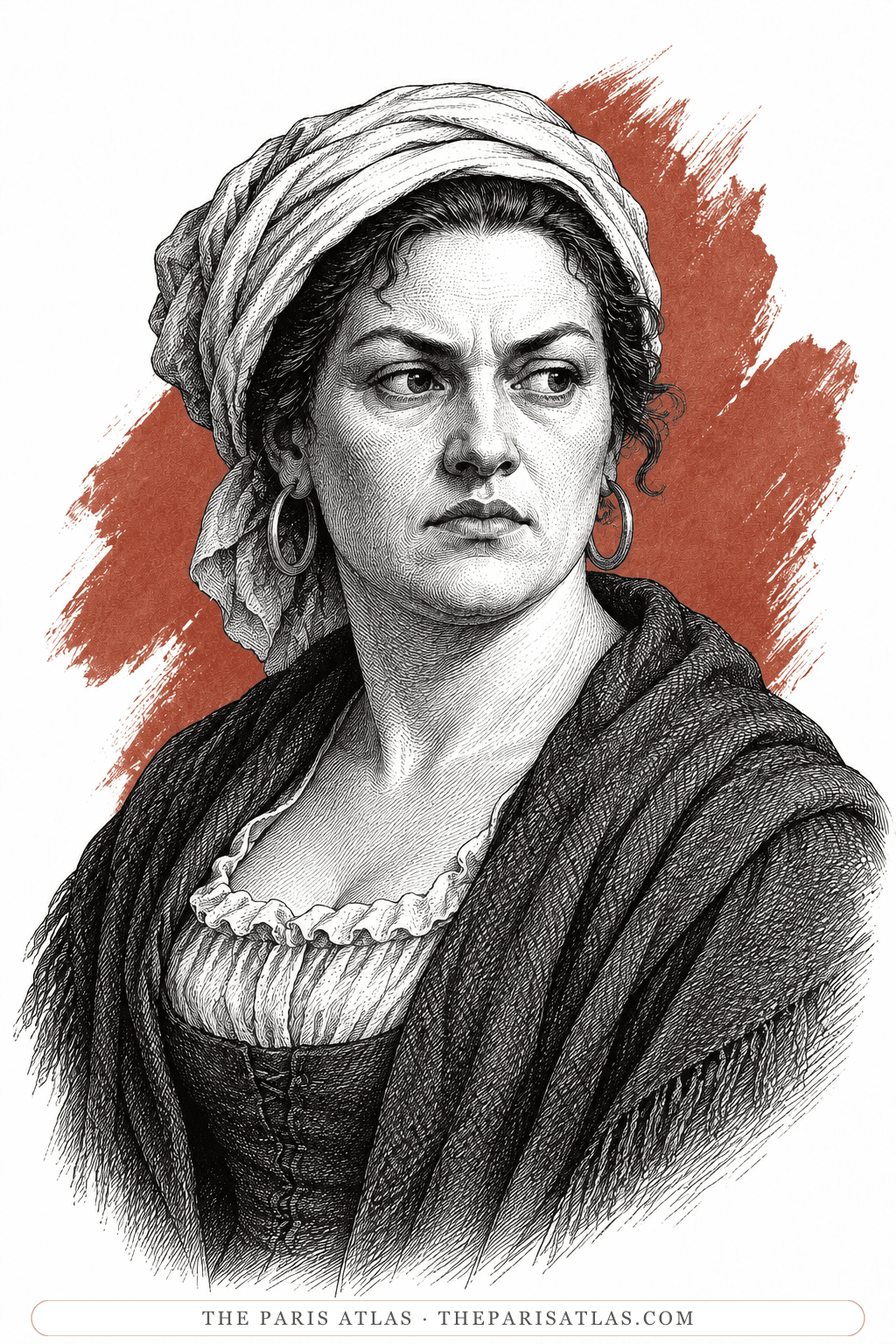
Thérèse Defarge, a wine-shop keeper whose memory of aristocratic violence becomes a demand for an entire family's destruction.
April 30, 1859
The weekly serial begins in All the Year Round.
November 21, 1859
Chapman and Hall publishes the first book edition, five days before the serial concludes.
2003
Penguin Classics publishes the selected US paperback on May 27, edited by Richard Maxwell.

The Christmas novella approaches responsibility toward others through an intimate ghost story instead of a historical revolution.
Read our take
The later novel also exposes the influence of class on punishment and makes a concealed family history change the present.
Read our take
Morrison follows a family trying to build a home after slavery, with memories that return through a different kind of haunting.
Read our takeLondon and Paris. The story moves between the Manette family's English home and the French settings where imprisonment, aristocratic power and revolution shape their lives.
It appeared in 1859: the weekly serial ran April 30 to November 26, and Chapman and Hall issued the book on November 21.
No. They resemble each other strongly, but the novel does not make them relatives. Their likeness first matters as a challenge to eyewitness identification and later permits Carton's substitution.
It places invented characters and a fictional family history within the French Revolution. Doctor Manette's prison manuscript belongs to the plot and should not be mistaken for a historical document.
The narrator imagines what he might have said. The passage beginning with the far, far better thing is a conditional vision of his thoughts, not a reported speech.
The selected paperback is ISBN 9780141439600, published May 27, 2003, with 544 pages and Richard Maxwell's introduction and notes. It is distinct from Penguin's later clothbound edition.
Explore authors with a similar voice, perspective, and influence.
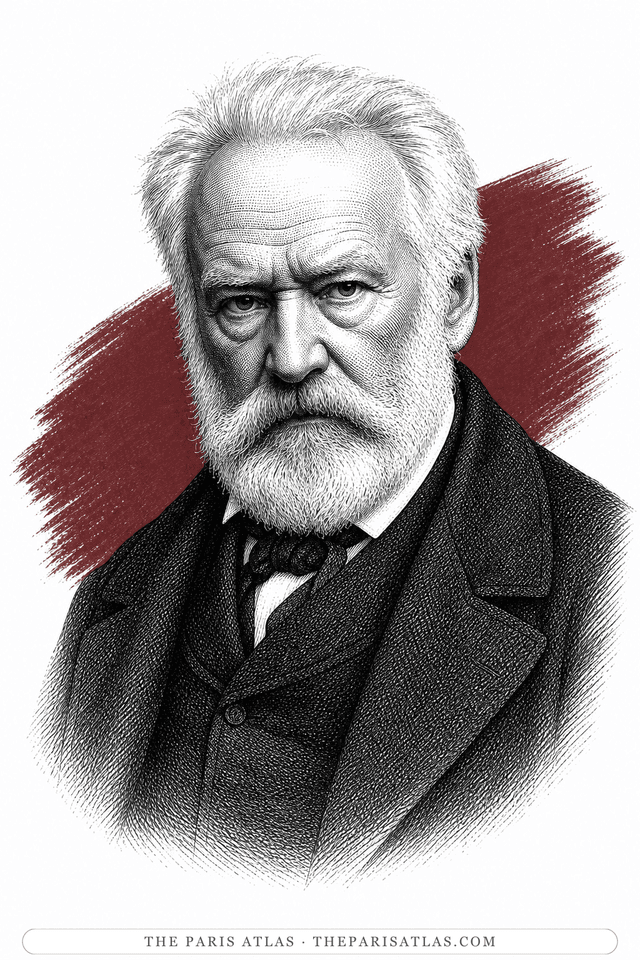
Poet, novelist and playwright who spent sixteen years in an apartment on the Place des Vosges that is now his museum, wrote a novel about Notre-Dame that shamed France into repairing the cathedral, spent nineteen years in exile for opposing the emperor Napoleon III, and was buried in the Panthéon — the Paris monument where France buries its most honoured dead — in 1885 after a funeral that brought roughly two million people into the streets of Paris.
View author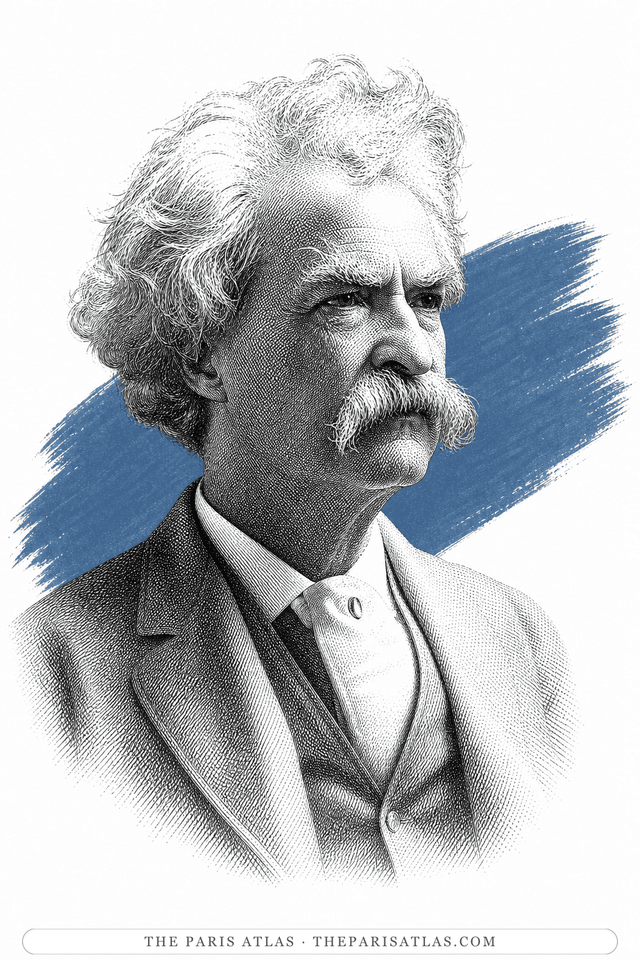
The Missouri newspaperman who became America's most famous writer, and whose first book made its reputation partly out of Paris: in 1867 he arrived with a shipload of American tourists, renamed his guide Ferguson, watched the high-kicking can-can through his fingers and wrote it all down. He kept coming back — and was living in Paris in the mid-1890s, broke, while finishing the novel he considered his best, Personal Recollections of Joan of Arc.
View author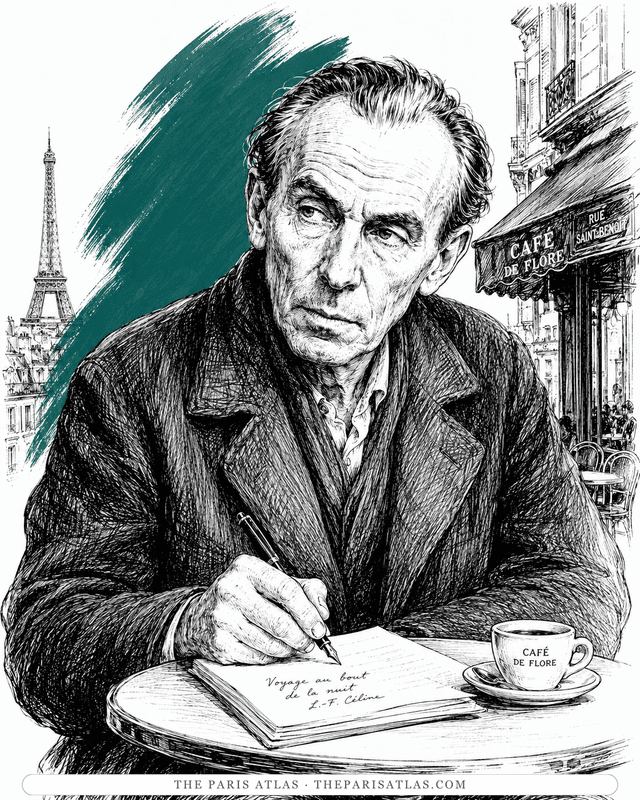
The doctor of the Paris slums who wrote the century's blackest, funniest novel — and changed the sound of French prose.
View authorThe sources below include the primary text, editions, scholarship, archival materials, and other records that informed this page. They document A Tale of Two Cities, its publication, and its place in literary history.


The primary text represented by this page, used for descriptions of the work’s contents and for any quoted passages shown here.
Primary scenes for the selected readings, plot and quotations, consulted in the Gutenberg transcription. The research log distinguishes complete chapters from excerpts.
Serial opening and closing dates and November 21 book publication.
Original 1859 London Chapman and Hall edition record.
Selected paperback ISBN, May 2003 issue, 544 pages, Richard Maxwell credits and the serial-text basis. Clothbound metadata on the same publisher page is distinguished.
The primary text is the baseline reference for every book page. Additional references document publication history, interpretation, and historical context where that evidence is available.
 Explore more resources