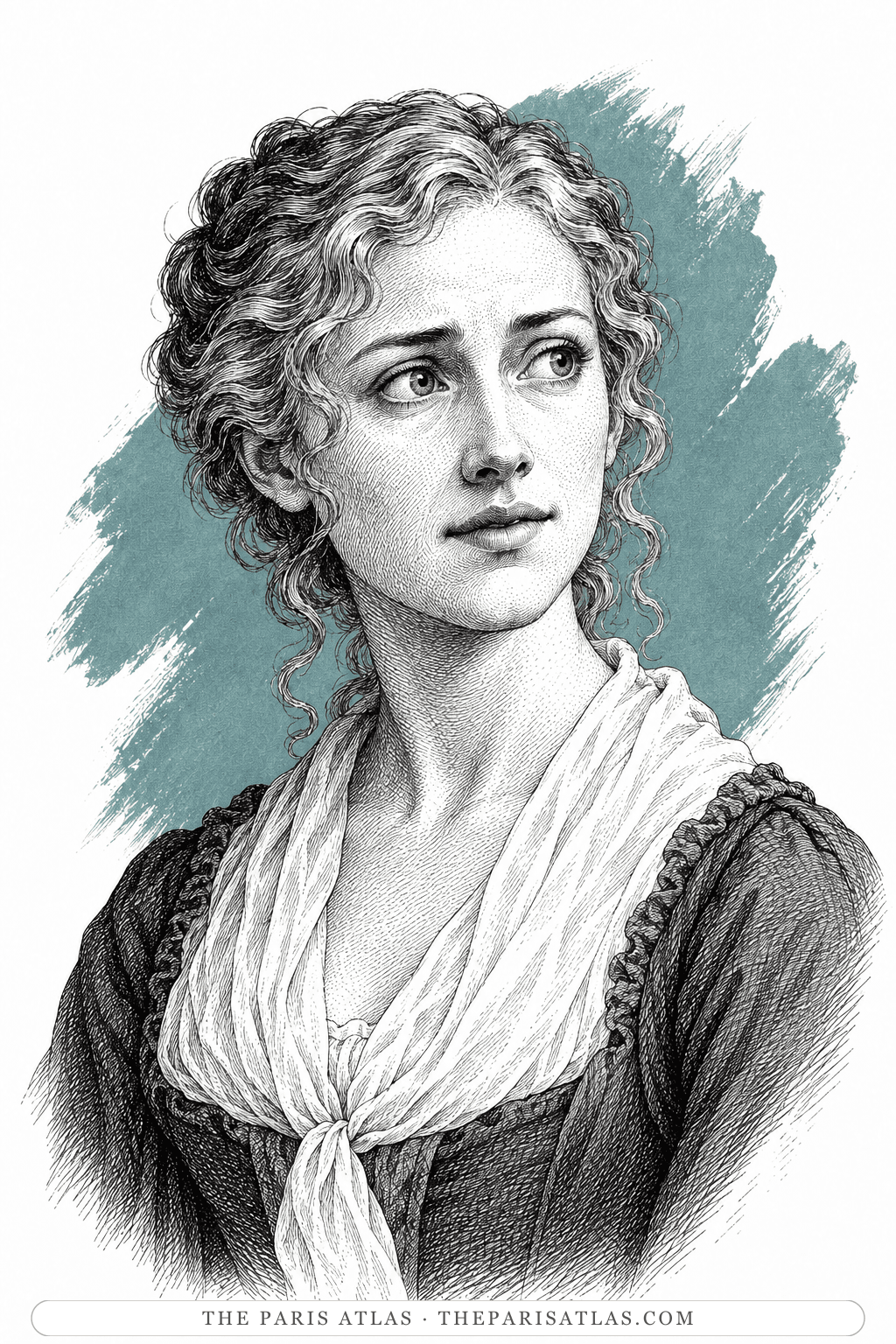
Lucie Manette
Doctor Manette's daughter, whose patient care holds together a family repeatedly threatened by imprisonment.
She wants her father, husband and child to share a secure home in which earlier suffering does not determine every relationship.
The book

Who they are in the book
Spoiler-freeLucie's influence often works through attention, routine and the protection of another person's confidence. Those actions give her an active role even when legal and political power lie elsewhere.
How Lucie Manette Is Portrayed
- Restoring recognition through touchIn Book I, Chapter VI, she approaches her damaged father gently, letting her hair and embrace recall his wife. She works with fragments of memory instead of demanding an immediate explanation from him.
- Guarding a confidenceIn Book II, Chapter XIII, she listens to Carton's despair and urges him to imagine change. She does not return his romantic feeling, but takes responsibility for treating his disclosure with care.
- Making room for her fatherIn Book II, Chapter XVII, she spends the evening before her wedding reassuring him. The planned household keeps him close, refusing the assumption that marriage must displace the bond that restored him.
- Asking for kindness without betrayalIn Book II, Chapter XX, she asks Darnay to be considerate toward Carton without revealing Carton's confession. Her intervention protects two relationships through discretion rather than disclosure.
- Keeping life in order during prisonIn Book III, Chapter V, she maintains the household and her child's lessons while Darnay is confined. Ordinary tasks become a way to prepare for his return and resist the disintegration of family life.
- Standing where she can be seenIn Book III, Chapter V, she keeps a daily two-hour vigil where Darnay may glimpse her. She cannot see him in return. The act offers comfort while exposing her to the surveillance later used against her.
If you like A Tale of Two Cities


If you like Charles Dickens
Explore authors with a similar voice, perspective, and influence.
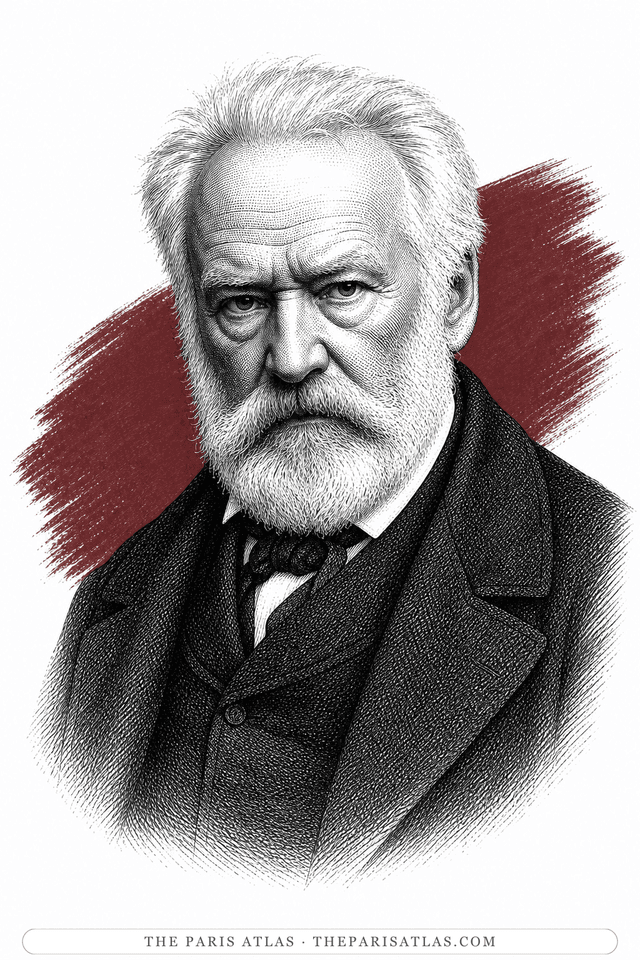
Victor Hugo
Poet, novelist and playwright who spent sixteen years in an apartment on the Place des Vosges that is now his museum, wrote a novel about Notre-Dame that shamed France into repairing the cathedral, spent nineteen years in exile for opposing the emperor Napoleon III, and was buried in the Panthéon — the Paris monument where France buries its most honoured dead — in 1885 after a funeral that brought roughly two million people into the streets of Paris.
View author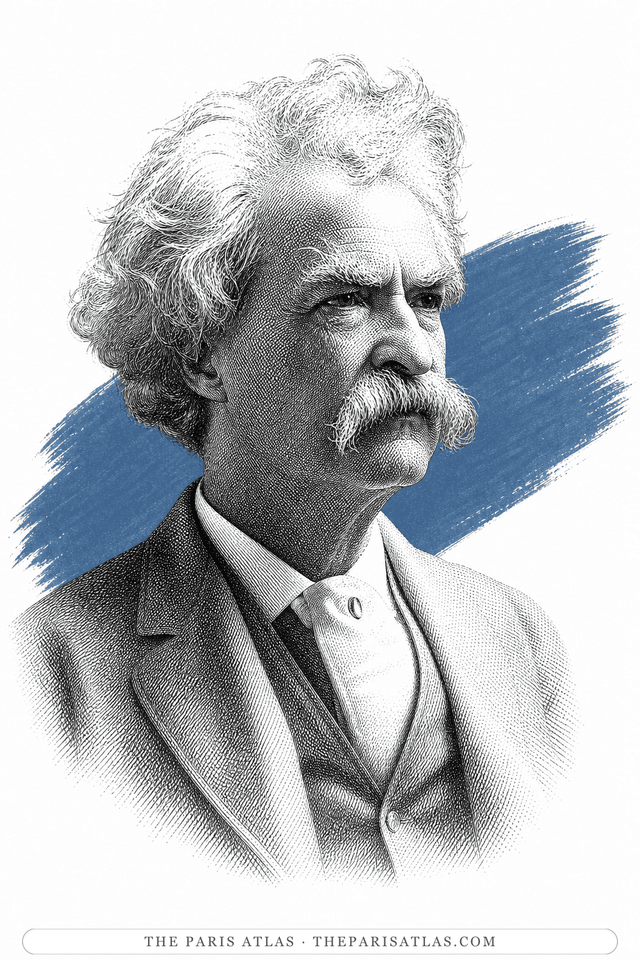
Mark Twain
The Missouri newspaperman who became America's most famous writer, and whose first book made its reputation partly out of Paris: in 1867 he arrived with a shipload of American tourists, renamed his guide Ferguson, watched the high-kicking can-can through his fingers and wrote it all down. He kept coming back — and was living in Paris in the mid-1890s, broke, while finishing the novel he considered his best, Personal Recollections of Joan of Arc.
View author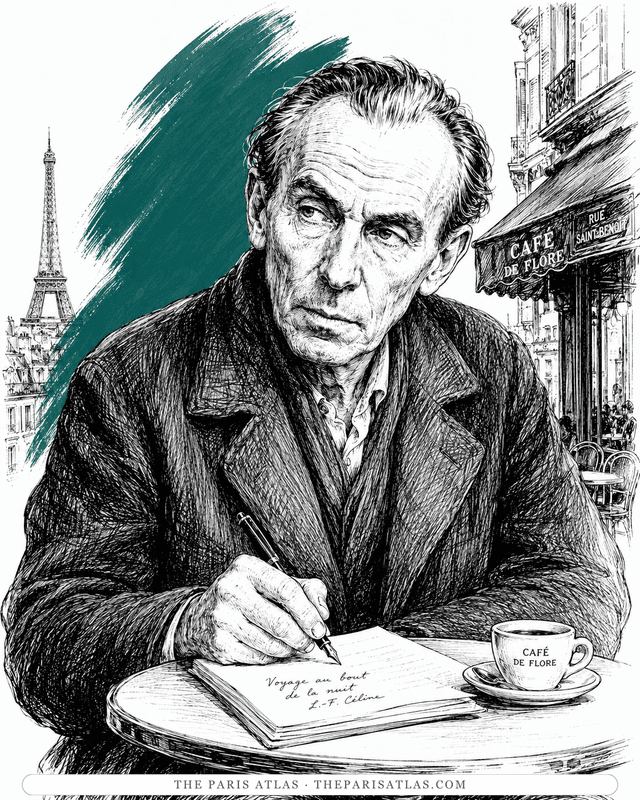
Louis-Ferdinand Céline
The doctor of the Paris slums who wrote the century's blackest, funniest novel — and changed the sound of French prose.
View author