The Fire Next Time quotes about love
12 quotes on love from The Fire Next Time by James Baldwin, each verified verbatim against the text and located in the book. Drawn from the 46 in the full collection.

About James Baldwin
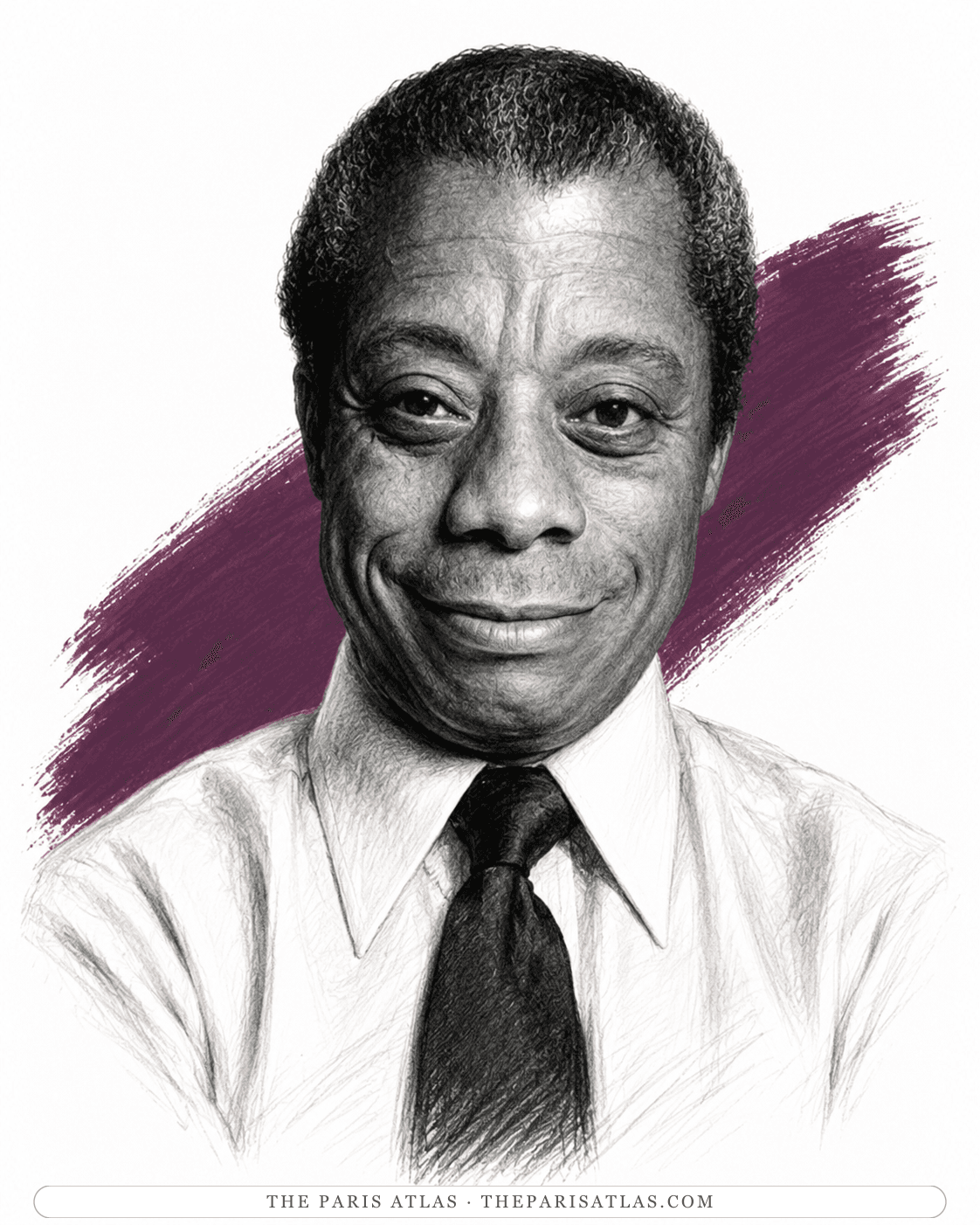
If the concept of God has any validity or any use, it can only be to make us larger, freer, and more loving. If God cannot do this, then it is time we got rid of Him.
Love takes off the masks that we fear we cannot live without and know we cannot live within. I use the word “love” here not merely in the personal sense but as a state of being, or a state of grace—not in the infantile American sense of being made happy but in the tough and universal sense of quest and daring and growth.
If we—and now I mean the relatively conscious whites and the relatively conscious blacks, who must, like lovers, insist on, or create, the consciousness of the others—do not falter in our duty now, we may be able, handful that we are, to end the racial nightmare, and achieve our country, and change the history of the world. If we do not now dare everything, the fulfillment of that prophecy, re-created from the Bible in song by a slave, is upon us: God gave Noah the rainbow sign, No more water, the fire next time!
To be loved, baby, hard, at once, and forever, to strengthen you against the loveless world.
We have not stopped trembling yet, but if we had not loved each other none of us would have survived.
And if the word integration means anything, this is what it means: that we, with love, shall force our brothers to see themselves as they are, to cease fleeing from reality and begin to change it.
White people in this country will have quite enough to do in learning how to accept and love themselves and each other, and when they have achieved this—which will not be tomorrow and may very well be never—the Negro problem will no longer exist, for it will no longer be needed.
I really mean that there was no love in the church. It was a mask for hatred and self-hatred and despair. The transfiguring power of the Holy Ghost ended when the service ended, and salvation stopped at the church door.
One can give nothing whatever without giving oneself—that is to say, risking oneself. If one cannot risk oneself, then one is simply incapable of giving. And, after all, one can give freedom only by setting someone free.
The universe, which is not merely the stars and the moon and the planets, flowers, grass, and trees, but other people, has evolved no terms for your existence, has made no room for you, and if love will not swing wide the gates, no other power will or can.
For it would seem that a certain category of exceptions never failed to make the world worse—that category, precisely, for whom power is more real than love. And yet power is real, and many things, including, very often, love, cannot be achieved without it.
The Negro came to the white man for a roof or for five dollars or for a letter to the judge; the white man came to the Negro for love. But he was not often able to give what he came seeking. The price was too high; he had too much to lose.
Newsletter
Join our newsletter
New stories about art, literature and famous places around the world.