
Mrs. Higby
A reformer who uses the marathon as a public platform.
To impose her moral program on the event.
The book

At a glance
- a moral campaigner
- A reformer who uses the marathon as a public platform.
- To impose her moral program on the event.
- Her agitation adds public pressure around the contest.
Who they are in the book
Spoiler-freeMrs. Higby is a moral campaigner. A reformer who uses the marathon as a public platform.
The character wants to impose her moral program on the event.. That desire is tested by a contest whose rules reward spectacle rather than care.
Her agitation adds public pressure around the contest. The outcome clarifies what the marathon takes from people and what its organizers can turn into entertainment.
How Mrs. Higby Is Portrayed
- Rolea moral campaigner
- PressureA reformer who uses the marathon as a public platform.
- GoalTo impose her moral program on the event.
- Story turnHer agitation adds public pressure around the contest.
Her agitation adds public pressure around the contest.
If you like They Shoot Horses, Don’t They?


If you like Horace McCoy
Explore authors with a similar voice, perspective, and influence.

Charles Bukowski
American poet and novelist of Los Angeles rooming houses, racetracks and the post office, who quit his job to write when a publisher offered him a hundred dollars a month. He came to Paris once, in September 1978, drank his way through a live television book programme and walked off the set — and French television has been replaying it ever since.
View author
Henry Miller
The Brooklyn dropout who arrived in Paris broke at thirty-eight and wrote the exuberant, banned books that ended American censorship.
View author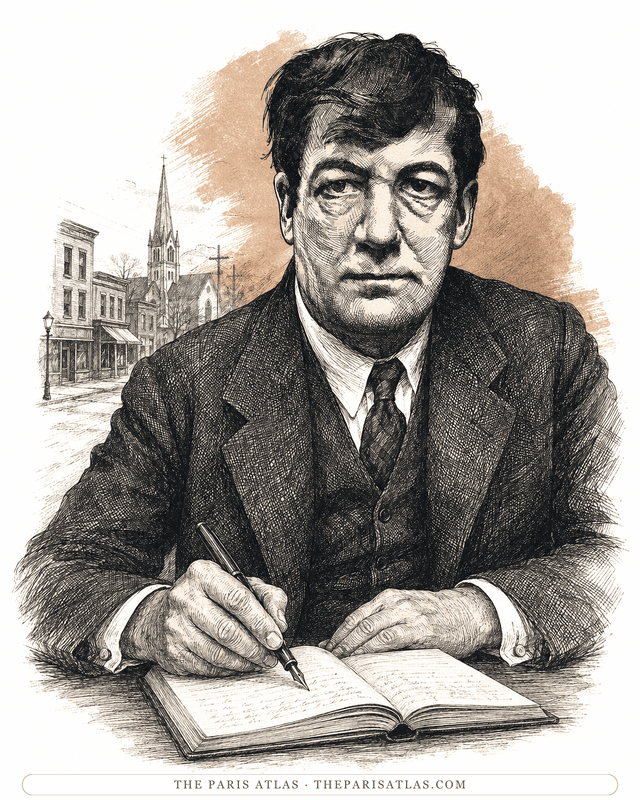
Sherwood Anderson
The Ohio ad man who walked out of his office, wrote Winesburg, Ohio, and sent the young Hemingway to Paris with letters of introduction.
View author