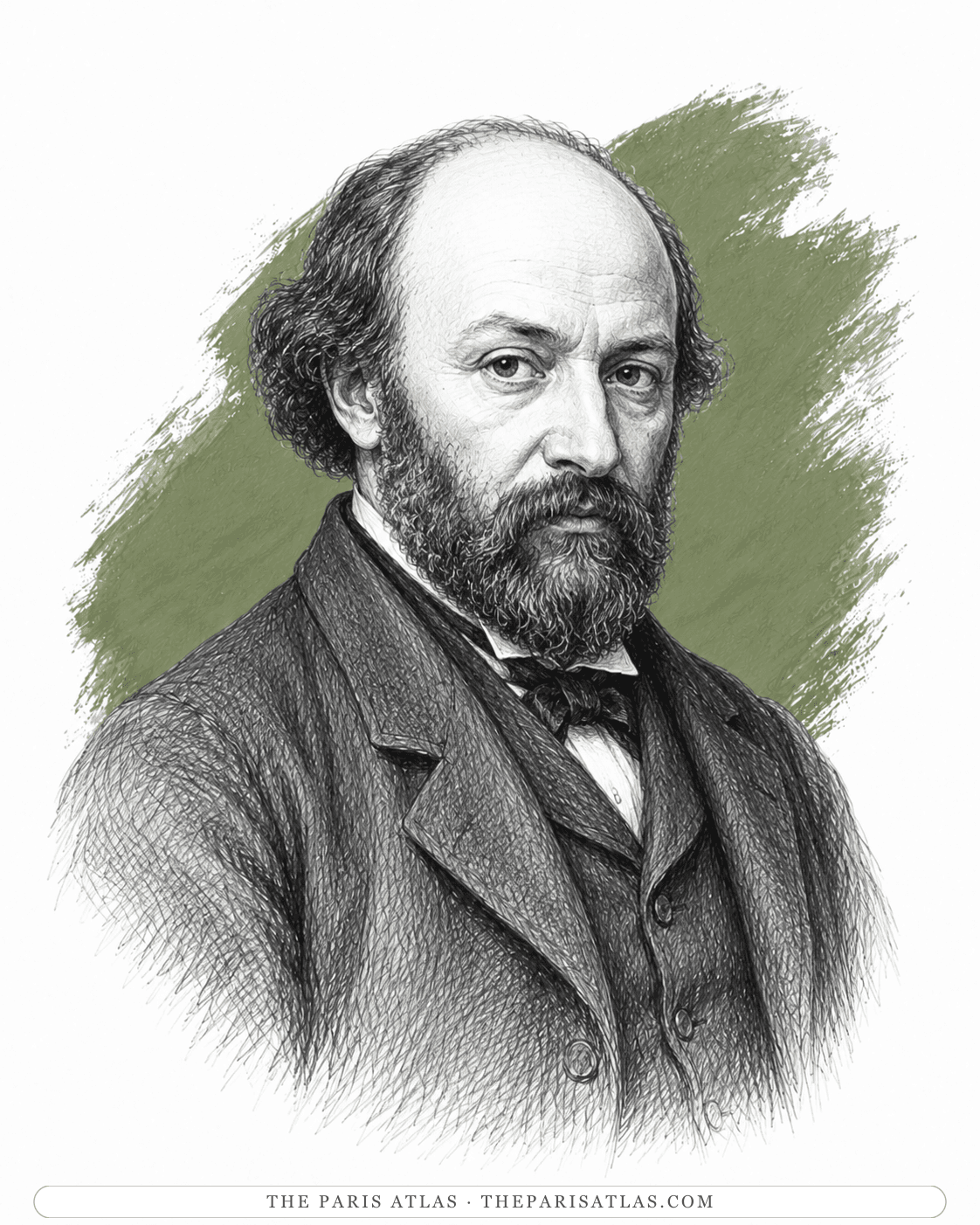
Paul Cézanne
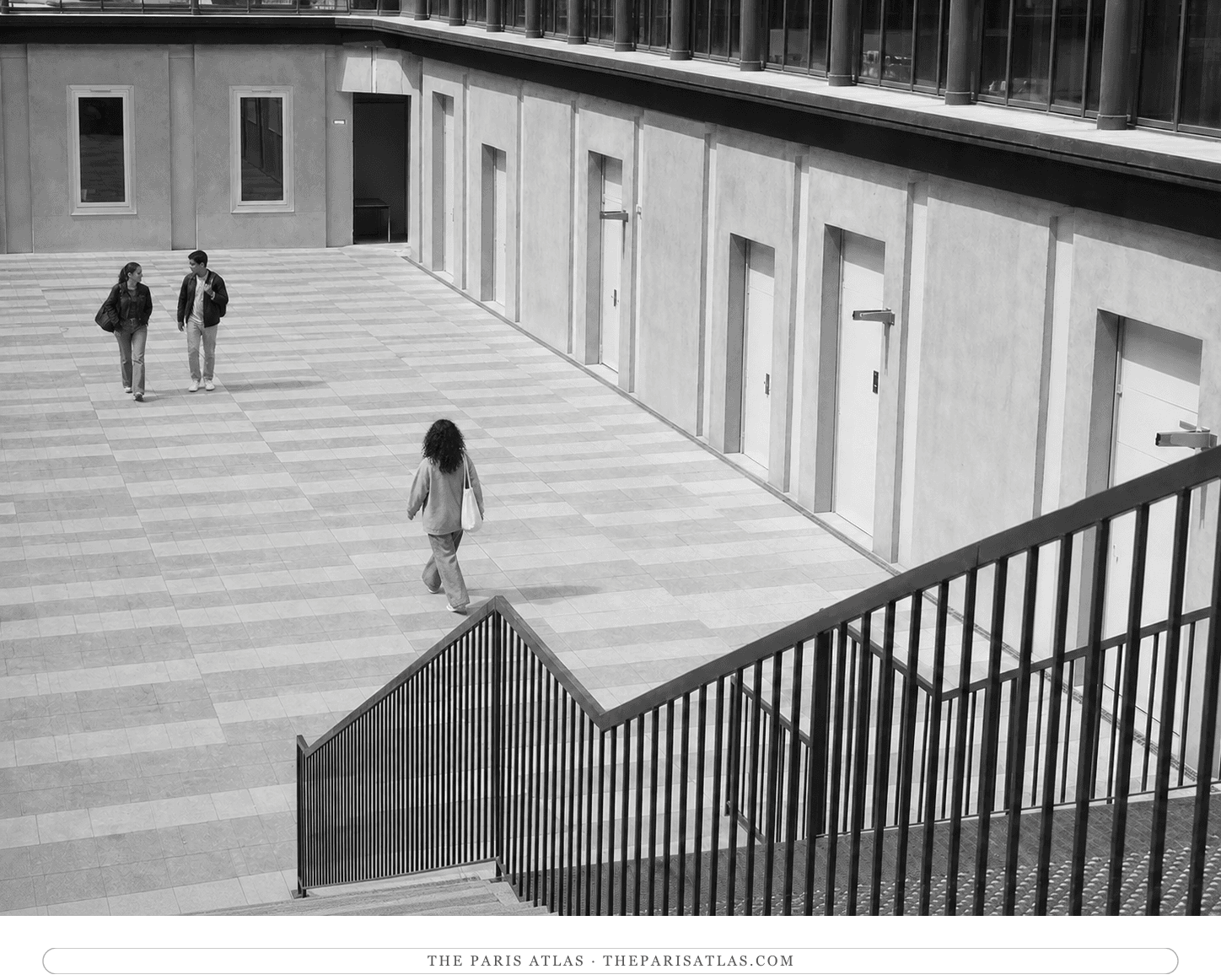
Cezanne's address in 1872, the year his son Paul was born and the year he went out to Pontoise to work beside Camille Pissarro, which transformed his painting.
Paul Cézanne's Left Bank address in 1872 — the year his son Paul was born, and the year he went out to Pontoise to work beside Camille Pissarro, which changed his painting completely.
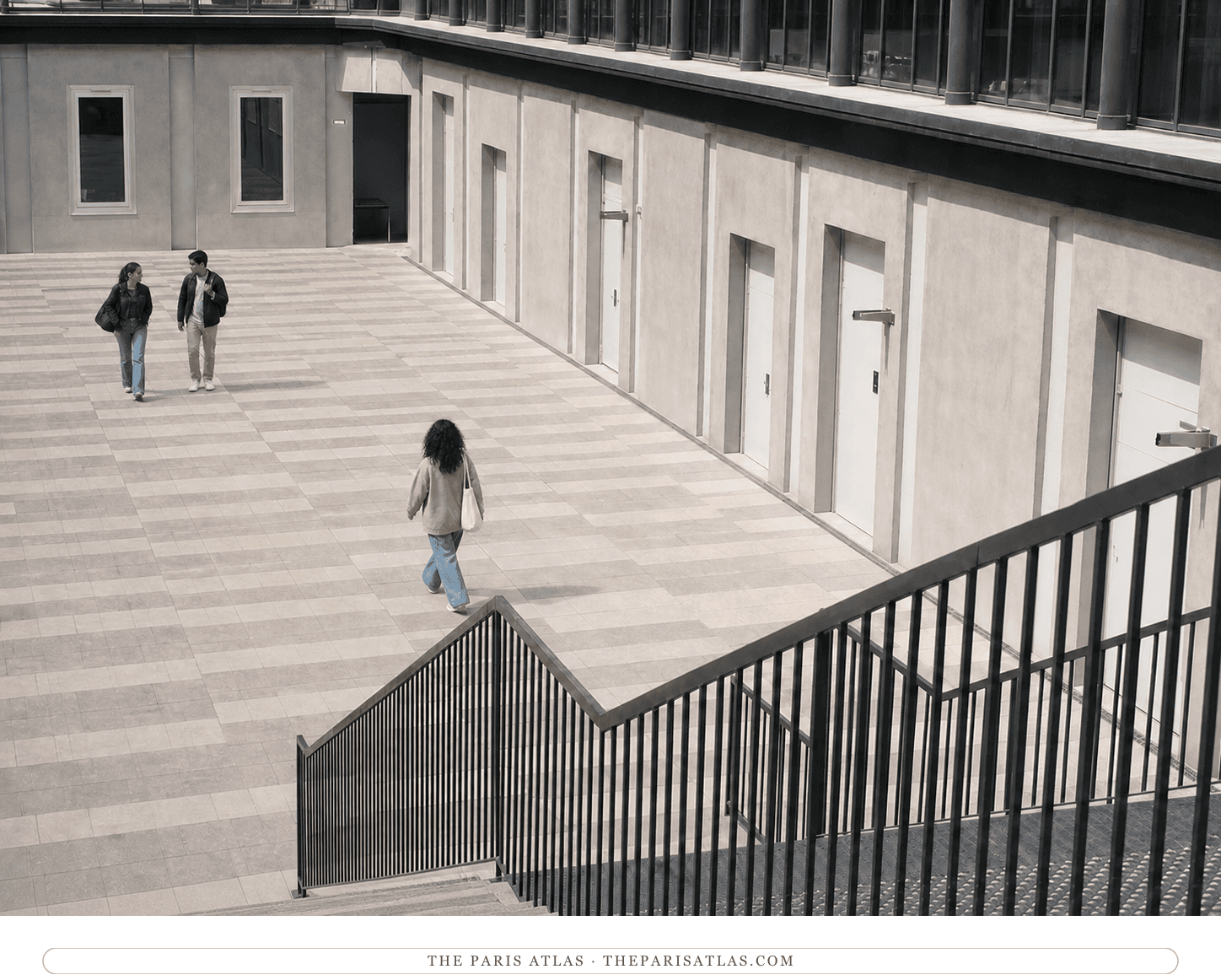
Paul Cézanne was at 45 rue Jussieu in 1872, near the Jardin des Plantes. His son Paul was born that January, to Hortense Fiquet, and still concealed from his father.[1]
It is the hinge year. That same year he took the family out to Pontoise, where Camille Pissarro was working, and stayed in the region on and off until 1874. What happened there is the single most important thing in his development: Pissarro got him painting outdoors, made him abandon the palette knife and the black, and taught him to build a picture out of small separate touches of colour.[2]
Cézanne was nine years younger and later described himself as Pissarro's pupil. The two set up side by side in front of the same motifs, and the canvases from those months are the point where the dark, thickly loaded early work stops and the painter everyone means by his name begins.[2]
The building is private and carries nothing to say any of this.
The concealed family and the artistic transformation happened together. Cézanne depended on his father's allowance while supporting Hortense and their infant, so the move between Paris and the Oise involved emotional and financial calculation as well as painting. Pissarro offered instruction and friendship, but neither could remove the secrecy governing Cézanne's domestic life.[3]
Working outdoors altered the sequence of decisions on the canvas. A changing motif required Cézanne to observe relationships of light and colour directly rather than build a dark imagined scene in the studio. Pissarro's example encouraged him to replace heavy, blackened masses with repeated touches that could register air, season and the structure of houses or hills.
The relationship was not one-way imitation. Pissarro was older and more experienced, yet the two painted beside each other and compared solutions, creating works whose viewpoints and subjects sometimes closely correspond. That side-by-side practice makes the Oise period unusually valuable: change can be traced through pictures made within a shared landscape rather than explained only by later statements.
Cézanne's participation in the 1874 Impressionist exhibition followed this apprenticeship. His work still disturbed viewers and did not merge smoothly with the group, but a lighter palette and commitment to direct observation connected him to their challenge to official exhibition culture. Rue Jussieu stands just before that public step, when private responsibilities and technical change were both accelerating.
Hortense is sometimes treated as a passive complication in this chronology. In reality, she moved with Cézanne, cared for their son and sat repeatedly while the relationship remained hidden from the person controlling their income. Her labour and vulnerability formed part of the conditions under which the painter could travel to work with Pissarro. Restoring that fact does not resolve the marriage; it makes the cost of the arrangement visible.
The street itself belongs to the eastern Left Bank near scientific institutions and the Jardin des Plantes, a different geography from the rural motifs painted at Pontoise and Auvers. Travel between the Paris address and the Oise separated home from the outdoor work that transformed the pictures. Mapping both prevents the artistic change from appearing to occur in an abstract countryside without a household behind it.
Number 45 is a surviving private building on a public street, with no historic Cézanne interior open to visitors. The current-use answer is therefore a building, not an unknown person. The façade marks where the family was based in 1872; the paintings and sources explain the journeys and development that cannot be seen from the pavement.
The change under Pissarro did not erase Cézanne's individual difficulty or make the work conventionally Impressionist. He retained an urge to give objects permanence, revising touches until landscapes felt constructed rather than merely glimpsed. Outdoor observation became the means through which he pursued solidity. That tension—changing light organised into durable form—would shape the still lifes, bathers and mountain views of the mature career.
Pontoise and Auvers also offered a social alternative to hostile Paris institutions. Painting beside a respected colleague provided daily criticism without Salon judgement, while the landscape supplied repeatable motifs. Cézanne could compare one session with the next and watch Pissarro solve related problems. The apprenticeship was grounded in companionship and routine rather than a single lesson.
The hidden birth of Paul adds another meaning to the year. A new artistic method was taking shape while Cézanne avoided telling his father that he had become a parent. Financial dependence connected the studio decision to family secrecy: losing the allowance threatened paint, housing and the child. The page is strongest when those histories remain together, because technical freedom was being pursued inside very constrained personal circumstances.
This residence is consequently important without being the site of one preserved masterpiece. It is the Paris base attached to a year of parenthood, concealment and decisive work beside Pissarro. Its value comes from those documented connections, not from inventing a publicly accessible room.
Cézanne is at 45 rue Jussieu; his son Paul is born in January.
He works alongside Pissarro at Pontoise and Auvers.
He exhibits in the first Impressionist exhibition.
He took him outdoors, moved him off the palette knife and away from black, and taught him to build pictures from small separate touches of colour. Cézanne later called himself Pissarro's pupil.
Cezanne's address in 1872, the year his son Paul was born and the year he went out to Pontoise to work beside Camille Pissarro, which transformed his painting.
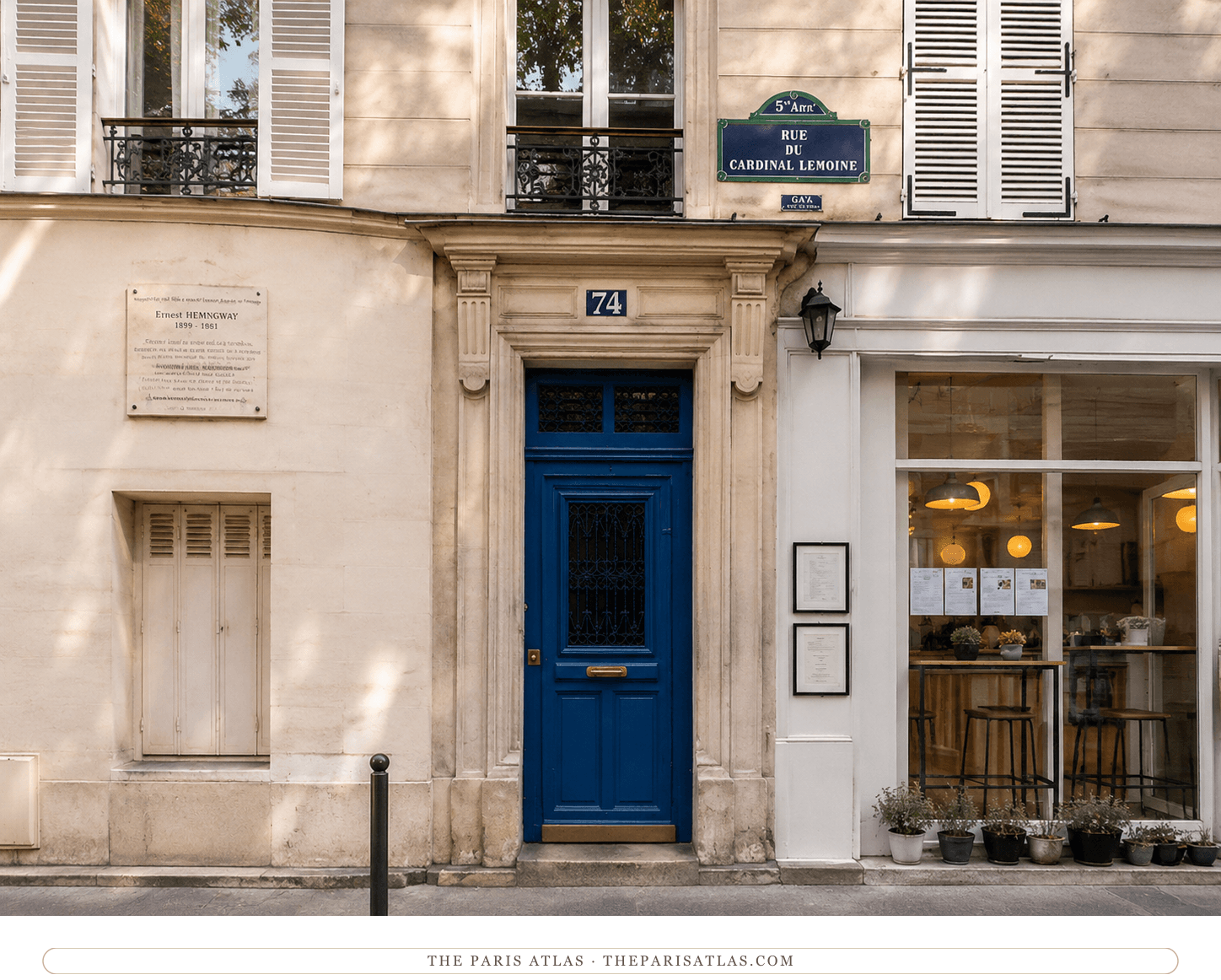
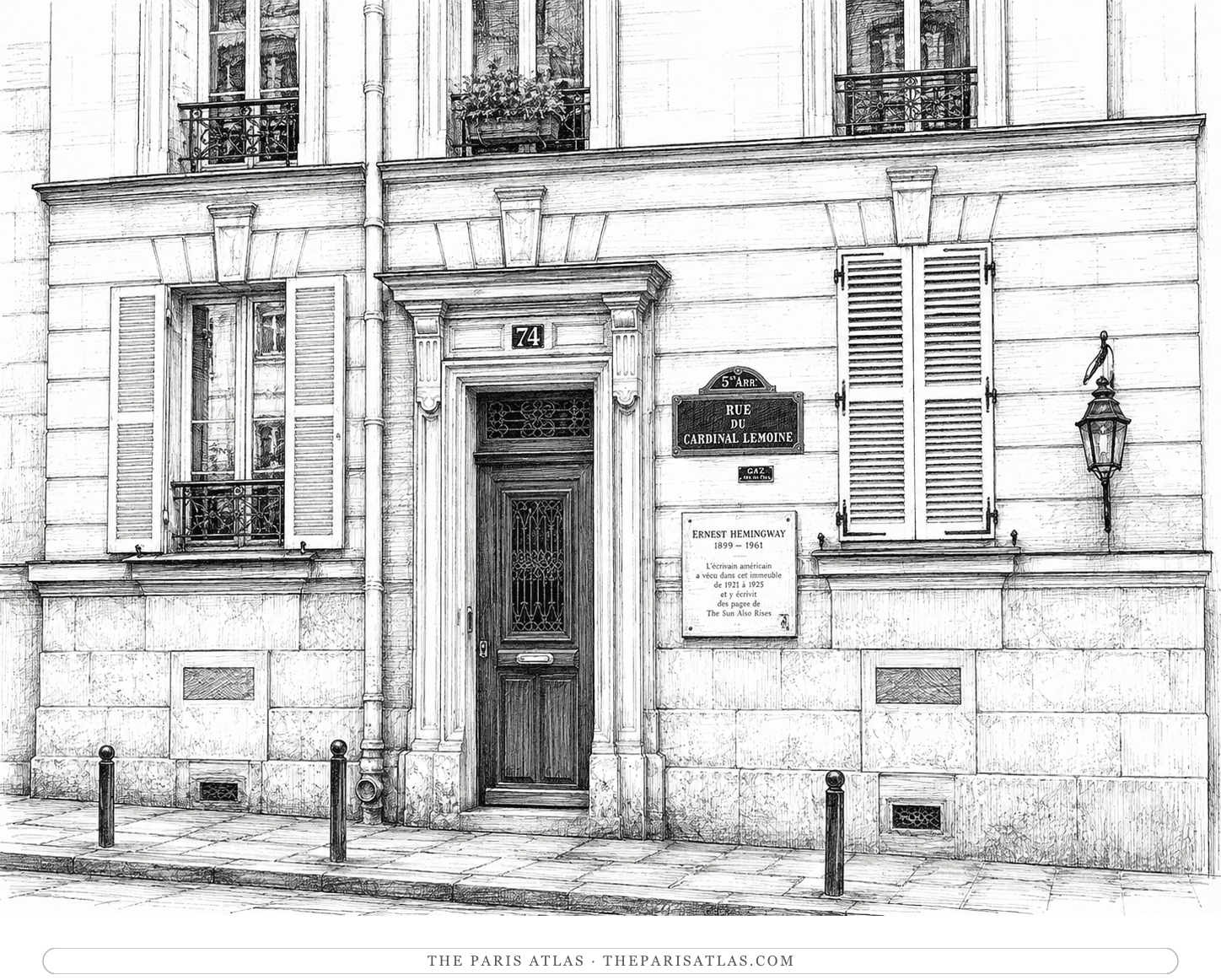
Ernest Hemingway and Hadley Richardson's first Paris apartment, on the fifth floor with no running water. He describes it in the opening pages of the book.
Visit the place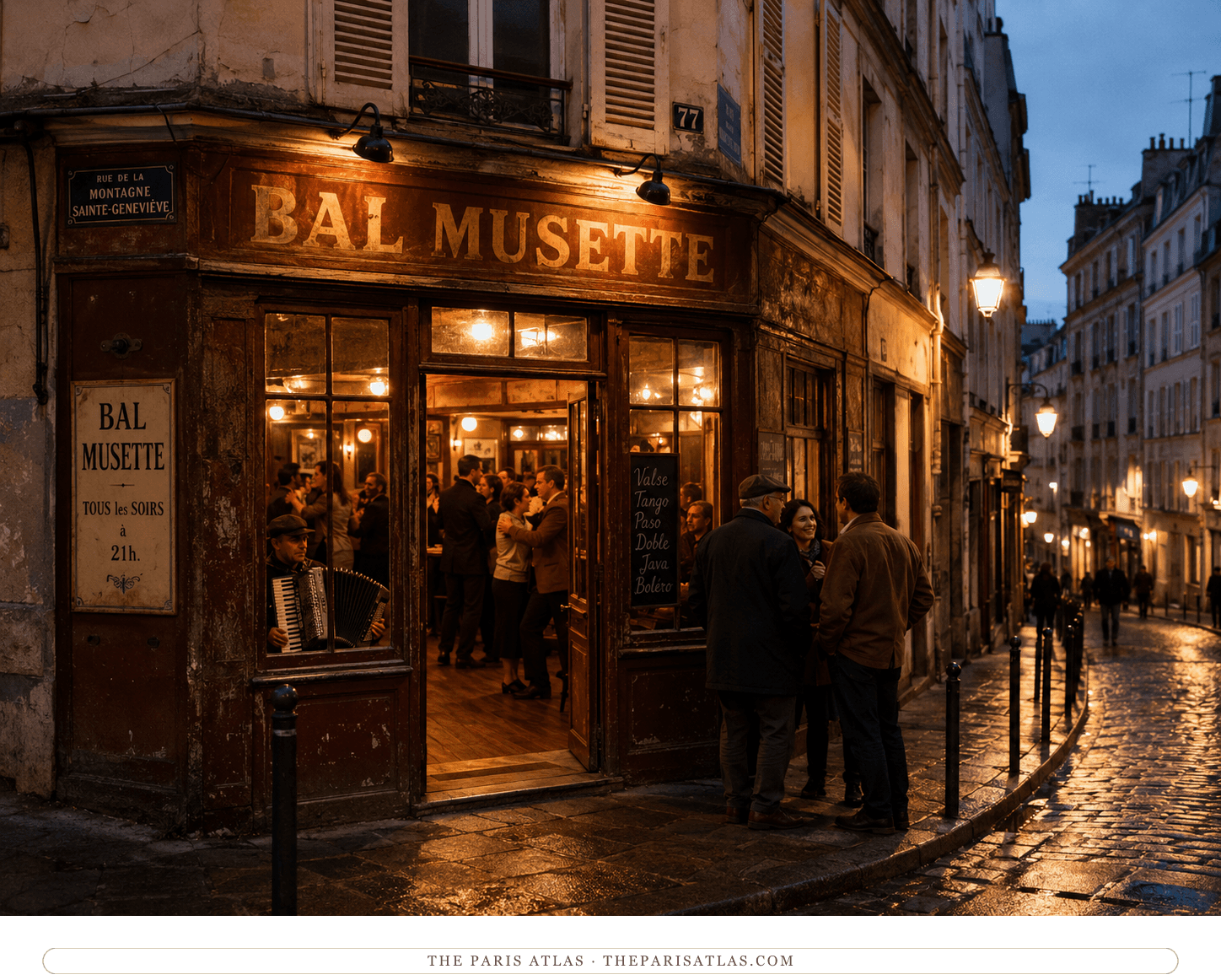
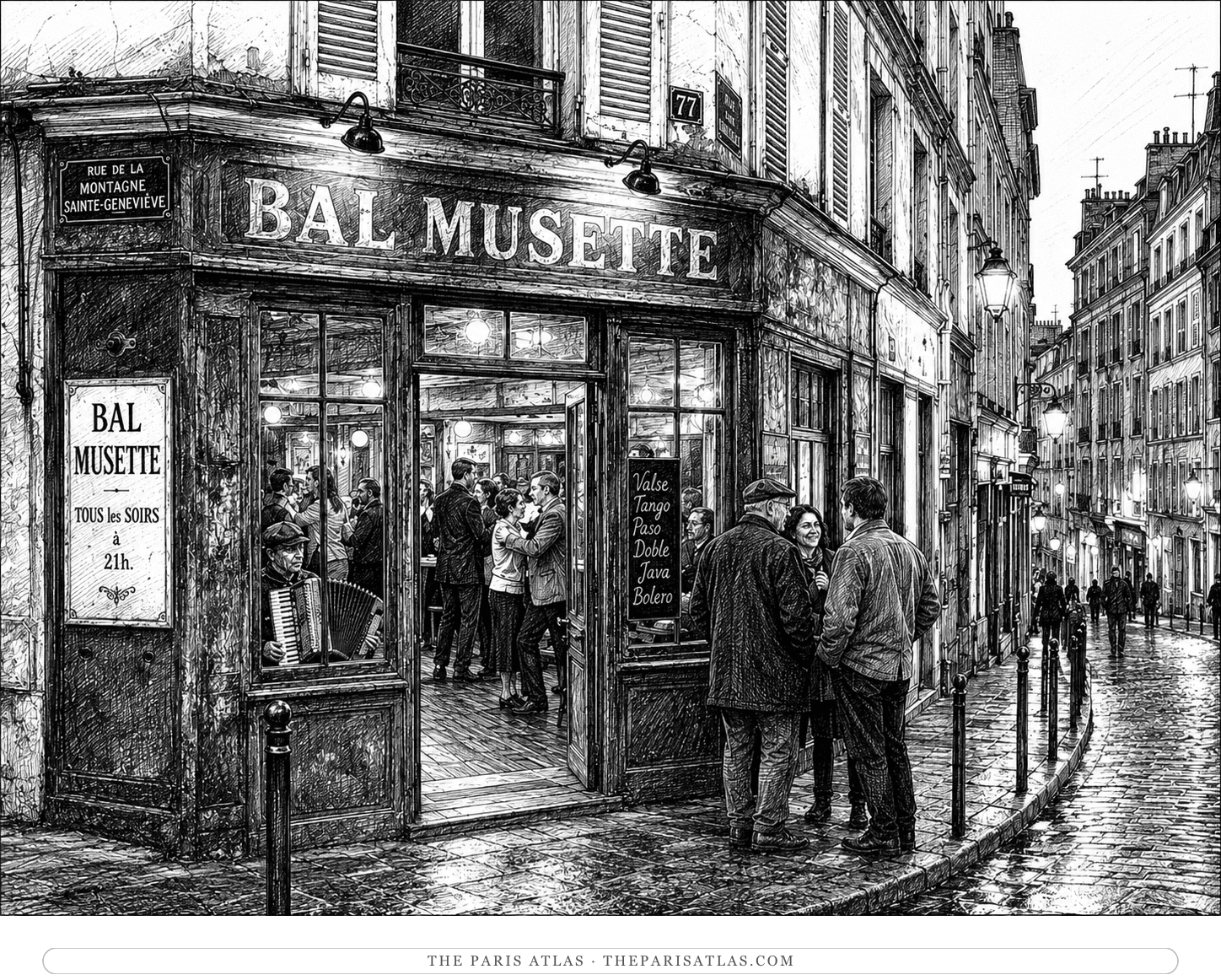
A working-class accordion dance hall in the Latin Quarter — the neighborhood danced there most nights, and the expatriate crowd borrowed it on Mondays.
Visit the place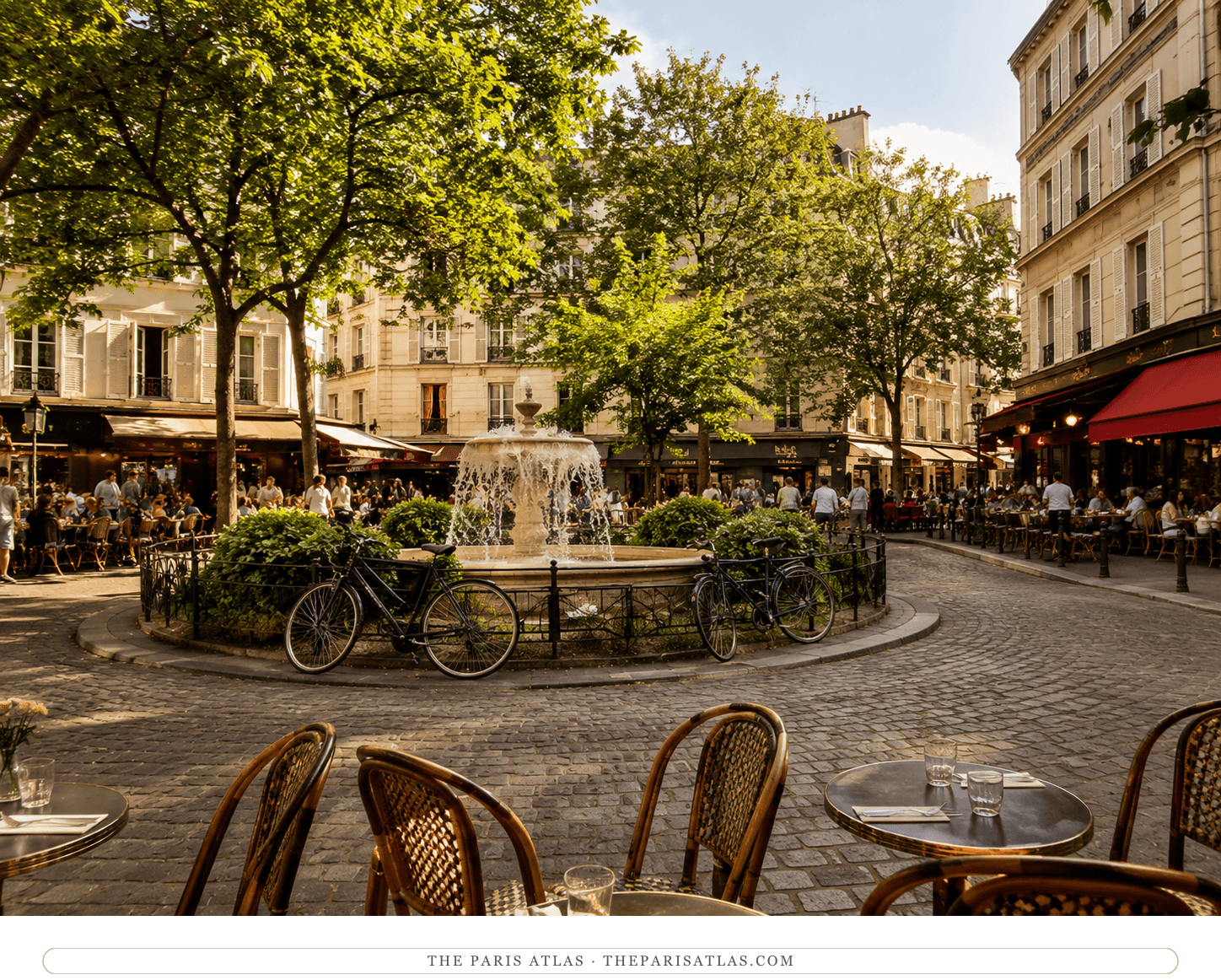
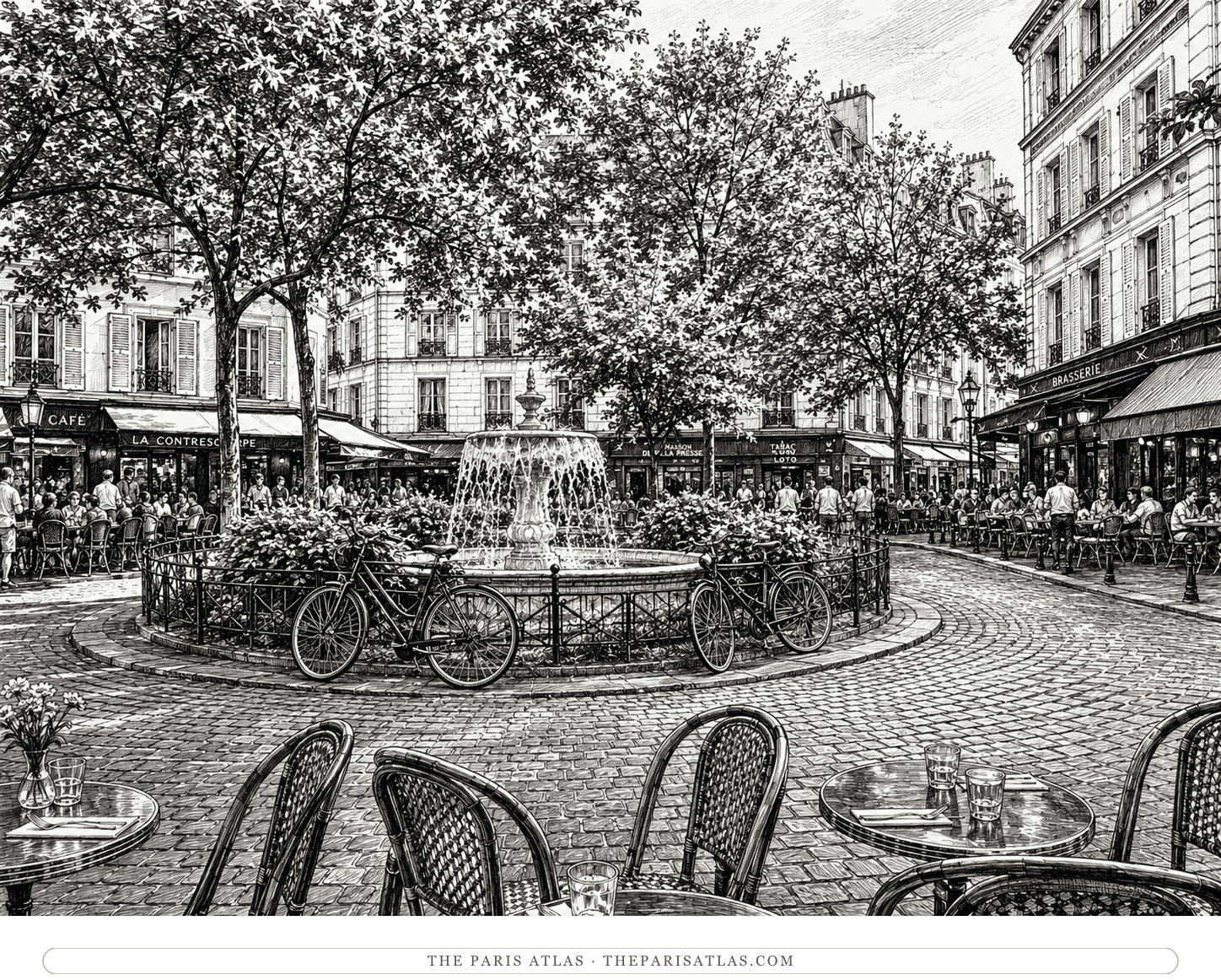
The small square at the top of the rue Mouffetard, a minute from Ernest Hemingway's first flat — now one of the quarter's prettiest corners. The novel visits it after dark.
Visit the place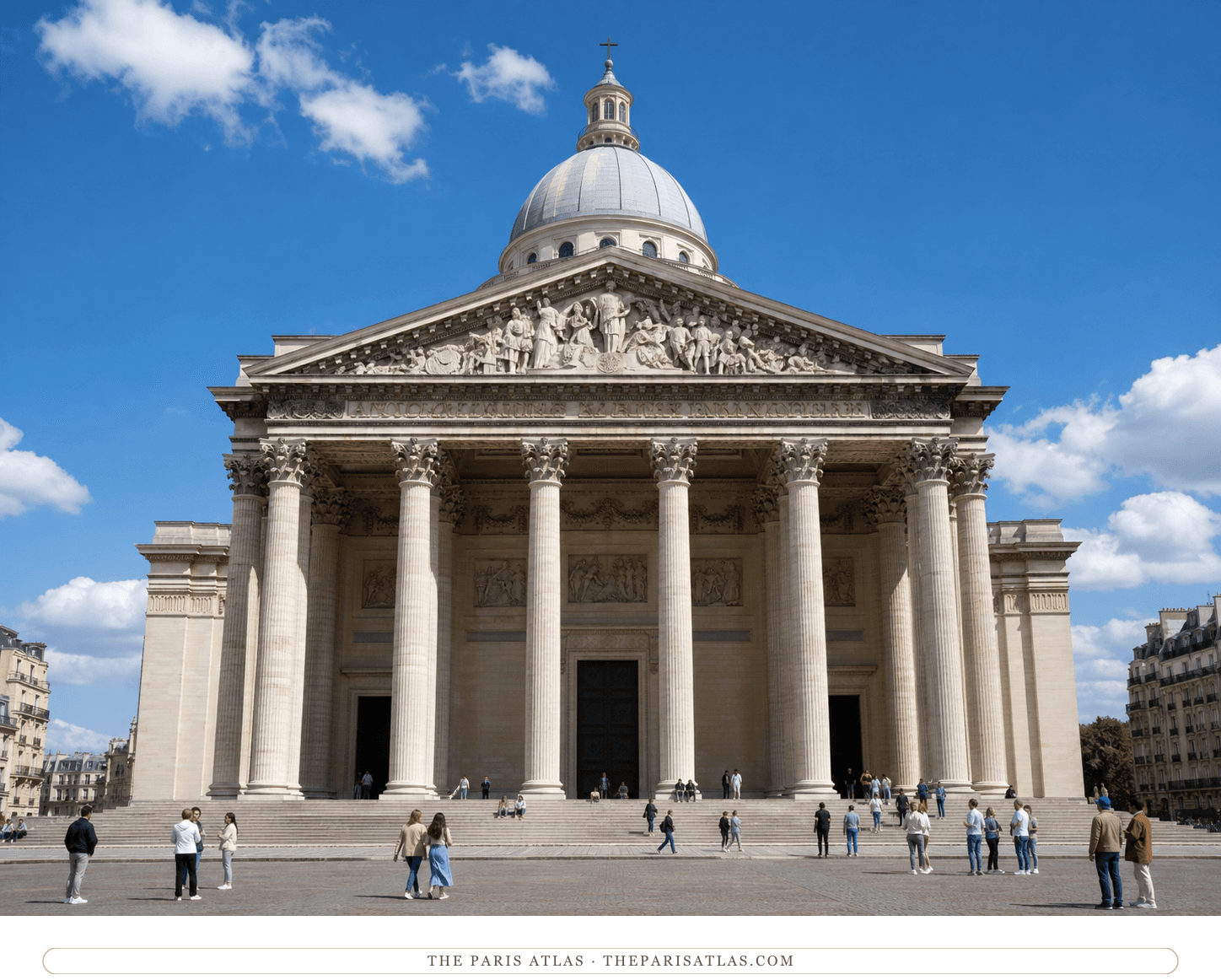
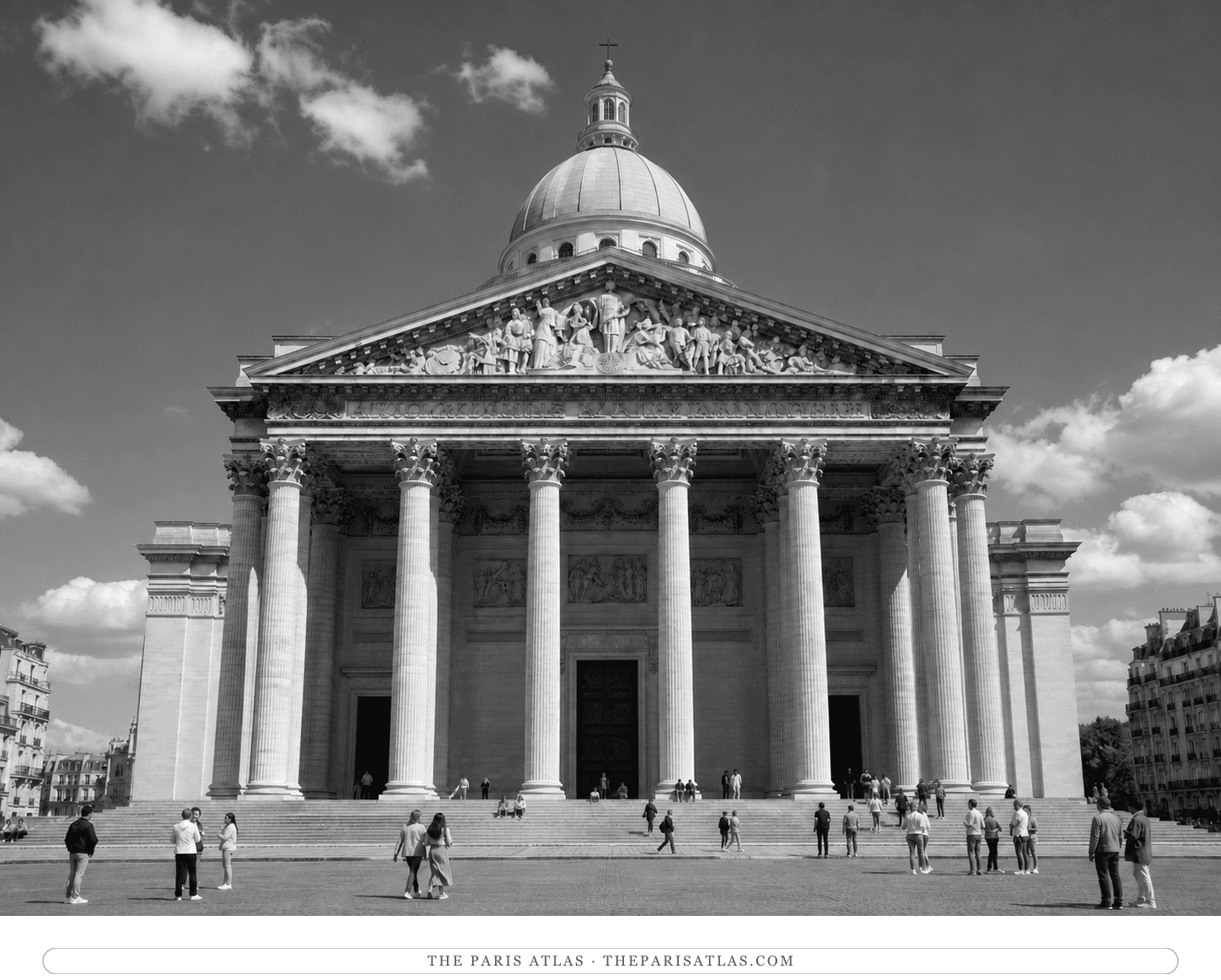
A domed neoclassical building at the top of the Latin Quarter, begun as a church to keep a king's promise and turned into a mausoleum for the nation's great by the Revolution. Voltaire arrived in 1791, Hugo's funeral settled its purpose in 1885, Alexandre Dumas came in 2002 and Josephine Baker in 2021. Open 10 a.m.–6.30 p.m. in summer; €13–€16.
Visit the placeThe sources below include histories, archival materials, scholarly research, and official records that informed this page. They document 45 rue Jussieu, the people connected to it, and its place in Paris.

Web source consulted for documented facts and historical context presented on the 45 rue Jussieu page.
Web source consulted for documented facts and historical context presented on the 45 rue Jussieu page.
Web source consulted for documented facts and historical context presented on the 45 rue Jussieu page.
These references provide the documented foundation for this page's history and context. Claim-level citations remain attached to the specific claims they support.
 Explore more resources
Newsletter
The cafés, studios, and walk-up flats where the work was made — one story from the map in every letter.