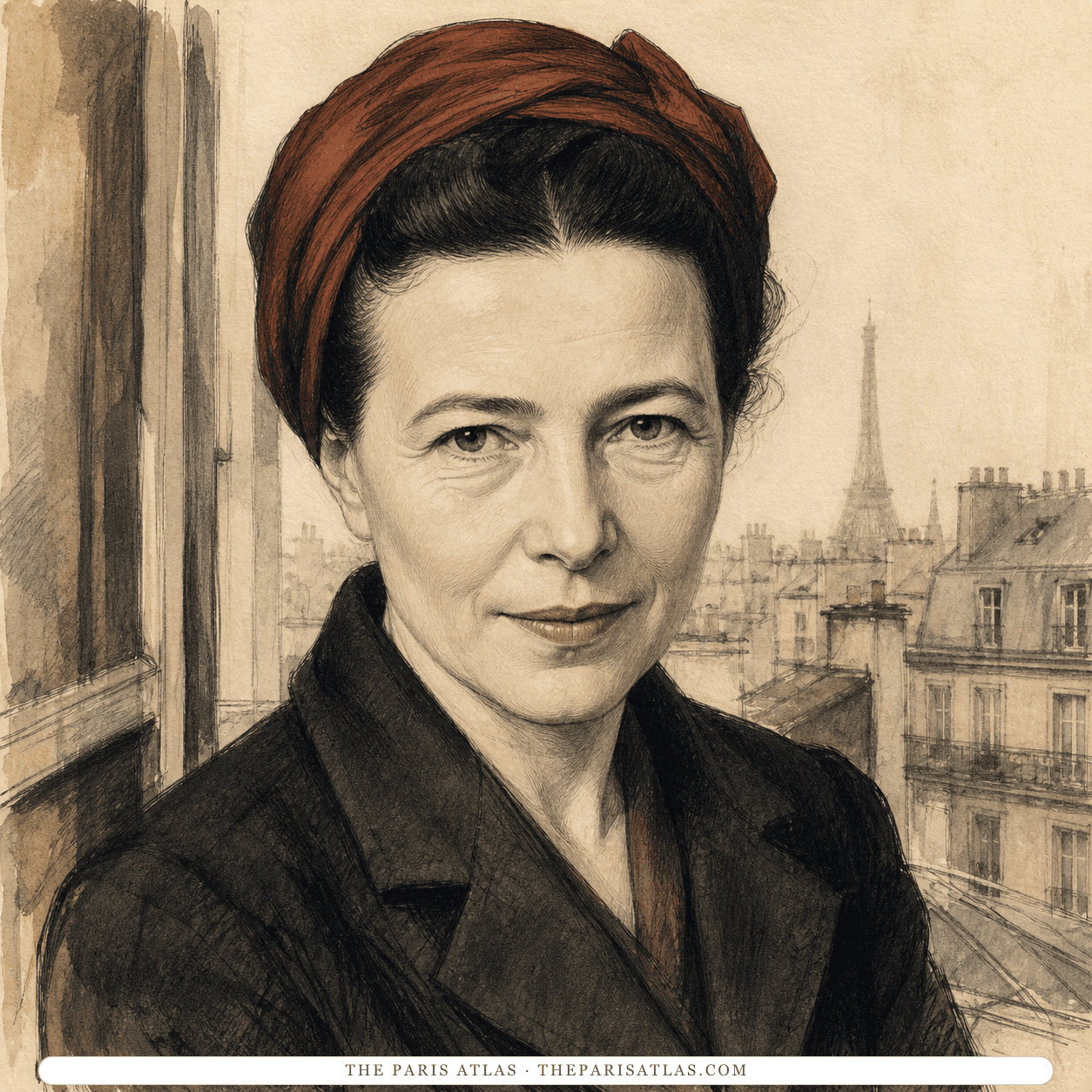

She Came to Stay
Beauvoir's first novel: an established Parisian couple's promise of freedom is tested — and shattered — by the younger woman they invite into their lives.
Read our take
A twentieth-century Parisian actor meets a man who cannot die, and asks him to remember her. His answer runs seven centuries and every version of that promise.
Régine, a French actor who wants to matter, latches on to Raymond Fosca, a quiet older man in a French provincial spa town who casually admits that he cannot die. Believing she has found the one witness whose memory of her cannot end, she demands his life story. What Fosca gives her, over four long historical episodes stretching from thirteenth-century Italy to the eighteenth century and the twentieth, is Simone de Beauvoir's argument that a life without an ending cannot hold weight — and that being remembered by such a witness would empty rather than confirm a life.
Simone de Beauvoir wrote All Men Are Mortal between 1943 and 1946, immediately after The Blood of Others, and Gallimard published the French edition in November 1946 under the title Tous les hommes sont mortels. The novel came out of the same postwar preoccupation with mortality, freedom, and political action that fills The Ethics of Ambiguity a year later, cast as historical fantasy rather than philosophical treatise.
The book is structurally unusual: a prologue and epilogue in twentieth-century Paris and the spa town of Nyons frame five long historical episodes narrated by Fosca himself. Each episode takes an era he tried to shape — Renaissance Italy, imperial Spain under Charles V and the New World he opened, the eighteenth-century French Enlightenment, and the twentieth — and shows the same optimism failing on a different scale. Historians of Beauvoir's fiction call it her most Gothic novel; philosophers of her thought call it the clearest fictional statement of the existentialist claim that mortality is not a defect of life but the condition of its value.
It failed commercially and was greeted skeptically by critics when it appeared, in the shadow of Sartre's Being and Nothingness and against the postwar hunger for realistic novels of the Resistance. The English translation (Leonard M. Friedman, 1955) was reissued by Virago in 1995 with an introduction by Ali Smith, and the novel is now read as an early exercise in what Beauvoir would soon call the philosophy of ambiguity — mortality as the sting that gives choice its urgency.
The prologue is present-day Paris and the spa town of Nyons, in the south-east of France, sometime in the mid-1940s. Régine — a French stage actor at the point of a breakthrough — comes down for a rest, and notices a silent middle-aged stranger, Raymond Fosca, sitting at the hotel fountain and watching nothing. He is polite, absent, without anywhere to be. She asks Roger, a friend, to help her invent an introduction; when Fosca finally speaks with her, he tells her, matter-of-factly, that he cannot die. She refuses to believe it, then does, then decides that she can use him: if a man who never dies will remember her, her name will survive. She insists on hearing his life story. He tells it in five parts.
The first episode is Carmona, Tuscany, in the late thirteenth and early fourteenth century. Fosca, born in 1279, becomes prince of the city at thirty and, needing decades to complete his reforms, drinks an immortality elixir given to him by a mysterious old man. He rules Carmona through a hundred years of war, marriage, and betrayal. His son Antonio ages and dies in front of him; his wife Catherine ages and dies; the reforms that meant everything at thirty go stale. He learns that governing across centuries turns the people he loves into strangers. The second episode moves to the sixteenth century, in the service of Emperor Charles V. Fosca crosses to the New World with the conquistadors, watches the settlement of Peru, then makes the passage back to Europe as the Emperor abdicates and retires. He learns, in the burning of a Mexican town, that scale corrupts the same enterprise faster than time does.
The third episode places him in the mid-eighteenth-century Enlightenment, alongside a fictional French philosophe and inventor named Marianne, and then the fourth carries him through the French Revolution and into the early Napoleonic wars. He funds Marianne's balloon experiments, argues for a rational government of Europe, watches the Terror liquidate the people he believed in. The fifth episode — Beauvoir's most sustained, in his account — is the failed European revolutions of 1848: Fosca as a workers' organiser in Paris, working alongside a young idealist named Armand, and then the June Days rising crushed by the National Guard. Armand dies at a barricade in his arms. Fosca stops trying. He spends the sixty years between 1848 and Régine looking at fountains.
The novel returns to the frame in the epilogue. Régine has heard the whole life. She has understood, without wanting to, that being remembered by a man who cannot die is exactly the same as being remembered by no one: he cannot value one memory over another, and there is no ending against which the memory can matter. She tries to persuade herself otherwise. She cannot. Fosca leaves the hotel at dawn and walks out onto the road, back to nothing. Régine screams. The scream is the last sentence: Beauvoir gives the reader the moment in which her heroine sees, plainly and without any of the philosophy that produced it, that mortality is the condition of every meaning she was chasing. What she wanted — permanence — would have unmade the thing she wanted permanence for.
The prologue makes Régine's wish for lasting fame inseparable from a wish to be singled out. After her performance, applause loses its value when she sees that the same spectators also admire Florence. Their approval cannot certify the difference she wants. Later, she imagines Fosca's silent gaze preserving her Rosalinde beyond the evening's applause. The fantasy changes the scale of recognition, not its underlying demand: she still needs another person to make her exceptional. Immortality attracts her as a guarantee that an ordinary audience cannot supply.
The prologue also distinguishes having endless time from having something worth doing. Fosca asks Régine for a task and then asks how he could help with what matters to her. Her answer—that he cannot perform her roles—puts a limit on the power she has imagined in him. Another person's purpose cannot simply be taken over. Read against the symbolic elixir illustration, the exchange shows what mere continuance leaves unresolved: an unending life does not automatically provide a project, a place among others or a reason to begin.
Its fantasy premise gives Beauvoir's argument about mortality an unusually concrete form — the philosophical case for finitude, tested by seven centuries of one man trying to escape it.
Read it after She Came to Stay for the same conflict on a wider stage — this time between one private desire and the whole historical record.
Its fantasy premise gives Beauvoir's argument about mortality an unusually concrete form — the philosophical case for finitude, tested by seven centuries of one man trying to escape it.
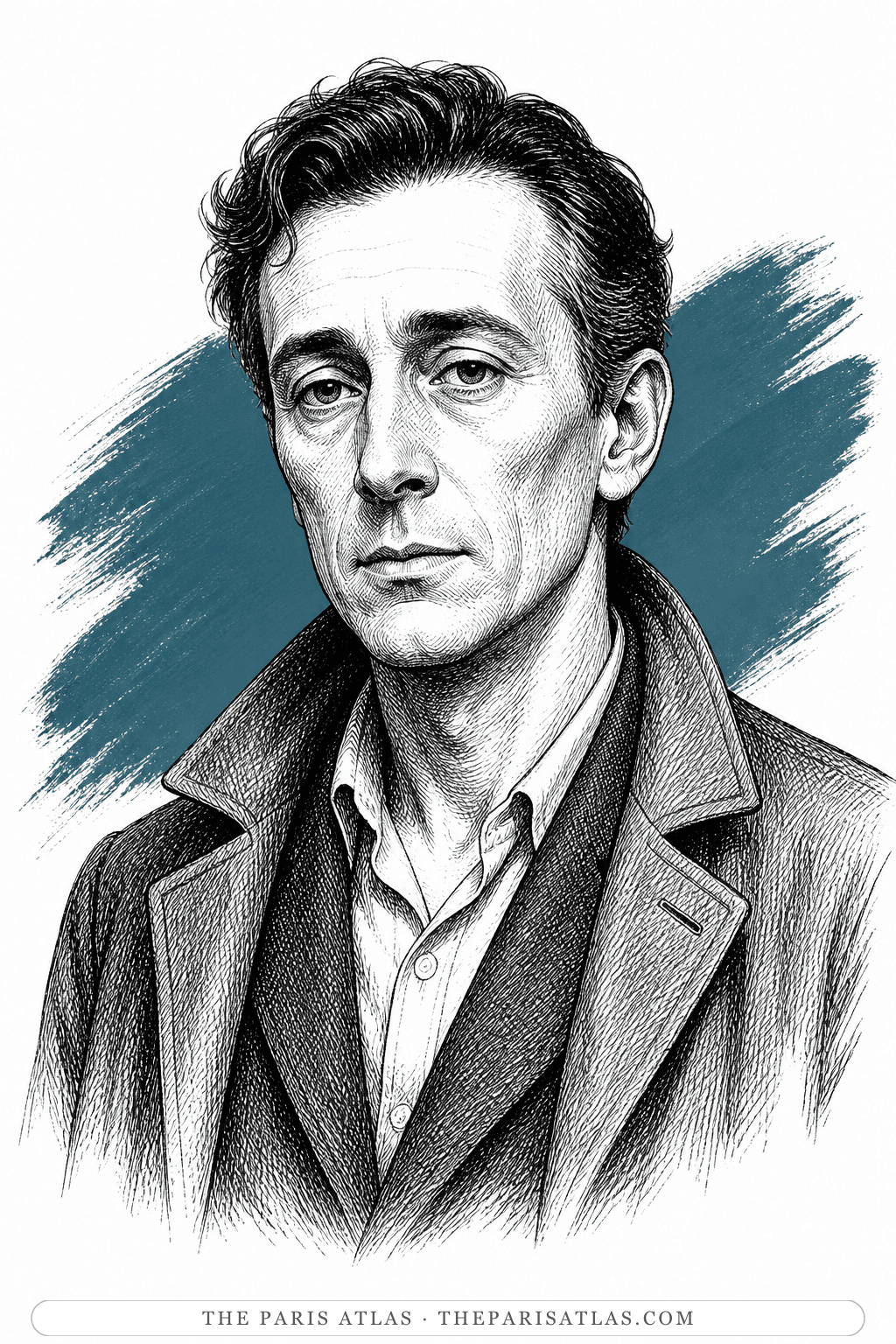
The immortal narrator. Born prince of Carmona in 1279; still walking through the same French spa town in the 1940s. Every attempt he has made to shape history has outlived the people he undertook it for, and he has stopped undertaking any.

A young French stage actor whose want is precise and ancient: to be remembered forever. When she believes she has found the witness whose memory cannot end, she asks the only question she has ever cared about, and finds out that the answer unmakes it.
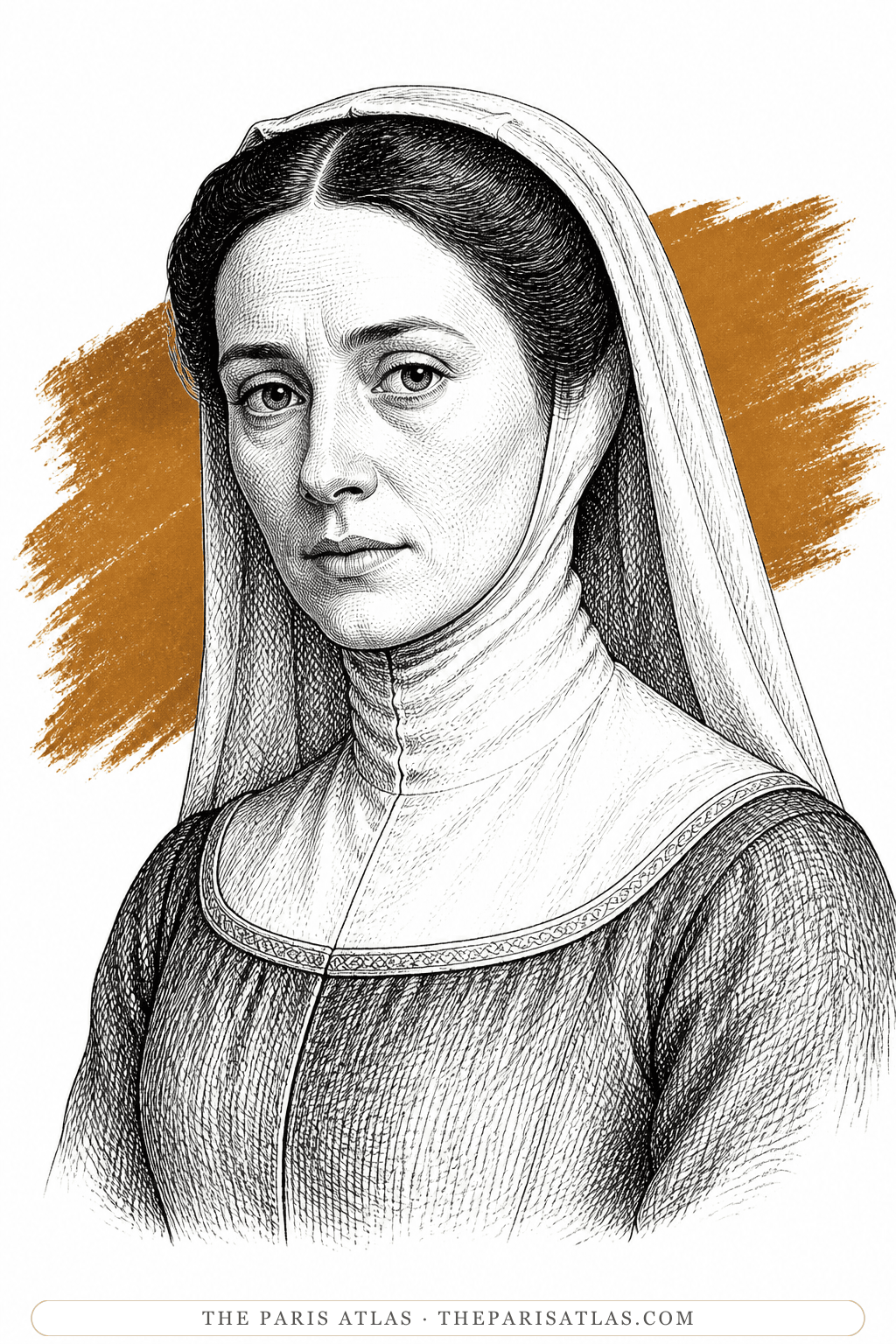
Fosca's first wife, in Carmona in the early fourteenth century. Ages and dies within their marriage, in the first century of his immortality — the first person he loves who becomes a stranger to him without moving.
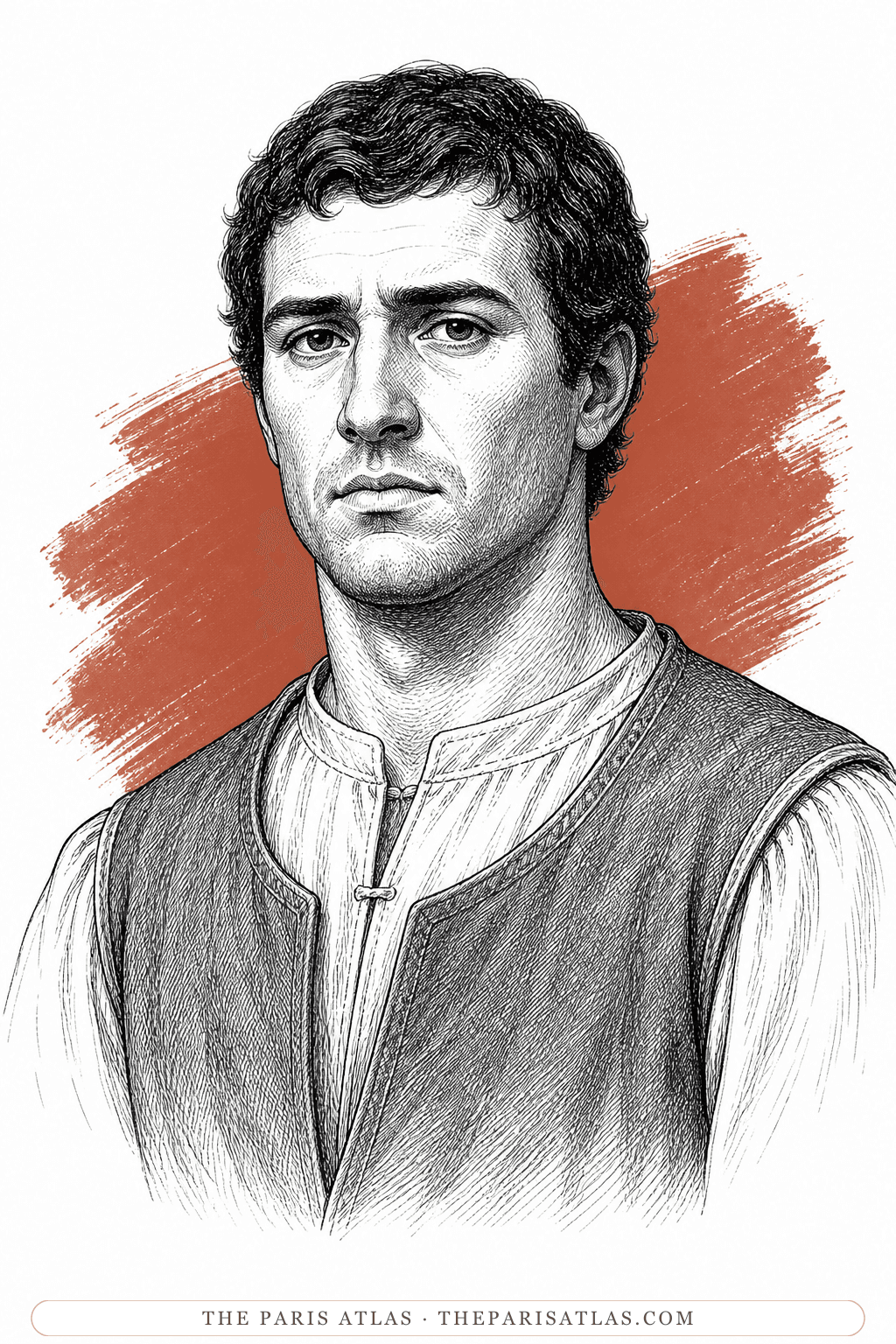
Fosca's son, born a mortal and raised in expectation of inheriting Carmona. His long life and death, watched from a fixed age by his father, is the first argument the book makes for its own thesis.
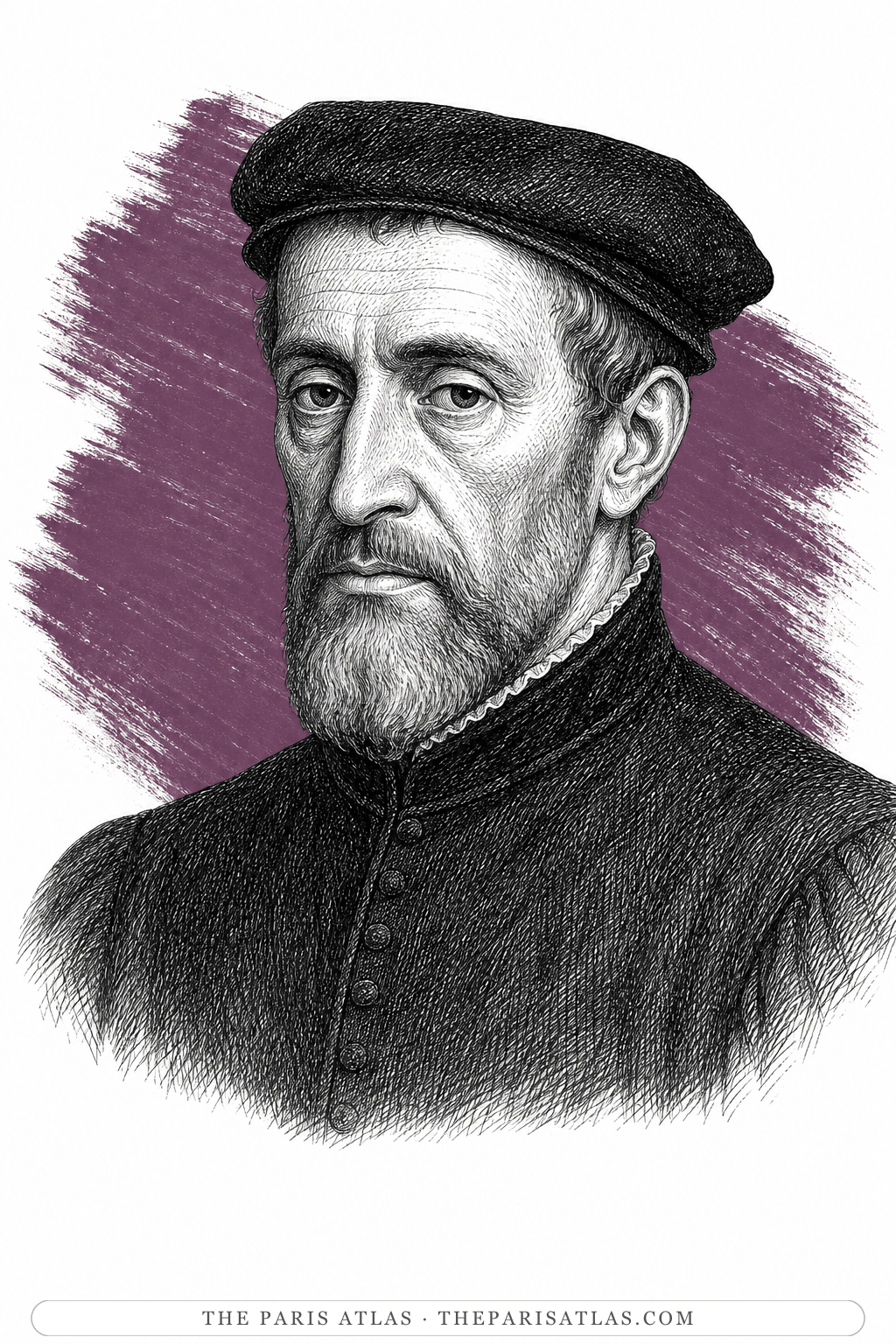
The Holy Roman Emperor whom Fosca serves in the second episode. A real historical figure whose voluntary abdication in 1556 is one of the book's few real dates. Beauvoir uses him to show that even the most powerful mortal choose to end.
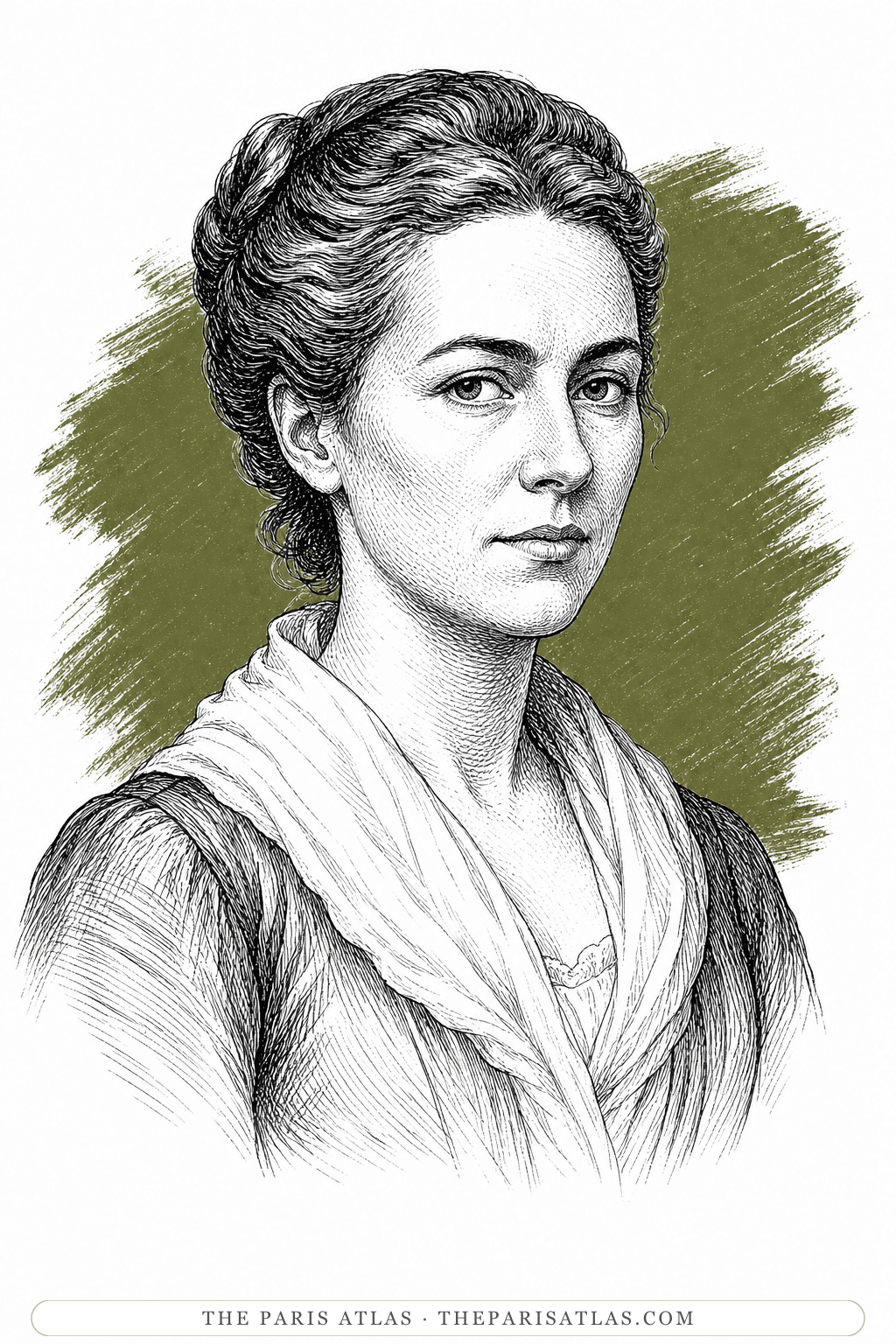
The fictional eighteenth-century philosophe, inventor, and balloonist Fosca supports in the Enlightenment episode. His faith in her Europe-wide programme of rational reform outlives her, and does not survive the Terror.
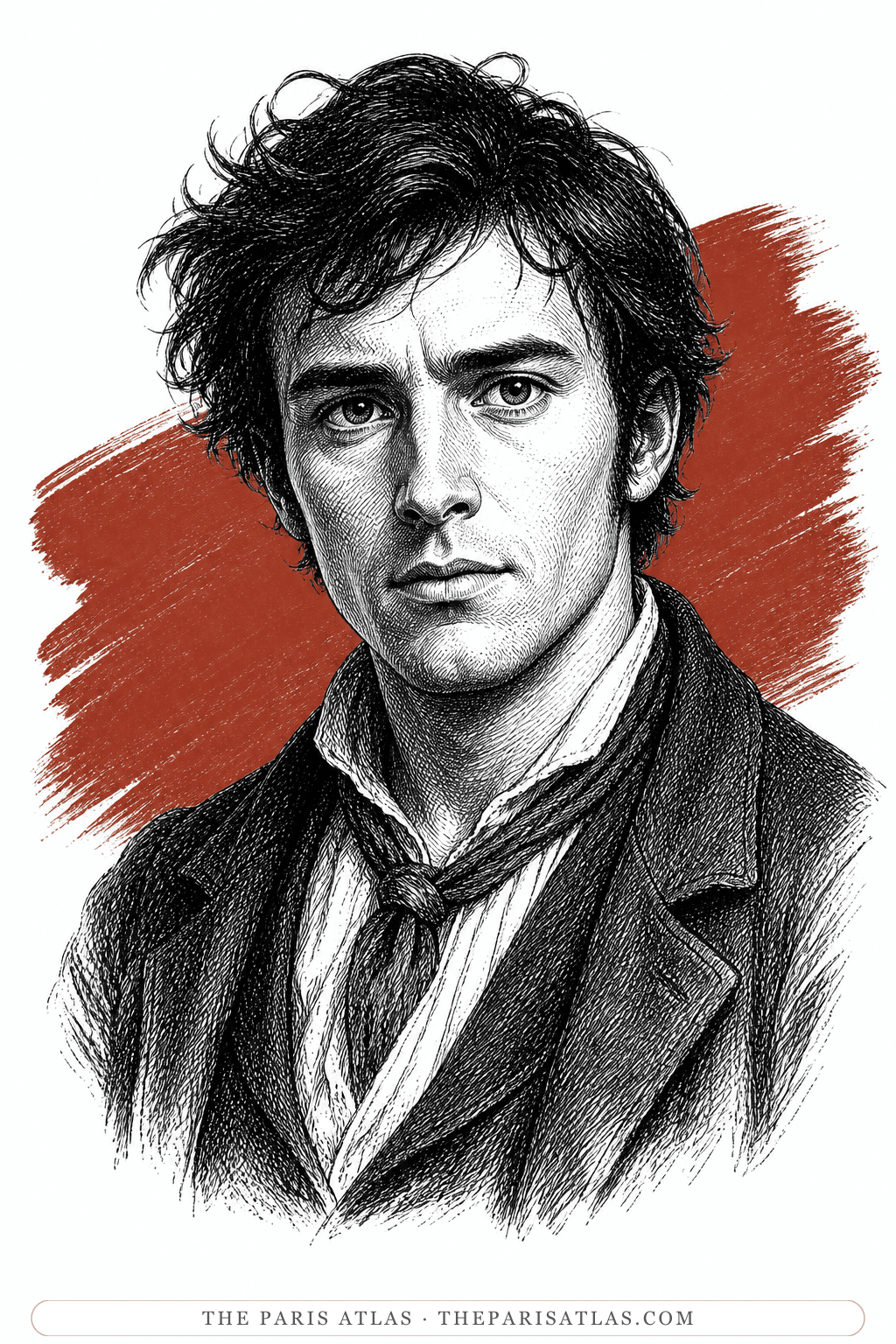
The idealistic young Republican organiser Fosca works with in the Paris of 1848 — and who dies at a barricade during the June Days. His death ends Fosca's last attempt at political action.
1943–1946
Simone de Beauvoir writes Tous les hommes sont mortels during the last year of the Occupation and the first year of the Liberation, working in Paris cafés alongside Jean-Paul Sartre.
November 1946
Gallimard publishes the original French edition in Paris.
1947
The Ethics of Ambiguity, Beauvoir's philosophical statement of the same argument about mortality and freedom, appears from Gallimard.
1955
Leonard M. Friedman's English translation appears from World Publishing in Cleveland as All Men Are Mortal.
1995
Virago reissues the Friedman translation in the United Kingdom with an introduction by Ali Smith.
Modern editions
Éditions Gallimard reprint the novel in the Folio paperback series; English editions are available from Norton and Virago Modern Classics.

Beauvoir's first novel: an established Parisian couple's promise of freedom is tested — and shattered — by the younger woman they invite into their lives.
Read our take
Beauvoir's 1947 essay giving existentialism the ethics Sartre never got around to writing — the philosophical statement of the argument She Came to Stay had put in a novel and The Second Sex would put in a thousand pages two years later.
Read our takeIt is a 1946 philosophical novel about mortality, framed as the life story of Raymond Fosca — a man who took an immortality elixir in Carmona, Tuscany, in 1309 and has spent seven centuries watching what he tried to build fall apart. His listener is Régine, a twentieth-century French actor who believes his memory can preserve her.
Gallimard published the original French edition, Tous les hommes sont mortels, in November 1946. Leonard M. Friedman's English translation appeared in 1955 (World Publishing / Editions Norton). Virago reissued the translation in 1995 with an introduction by Ali Smith.
Yes — it makes the existentialist case for mortality as the condition of value in a fictional form. Beauvoir wrote it immediately before The Ethics of Ambiguity (1947), where she states the same argument philosophically. Fosca's inability to give any of his choices lasting weight is the case The Ethics of Ambiguity then makes in the second person.
A short prologue and epilogue set in the twentieth century frame five long historical episodes narrated by Fosca himself: Carmona and Renaissance Italy; the imperial court of Charles V and the conquest of the New World; the eighteenth-century French Enlightenment; the French Revolution and Napoleonic period; and the failed European revolutions of 1848. The frame closes on Régine.
No. The premise is Beauvoir's invention. The historical figures Fosca meets — Charles V, some of the philosophes of the Enlightenment, the 1848 barricades — are real. The people closest to him in each episode (his wife Catherine, his son Antonio, Marianne, Armand) are her fictional creations.
It is the third of her three 1943–1946 novels, after She Came to Stay (1943) and The Blood of Others (1945), and it comes immediately before The Ethics of Ambiguity (1947). The three novels test the same postwar preoccupation — freedom, the other person, historical action — in three different keys: intimate, wartime, and mythic.
Explore authors with a similar voice, perspective, and influence.
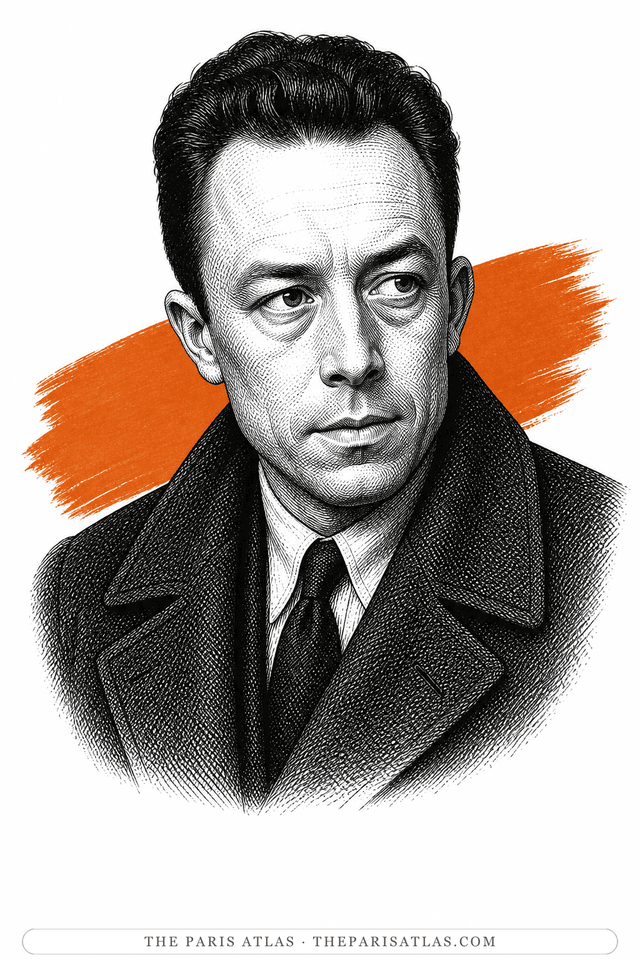
Both French writers used novels, essays, journalism, and public argument to ask how freedom and responsibility operate without a fixed moral system.
View author
The Brooklyn dropout who arrived in Paris broke at thirty-eight and wrote the exuberant, banned books that ended American censorship.
View author
The doctor of the Paris slums who wrote the century's blackest, funniest novel — and changed the sound of French prose.
View authorThe sources below include the primary text, editions, scholarship, archival materials, and other records that informed this page. They document All Men Are Mortal, its publication, and its place in literary history.


Selected French prologue passages in Gallimard's public EPUB sample; the analysis is original English prose, not a quotation from an English translation.

Publisher record used to verify the 1992 Norton paperback edition, ISBN, pagination, and Leonard M. Friedman translation credit.
Used to place All Men Are Mortal within Simone de Beauvoir's published work and verify its bibliographic context.
Used for independent biographical, archival, or historical context surrounding Simone de Beauvoir's career and the period in which All Men Are Mortal appeared.
Used to cross-check authorship, chronology, and the work's place in Simone de Beauvoir's wider catalogue.
Used to verify Simone de Beauvoir's bibliography and place All Men Are Mortal within the broader chronology of Simone de Beauvoir's career.
The primary text is the baseline reference for every book page. Additional references document publication history, interpretation, and historical context where that evidence is available.
 Explore more resources