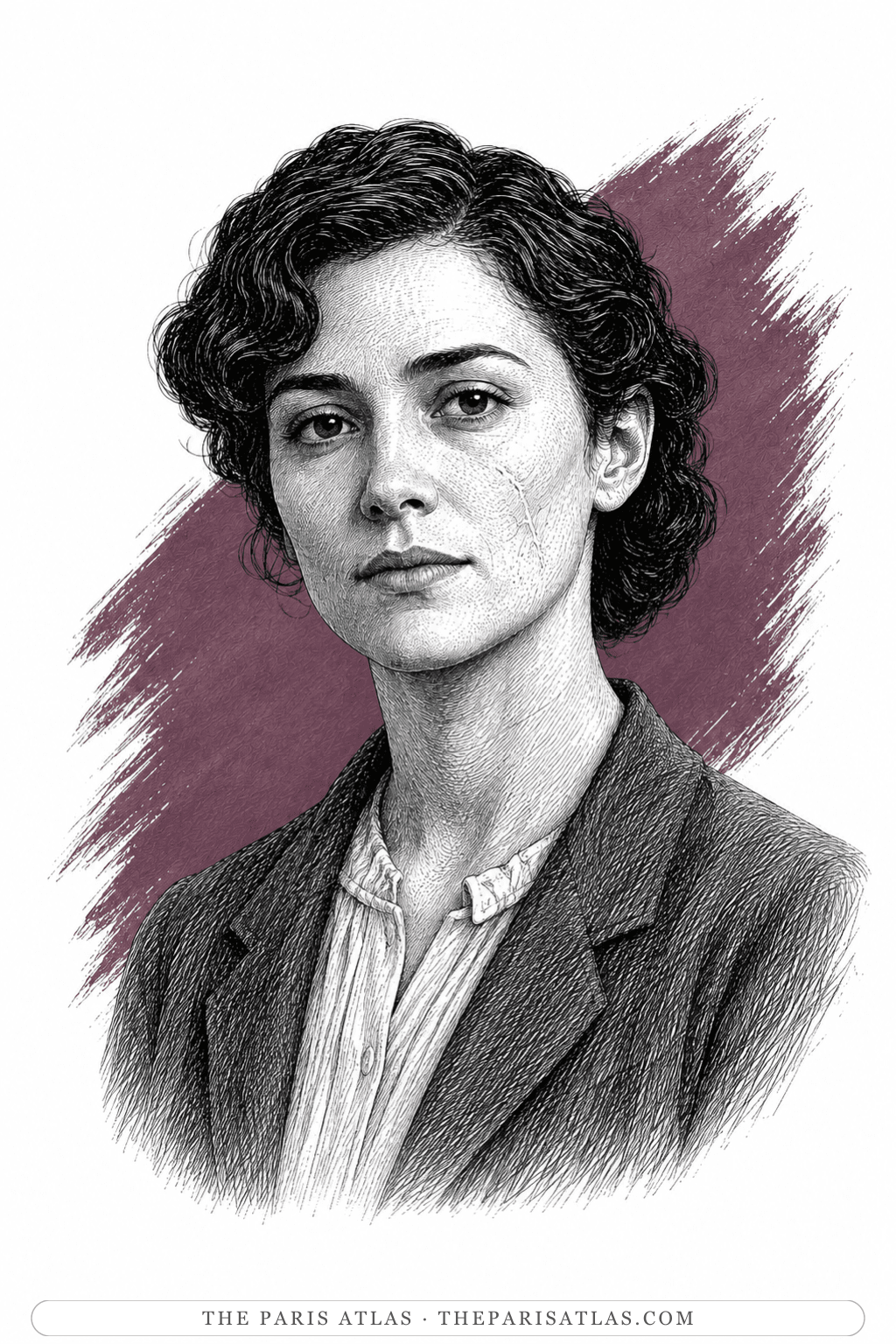
Vera Rivken
The physically scarred woman whose vulnerability forces Arturo to confront his sexual fear and cruelty.
To be met with tenderness and dignity rather than treated as a test of Arturo’s courage or desire.
The book

At a glance
- Arturo’s brief sexual and emotional partner
- Challenges his romantic and sexual self-image
- Killed during an earthquake
Who they are in the book
Spoiler-freeVera becomes sexually and emotionally involved with Arturo. Her visible scars and openness challenge the idealized way he thinks about desire.
She is vulnerable without being reduced to her injuries. Her encounter with Arturo exposes the immaturity behind his romantic self-image.
How Vera Rivken Is Portrayed
- Visible scarringThe novel makes her body part of the encounter without making it her only identity.
- Self-possessed presenceVulnerability does not erase her agency.
- Emotional directnessShe places Arturo near needs he cannot manage through boasting.
- Limit to idealizationHer reality challenges his separation of fantasy, pity, disgust, and desire.
Vera dies in an earthquake. Her death leaves Arturo shaken and makes the human consequences of his immaturity impossible to dismiss.
If you like Ask the Dust


If you like John Fante
Explore authors with a similar voice, perspective, and influence.
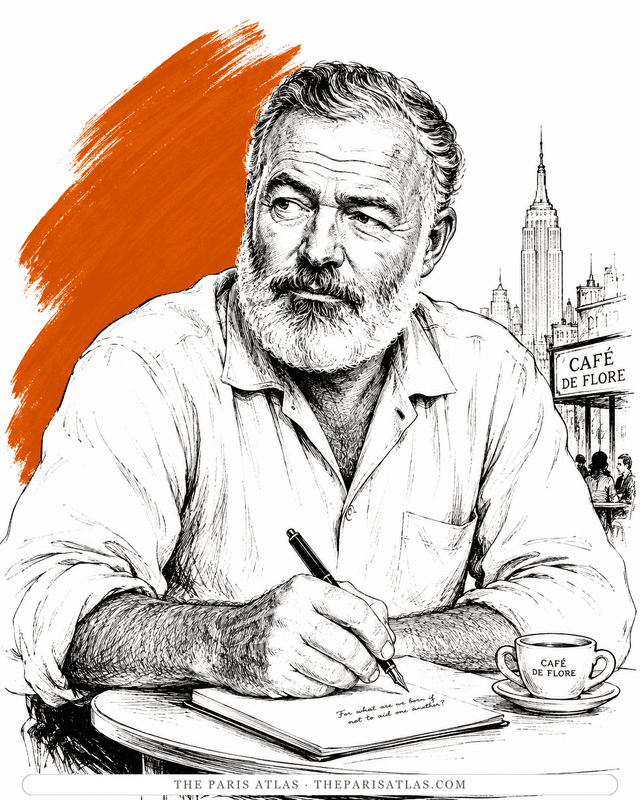
Ernest Hemingway
Author of The Sun Also Rises and A Moveable Feast; his pared-down style, developed in 1920s Paris, became the most imitated in American prose.
View author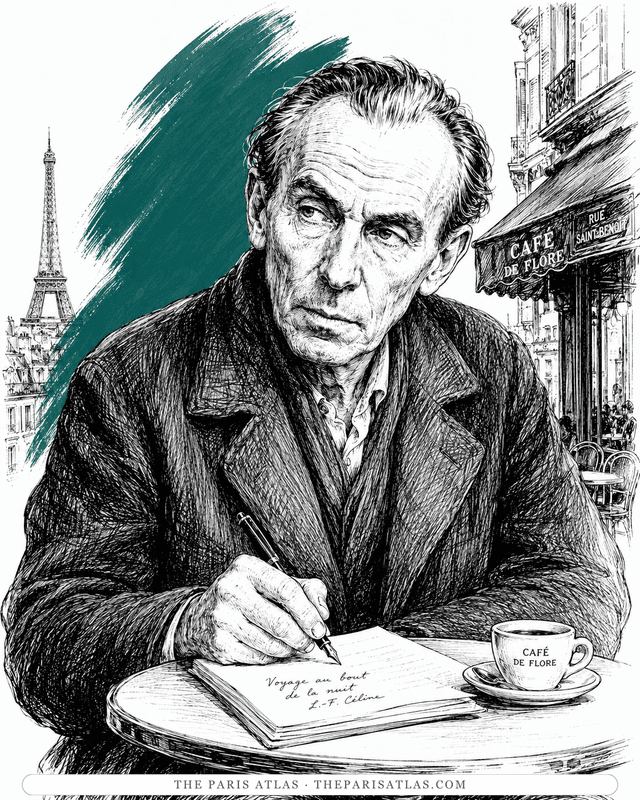
Louis-Ferdinand Céline
The doctor of the Paris slums who wrote the century's blackest, funniest novel — and changed the sound of French prose.
View author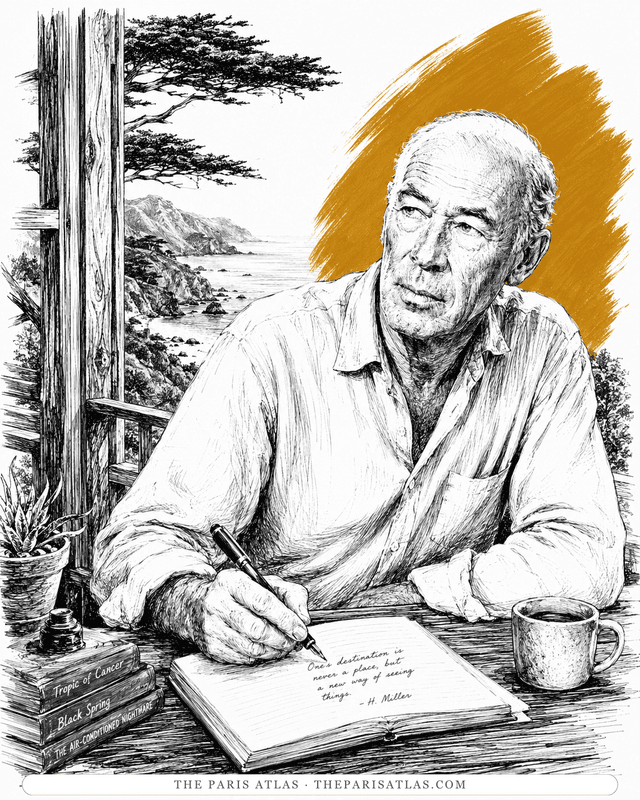
Henry Miller
The Brooklyn dropout who arrived in Paris broke at thirty-eight and wrote the exuberant, banned books that ended American censorship.
View author