Police informants
The informers, or pigeons, whose presence makes trust dangerous throughout the drug economy.
To gather information, protect their own position, and remain convincing inside the networks they expose.
The book

At a glance
- Pigeons
- Pass information to law enforcement
- Make trust dangerous inside the drug network
Who they are in the book
Spoiler-freeInformants move within the same networks as dealers and users while passing information to law enforcement. Their usefulness depends on appearing trustworthy long enough to expose others.
For Lee, the possibility of an informant changes every conversation. Surveillance is not outside the drug world; it is built into its relationships.
How Police informants Is Portrayed
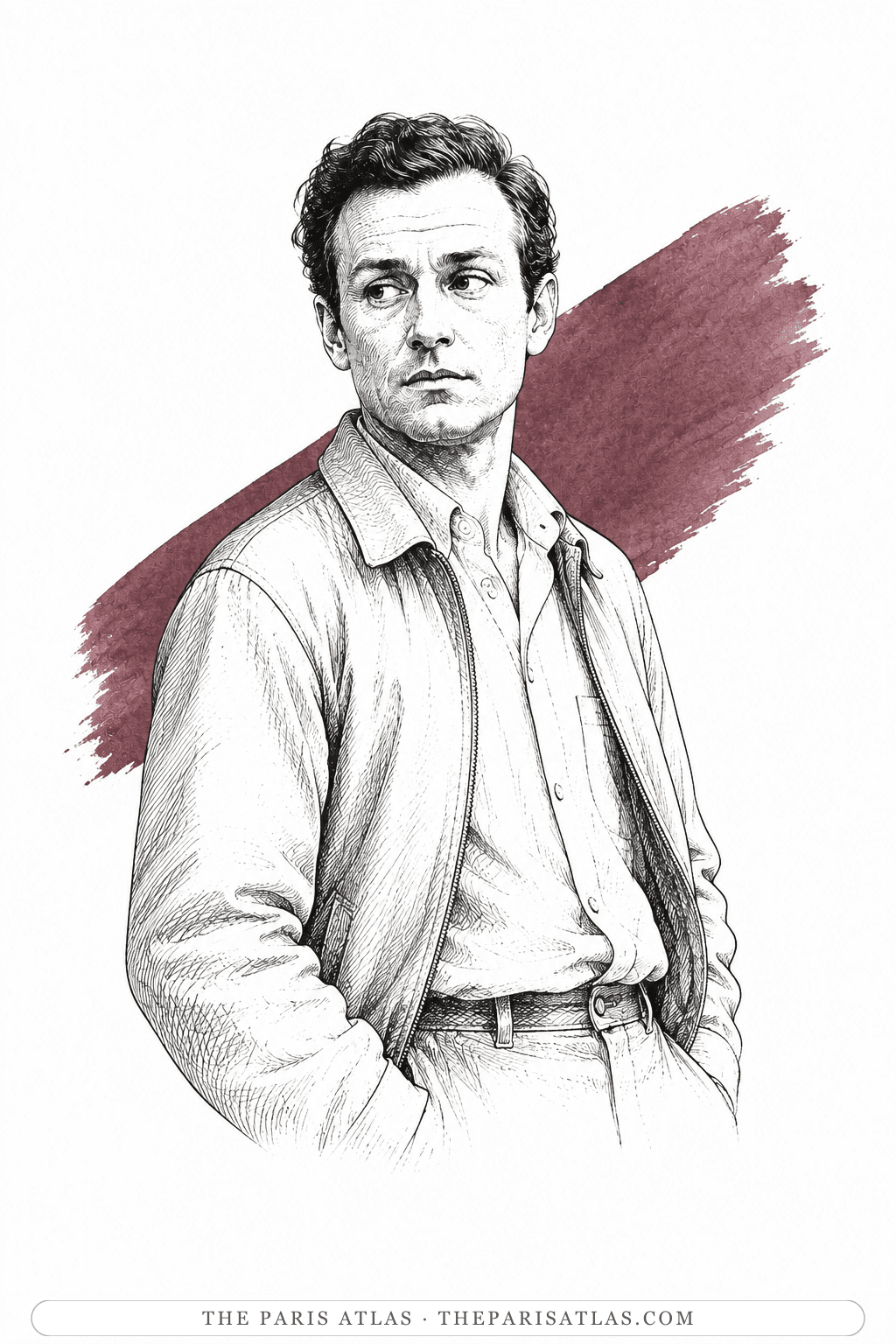
- Ordinary postwar clothingAn informant must blend into the same social world.
- Unreadable expressionOthers cannot safely know where loyalty lies.
- WatchfulInformation comes from attention and remembered detail.
- Socially adaptableCredibility changes from room to room.
- Threat without uniformLaw enforcement enters through familiar faces.
- Grouped roleOne anonymous representative portrait stands for the pigeons named collectively in the source.
Informants remain part of the pressure that pushes Lee between cities. The book does not give the grouped figures one shared ending.
If you like Junky


If you like William S. Burroughs
Explore authors with a similar voice, perspective, and influence.
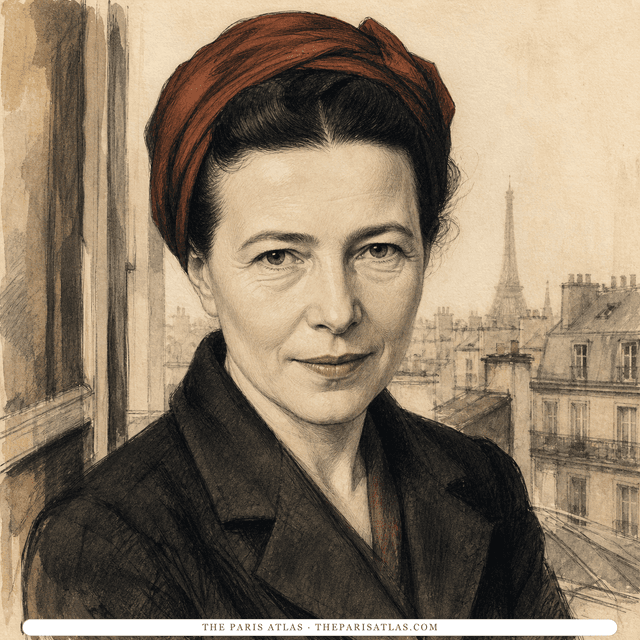
Simone de Beauvoir
French writer and philosopher whose novels, memoirs, and social analysis examined freedom, gender, responsibility, aging, and the material conditions that shape a life.
View author
Paul Bowles
American novelist and composer whose expatriate fiction explores dislocation, unstable intimacy, fatalism, and North Africa.
View author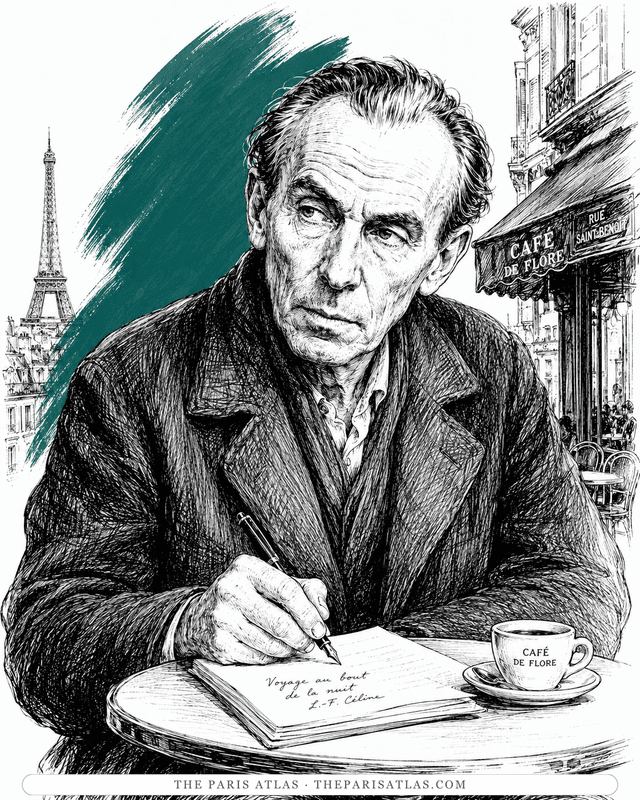
Louis-Ferdinand Céline
The doctor of the Paris slums who wrote the century's blackest, funniest novel — and changed the sound of French prose.
View author