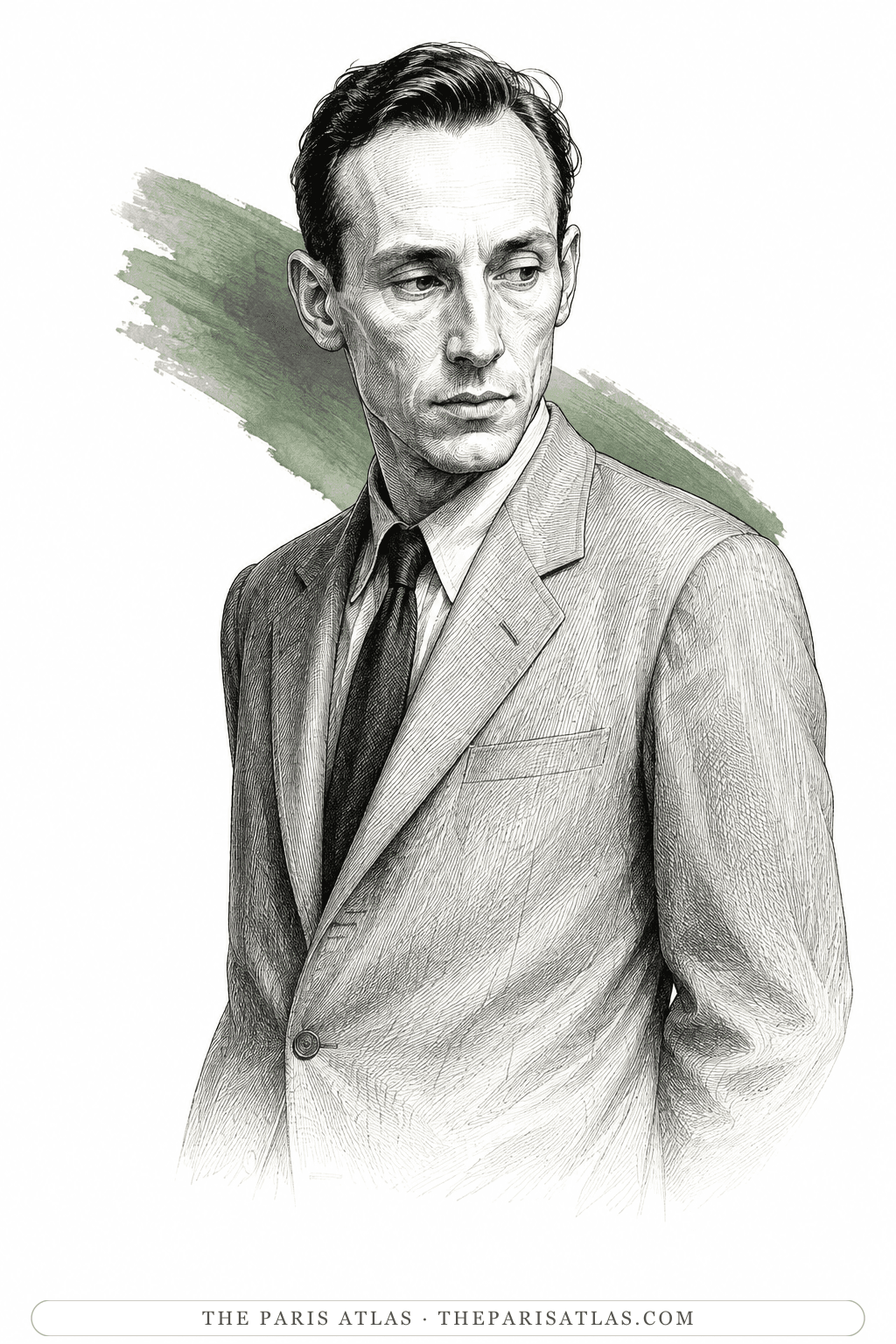
William Lee
The semi-autobiographical narrator who uses and sells narcotics while observing addiction with unsettling detachment.
To keep moving, remain supplied, and preserve personal autonomy even as dependence organizes more of his life.
The book

At a glance
- First-person narrator and semi-autobiographical alter ego
- Uses and sometimes sells narcotics
- New York, New Orleans, Mexico, and other locations
Who they are in the book
Spoiler-freeLee learns the practical systems around opiate dependence: injection, dosage, supply, withdrawal, dealing, prescriptions, trust, and police pressure. His voice stays cool even when the circumstances become dangerous.
He is closely based on Burroughs but remains a literary persona. That distinction lets the book shape lived material into a deliberate report from inside the drug world.
How William Lee Is Portrayed
- Thin mid-century manHis spare appearance matches the economical narration.
- Plain suitOrdinary clothing resists romantic outlaw styling.
- Watchful expressionHe studies systems and people before offering judgment.
- Controlled postureDetachment remains visible even under bodily pressure.
- UnsensationalNo glamorous drug paraphernalia defines the portrait.
- RestlessMovement between cities and substances keeps any ending open.
Lee does not reach a final recovery. He moves toward Mexico and turns his attention to yagé and other altered states.
If you like Junky


If you like William S. Burroughs
Explore authors with a similar voice, perspective, and influence.
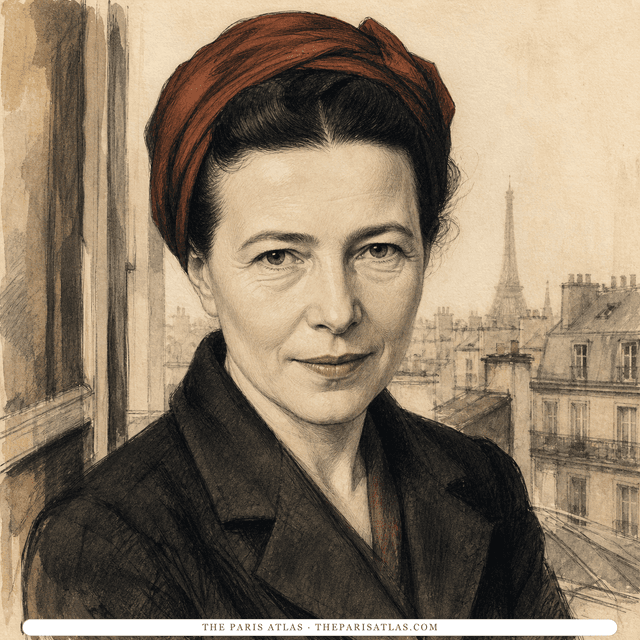
Simone de Beauvoir
French writer and philosopher whose novels, memoirs, and social analysis examined freedom, gender, responsibility, aging, and the material conditions that shape a life.
View author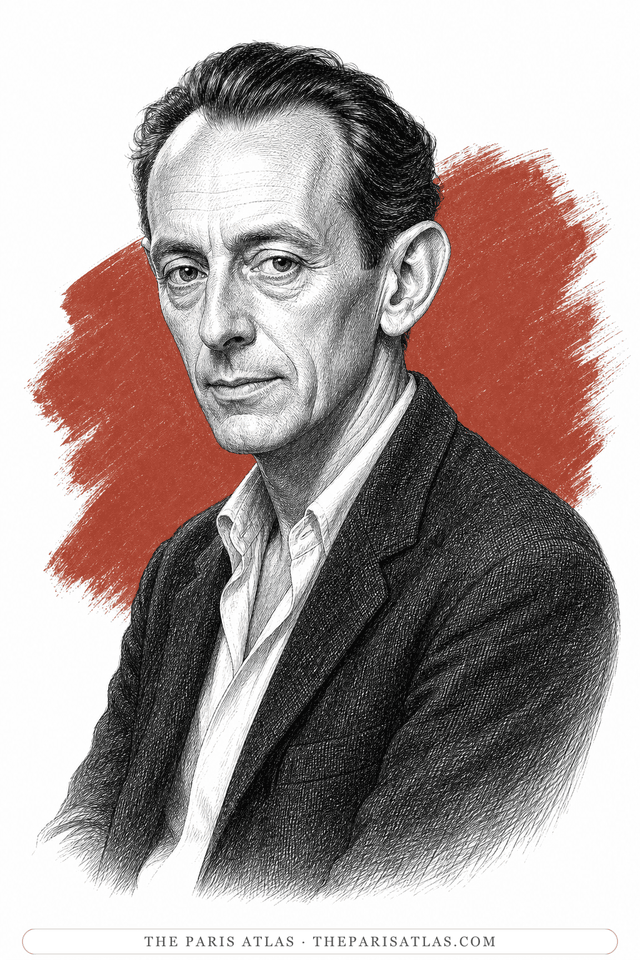
Paul Bowles
American novelist and composer whose expatriate fiction explores dislocation, unstable intimacy, fatalism, and North Africa.
View author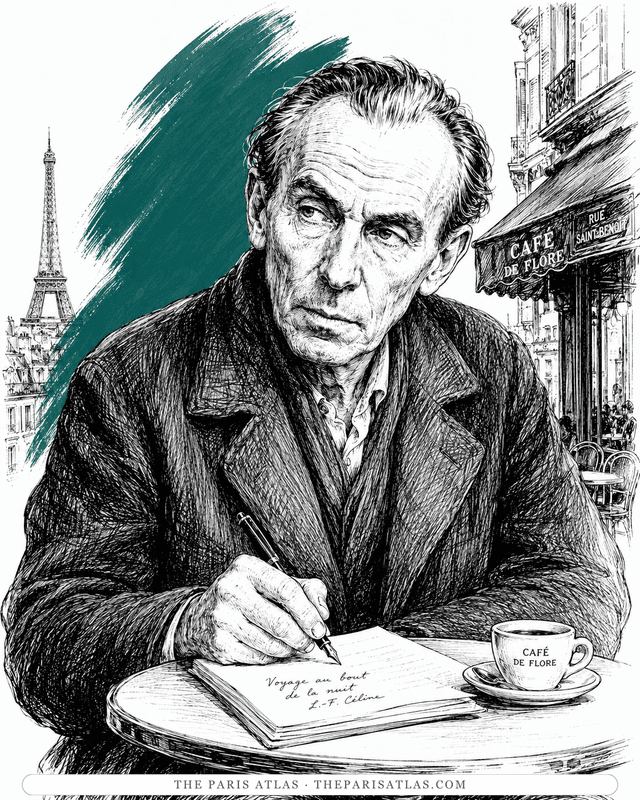
Louis-Ferdinand Céline
The doctor of the Paris slums who wrote the century's blackest, funniest novel — and changed the sound of French prose.
View author