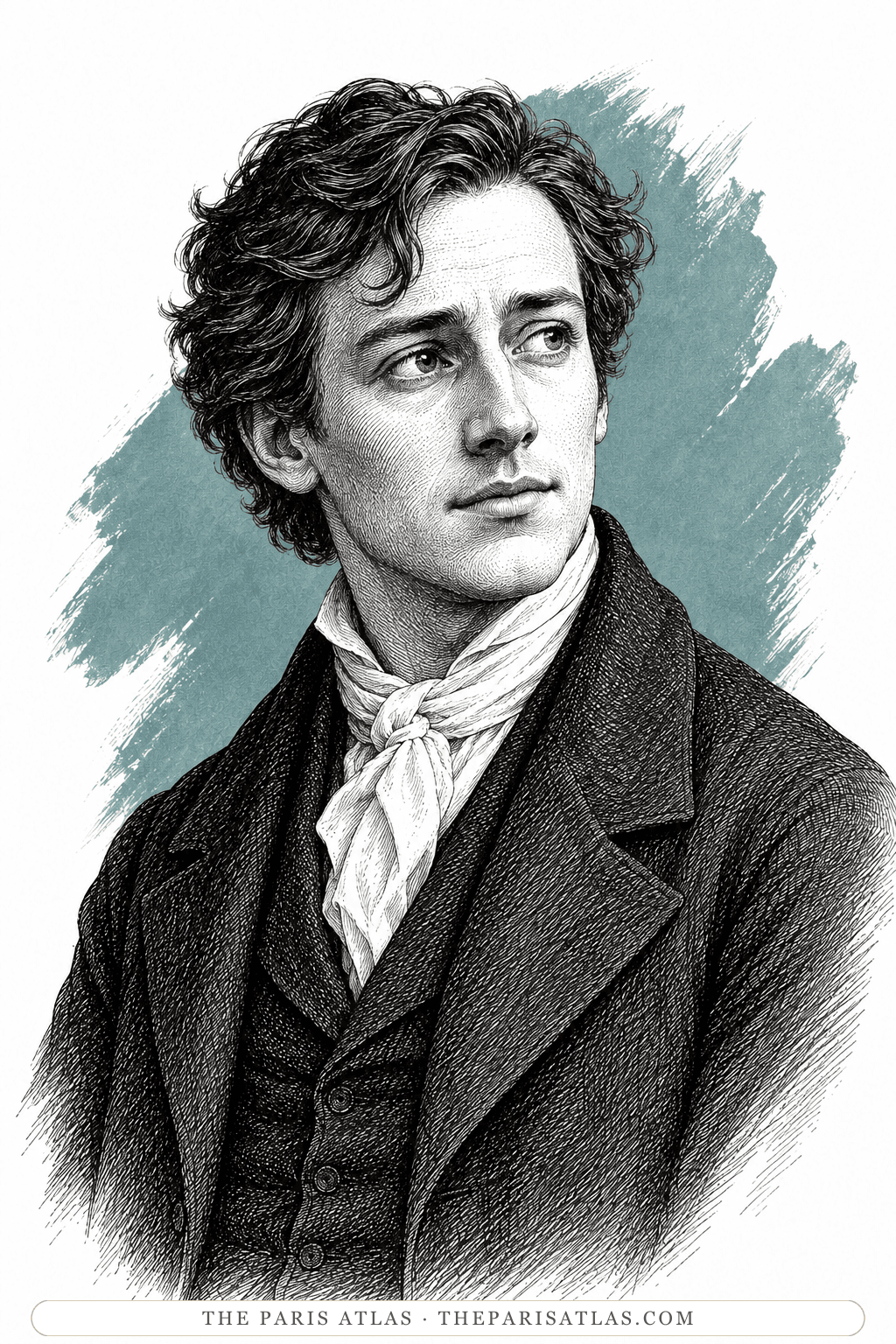
Woodville
A young poet whose fiancée, Elinor, has died before their planned marriage.
He wants to remain useful to his mother and friends, and to pursue work that might benefit other people.
The book

Who they are in the book
Spoiler-freeWoodville is known through Mathilda’s admiring but sometimes suspicious account. His own bereavement gives them common ground without making their experiences identical.
How Woodville Is Portrayed
- Carrying a loss of his ownIn Chapter IX, Mathilda recounts Woodville’s return to the dying Elinor after an absence. Their marriage had been postponed until her twenty-first birthday. His grief enters the friendship as a continuing part of his life, rather than a difficulty he has already overcome.
- Meeting through an accidentIn Chapter X, Woodville’s horse is startled when Mathilda approaches, and he falls. She brings water and helps him. Their friendship begins with her practical assistance, giving her an active part in a relationship often described through his consolation of her.
- Listening without demanding the secretIn Chapter X, he asks Mathilda to let him be a friend while accepting that she will not explain the cause of her unhappiness. He offers comfort without requiring her to reveal her secret.
- Reaching her through imaginationIn Chapter X, his conversation and imaginative energy sometimes turn Mathilda’s attention outward. She describes temporary relief in his company. The effect matters, but it fades after he leaves and does not amount to a recovery.
- Refusing the proposed pactIn Chapter XI, Woodville rejects Mathilda’s proposal that they die together. He speaks of his mother, his friend and the good that work might do for others. With her consent he disposes of the poison. He stays with her for hours afterward.
- Answering another person’s needIn Chapter XII, Woodville goes to his sick mother and promises to return. Mathilda conceals her own worsening condition from him. His absence has a stated duty behind it, and the account gives no basis for treating it as deliberate rejection of her.
If you like Mathilda


If you like Mary Shelley
Explore authors with a similar voice, perspective, and influence.
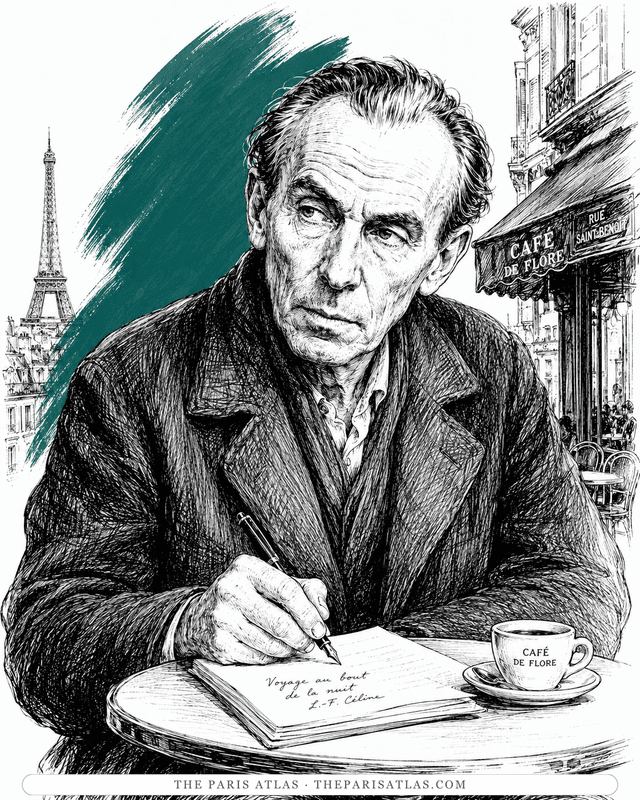
Louis-Ferdinand Céline
The doctor of the Paris slums who wrote the century's blackest, funniest novel — and changed the sound of French prose.
View author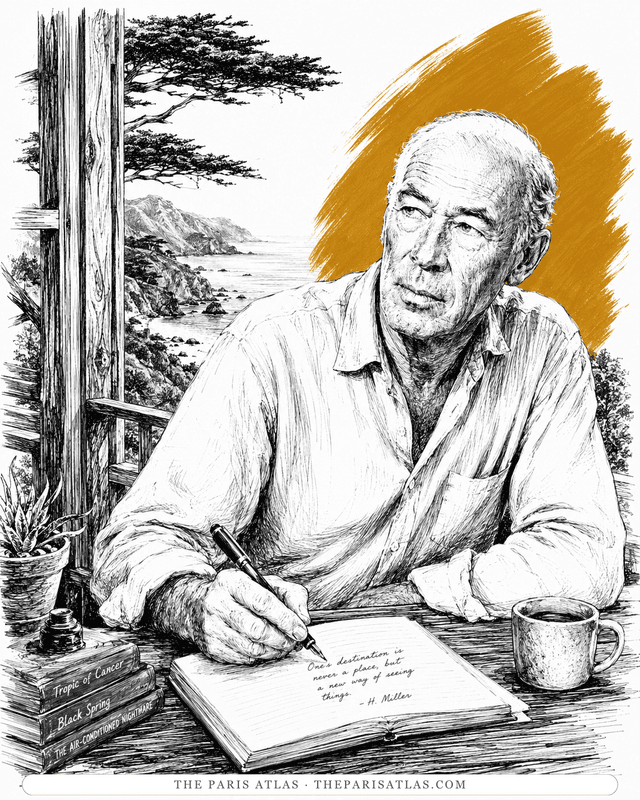
Henry Miller
The Brooklyn dropout who arrived in Paris broke at thirty-eight and wrote the exuberant, banned books that ended American censorship.
View author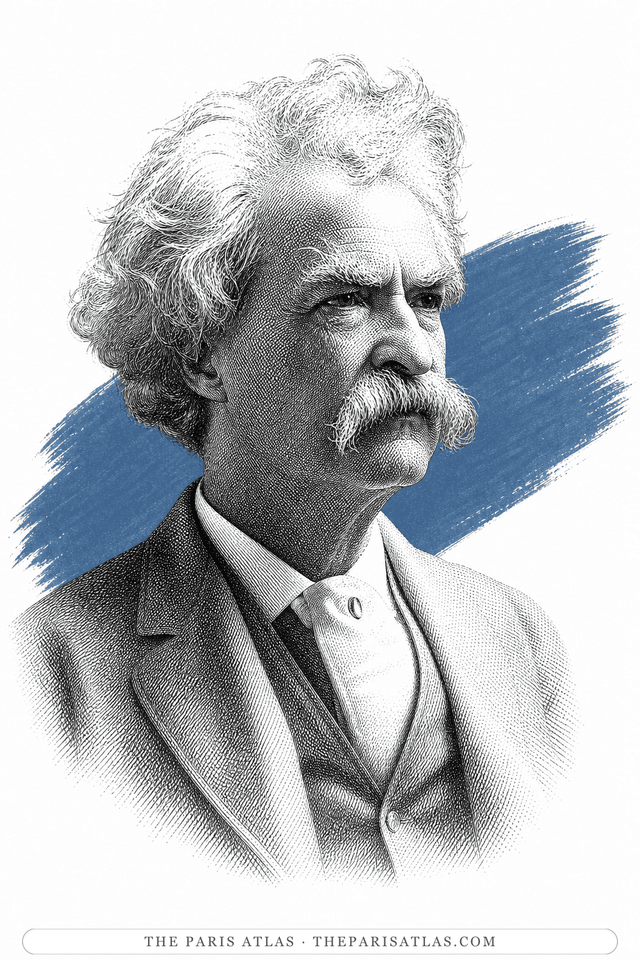
Mark Twain
The Missouri newspaperman who became America's most famous writer, and whose first book made its reputation partly out of Paris: in 1867 he arrived with a shipload of American tourists, renamed his guide Ferguson, watched the high-kicking can-can through his fingers and wrote it all down. He kept coming back — and was living in Paris in the mid-1890s, broke, while finishing the novel he considered his best, Personal Recollections of Joan of Arc.
View author