

Slouching Toward Nirvana
A posthumous collection whose title jokes on a famous Yeats line — evidence of how widely read the supposedly artless Bukowski was.
- 2005
- Wry
- Savage
- Melancholy
- autobiographical
- voice-driven
- spare
- funny
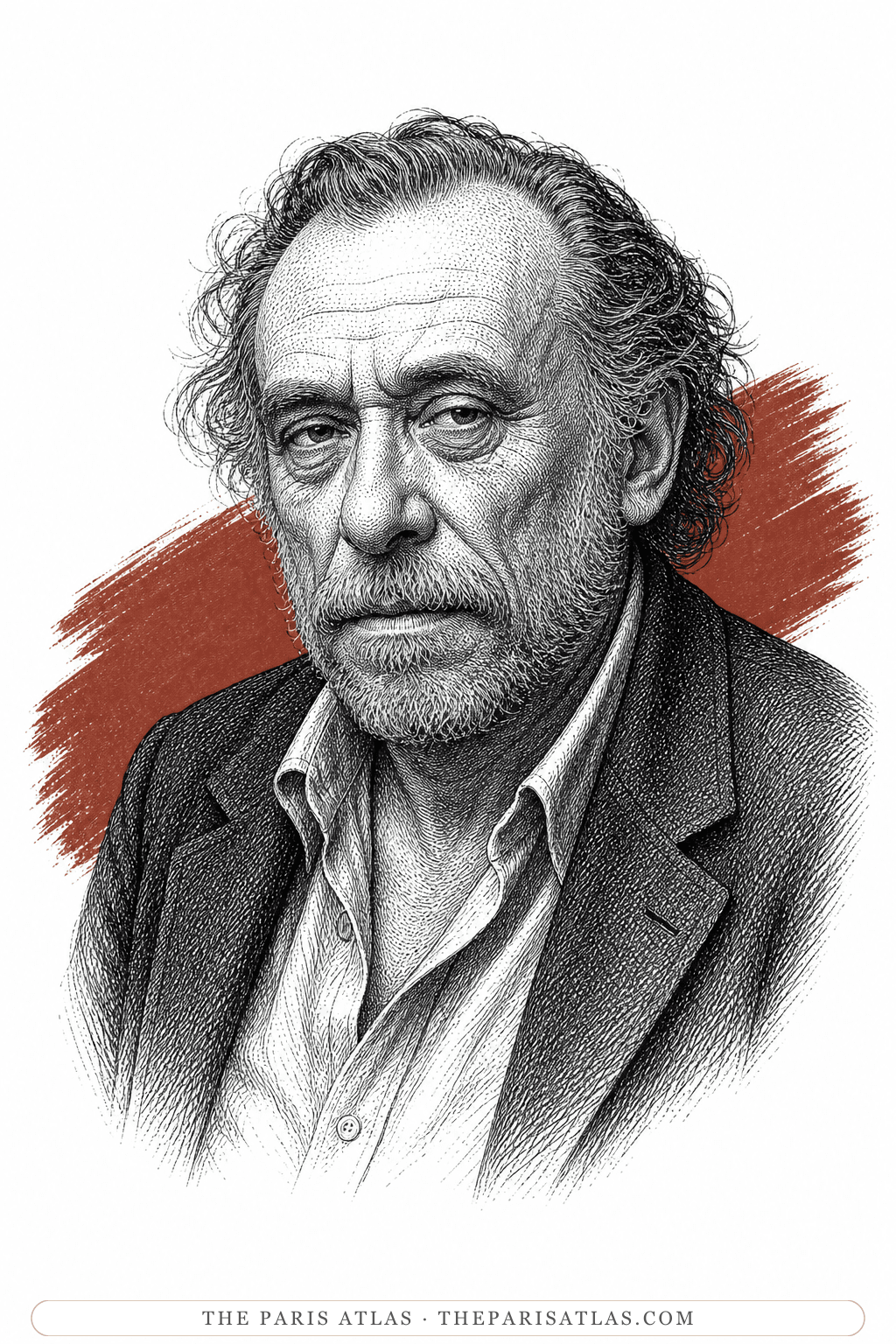
About Charles Bukowski
The story, briefly
Spoiler-freeSlouching Toward Nirvana, published by Ecco in 2005, is the third of the Ecco-era volumes drawn from the archive of unpublished poems Charles Bukowski left at his death. The title is a joke on a famous line of poetry: W. B. Yeats's The Second Coming ends with a beast that "slouches towards Bethlehem to be born," and Bukowski's title replaces Bethlehem with nirvana. Bukowski had a reputation as an uneducated writer, and the Yeats joke shows how wrong that reputation was. The poems inside stay on his usual late subjects: the city, the writing desk, the racetrack, the past. In 2013 the writer Michael Phillips showed that the posthumous volumes had been altered in editing, and Abel Debritto's restored editions print the poems as Bukowski typed them.
The story, in more detail
The title matters because of Bukowski's reputation. He was often read as an uneducated primitive, but he had read widely all his life and rarely said so in the poems. A title that jokes on W. B. Yeats — a central poet of the modernist canon — shows the reading his plain style concealed. Within the series, the volume sits late in the Ecco run, published in 2005.
Themes and analysis
Longwood at daybreak
The opening of “a 4th of July in the early 30’s” places a national holiday inside a household economy of unemployment and relief food. Celebration is hardly guaranteed by the calendar. The speaker cannot settle on the year, yet recalls the early hour, lifting fog and friend’s arrival with striking precision. Memory preserves the force of an interruption more securely than its date. The abrupt noise gives movement to a neighborhood described as resigned, making Gene’s appearance seem momentarily larger than the ordinary street along which he walks.
The morning farewell
At Gene’s house, a brief exchange brings the shared outing back to the scale of half an hour. The speaker’s thanks makes companionship central to what the morning has offered. Yet the preceding episode is not simply a picture of harmless childhood freedom: the boys’ excitement includes frightening a neighbor and threatening other people’s property. Their sense of power comes partly at someone else’s expense. The quiet farewell holds that complication beside the pleasure, rather than turning deprivation into an automatic excuse for everything the boys have done.
Why we recommend it
Proof of the reading
The title's Yeats joke shows what Bukowski's plain style concealed: he had read the modernist canon, and could bend it when he wanted to.
The late subjects, continued
More poems from the archive on the usual late subjects — the city, the writing desk, memory.
A useful comparison with restored texts
Its place in the posthumous series makes the distinction between editorial presentation and surviving manuscripts important to the reading.
What this book explores
Timeline
2005
Ecco publishes the collection — the third archive volume of its run.
2006
Ecco publishes the paperback edition of the collection.
2013
Michael Phillips's manuscript comparisons document the posthumous editing question.
Book editions

- Paperback
- Ecco
- 2005
- 9780060577032
Reader reviews
Readers may also like


Sifting Through the Madness for the Word, the Line, the Way
The first Ecco volume — the start of the run this book continues.
Read our takeSlouching Toward Nirvana: frequently asked questions
What is Slouching Toward Nirvana?
A posthumous collection of previously unpublished Charles Bukowski poems, published by Ecco in 2005 from the archive he left at his death.
Is the title a Yeats reference?
Yes. W. B. Yeats's poem The Second Coming ends with a beast that "slouches towards Bethlehem to be born." Bukowski's title replaces Bethlehem with nirvana. The joke shows a poet with a plain-talk reputation making a deliberate play on one of the most famous lines in modern poetry.
Are these poems as Bukowski wrote them?
The posthumous volumes carry a documented editing question: 2013 manuscript comparisons showed substantial alterations, and Abel Debritto's restored editions — backed by Bukowski's widow Linda Lee Bukowski — print the manuscripts unrevised.
Where does it sit in the posthumous series?
Late in the Ecco run: after The Flash of Lightning Behind the Mountain (2004), before Come On In! (2006) and the volumes that closed the sequence.
Is it still in print?
Yes — Ecco keeps it in its catalogue in paperback.
If you like Charles Bukowski
Explore authors with a similar voice, perspective, and influence.
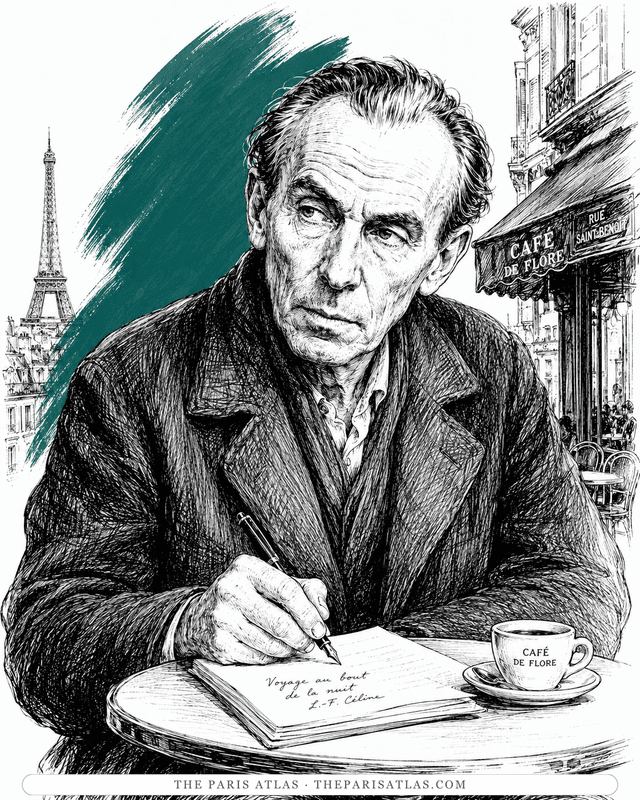
Louis-Ferdinand Céline
The doctor of the Paris slums who wrote the century's blackest, funniest novel — and changed the sound of French prose.
View author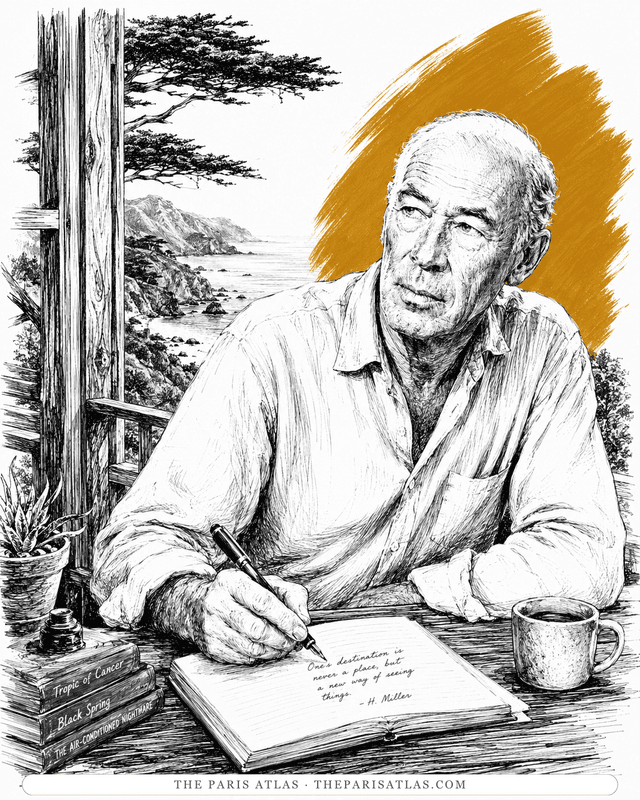
Henry Miller
The Brooklyn dropout who arrived in Paris broke at thirty-eight and wrote the exuberant, banned books that ended American censorship.
View author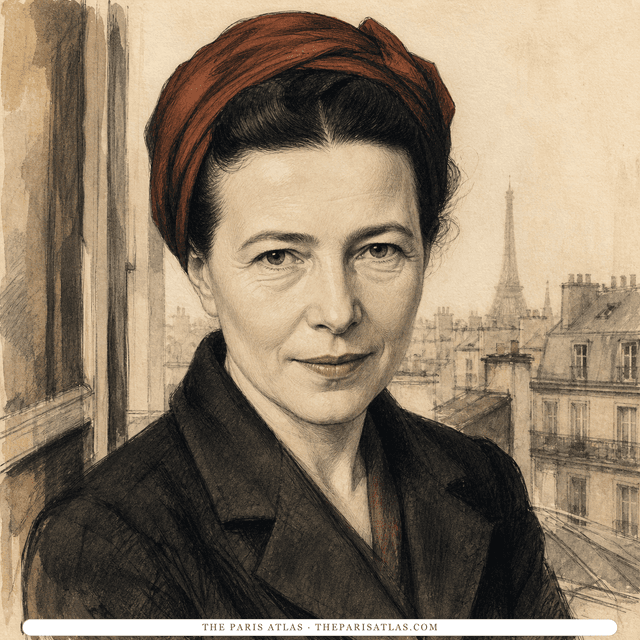
Simone de Beauvoir
French writer and philosopher whose novels, memoirs, and social analysis examined freedom, gender, responsibility, aging, and the material conditions that shape a life.
View author
References
References
The sources below include the primary text, editions, scholarship, archival materials, and other records that informed this page. They document Slouching Toward Nirvana, its publication, and its place in literary history.

1Slouching Toward Nirvana
PoetryCharles Bukowski, 2005Used forThe primary text represented by this page, used for descriptions of the work’s contents and for any quoted passages shown here.

2Charles Bukowski timeline (bukowski.net)
WebsiteUsed forPublication year and the volume's place in the Ecco run.
3Bukowski's poems were mangled by editors after his death. Now you can read his originals
PeriodicalPBS NewsHourUsed forThe documented editing of the posthumous poems and the restored editions.
4Charles Bukowski's Posthumous Poetry: As the Spirit Wanes, Shit Happens
PeriodicalLos Angeles Review of BooksUsed forCritical account of the posthumous program.
5Slouching Toward Nirvana — edition record
Official recordOpen Library, Internet ArchiveUsed forOfficial record used to verify names, dates, institutional details, or other factual information on this page.
6Open Library — Slouching Toward Nirvana editions
WebsiteUsed forWeb source consulted for documented facts and historical context presented on the Slouching Toward Nirvana page.
7Slouching Toward Nirvana — authorized ebook preview
WebsiteEcco (preview distributed by Perlego), 2009Used forAuthorized preview contains both illustrated moments but truncates after Gene enters his house. Analysis concerns that visible passage, not an unverified ending or manuscript version.
i
Why these sources are here
The primary text is the baseline reference for every book page. Additional references document publication history, interpretation, and historical context where that evidence is available.
 Explore more resources