
Charles Walker
A graduate student whose confident performance cannot persuade Stoner that he meets the department’s academic standards.
To pass Stoner’s course, advance in graduate study, and have his intellectual performance recognized as legitimate by the department.
The book

At a glance
- Graduate student
- Hollis Lomax
- Fails Stoner’s oral examination
Who they are in the book
Spoiler-freeWalker is verbally agile and theatrical in seminars, especially when Lomax’s protection gives him confidence. Stoner sees the performance as a substitute for careful knowledge and honest intellectual work.
Because Walker also has a disability, the conflict becomes vulnerable to claims about prejudice. The novel asks readers to distinguish academic judgment from personal dislike without offering an easy institutional process for doing so.
How Charles Walker Is Portrayed
- Young graduate studentHe appears assured rather than inexperienced.
- Early-20th-century campus clothesHis clothing is respectable and ambitious.
- Confident expressionVerbal performance is a source of power.
- Physically distinctiveDisability is present without exaggeration.
- Close engraved bustNo manuscript, seminar, or classroom appears.
- Muted ochre accentThe color supports his forceful presence.
Stoner refuses to pass Walker. Lomax prevents the decision from ending quietly and uses it as the basis for years of retaliation.
If you like Stoner


If you like John Williams
Explore authors with a similar voice, perspective, and influence.
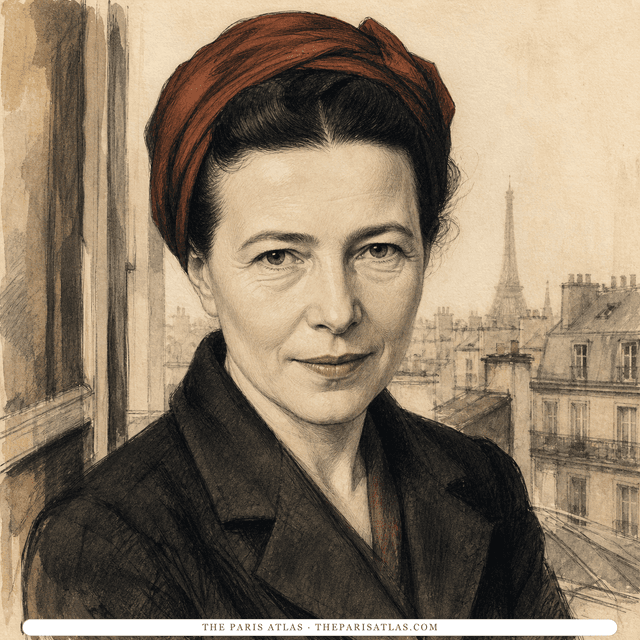
Simone de Beauvoir
French writer and philosopher whose novels, memoirs, and social analysis examined freedom, gender, responsibility, aging, and the material conditions that shape a life.
View author
Louis-Ferdinand Céline
The doctor of the Paris slums who wrote the century's blackest, funniest novel — and changed the sound of French prose.
View author
Henry Miller
The Brooklyn dropout who arrived in Paris broke at thirty-eight and wrote the exuberant, banned books that ended American censorship.
View author