Edith Stoner
Stoner’s wife, whose fear of intimacy and growing hostility make their marriage a long source of pain.
To gain control over a marriage and household that initially leave her frightened, exposed, and unable to meet the role she was trained to perform.
The book

At a glance
- William Stoner’s wife
- Grace Stoner
- Control, withdrawal, and emotional cruelty
Who they are in the book
Spoiler-freeEdith comes from a socially polished but emotionally restrictive family and enters marriage with little preparation for physical or domestic intimacy. Her early distress develops into deliberate control.
She hurts Stoner most deeply by reshaping his relationship with Grace. Understanding the pressures that formed Edith does not erase the sustained cruelty of her actions.
How Edith Stoner Is Portrayed
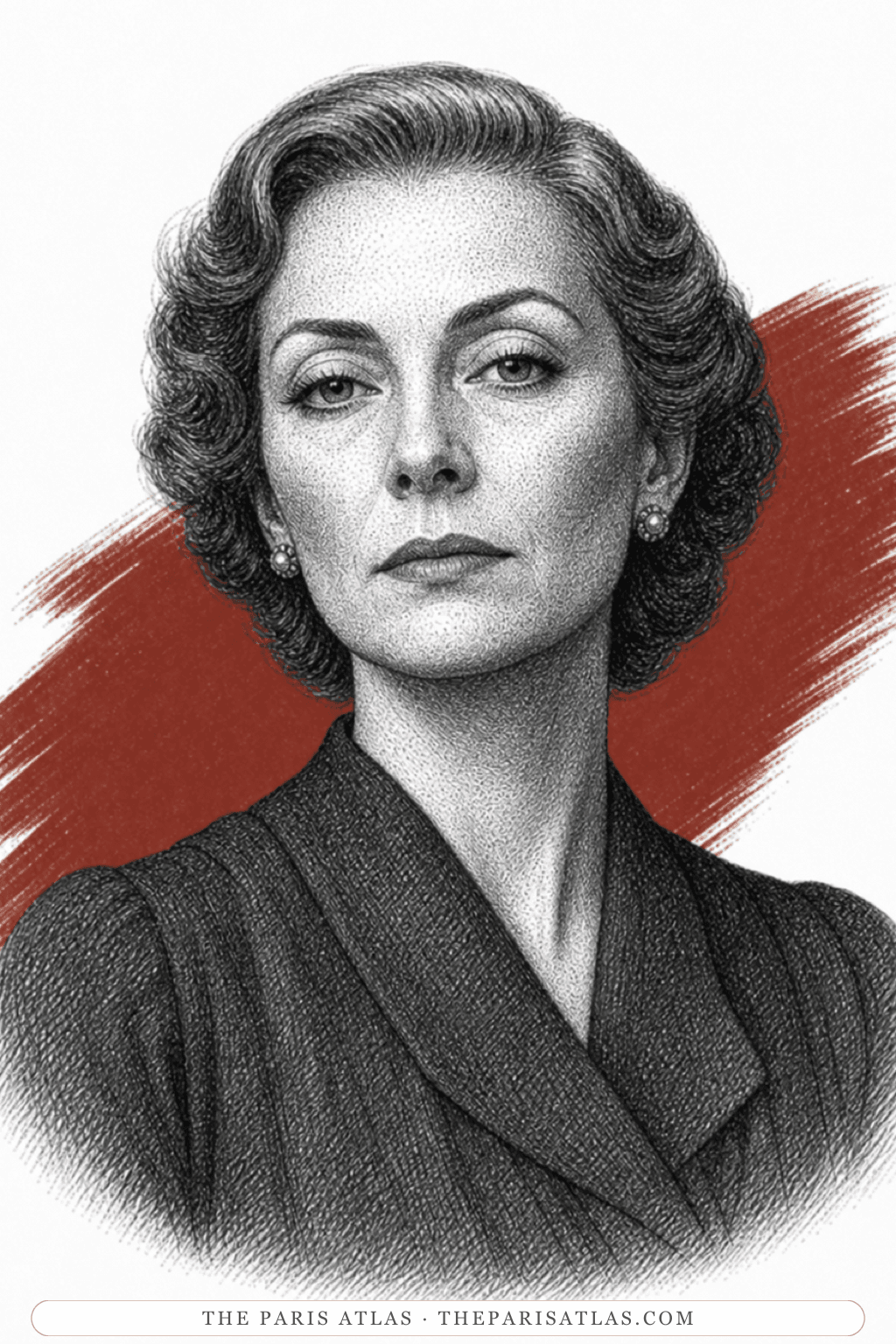
- Well-bred womanHer bearing reflects a more polished family.
- Period dressHer appearance follows changing early-20th-century fashion.
- Beautiful but distantSocial polish does not create intimacy.
- Controlled expressionHostility is rarely chaotic.
- Close engraved bustNo house, daughter, or decorative props appear.
- Muted russet accentWarm color contrasts her emotional distance.
Edith remains married to Stoner through his illness and death. The novel does not transform their relationship into a late reconciliation.
If you like Stoner


If you like John Williams
Explore authors with a similar voice, perspective, and influence.
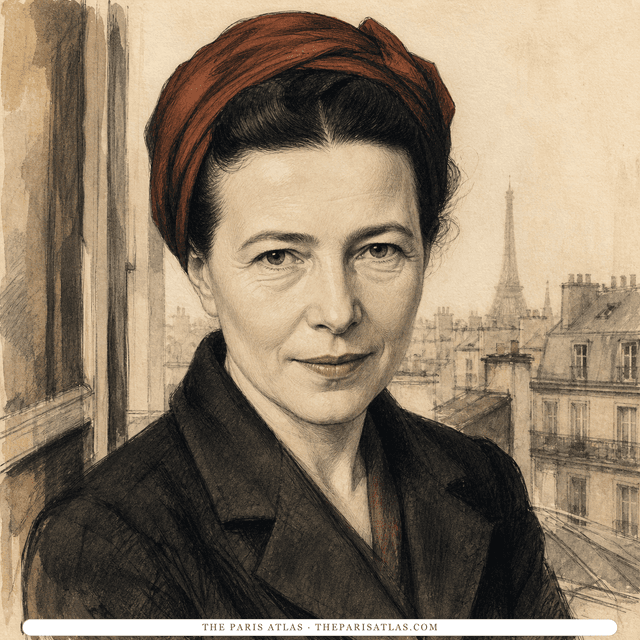
Simone de Beauvoir
French writer and philosopher whose novels, memoirs, and social analysis examined freedom, gender, responsibility, aging, and the material conditions that shape a life.
View author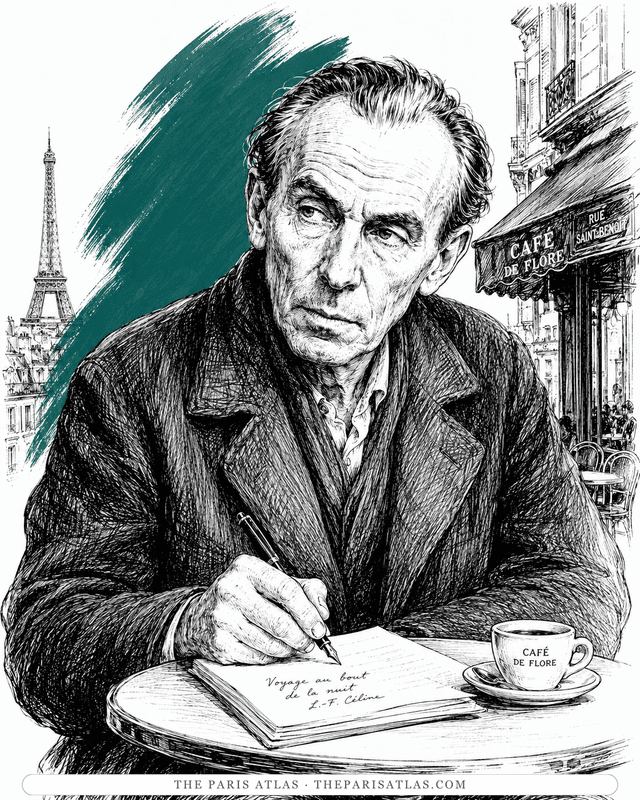
Louis-Ferdinand Céline
The doctor of the Paris slums who wrote the century's blackest, funniest novel — and changed the sound of French prose.
View author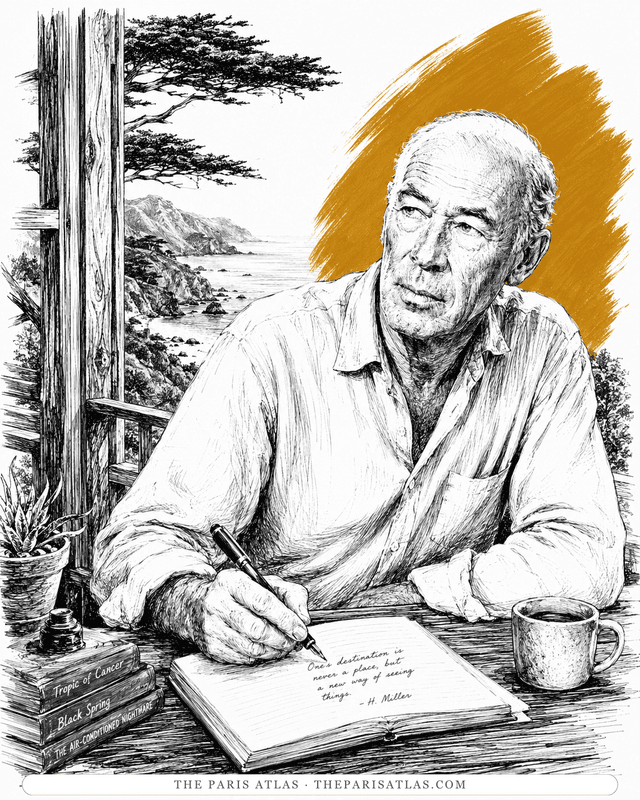
Henry Miller
The Brooklyn dropout who arrived in Paris broke at thirty-eight and wrote the exuberant, banned books that ended American censorship.
View author