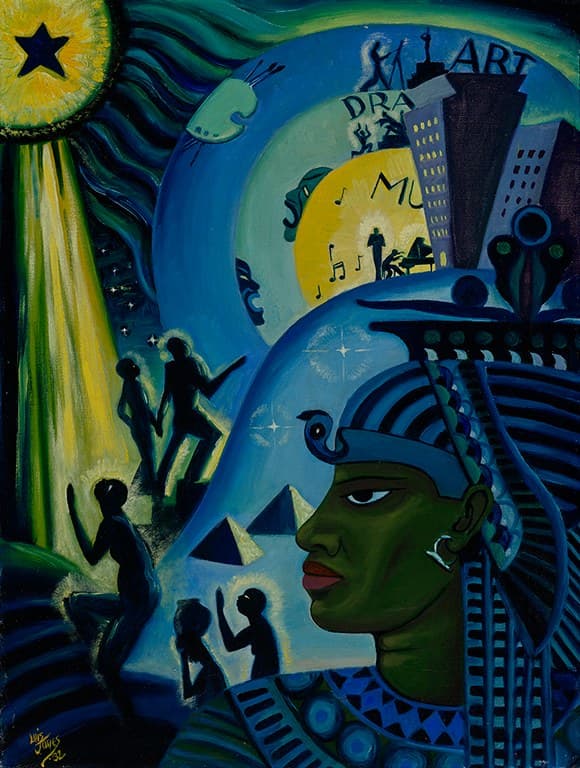
The Ascent of Ethiopia
Jones's 1932 vision of Black history as one ascending line — from an Egyptian profile at the base to music, drama and art shining in the modern city. Now in the Milwaukee Art Museum.
- 1932
- Oil on canvas
About Loïs Mailou Jones

From ancient Africa to the modern city
A colossal profile in an Egyptian headdress anchors the lower corner. From it, small figures climb a starlit slope toward a skyline where windows glow with the words of the arts — music, drama, art — under a radiating sun.
Painted in 1932, the canvas states the Harlem Renaissance's central idea in one image: that Black American culture stands on ancient African foundations, and that the climb from one to the other is a single unbroken ascent. Jones was twenty-six and teaching at Howard when she painted it.
A signature image of the movement
The painting has become one of the defining images of Harlem Renaissance painting, reproduced in histories of the movement and in the Milwaukee Art Museum's collection displays. Jones returned to its themes for six more decades, and the ascent it pictures reads today as the program of her whole career.
Close reading
Reading the work, detail by detail
The composition moves from a monumental profile through small ascending figures toward a city of artistic activity. Curves, rays, and changing scales organize that journey.
1.The monumental profile
The head occupies much of the foreground and gives the composition a stable starting point. Its scale makes the smaller people and buildings read as a surrounding historical vision.
2.The stepped ascent
Their bent legs and raised arms make upward effort visible. The changing positions lead the eye from the lower edge toward the bright area above.
3.Pyramids between figures
The compact triangles are easy to recognize within the swirling composition. They connect the foreground head to an architectural past through a few clear shapes.
4.The star and rays
The straight rays cut through the surrounding curves. Their brightness supplies a directional force that links the upper corner with the ascending figures below.
5.The city of art
Architecture and artistic activity converge at the top of the ascent. The compressed scale lets a whole cultural destination fit into one bright, crowded area.
6.Music in the curve
The notes make sound visible as marks scattered through color. The surrounding arc draws this activity into the same upward movement as the figures and buildings.
Where to see it
A viewing location has not yet been listed for this work.
Frequently asked questions
What does The Ascent of Ethiopia depict?
Black history as one ascent: a monumental profile in an Egyptian headdress at the base, figures climbing a slope of stars, and a modern city above where lit windows spell out music, drama and art.
When did Loïs Mailou Jones paint The Ascent of Ethiopia?
In 1932, at twenty-six, while teaching at Howard University — five years before her Paris year at the Académie Julian.
How does the painting relate to the Harlem Renaissance?
It puts the movement's core idea on canvas: that Black American achievement rises from ancient African civilization. The upward composition is the argument itself.
Where is The Ascent of Ethiopia now?
In the Milwaukee Art Museum, which holds it in its American collection.
What influenced the painting's imagery?
The Egyptian revival current in Black art of the 1920s and 1930s, which reclaimed the Nile as ancestral ground — the same current that runs through the movement's murals, pageants and book design.
More by Loïs Mailou Jones
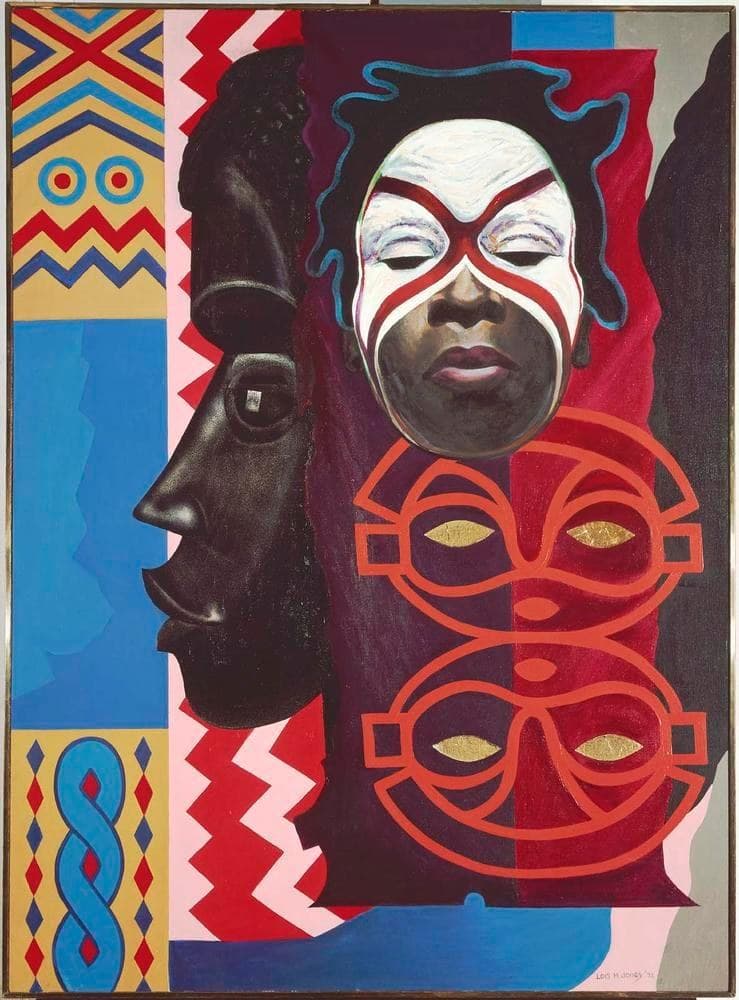
If you like Loïs Mailou Jones
Explore painters from the same movements and circles.
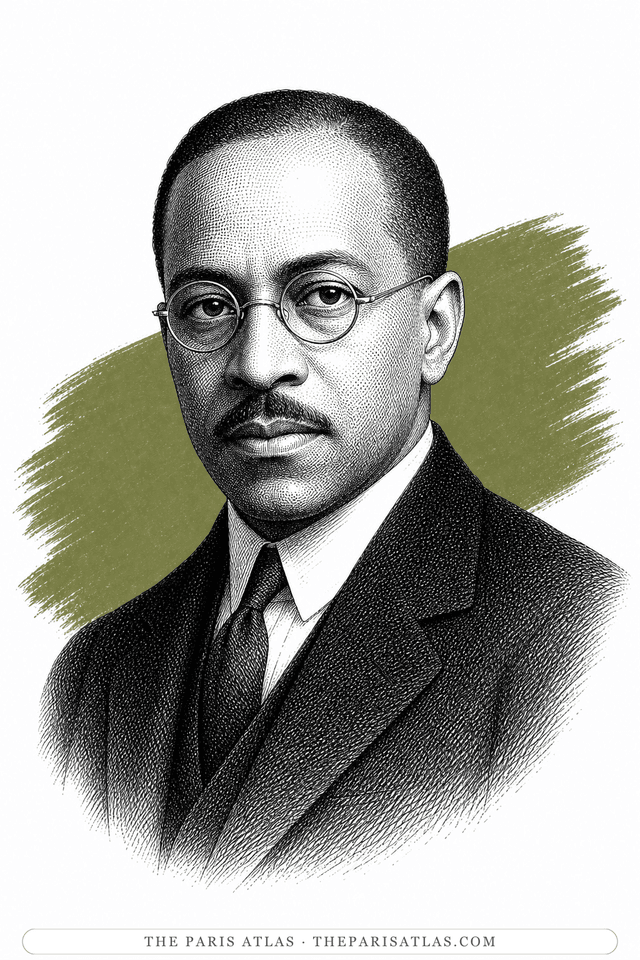
Aaron Douglas
The painter who gave the Harlem Renaissance — the flowering of Black American writing, music and art between the world wars — its look, in flat purple silhouettes in profile, ringed by bands of light. He moved to Harlem in 1925 with Paris as the eventual destination, got there in 1931, spent a year at the Académie Scandinave, a private art school in the city, and came home to paint the four murals that are still the centrepiece of the Schomburg Center, the New York Public Library's Harlem research library on Black history.
View artist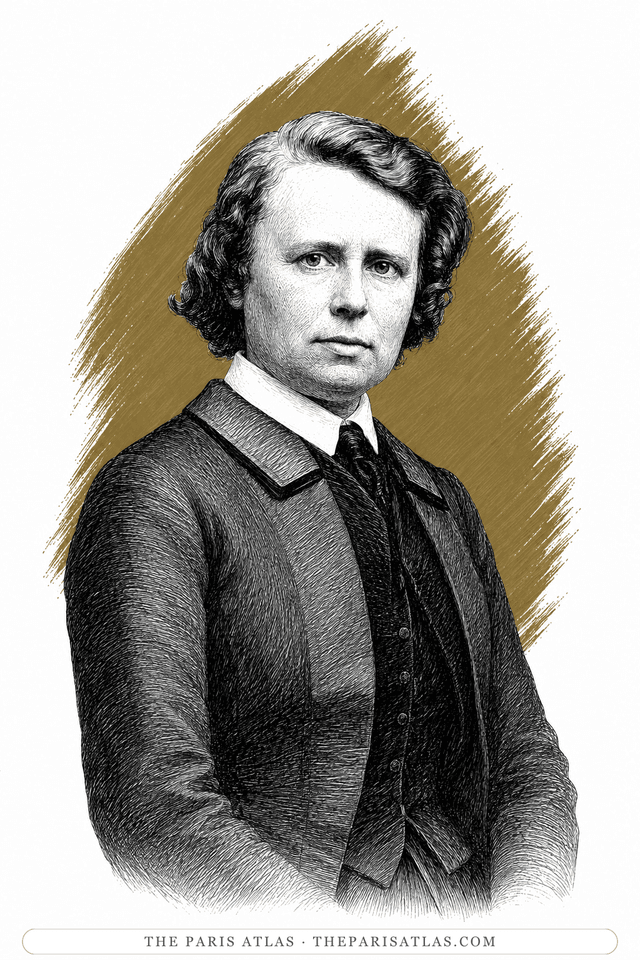
Rosa Bonheur
At the horse markets of Paris and in her studio beside the forest of Fontainebleau, Rosa Bonheur gave animals the presence of great portrait subjects. The success of The Horse Fair helped her build a life shaped by her work, financial independence, and the women she loved.
View artist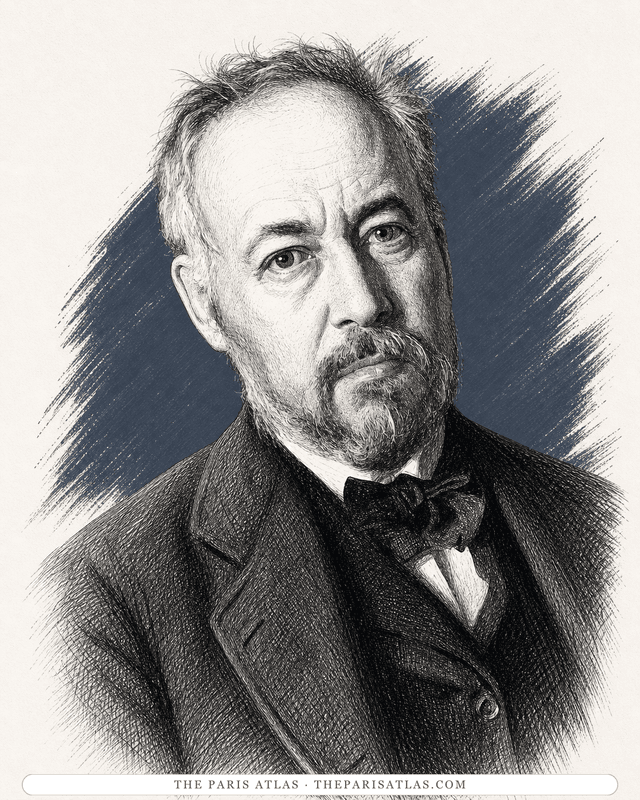
Thomas Eakins
American realist painter and influential Pennsylvania Academy teacher of Henry Ossawa Tanner.
View artist
References
The sources below include collection records, catalogues, scholarly research, and primary materials that informed this page. They document The Ascent of Ethiopia, its making, and its place in cultural history.


1The Ascent of Ethiopia — collection entry
WebsiteMilwaukee Art MuseumUsed forWeb source consulted for documented facts and historical context presented on the The Ascent of Ethiopia page.
2Loïs Mailou Jones and The Ascent of Ethiopia
WebsiteMilwaukee Art MuseumUsed forWeb source consulted for documented facts and historical context presented on the The Ascent of Ethiopia page.
3The Ascent of Ethiopia
WebsiteWikipediaUsed forWeb source consulted for documented facts and historical context presented on the The Ascent of Ethiopia page.
4Lois Mailou Jones — Encyclopaedia Britannica
WebsiteEncyclopaedia BritannicaUsed forWeb source consulted for documented facts and historical context presented on the The Ascent of Ethiopia page.
These references provide the documented foundation for this work's history and interpretation. Claim-level citations remain attached to the specific claims they support.
 Explore more resources