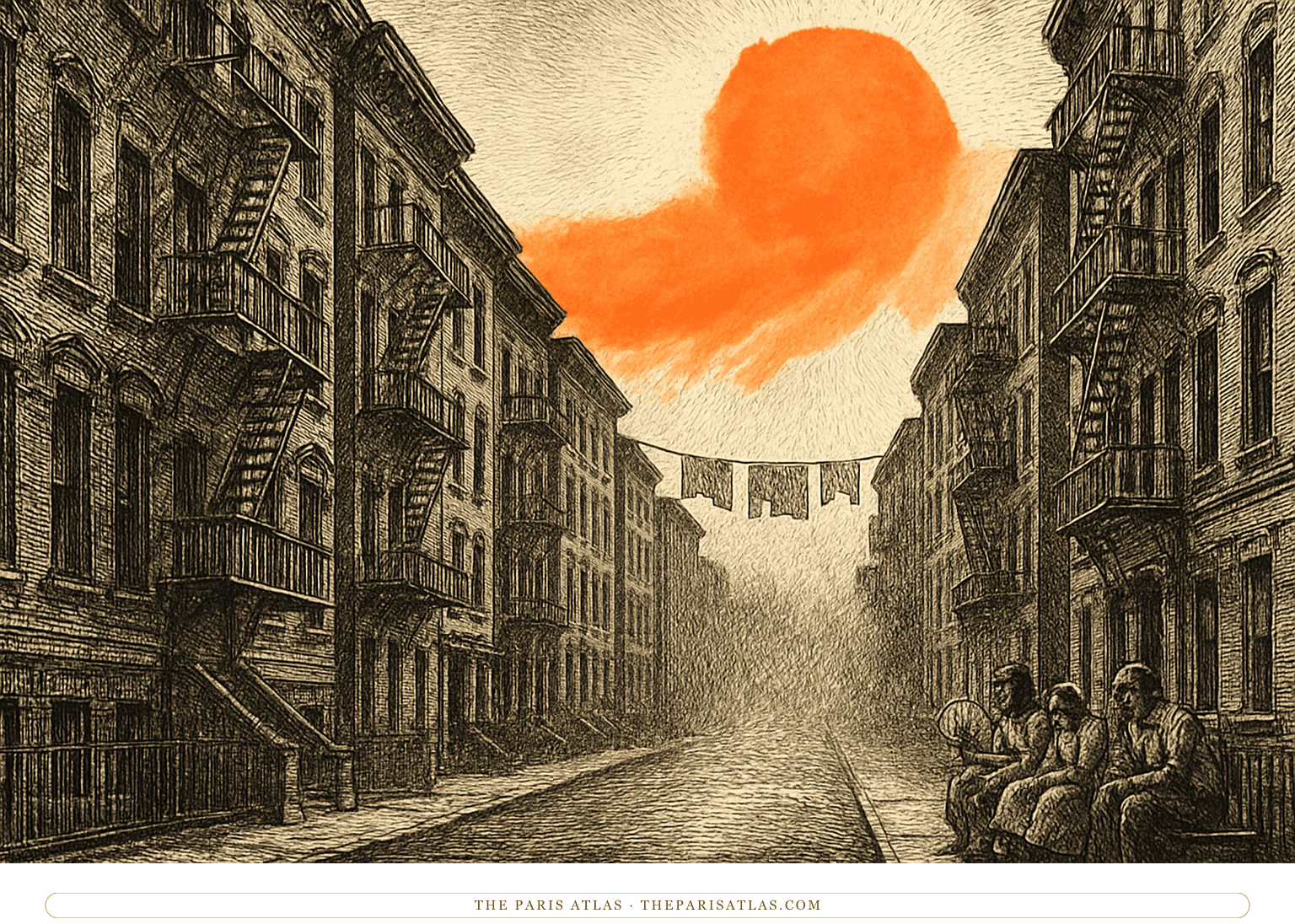
Harlem
"What happens to a dream deferred?" Eleven lines, six questions, and one answer withheld — the most famous poem of Langston Hughes's later career, and the source of the title A Raisin in the Sun.
- 1951
- Eleven-line poem
About Langston Hughes
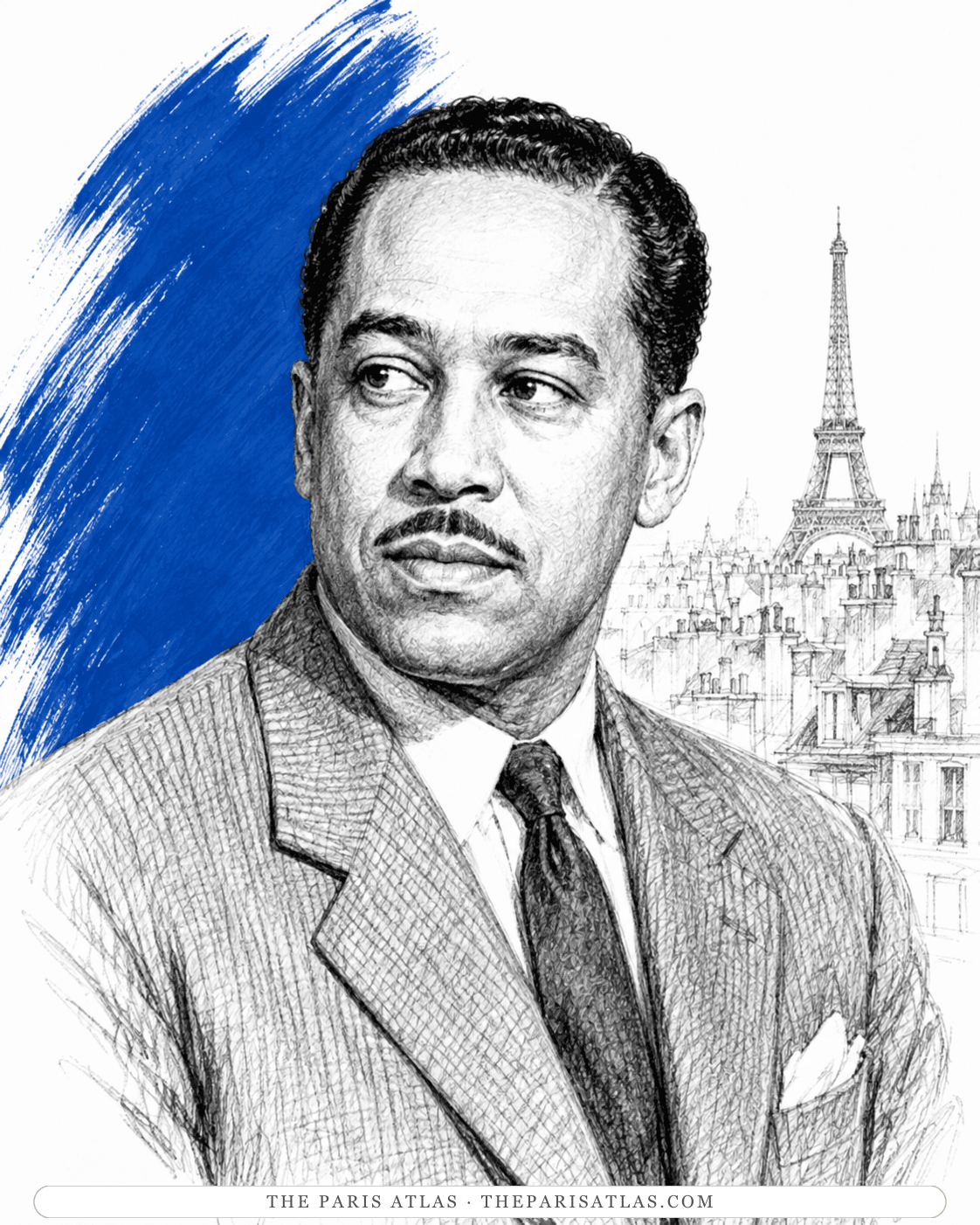
Six questions and an italic threat
The poem is almost all questions. What happens to a dream deferred? Does it dry up like a raisin in the sun? Fester like a sore? Stink like rotten meat? Crust over like a syrupy sweet? Maybe, the one declarative guess offers, it just sags, like a heavy load. Then the last line arrives in italics, still a question and no longer a domestic one: "Or does it explode?"
It appears in Montage of a Dream Deferred (1951), the book-length sequence in which Hughes portrayed postwar Harlem in the shifting rhythms of bebop — the poem is the sequence's thesis compressed to eleven lines. The dream deferred is the one the whole book documents: the promise Harlem was owed and had not been paid.
Its afterlife began almost immediately. Lorraine Hansberry took the title of A Raisin in the Sun (1959) from the second line, carrying the poem's question onto Broadway; in 1961 she, Hughes and James Baldwin sat on the same radio panel about the Black writer in America. The poem has since become one of the most taught and most quoted American poems of the twentieth century — often under the informal title "A Dream Deferred."
Timeline
1951
Published in Montage of a Dream Deferred, Hughes's bebop portrait of postwar Harlem.
1959
Lorraine Hansberry's A Raisin in the Sun opens on Broadway, its title taken from the poem's second line.
1961
Hughes, Hansberry and James Baldwin appear together on a WBAI radio panel on the Black writer in America.
Frequently asked questions
What is the poem Harlem by Langston Hughes about?
What happens to a dream that keeps being postponed. The poem never names the dream directly — in the context of Montage of a Dream Deferred, it is the promise of full American life for Black Americans — and answers only in questions: does the deferred dream shrivel, fester, rot, crust over, sag? The final italicized question, "Or does it explode?", is the poem's warning and its point.
What does "a dream deferred" mean?
A dream put off — not denied outright, but postponed again and again. Hughes's sequence Montage of a Dream Deferred applies the phrase to postwar Harlem: the neighborhood's patience with a promise that keeps not arriving. The poem asks what that postponement does to the people holding the dream.
Is Harlem the same poem as A Dream Deferred?
Yes. The poem's title is "Harlem"; "A Dream Deferred" is an informal title it picked up from its famous first line, and many anthologies and classrooms use the two interchangeably.
How is Harlem connected to A Raisin in the Sun?
Lorraine Hansberry took her play's title from the poem's second line — "Does it dry up / like a raisin in the sun?" The 1959 play about a Black family's deferred dreams in Chicago carried Hughes's question to Broadway, and the poem is customarily printed as the play's epigraph.
When did Langston Hughes write Harlem?
It was published in 1951 in Montage of a Dream Deferred, the book-length sequence Hughes built from the rhythms of bebop to portray postwar Harlem. He was fifty, thirty years past the poem that opened his career.
More by Langston Hughes

If you like Langston Hughes
Explore poets from the same movements and circles.
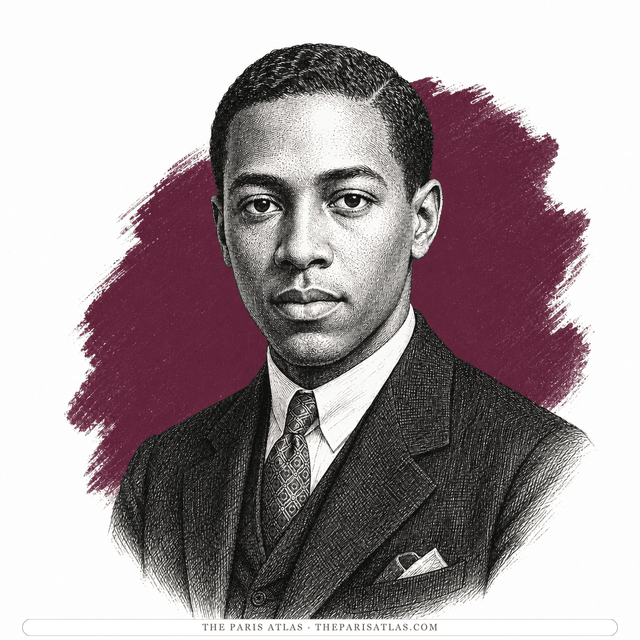
Countee Cullen
American poet whose traditional lyric forms carried some of the Harlem Renaissance's sharpest questions about race, faith and artistic freedom.
View artist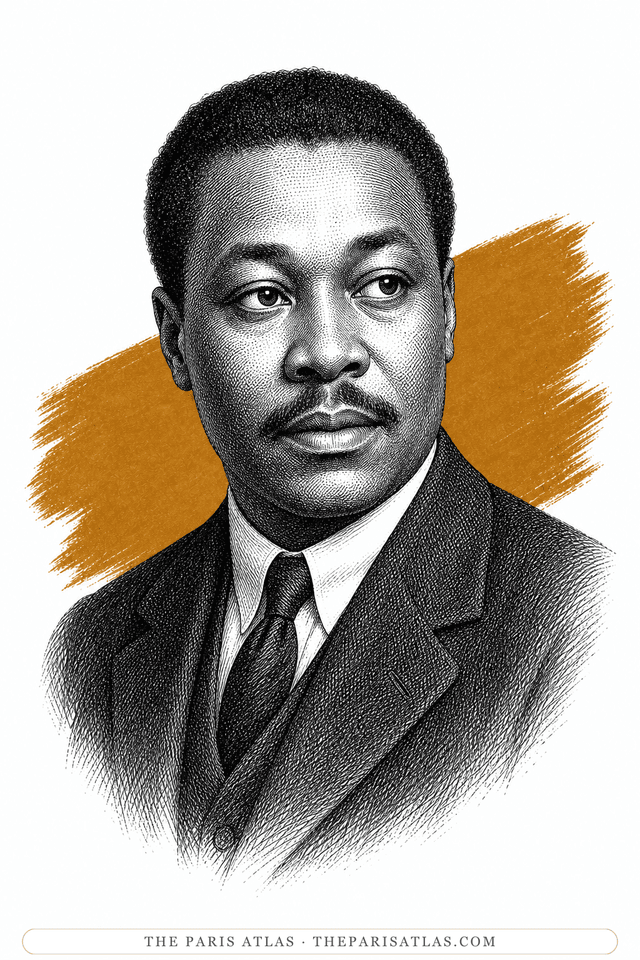
Claude McKay
Jamaican-born poet and novelist, and one of the essential writers of the Harlem Renaissance. He arrived in Paris from Moscow in 1923 and stayed in France until 1928, writing Home to Harlem there — and forming a low opinion of the rich, white expatriate scene that dominates most accounts of the period. His Paris is the same years as Hemingway's and almost nothing like it.
View artist
Dante Alighieri
Florentine poet whose Divine Comedy supplied the first subject of Rodin's Gates of Hell and the original identity of The Thinker as Dante meditating over the damned.
View artist
References
The sources below include collection records, catalogues, scholarly research, and primary materials that informed this page. They document Harlem, its making, and its place in cultural history.


1Harlem
WebsiteThe Poetry FoundationUsed forWeb source consulted for documented facts and historical context presented on the Harlem page.
2A Reading Guide to Langston Hughes
WebsiteAcademy of American Poets, poets.orgUsed forWeb source consulted for documented facts and historical context presented on the Harlem page.
3Langston Hughes Residence
WebsiteNYC LGBT Historic Sites ProjectUsed forWeb source consulted for documented facts and historical context presented on the Harlem page.

4Langston Hughes Reading His Poems with Commentary in the Recording Laboratory
ArchiveLibrary of Congress, 1959Used forArchival evidence used to document the historical record connected to Harlem.
These references provide the documented foundation for this work's history and interpretation. Claim-level citations remain attached to the specific claims they support.
 Explore more resources