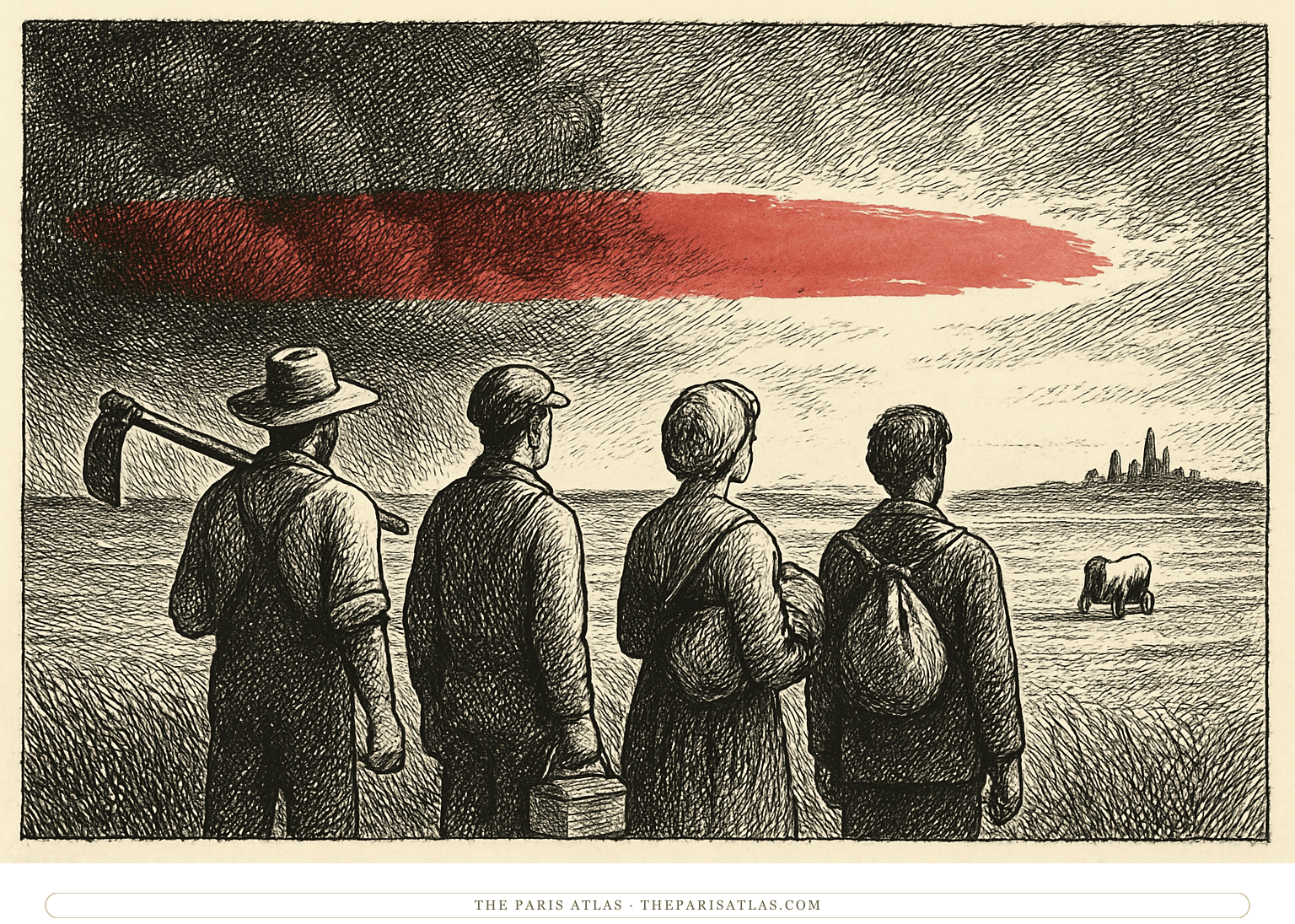
Let America Be America Again
The Depression-era Hughes at full political voice: a hymn to the American dream interrupted, line by line, by the parenthetical voice of everyone the dream never included — "(America never was America to me.)"
- 1936
- Long poem in free verse with refrains
About Langston Hughes
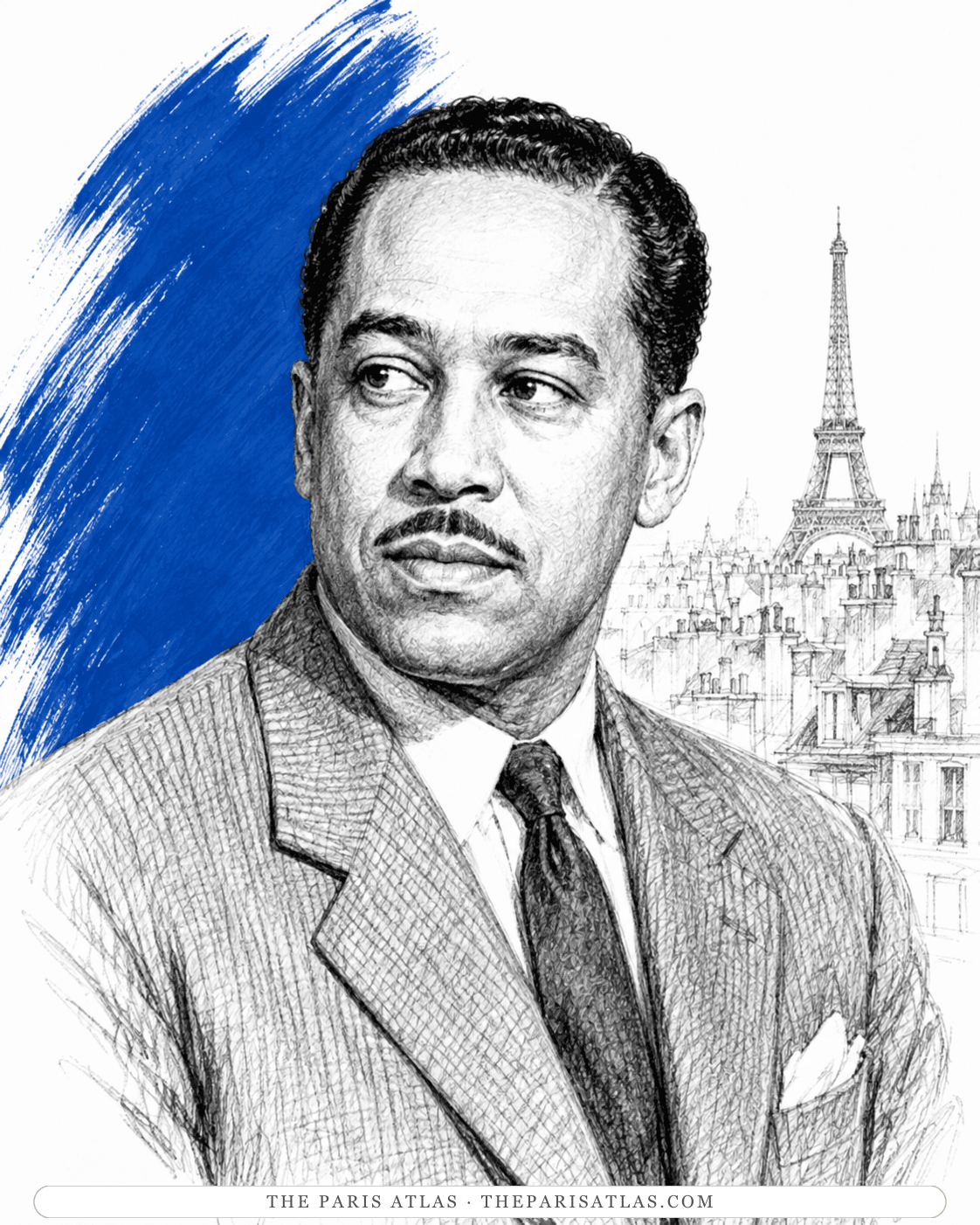
Two voices, one country
The poem starts as an anthem: let America be the dream it used to be, the pioneer on the plain seeking a home where he himself is free. Then a second voice interrupts in parentheses — "(America never was America to me.)" — and the interruptions take over. The speakers multiply: the poor white, the Negro bearing slavery's scars, the red man driven from the land, the immigrant clutching hope, the farmer, the worker. The anthem and the objection argue across the whole length of the poem.
It ends on the argument's resolution, not its despair: "O, let America be America again — / The land that never has been yet — / And yet must be." The dream is worth demanding precisely because it has not happened. Esquire published the poem in July 1936, in the middle of the Depression; Hughes revised it for the 1938 pamphlet A New Song.
The title has been borrowed by political campaigns more than once — most visibly as a 2004 presidential campaign slogan — usually without the parentheses that make the poem what it is.
Timeline
1936
Published in Esquire in July, at the depth of the Depression.
1938
A revised version appears in A New Song, a pamphlet from the International Workers Order.
2004
The title is adopted as a presidential campaign slogan — the parenthetical answer, as usual, left off.
Frequently asked questions
What is Let America Be America Again about?
The gap between the American dream and American practice. One voice calls for the dream's return; a second voice — in parentheses — answers that for the poor, for Black Americans, for Native Americans and for immigrants, the dream never existed to return to. The poem holds both voices to the end, then demands the country the anthem promised: "The land that never has been yet — / And yet must be."
What does "America never was America to me" mean?
It is the poem's parenthetical second voice: the reader reciting the national myth is interrupted by everyone the myth excluded. The line does not reject the dream — the poem ends by demanding it — it rejects the pretense that the dream was ever delivered to all.
When did Langston Hughes write Let America Be America Again?
It was published in Esquire in July 1936, in the middle of the Great Depression and Hughes's most politically radical decade. He revised it for the 1938 pamphlet A New Song.
Who are the speakers in the poem?
The interrupting voice identifies itself in a roll call: the poor white, fooled and pushed apart; the Negro bearing slavery's scars; the red man driven from the land; the immigrant clutching hope. The poem's claim is that these speakers, not the myth-reciting voice, are the ones entitled to define what America means.
Is Let America Be America Again in the public domain?
No — published in 1936, it remains in copyright in the United States, unlike Hughes's 1920s poems. Complete authorized texts are available from the Academy of American Poets and in The Collected Poems of Langston Hughes.
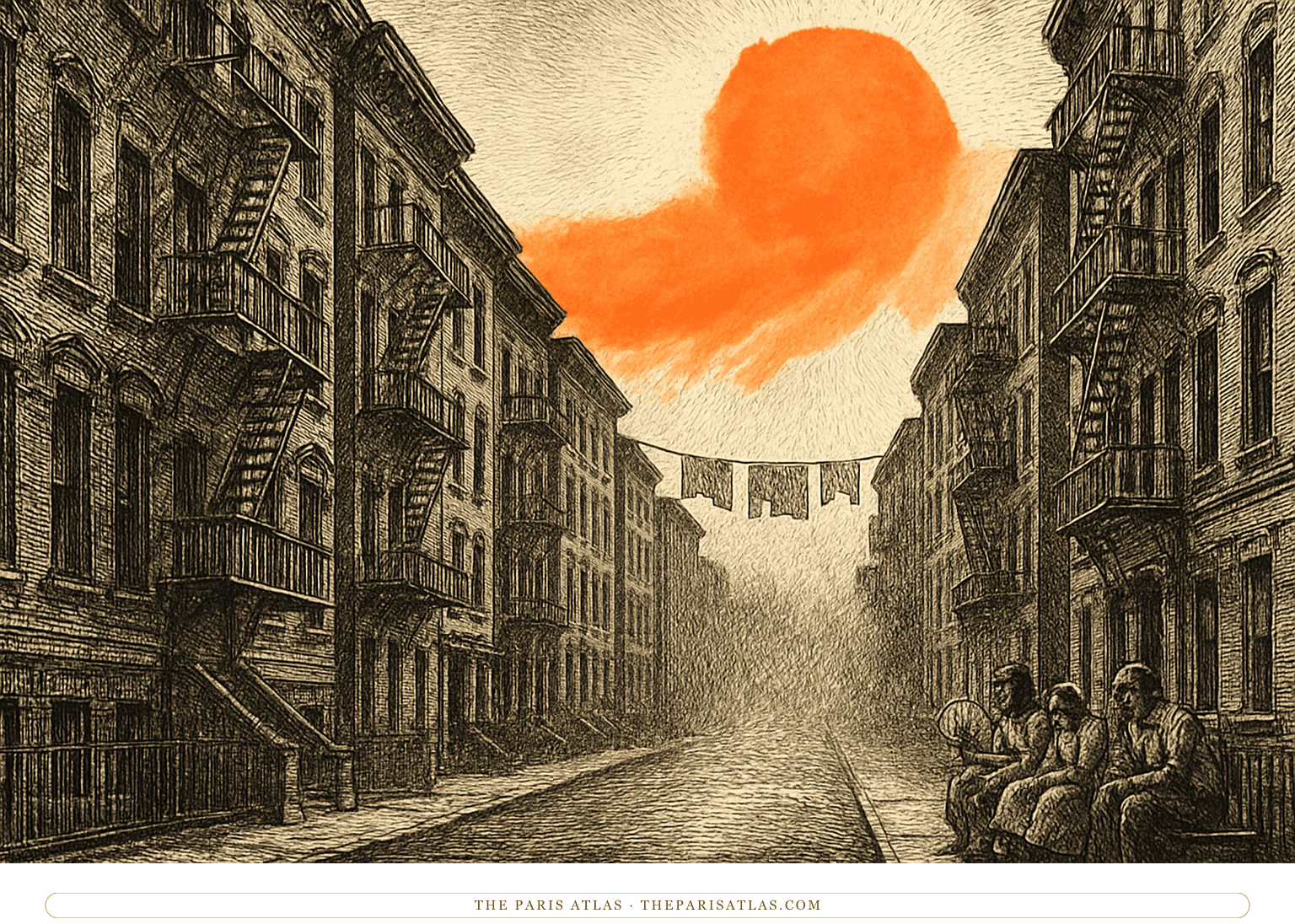
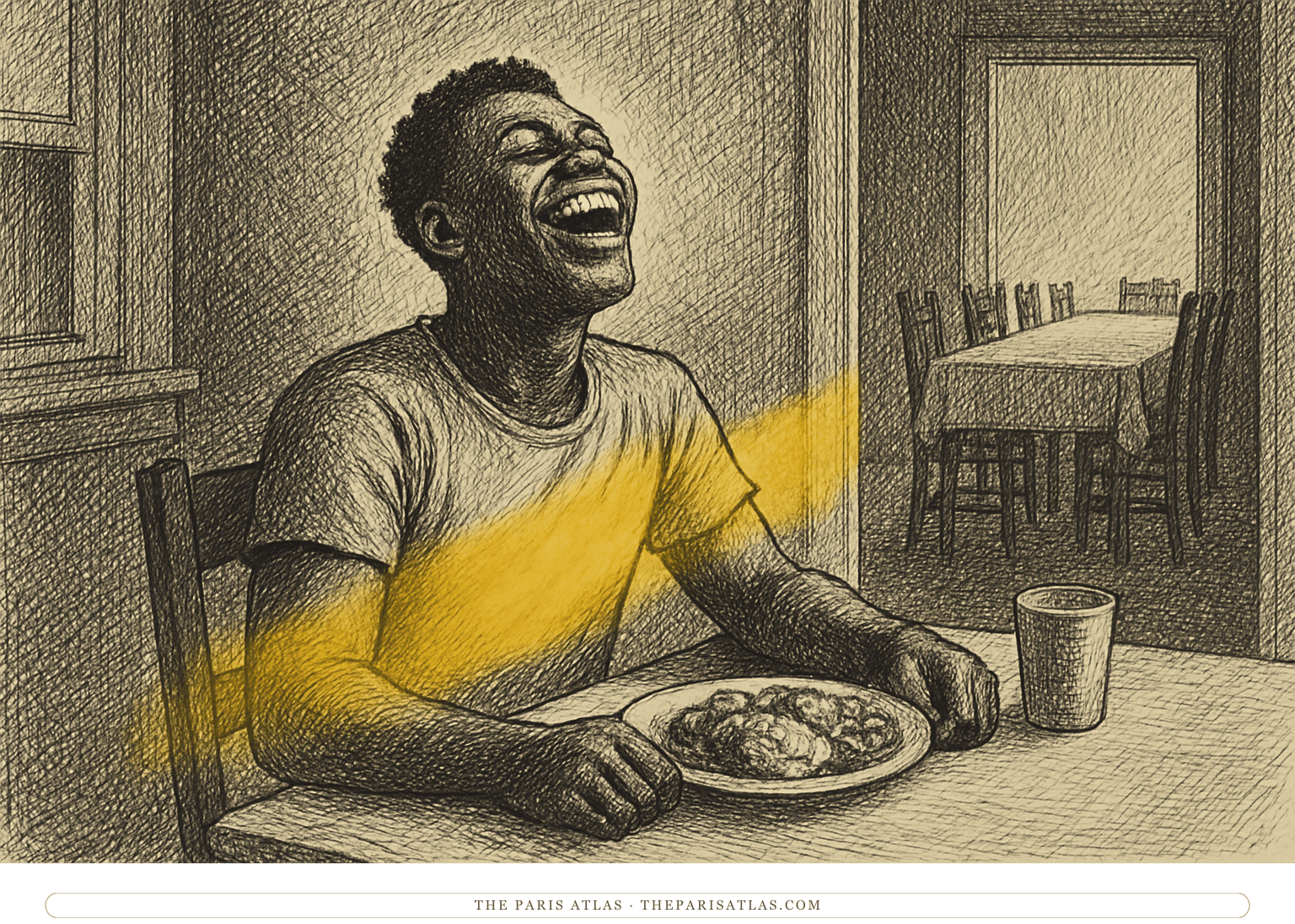
More by Langston Hughes
If you like Langston Hughes
Explore poets from the same movements and circles.
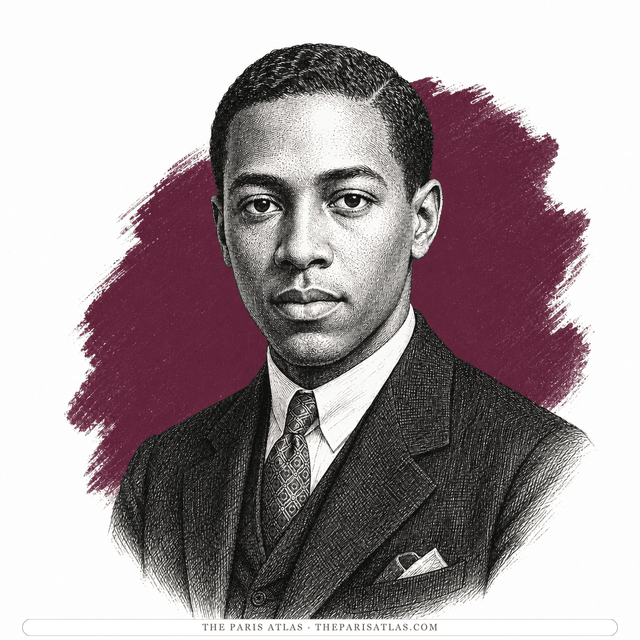
Countee Cullen
American poet whose traditional lyric forms carried some of the Harlem Renaissance's sharpest questions about race, faith and artistic freedom.
View artist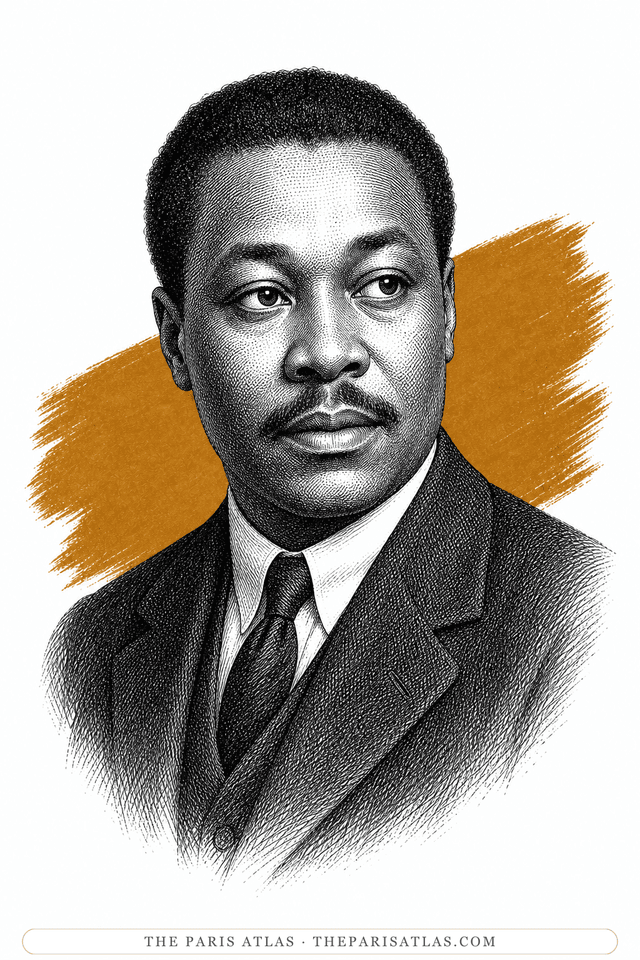
Claude McKay
Jamaican-born poet and novelist, and one of the essential writers of the Harlem Renaissance. He arrived in Paris from Moscow in 1923 and stayed in France until 1928, writing Home to Harlem there — and forming a low opinion of the rich, white expatriate scene that dominates most accounts of the period. His Paris is the same years as Hemingway's and almost nothing like it.
View artist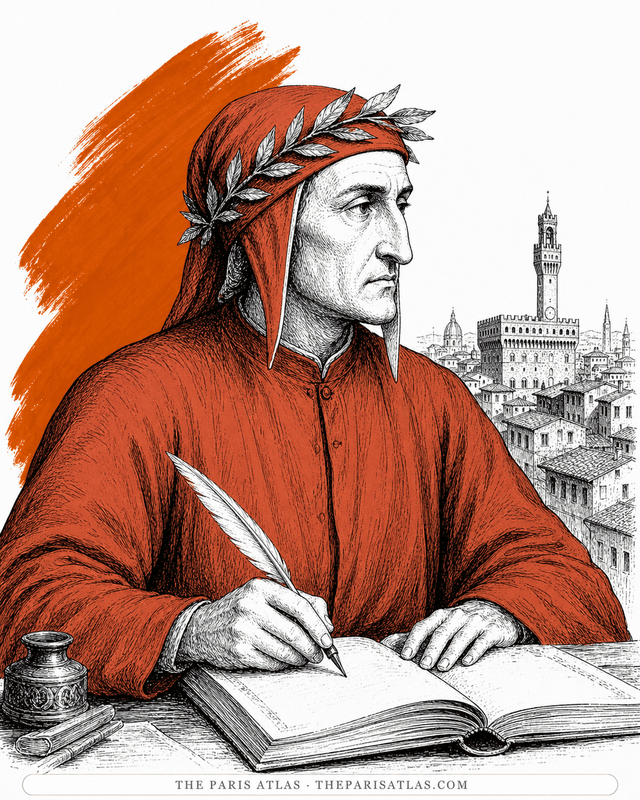
Dante Alighieri
Florentine poet whose Divine Comedy supplied the first subject of Rodin's Gates of Hell and the original identity of The Thinker as Dante meditating over the damned.
View artist
References
The sources below include collection records, catalogues, scholarly research, and primary materials that informed this page. They document Let America Be America Again, its making, and its place in cultural history.


1The Collected Poems of Langston Hughes
PoetryAlfred A. Knopf, 1994Used forPrimary text included as part of the documented record for Let America Be America Again.

2A Reading Guide to Langston Hughes
WebsiteAcademy of American Poets, poets.orgUsed forWeb source consulted for documented facts and historical context presented on the Let America Be America Again page.
3Let America Be America Again
WebsiteThe Poetry FoundationUsed forWeb source consulted for documented facts and historical context presented on the Let America Be America Again page.
4Teach This Poem: Let America Be America Again by Langston Hughes
WebsiteAcademy of American PoetsUsed forWeb source consulted for documented facts and historical context presented on the Let America Be America Again page.
These references provide the documented foundation for this work's history and interpretation. Claim-level citations remain attached to the specific claims they support.
 Explore more resources