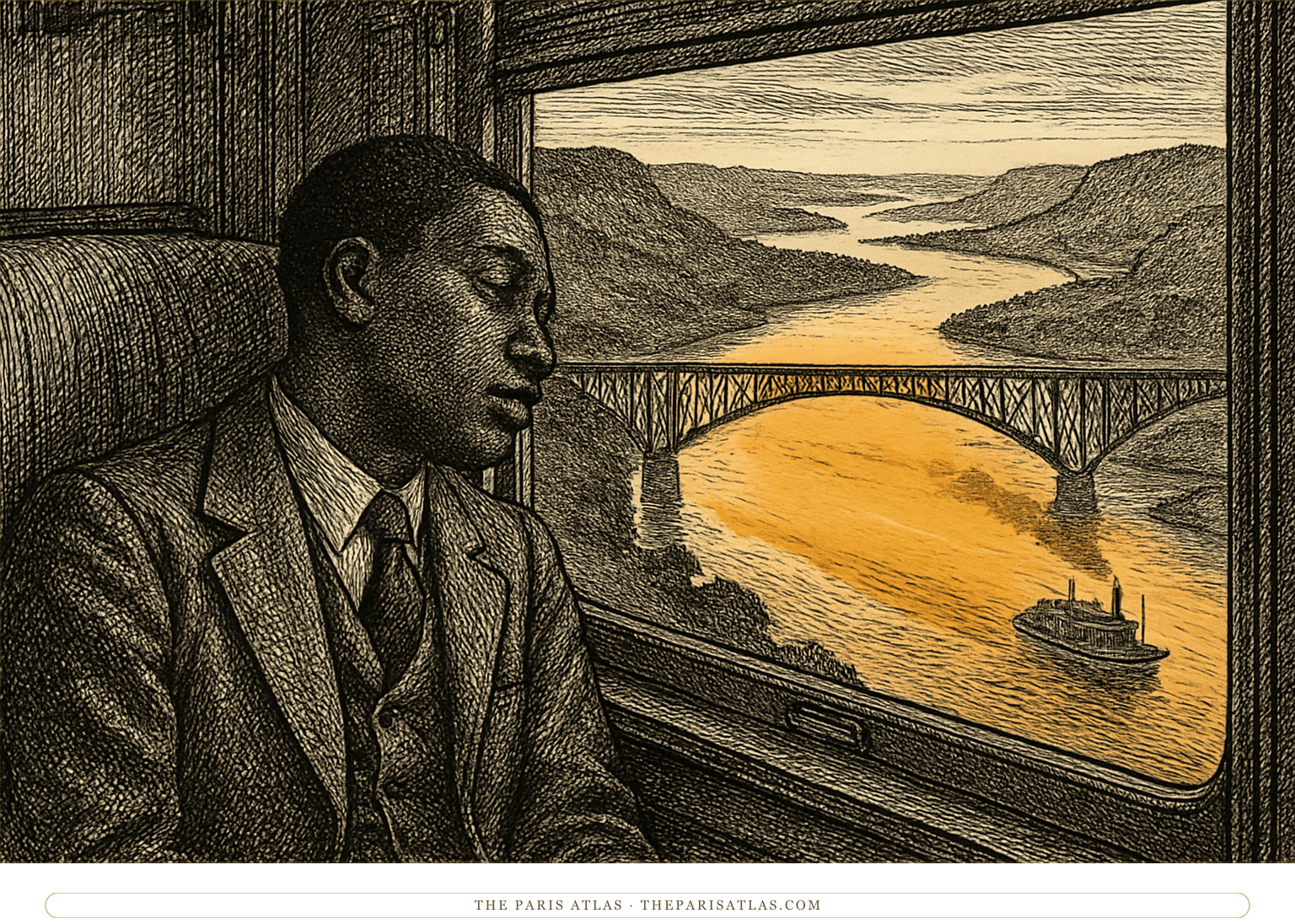
The Negro Speaks of Rivers
The poem Langston Hughes wrote on a train at nineteen — Black history carried through four rivers, from the Euphrates to the Mississippi — and the work that opened his career. Its last line is carved into the floor above his ashes.
- 1921
- Free-verse poem, thirteen lines
About Langston Hughes
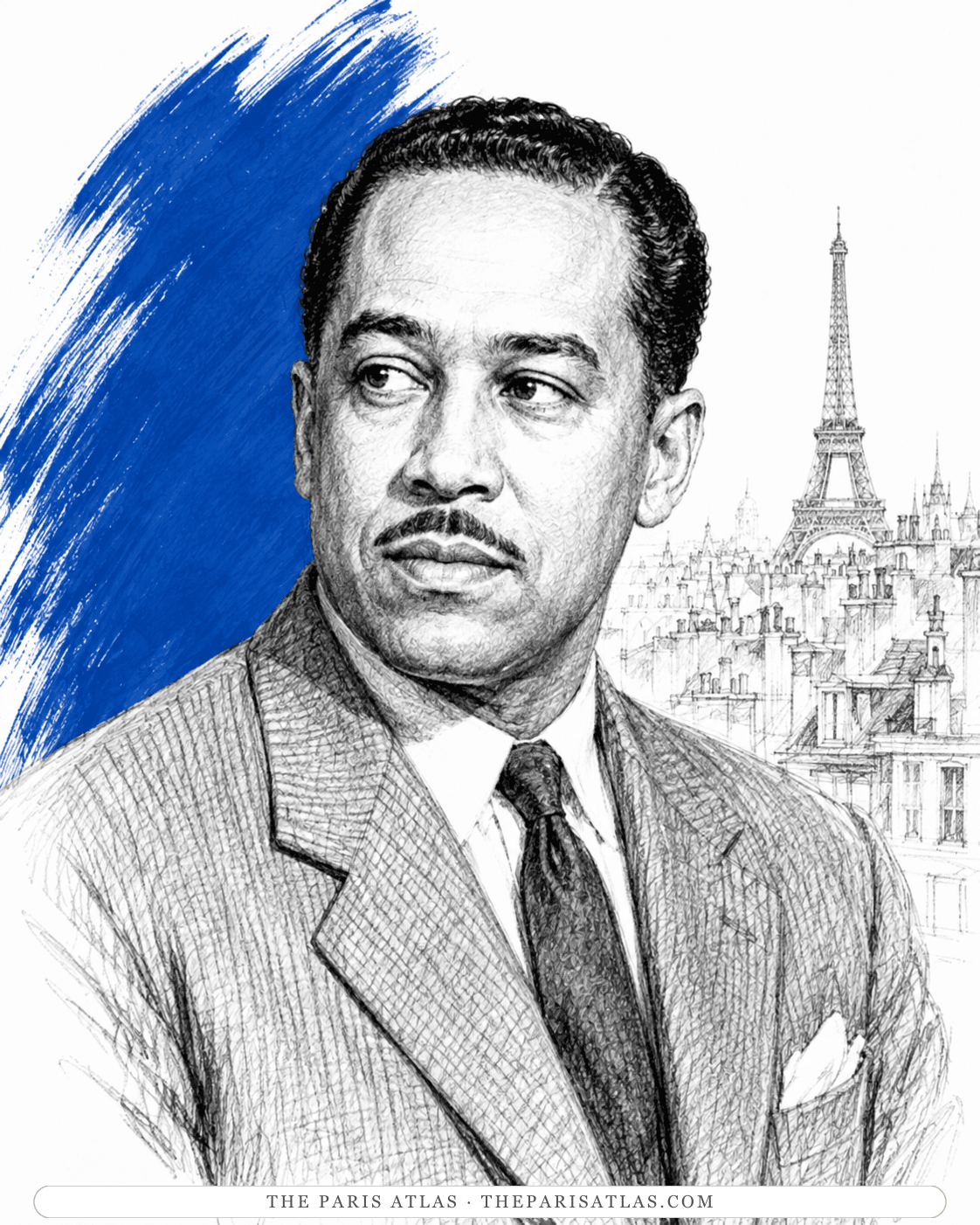
Written on a train, crossing the Mississippi
In the summer of 1921, on the long train ride to Mexico to spend a year with his father, Langston Hughes crossed the Mississippi outside St. Louis and began writing on the back of an envelope. He was nineteen. The poem he finished imagines a single voice that has known the world's great rivers — bathing in the Euphrates, building a hut by the Congo, raising the pyramids above the Nile, hearing the Mississippi sing when Abraham Lincoln went down to New Orleans — and it gave that voice a refrain: "My soul has grown deep like the rivers."
The Crisis, the NAACP magazine edited by W. E. B. Du Bois, published it in June 1921 — Hughes's first appearance in a national magazine. When his first book, The Weary Blues, came out in 1926, the poem anchored its own section and carried a dedication to Du Bois. The full 1926 text is in the public domain, and every line of it is on this page's source list.
No poem stayed closer to Hughes. It opened his career, he read it from stages for four decades, and when he died in 1967 his ashes were interred beneath the lobby floor of the Schomburg Center for Research in Black Culture in Harlem, under a cosmogram titled Rivers.
Timeline
1921
Written on the train to Mexico, crossing the Mississippi; The Crisis publishes it in June — Hughes's first poem in a national magazine.
1926
Collected in The Weary Blues, Hughes's first book, with a dedication to W. E. B. DuBois.
1991
Hughes's ashes are interred beneath the cosmogram Rivers, named for the poem, in the lobby of the Schomburg Center in Harlem.
Frequently asked questions
What is The Negro Speaks of Rivers about?
A single collective voice speaks for Black history across thousands of years, claiming four rivers — the Euphrates, the Congo, the Nile and the Mississippi — as witnesses. The poem connects African antiquity to American slavery and emancipation in thirteen lines, and its refrain, "My soul has grown deep like the rivers," makes endurance itself the subject.
When did Langston Hughes write The Negro Speaks of Rivers?
In 1921, when he was nineteen, on the train to Mexico to spend a year with his father — he began it crossing the Mississippi outside St. Louis. The Crisis, the NAACP's magazine, published it that June.
Why are the four rivers in the poem significant?
Each carries a piece of the history the speaker claims: the Euphrates for the beginnings of civilization, the Congo for Africa, the Nile for the pyramids built by enslaved labor, and the Mississippi for American slavery — with Abraham Lincoln going down to New Orleans, where the slave markets were.
Who is The Negro Speaks of Rivers dedicated to?
W. E. B. Du Bois, whose magazine The Crisis first published the poem in June 1921. The dedication appears with the poem in Hughes's first book, The Weary Blues (1926).
Is The Negro Speaks of Rivers in the public domain?
Yes. It was published in 1921 and collected in The Weary Blues in 1926; both printings are in the US public domain, and the full 1926 text is freely available on Project Gutenberg.
What does the Schomburg Center have to do with the poem?
Langston Hughes's ashes are interred beneath the lobby floor of the Schomburg Center for Research in Black Culture in Harlem, under a floor cosmogram titled Rivers, designed around lines from this poem. The career the poem opened in 1921 closes, literally, on its words.
More by Langston Hughes

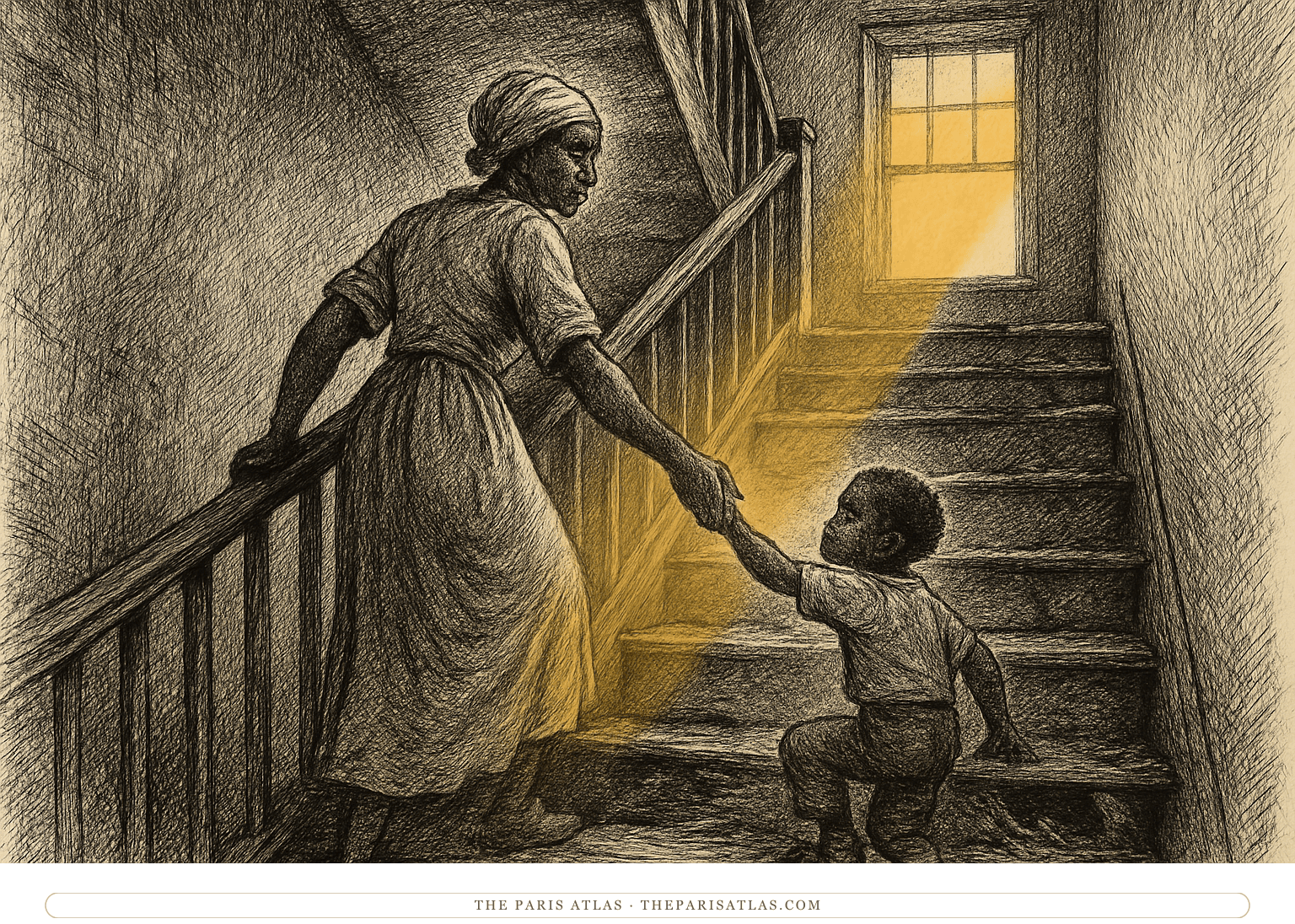
If you like Langston Hughes
Explore poets from the same movements and circles.
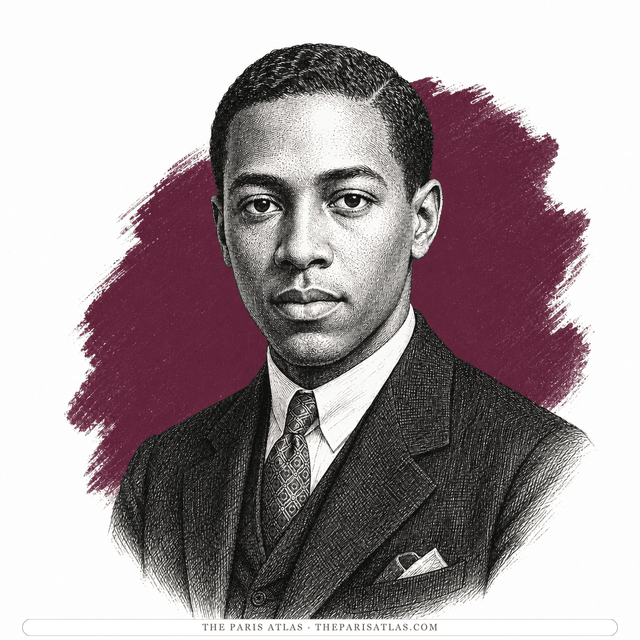
Countee Cullen
American poet whose traditional lyric forms carried some of the Harlem Renaissance's sharpest questions about race, faith and artistic freedom.
View artist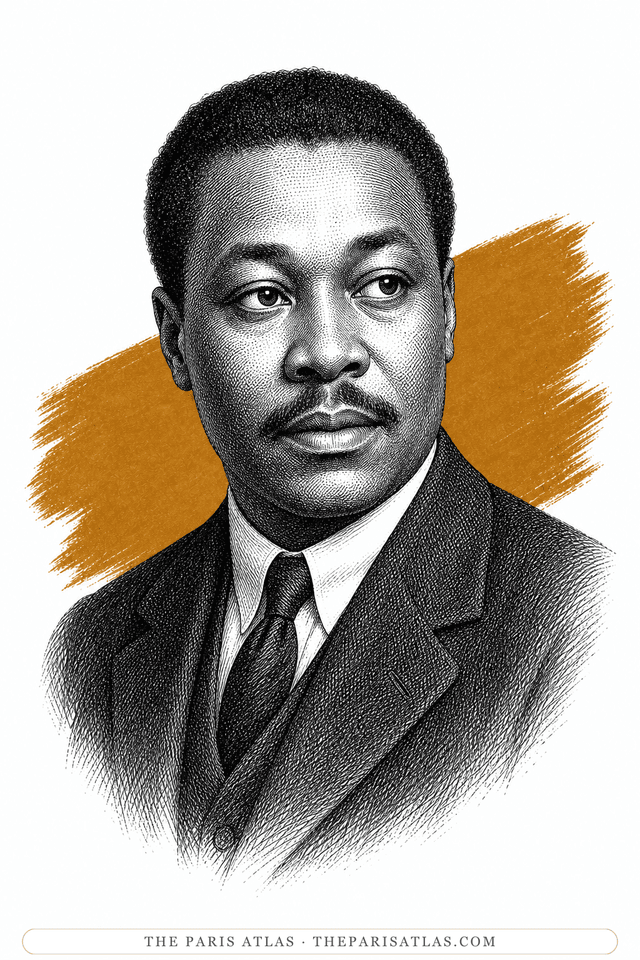
Claude McKay
Jamaican-born poet and novelist, and one of the essential writers of the Harlem Renaissance. He arrived in Paris from Moscow in 1923 and stayed in France until 1928, writing Home to Harlem there — and forming a low opinion of the rich, white expatriate scene that dominates most accounts of the period. His Paris is the same years as Hemingway's and almost nothing like it.
View artist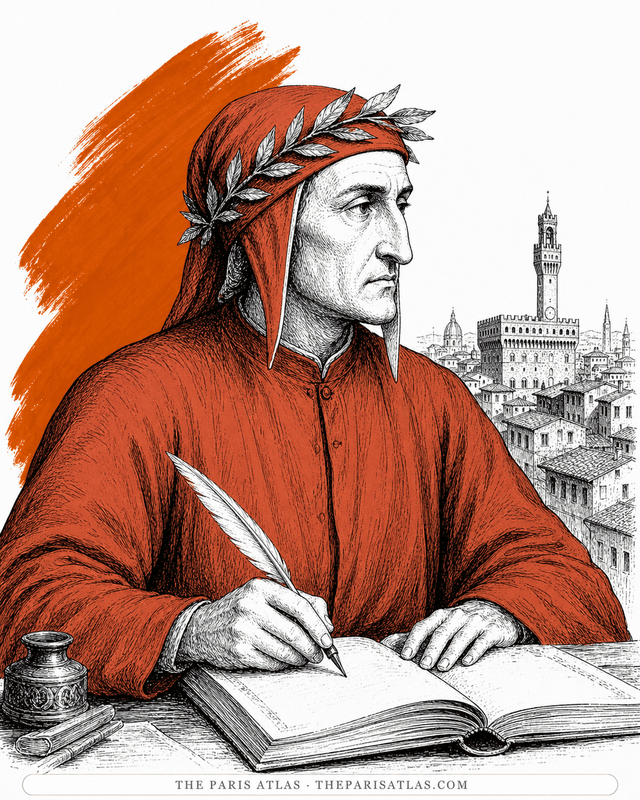
Dante Alighieri
Florentine poet whose Divine Comedy supplied the first subject of Rodin's Gates of Hell and the original identity of The Thinker as Dante meditating over the damned.
View artist
References
The sources below include collection records, catalogues, scholarly research, and primary materials that informed this page. They document The Negro Speaks of Rivers, its making, and its place in cultural history.


1The Weary Blues (Project Gutenberg etext of the 1926 Knopf edition)
WebsiteProject Gutenberg, eBook #74745Used forWeb source consulted for documented facts and historical context presented on the The Negro Speaks of Rivers page.
2The Big Sea
MemoirAlfred A. Knopf, New York, 1940Used forFirst-person evidence and historical context used in preparing the The Negro Speaks of Rivers page.
3Langston Hughes
WebsiteAcademy of American Poets, poets.orgUsed forWeb source consulted for documented facts and historical context presented on the The Negro Speaks of Rivers page.
4The Negro Speaks of Rivers
WebsiteThe Poetry FoundationUsed forWeb source consulted for documented facts and historical context presented on the The Negro Speaks of Rivers page.
These references provide the documented foundation for this work's history and interpretation. Claim-level citations remain attached to the specific claims they support.
 Explore more resources