
I, Too
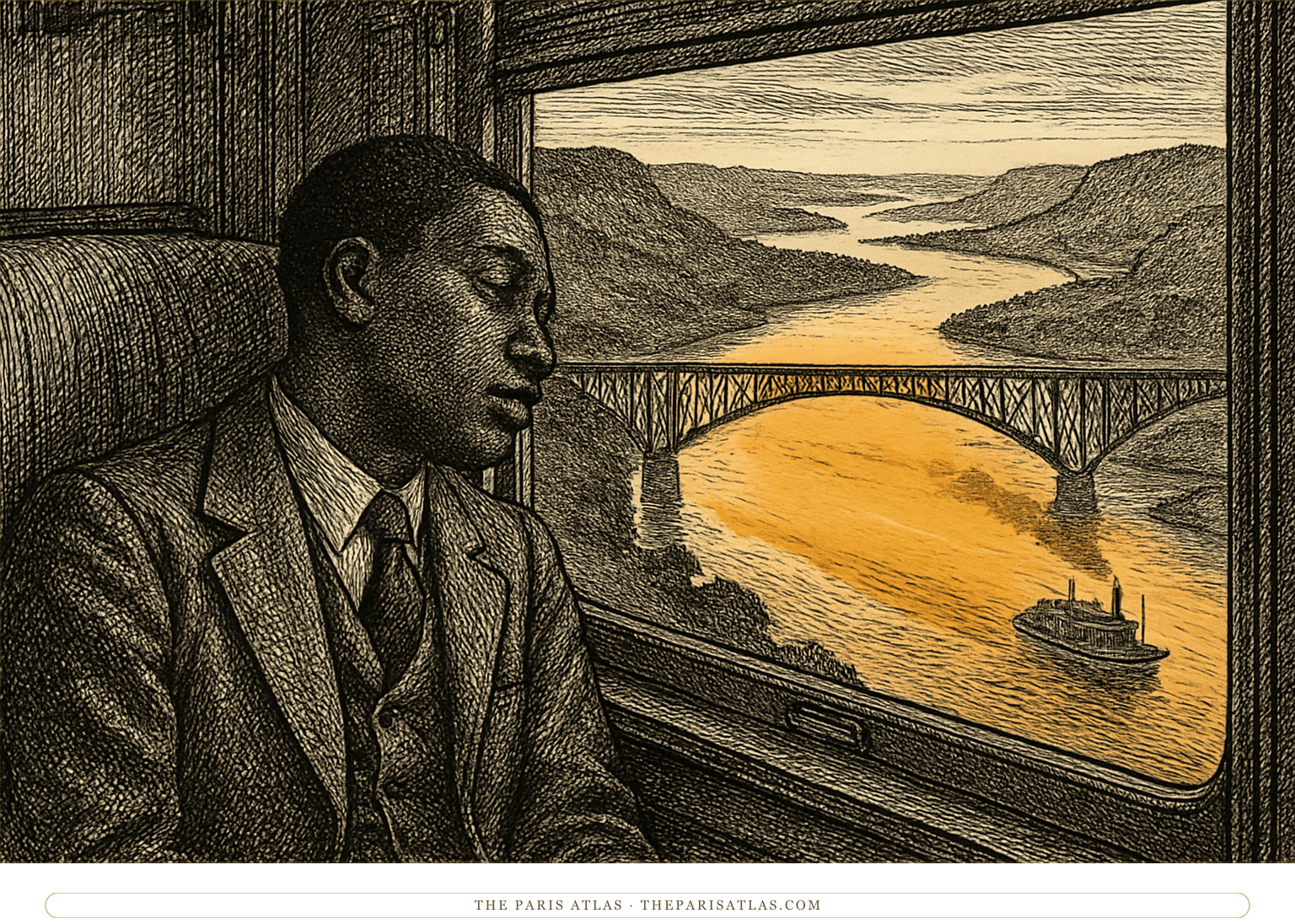
"I, too, sing America." The darker brother is sent to eat in the kitchen when company comes — and announces that tomorrow he will be at the table. Eighteen lines that answer Walt Whitman and close Langston Hughes's first book.
- 1926
- Free-verse poem, eighteen lines
About Langston Hughes
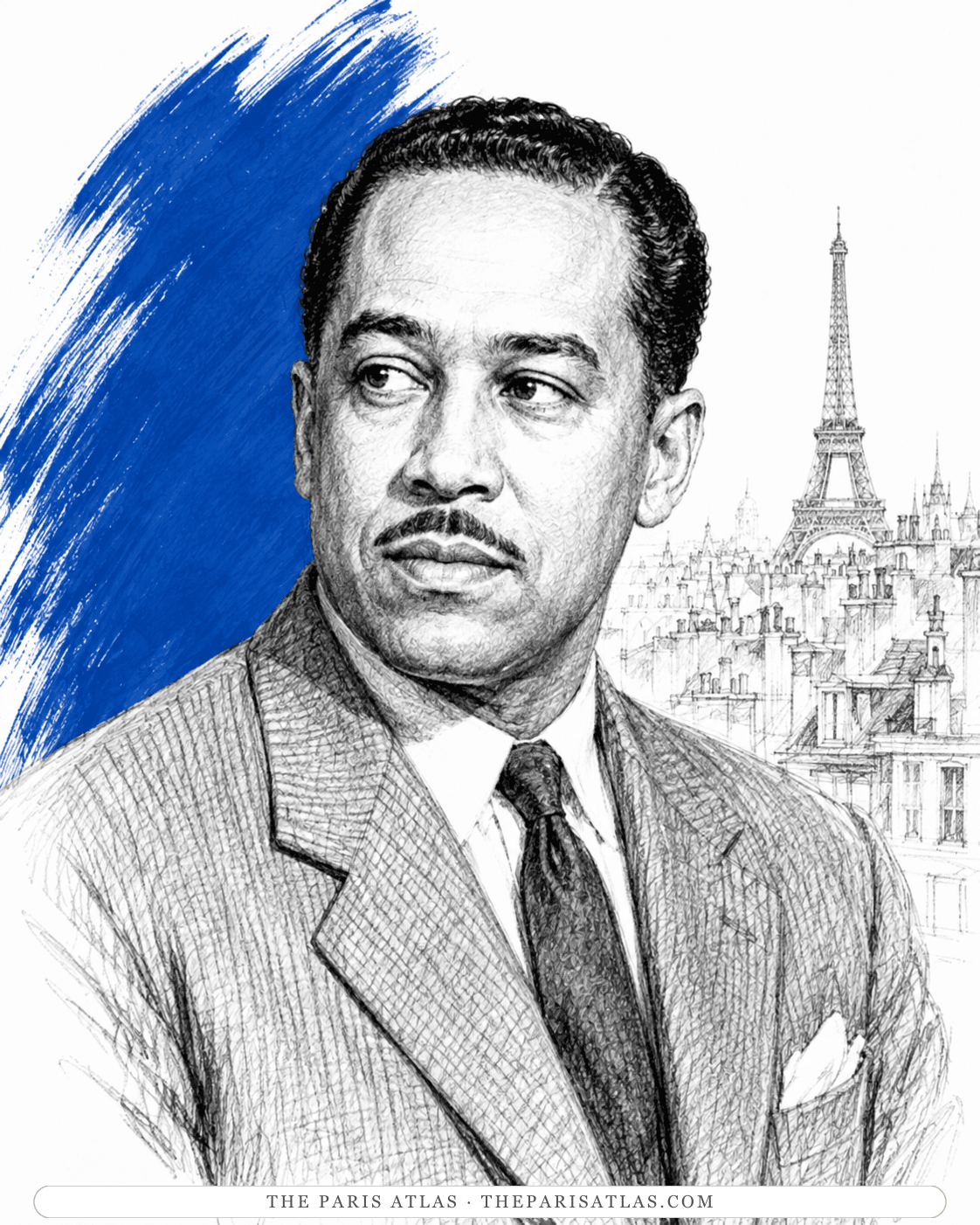
The darker brother
The speaker is sent to eat in the kitchen when company comes. He laughs, eats well, grows strong — and states what happens next: tomorrow he will sit at the table, nobody will dare send him out, and they will see how beautiful he is and be ashamed. The poem opens "I, too, sing America" and closes "I, too, am America," and the single changed word carries the whole argument: singing about the country becomes being the country.
The first line answers Walt Whitman, whose "I Hear America Singing" catalogued the nation's voices — the darker brother adds his own. In The Weary Blues (1926), Hughes's first book, the poem appears as the closing "Epilogue," mirroring the opening "Proem"; the title "I, Too" belongs to its later life in anthologies, where it became one of the most widely taught American poems of the century.
Its eighteen lines are quoted on museum walls and in speeches; the promise of the table has been read against every era of American history since. The 1926 text is in the public domain.
Timeline
1926
Closes The Weary Blues as its "Epilogue," answering the book's opening "Proem."
2022
The Weary Blues enters the US public domain, the poem with it.
Frequently asked questions
What is I, Too about?
Exclusion and its end. The speaker — "the darker brother" — is sent to eat in the kitchen when company comes, and responds not with protest but with certainty: he laughs, grows strong, and announces that tomorrow he will be at the table and no one will dare object. It is a poem about segregation that speaks entirely in the future tense of its defeat.
What does "I, too, sing America" mean?
It answers Walt Whitman's "I Hear America Singing," which catalogued the voices of American workers. Hughes adds the voice Whitman's catalogue left out. By the last line the verb has changed — "I, too, am America" — and the claim has moved from joining the song to being the country itself.
When was I, Too published?
It closed Langston Hughes's first book, The Weary Blues, in 1926 — printed there simply as "Epilogue." The title "I, Too" comes from its later, separate life in anthologies.
Who is "the darker brother" in the poem?
The speaker names himself that in the second line: a Black American, part of the national family but sent to eat in the kitchen when company comes. The family metaphor does the poem's work — exclusion happens inside the house, not outside it.
Is I, Too in the public domain?
Yes. Its 1926 printing in The Weary Blues entered the US public domain in 2022, and the full text is on Project Gutenberg.
More by Langston Hughes
If you like Langston Hughes
Explore poets from the same movements and circles.
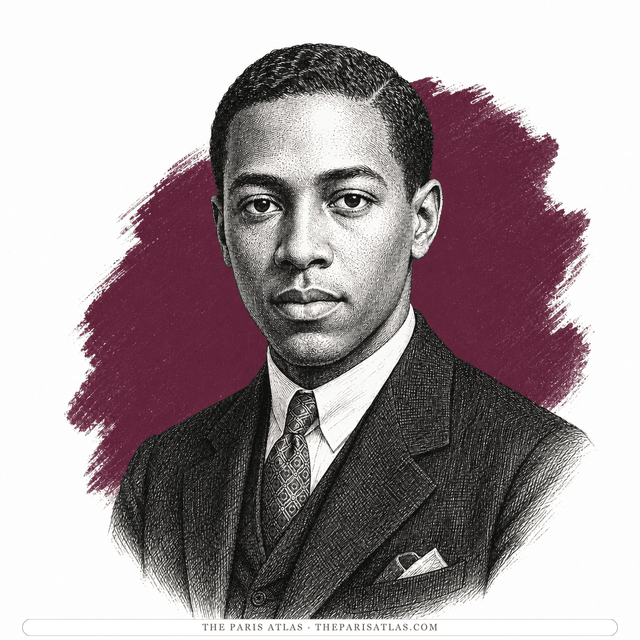
Countee Cullen
American poet whose traditional lyric forms carried some of the Harlem Renaissance's sharpest questions about race, faith and artistic freedom.
View artist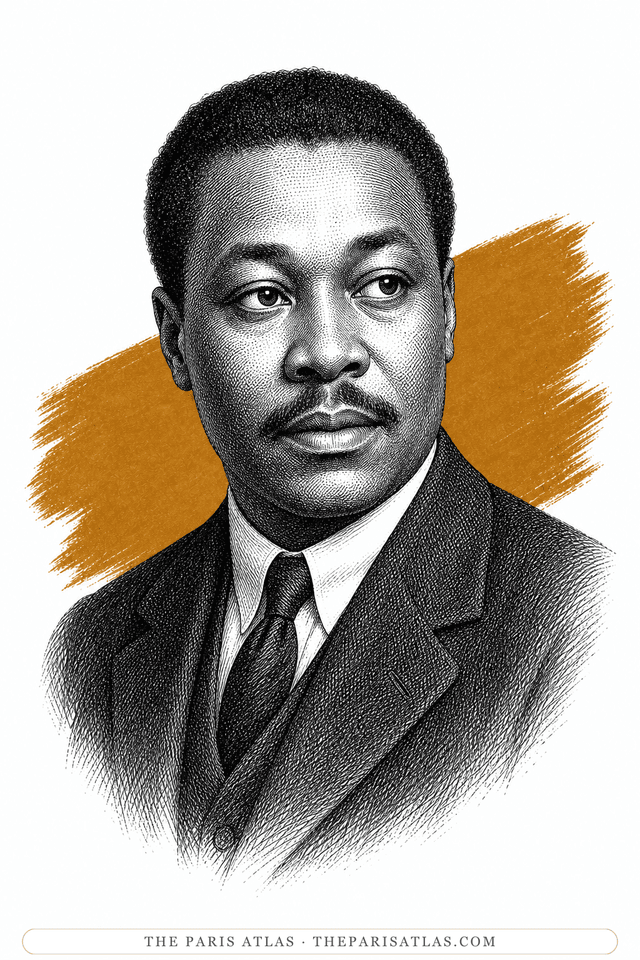
Claude McKay
Jamaican-born poet and novelist, and one of the essential writers of the Harlem Renaissance. He arrived in Paris from Moscow in 1923 and stayed in France until 1928, writing Home to Harlem there — and forming a low opinion of the rich, white expatriate scene that dominates most accounts of the period. His Paris is the same years as Hemingway's and almost nothing like it.
View artist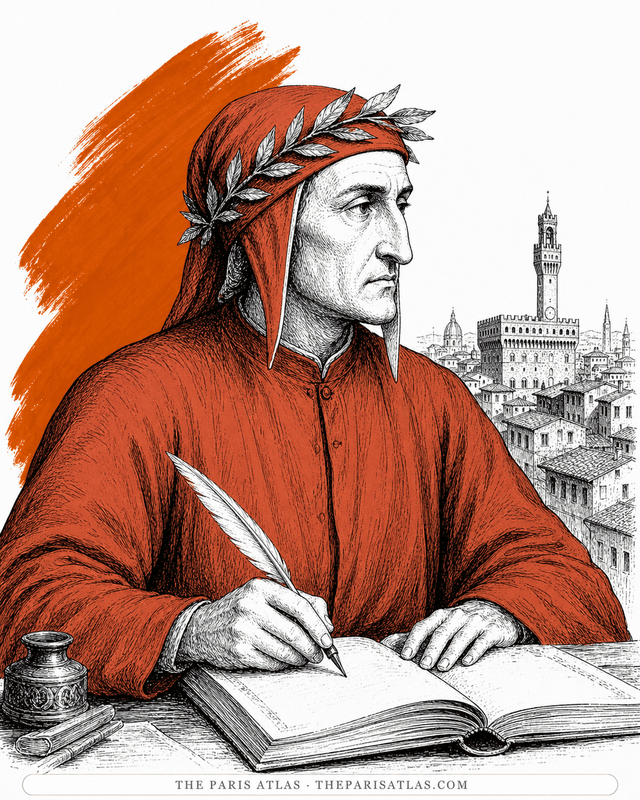
Dante Alighieri
Florentine poet whose Divine Comedy supplied the first subject of Rodin's Gates of Hell and the original identity of The Thinker as Dante meditating over the damned.
View artist
References
The sources below include collection records, catalogues, scholarly research, and primary materials that informed this page. They document I, Too, its making, and its place in cultural history.

1The Weary Blues (Project Gutenberg etext of the 1926 Knopf edition)
WebsiteProject Gutenberg, eBook #74745Used forWeb source consulted for documented facts and historical context presented on the I, Too page.
2A Reading Guide to Langston Hughes
WebsiteAcademy of American Poets, poets.orgUsed forWeb source consulted for documented facts and historical context presented on the I, Too page.
3I, Too
WebsiteThe Poetry FoundationUsed forWeb source consulted for documented facts and historical context presented on the I, Too page.
4Langston Hughes 101
EssaysThe Poetry FoundationUsed forPublished analysis and historical context used in preparing the I, Too page.
These references provide the documented foundation for this work's history and interpretation. Claim-level citations remain attached to the specific claims they support.
 Explore more resources