Mother to Son
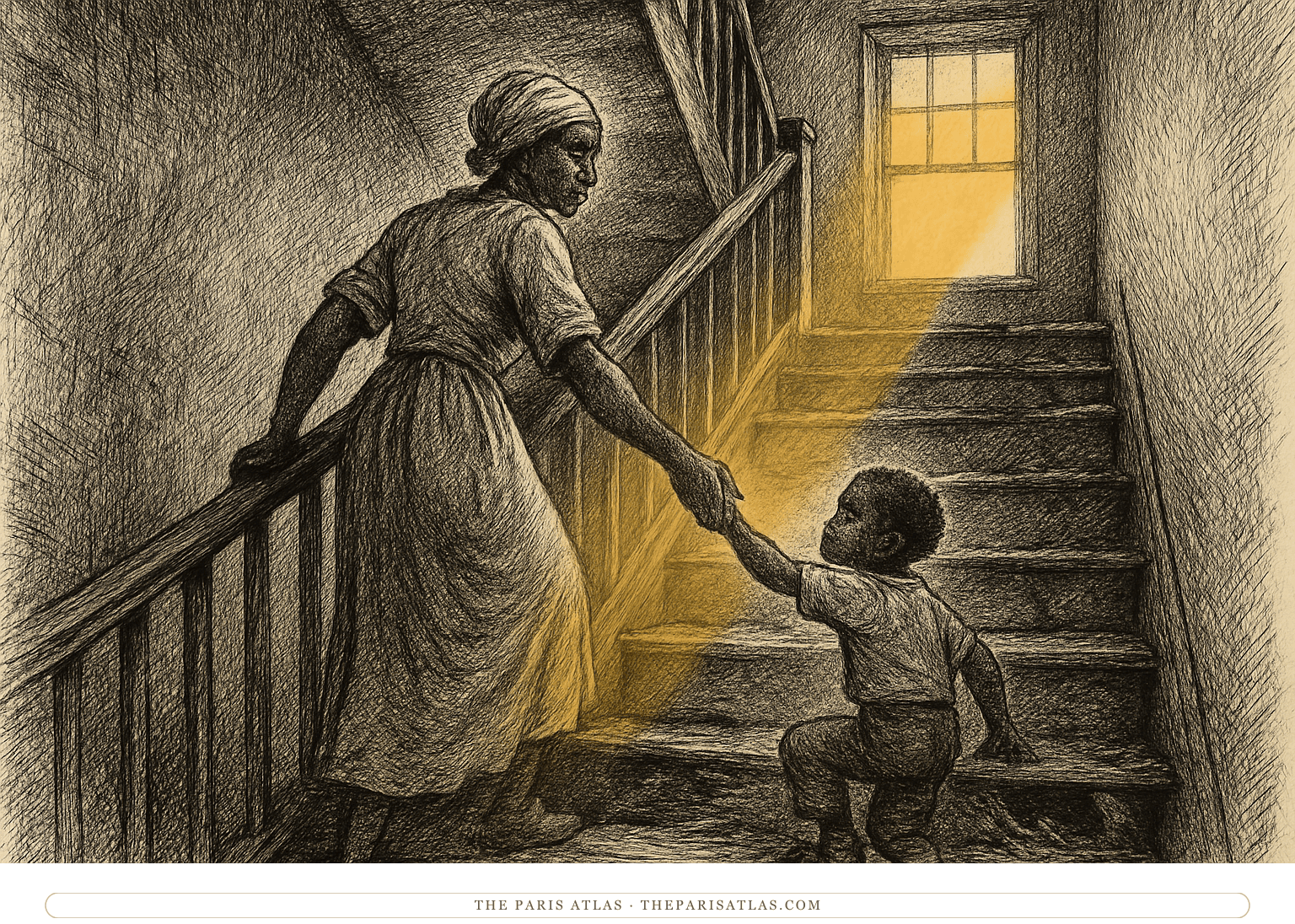
A mother tells her son that life for her "ain't been no crystal stair" — and that she is still climbing. Twenty lines in one woman's voice, published when Langston Hughes was twenty-one, and quoted from pulpits ever since.
- 1922
- Dramatic monologue in free verse, twenty lines
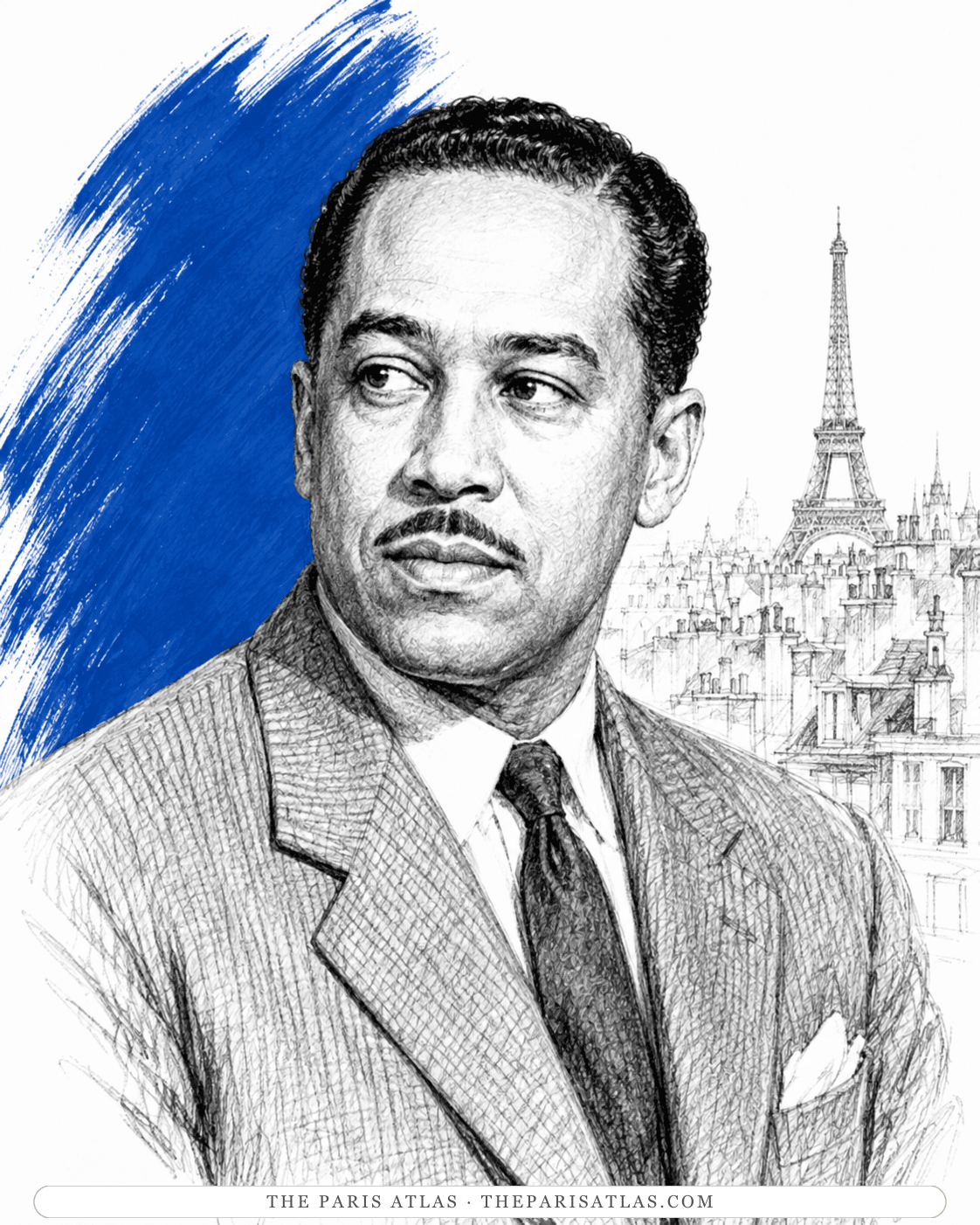
About Langston Hughes
No crystal stair
The whole poem is one speech. A mother tells her son what her life has been — a staircase with tacks in it, splinters, torn-up boards, stretches with no carpet and no light — and the image she reaches for at the start returns at the end: "Life for me ain't been no crystal stair." In between, she is still climbing, still turning corners, and the poem's whole force lands in her instruction: don't you turn back, don't you set down on the steps.
Hughes published it in The Crisis in 1922, at twenty-one, and collected it in The Weary Blues in 1926. It was one of his earliest demonstrations that everyday Black speech could carry the full weight of a poem — the vernacular is the instrument, not local color. The mother's voice owes something to the women who raised him, in a childhood he described as lonely and handed around.
The poem's second life has been in the spoken word it was built from. Martin Luther King Jr. quoted it repeatedly in sermons and speeches, and its central image has passed into the language — "no crystal stair" is quoted by people who could not name the poem it comes from.
Timeline
1922
Published in The Crisis, the NAACP magazine, when Hughes was twenty-one.
1926
Collected in The Weary Blues, his first book.
1950s–60s
Martin Luther King Jr. quotes the poem repeatedly in sermons and speeches; its climb becomes a civil-rights figure of speech.
Frequently asked questions
What is Mother to Son about?
A mother tells her son that her life has been a hard staircase — tacks, splinters, torn-up boards, dark landings — and that she has kept climbing anyway. The poem is her instruction to him: don't turn back, don't sit down on the steps, don't fall. Perseverance is the subject, delivered as inherited advice rather than abstract counsel.
What does "no crystal stair" mean in Mother to Son?
The crystal stair is the life the mother did not have — smooth, bright, easy to climb. Her staircase has been the opposite, and the poem's opening and closing line, "Life for me ain't been no crystal stair," frames everything between as the evidence. The image has outgrown the poem and entered everyday speech.
When did Langston Hughes write Mother to Son?
It was published in The Crisis in 1922, when Hughes was twenty-one — three years before his first book. He collected it in The Weary Blues in 1926.
Why is Mother to Son written in dialect?
Because the poem is the mother's spoken voice, and Hughes believed everyday Black speech could carry serious poetry without being polished into something more "respectable." The vernacular is the poem's instrument: the climb is told in the language of the woman who made it.
Did Martin Luther King Jr. quote Mother to Son?
Yes — he returned to it repeatedly in sermons and speeches, using the mother's language of pressing on and not turning back. The poem's afterlife in oratory is part of its history.
Is Mother to Son in the public domain?
Yes. Published in 1922 and collected in 1926, it is in the US public domain, and the full 1926 text is on Project Gutenberg.
More by Langston Hughes

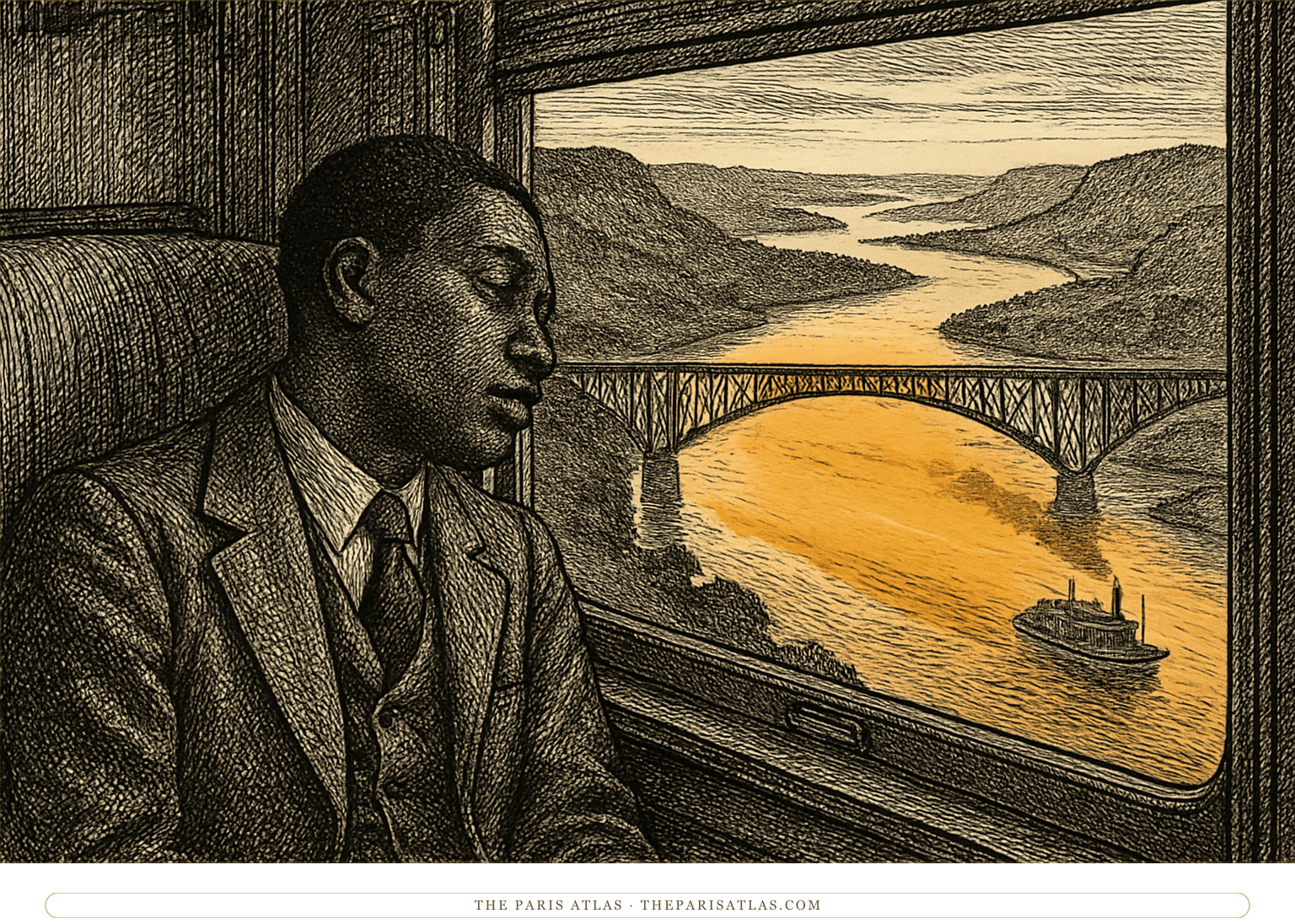
If you like Langston Hughes
Explore poets from the same movements and circles.
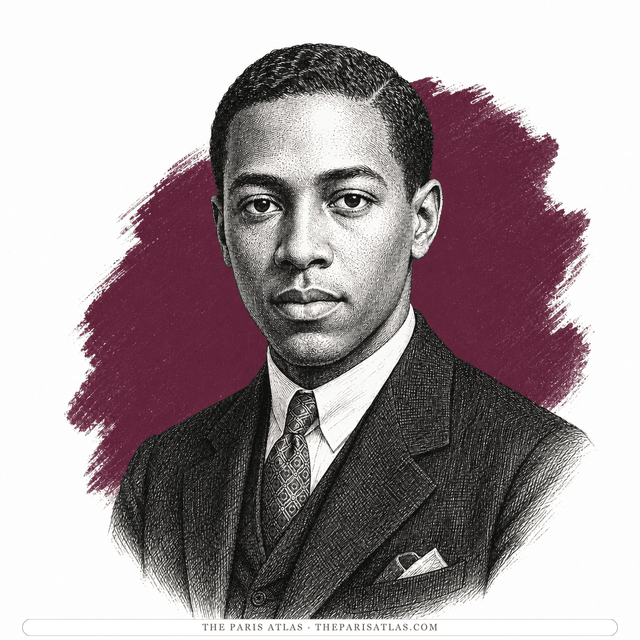
Countee Cullen
American poet whose traditional lyric forms carried some of the Harlem Renaissance's sharpest questions about race, faith and artistic freedom.
View artist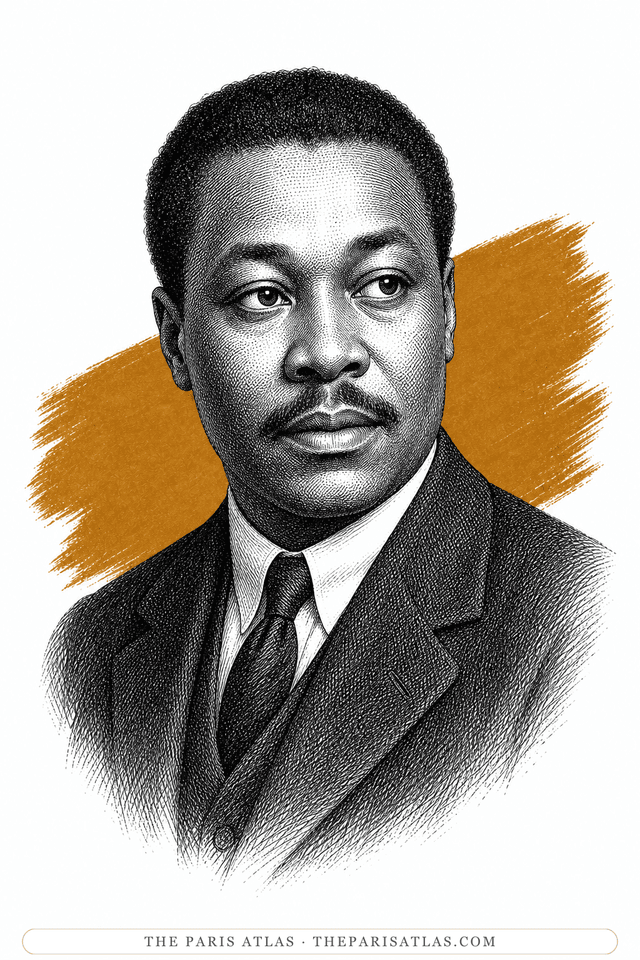
Claude McKay
Jamaican-born poet and novelist, and one of the essential writers of the Harlem Renaissance. He arrived in Paris from Moscow in 1923 and stayed in France until 1928, writing Home to Harlem there — and forming a low opinion of the rich, white expatriate scene that dominates most accounts of the period. His Paris is the same years as Hemingway's and almost nothing like it.
View artist
Dante Alighieri
Florentine poet whose Divine Comedy supplied the first subject of Rodin's Gates of Hell and the original identity of The Thinker as Dante meditating over the damned.
View artist
References
The sources below include collection records, catalogues, scholarly research, and primary materials that informed this page. They document Mother to Son, its making, and its place in cultural history.

1The Weary Blues (Project Gutenberg etext of the 1926 Knopf edition)
WebsiteProject Gutenberg, eBook #74745Used forWeb source consulted for documented facts and historical context presented on the Mother to Son page.

2The Collected Poems of Langston Hughes
PoetryAlfred A. Knopf, 1994Used forPrimary text included as part of the documented record for Mother to Son.

3"Keep Moving from This Mountain" — Address at Spelman College, 10 April 1960
ArchiveThe Martin Luther King, Jr. Research and Education Institute, Stanford University, 1960Used forArchival evidence used to document the historical record connected to Mother to Son.
4A Reading Guide to Langston Hughes
WebsiteAcademy of American Poets, poets.orgUsed forWeb source consulted for documented facts and historical context presented on the Mother to Son page.
5Mother to Son
WebsiteAcademy of American Poets, poets.orgUsed forWeb source consulted for documented facts and historical context presented on the Mother to Son page.
These references provide the documented foundation for this work's history and interpretation. Claim-level citations remain attached to the specific claims they support.
 Explore more resources