
Joan Gilling
A young woman whose hospital path parallels Esther’s and ends differently.
To find connection, stability, and a life beyond the hospital while managing her own illness.
The book

At a glance
- Esther’s acquaintance and fellow patient
- Private psychiatric hospital
- A parallel path through illness and treatment
Who they are in the book
Spoiler-freeJoan knows Esther from earlier life and later becomes a fellow psychiatric patient. Their similarities make Joan both a companion and a disturbing double.
Her presence prevents recovery from becoming a simple formula. Two people can share settings and treatment while reaching different outcomes.
How Joan Gilling Is Portrayed
- Esther’s contemporaryTheir similar age makes comparison difficult to avoid.
- Thoughtful reserveShe can appear composed without being safe.
- Parallel pathHer hospitalization echoes Esther’s experience.
- Unsettling doubleShe represents a possible outcome Esther cannot dismiss.
Joan leaves the hospital and later dies by suicide. Her death shadows Esther’s cautious movement toward discharge.
If you like The Bell Jar


If you like Sylvia Plath
Explore authors with a similar voice, perspective, and influence.
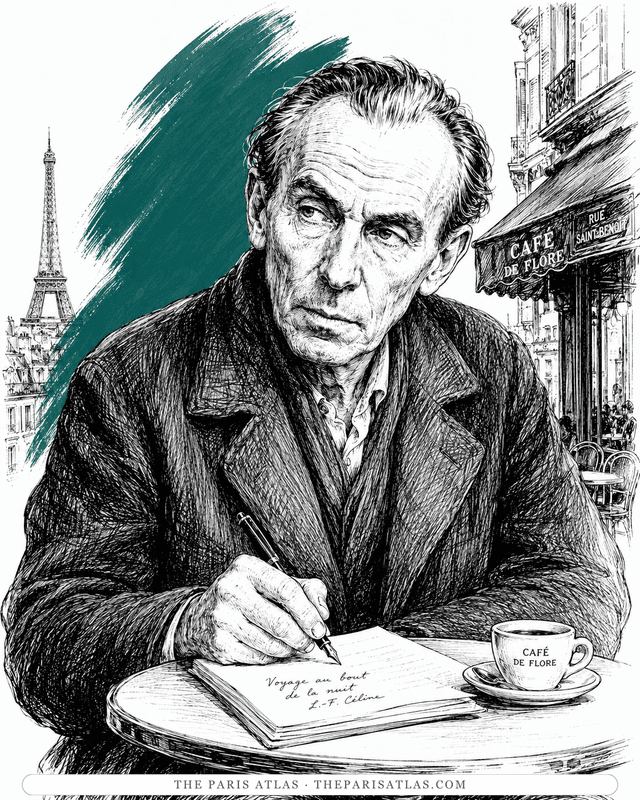
Louis-Ferdinand Céline
The doctor of the Paris slums who wrote the century's blackest, funniest novel — and changed the sound of French prose.
View author
Henry Miller
The Brooklyn dropout who arrived in Paris broke at thirty-eight and wrote the exuberant, banned books that ended American censorship.
View author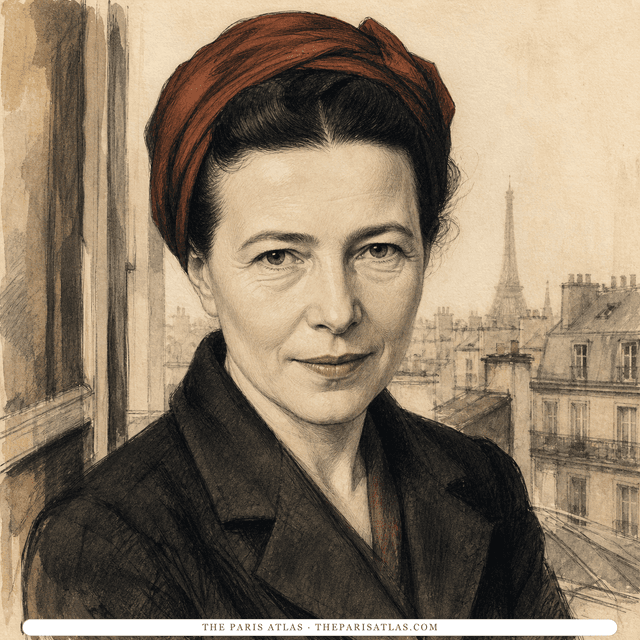
Simone de Beauvoir
French writer and philosopher whose novels, memoirs, and social analysis examined freedom, gender, responsibility, aging, and the material conditions that shape a life.
View author